












Plot Explained Spoilers guaranteed!
Plot Explained

Browse by genre

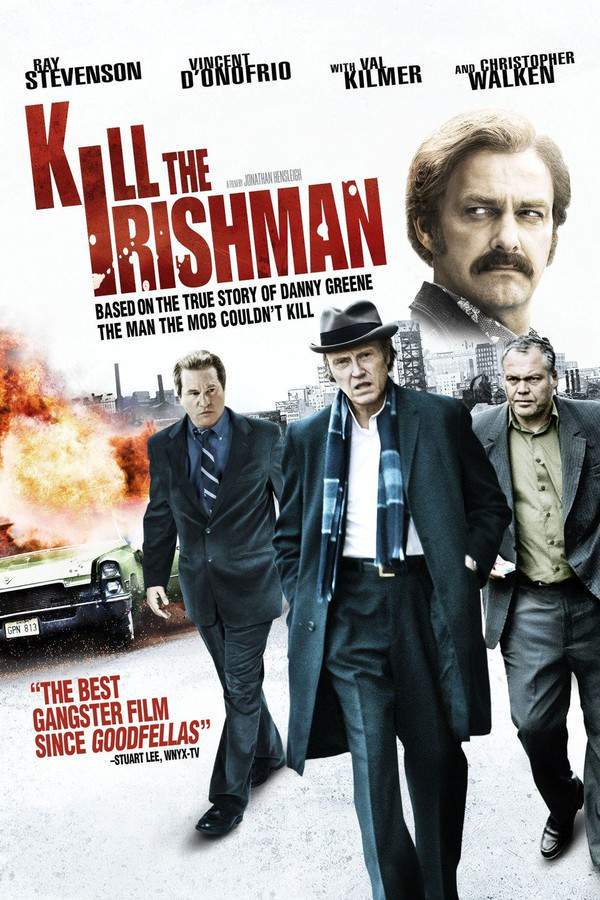
Kill the Irishman (2011) movie poster

Characters & Themes

Kill the Irishman (2011) Characters, Setting & Themes Explained

Release, runtime and language
2011 · 106 min · English
Directed by
Jonathan Hensleigh
Starring
Ray Stevenson, Christopher Walken, Vincent D'Onofrio

In the summer of 1976, tensions rise in Cleveland's Irish-American neighborhood as Danny Greene’s ascent from the streets to a powerful figure ignites a violent turf war with the Italian mafia. Known for his fearlessness and reputation for invincibility, Greene takes control, disrupting established syndicates and leaving a trail of destruction. His defiance and notoriety eventually earn him the chilling nickname: the man the mob couldn’t kill.

On this page (8)
  1. 1 Where to watch
  2. 2 Characters explained (3)
  3. 3 Where & when it takes place
  4. 4 Themes & meaning (3)
  5. 5 Character & meaning questions
  6. 6 Movie threads
  7. 7 Movies like Kill the Irishman
  8. 8 Every angle

Where to watch

Where to Watch Kill the Irishman (2011)

Where can you watch Kill the Irishman? Stream, rent or buy it in the US, including on Fawesome, Kanopy and Fandango at Home Free: current JustWatch availability with up-to-date prices.

Streaming availability powered by JustWatch

3 main characters · contains spoilers

Kill the Irishman Characters Explained: Who Is Who

The main characters of Kill the Irishman (2011), heroes and villains: what drives them, how they change over the course of the story and what each of them reveals about the film's bigger ideas.

  • Danny Greene

    played by Ray Stevenson

    Danny Greene is a determined and resilient character whose ambition leads him deep into the world of organized crime. His refusal to bow to threats and his desire to uplift dockworkers showcase both his leadership qualities and moral complexities. Over time, his pursuit of power comes at a great personal cost, influencing his relationships and ultimately leading to his tragic downfall.

    • 👤 Protagonist
    • 💪 Resilient
    • 🏴‍☠️ Criminal
  • Detective Joe Manditski

    played by Christopher Walken

    Detective Manditski is a complex character who straddles the line between law enforcement and old friendships. His childhood ties with Danny Greene complicate his duty, as he finds himself torn between protecting his friend and upholding the law. This internal conflict highlights the moral dilemmas faced by those within the system, especially in a city rife with corruption.

    • 👮‍♂️ Law Enforcement
    • 🤝 Friend
    • ⚖️ Morality
  • Joe Buka

    played by Vincent D'Onofrio

    Joe Buka serves as the enforcer for Jerry Merke, embodying the brute force of the Mafia’s influence within labor unions. His aggression and willingness to resort to violence make him a formidable opponent to Danny Greene. Buka's character illustrates the dark methods employed by organized crime to maintain control and intimidate rivals.

    • 💣 Enforcer
    • 😠 Antagonist
    • 🥊 Violent

Last updated: October 22, 2024 at 22:58

Was this helpful?

Setting

Where and When Does Kill the Irishman Take Place?

The setting of Kill the Irishman (2011): the year and time period, the places and locations, and how they shape the characters, the mood and the tension of the story.

Time period

1960s

The 1960s was a time of significant social change in the United States, marked by civil rights movements and a rising awareness of organized crime. In Cleveland, these years were particularly turbulent as gangster conflicts escalated and the public became more aware of corruption in labor unions. This period serves as a backdrop for the film’s exploration of crime, betrayal, and the pursuit of power.

Location

Cleveland, Collinwood

Cleveland, a vibrant city known for its bustling docks and rich industrial history, is the backdrop for Danny Greene's turbulent life. The docks symbolize hard work and camaraderie among the longshoremen, but also the dark underbelly of organized crime. Collinwood represents a suburban setting where personal upheaval and the consequences of crime reflect on family dynamics.

  • 🏙️ City
  • 🚢 Docks

Last updated: October 22, 2024 at 22:58

Was this helpful?

3 major themes

Kill the Irishman Meaning: Themes & Message Explained

What is Kill the Irishman (2011) really about? The emotional, social and philosophical themes the film keeps returning to, its symbolism and the message beneath the surface.

  • Power Struggle

    The theme of power struggle is central to the narrative, as Danny Greene navigates the treacherous waters of organized crime in Cleveland. His rise to union president and subsequent defiance against Mafia leaders highlight the lengths individuals will go to assert their control. This struggle ultimately leads to devastating consequences, reflecting the chaotic nature of power within the criminal underworld.

  • Betrayal

    Betrayal is a recurring theme in the film, evident in both personal and professional relationships. Danny's friendship with Mike Frato and the betrayal by his friend Sneperger exemplify how trust can be shattered in the face of greed and fear. This theme illustrates the emotional cost of living within a criminal framework, where loyalties are constantly tested.

  • Violence

    The film starkly portrays violence as an instrument of power within the Mafia. From bombings to brutal confrontations, the narrative showcases how violence shapes the dynamics among characters and escalates conflicts. This theme emphasizes the dark realities of organized crime, where the pursuit of power often leads to catastrophic outcomes.

Last updated: October 22, 2024 at 22:58

Was this helpful?

Character & theme questions

Kill the Irishman Characters & Meaning: Your Questions Answered

The questions people ask about Kill the Irishman (2011): who the characters really are, their relationships, what the symbols mean, where it takes place and what the movie is really about. Each answer contains spoilers.

Q1

Where is Kill the Irishman set?

The movie takes place primarily in Cleveland, Ohio, with key scenes set around the city's docks and the industrial neighborhood of Collinwood. The docks serve as both a working-class environment and the entry point for Danny Greene into organized crime.

Foreshadowing: The film opens with scenes of Cleveland's bustling waterfront, establishing the setting where Greene's rise begins.

  • cleveland
  • docks
  • setting
  • ohio
  • collinwood
Q2

When does the story take place?

The film is set primarily during the 1960s, a period of significant social change in America when organized crime conflicts escalated in major cities. The story covers roughly a decade of turf wars between Irish and Italian mob factions in Cleveland.

Foreshadowing: The era is introduced through period-accurate details and references to labor union corruption that defined this time.

  • 1960s
  • time period
  • 1970s
  • era
  • cleveland
Q3

Who is Danny Greene in the movie?

Danny Greene is a dockworker turned union leader who rises to power in Cleveland's Irish-American community. He is portrayed as a charismatic figure who fights for better working conditions but becomes increasingly entangled in organized crime, eventually taking on the Italian mafia directly.

Foreshadowing: Greene's leadership qualities and connections to the longshoremen are established early, setting up his later conflicts.

  • danny greene
  • union leader
  • dockworker
  • protagonist
Q4

What is Detective Joe Manditski's role in the story?

Detective Joe Manditski is a Cleveland police officer who has a childhood friendship with Danny Greene. Throughout the film, he struggles with the conflict between his duty as a law enforcement officer and his personal loyalty to his old friend, representing the moral complexity of the era.

Foreshadowing: The detective's personal connection to Greene is established early, creating tension throughout the narrative.

  • joe manditski
  • detective
  • police
  • childhood friend
Q5

Who is Joe Buka and what is his role?

Joe Buka serves as the main enforcer for mobster Jerry Merke, representing the Italian mafia's brute force within Cleveland's labor unions. He is characterized by aggression and willingness to use violence, making him a formidable adversary to Danny Greene and his allies.

Foreshadowing: Buka's violent nature is demonstrated early in confrontations with Greene's associates.

  • joe buka
  • enforcer
  • mafia
  • jerry merke
  • violent
Q6

What is the main theme of power struggle in the movie?

The film centers on the power struggle between Danny Greene and the Italian mafia controlling Cleveland's labor unions. Greene's ascent to union president represents a direct challenge to established criminal hierarchies, triggering violent conflicts that ultimately lead to devastating consequences for all involved.

Foreshadowing: The opening sequences establish Greene's growing influence and the Mafia's intent to maintain control.

  • power struggle
  • mafia
  • union
  • conflict
  • control
Q7

How does betrayal factor into the story?

Betrayal is a central theme, exemplified by Danny Greene's relationships with associates like Mike Frato and others who turn against him. The film illustrates how trust is shattered by greed and fear within the criminal underworld, showing the emotional cost of living in a world where loyalties are constantly tested.

Foreshadowing: Early friendship dynamics hint at the fragility of these alliances.

  • betrayal
  • trust
  • loyalty
  • friends
  • treachery
Q8

How is violence portrayed in the film?

Violence is depicted as a primary instrument of power within Cleveland's organized crime landscape. The narrative showcases bombings, assassinations, and brutal confrontations as the mafia maintains control and responds to challenges, emphasizing the dark realities of criminal enterprises and their catastrophic outcomes.

Foreshadowing: The escalation of violence is foreshadowed by early threats and bombings.

  • violence
  • bombings
  • mafia
  • conflict
  • power
Q9

Why does the mafia target Danny Greene?

The mafia targets Danny Greene because he refuses to comply with their control over the Cleveland docks and labor unions. His defiance, combined with his growing influence among Irish workers, threatens the Italian mob's established power structure, making him a direct obstacle to their operations.

Foreshadowing: Greene's refusal to cooperate with mob demands is established early in the film.

  • mafia target
  • defiance
  • threat
  • mob
  • union control
Q10

What is the significance of the docks in the story?

The docks represent both the backbone of Cleveland's working class and the gateway into organized crime. For Danny Greene, the longshoreman community provides his power base and workforce loyalty, but the docks also symbolize the dark underbelly where criminal elements exploit labor unions.

Foreshadowing: Greene's deep roots in the dockworking community are shown from the beginning.

  • docks
  • longshoremen
  • union
  • working class
  • labor
Q11

What was the Cleveland crime landscape like?

Cleveland's crime landscape during this period was dominated by the Italian mafia's control over labor unions and dock operations. The city represented a significant hub for organized crime, with Irish and Italian factions competing for territory and influence, leading to violent turf wars.

Foreshadowing: The film's depiction of Cleveland establishes it as a key battleground for mob interests.

  • cleveland
  • mafia
  • organized crime
  • crime landscape
  • turf war

Movie threads

More Movies Like Kill the Irishman, by Mood & Story

Curated lists built around what makes Kill the Irishman tick: the same mood, the same kind of story or the same emotional payoff. Each list explains why these movies belong together.

Movies about the rise and fall of gangsters like Kill the Irishman

True crime stories of reckless ambition leading to a tragic, violent end. Explore movies like 'Kill the Irishman' that delve into the true stories of ambitious gangsters. These films follow the violent ascent and inevitable, often tragic, downfall of powerful underworld figures, focusing on themes of reckless ambition, betrayal, and fatalistic consequences within organized crime.

  • fatalistic
  • tense
  • brutal
  • tragic
  • relentless
  • gritty
  • Tone: tense, fatalistic
  • Pacing: fast, relentless
Why these movies?

The story pattern: These narratives often follow a linear but escalating path: a charismatic figure rises from the streets through sheer force of will, challenges established powers, but their hubris and violent methods create an unstoppable wave of retaliation that leads to their demise. The journey is less about redemption and more about the tragic mechanics of a self-fulfilling prophecy.

Why they belong together: Movies are grouped here based on their shared focus on a specific character arc—the fatalistic rise and fall—within the crime genre. They share high intensity, heavy emotional weight, and a bleak or sad ending feel, creating a cohesive experience for viewers interested in tragic true-crime stories.
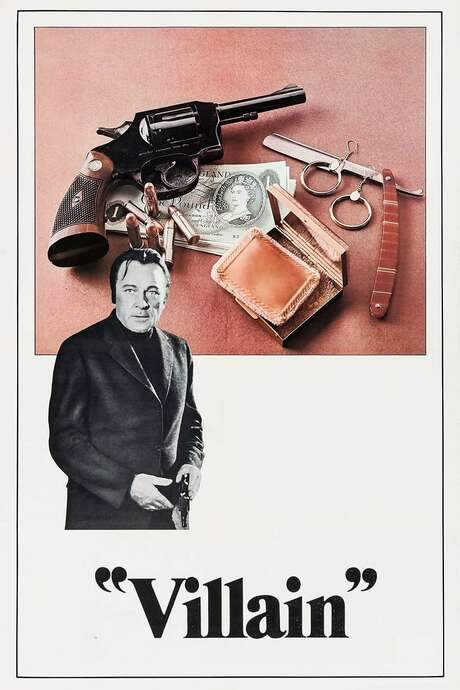
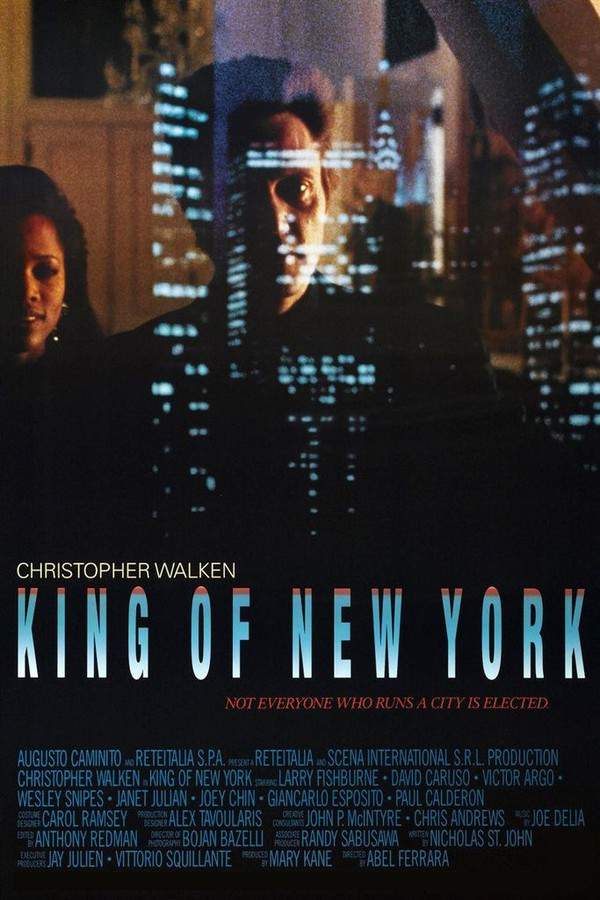
Movies about chaotic gang wars like Kill the Irishman

High-stakes stories of escalating violence and betrayal between rival factions. Find movies similar to 'Kill the Irishman' that depict intense turf wars and mob conflicts. These fast-paced, gritty films capture the chaos of escalating violence, bombings, and assassinations between rival crime factions, delivering a tense and brutal viewing experience centered on organized crime warfare.

  • violent
  • chaotic
  • tense
  • relentless
  • brutal
  • gritty
  • Tone: tense, brutal
  • Pacing: fast, chaotic
Why these movies?

The story pattern: Stories in this thread are structured around a central, escalating conflict—often a turf war—that fractures alliances and pits numerous factions against each other. The plot is propelled by a series of violent acts and betrayals, with little narrative downtime, immersing the viewer in the chaotic and unpredictable nature of the conflict.

Why they belong together: These movies are united by their core focus on a sprawling, multi-faction conflict within a criminal underworld. They share a fast pacing, high intensity, and a tense tone, prioritizing the chaotic spectacle and brutal reality of gang warfare over deep character introspection.

If you liked this

Movies Like Kill the Irishman

Similar movies to Kill the Irishman: the same genre, themes or kind of story. Each one comes with its own plot summary, timeline and ending explained.

Browse all movie summaries

Every angle

Kill the Irishman (2011) Explained: Plot, Timeline & Characters

Everything about Kill the Irishman in one place: what happens in the plot summary, the timeline in chronological order, the characters and meaning and a spoiler-free summary. What's After the Movie adds the cast, box office and post-credit scenes.

Coming soon on iOS and Android

The Plot Explained Movie Summary App

Plot summaries, endings explained and timelines on your phone. Catch up on any movie in minutes, save your favorites and never miss a twist again.

Be the first to know when we launch. Your email stays private, always.

Learn more about the app