Plot Explained Spoilers guaranteed!
Plot Explained

Browse by genre

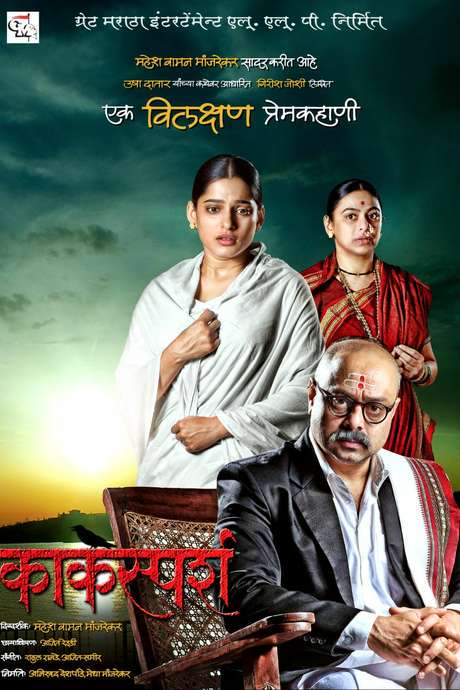
Kaksparsh (2012) movie poster

Timeline

Kaksparsh (2012) Timeline Explained – Every Event in Order

Release, runtime and language
2012 · 147 mins · English
Loading streaming availability…
Directed by
Mahesh Manjrekar
Starring
Sachin Khedekar, Ketaki Mategaonkar, Priya Bapat

Uma loses her husband at a very young age and faces many hardships. The only support she gets is from her brother-in-law.

On this page (5)
  1. 1 Where to watch
  2. 2 Events in order (15)
  3. 3 Timeline questions answered
  4. 4 Movie threads
  5. 5 Every angle
Loading streaming availability…

15 events in order · contains spoilers

Kaksparsh Timeline: Events in Chronological Order

Every key event of Kaksparsh (2012) in order, scene by scene, with when and where it takes place. Use it to untangle flashbacks, time jumps and parallel storylines, to refresh your memory before the sequel or to find the exact scene you are thinking of.

  1. Hari orchestrates Mahadev-Uma arranged marriage

    Hari Damle, head of a traditional Chitpavan Brahmin family in Torgaon, arranges the marriage of his brother Mahadev to the girl Durga, who will be renamed Uma. The union binds the family to ritual duty from the start and marks Hari as a guardian of tradition. Mahadev dies before the marriage can be consummated, and Hari conducts the Śrāddha rites for his brother, setting the tone for the years ahead.

    When
    early
    Where
    Torgaon, Konkan
  2. Crows reject offerings during the death rites

    During Mahadev's death rites, the crows repeatedly refuse the offerings, testing the ritual. Hari mutters a vow under his breath, and finally the crow touches the meal, signaling a hidden bond between duty, ritual, and the unseen. The moment foreshadows the extraordinary restraint Hari will exercise to guard Uma.

    When
    shortly after Mahadev's death
    Where
    Torgaon
  3. Uma becomes a widow and faces ritual shaving pressure

    Uma is now a widow and the Brahmin community presses for ritual purification through shaving her head. Hari resists, standing by Uma through whispers and doubt from Tara and others. His steadfast defense cements his image as a protective guardian, while sowing seeds of suspicion about his true motives.

    When
    years after Mahadev's death
    Where
    Torgaon
  4. Tara's illness elevates Uma to family pillar

    Years pass and Tara is diagnosed with terminal illness, thrusting Uma into day-to-day leadership of the family. Uma becomes the steady pillar keeping the household intact, even as old expectations gnaw at the edges of tradition. Hari watches Uma rise with pride and unease in equal measure.

    When
    during Tara's illness
    Where
    Torgaon
  5. Tara pleads for Uma-Hari marriage; Hari refuses

    Before Tara dies, she pleads with Hari to marry Uma, recognizing her growth and loyalty. Hari refuses, torn between timeless vows and a growing tenderness he cannot ignore. The tension between duty and desire tightens its grip on the household.

    When
    before Tara's death
    Where
    Torgaon
  6. Hari arranges Sankarshan's marriage

    Amid the household tensions, Hari arranges the marriage of his son Sankarshan, viewing it as a stabilizing move for the family. He welcomes this arrangement with a mix of pride and guarded emotion, mindful of Uma's presence and the vows that still bind him. The domestic order shifts as the next generation steps into their roles.

    When
    mid period, after Tara's illness but before her death
    Where
    Torgaon
  7. Hari discovers Uma at the threshold; rift grows

    Hari catches Uma listening at the threshold of the newlyweds’ room, overhearing their playful banter. He feels disgust at what he misreads as improper behavior and withdraws from Uma. Uma seeks an explanation from Balwant, but Hari, unaware of the truth, cuts ties with Balwant, deepening their estrangement.

    When
    after Sankarshan's wedding
    Where
    Home, Torgaon
  8. Uma isolates as Hari withdraws; health declines

    Uma grows more isolated as Hari withdraws his attention, and her health begins to deteriorate under the weight of unanswered questions. Sankarshan pleads with Shanti to talk to her, but the emotional distance between Hari and Uma remains unresolved. The family watches a fragile bond fray further with each passing day.

    When
    subsequent weeks
    Where
    Torgaon
  9. Uma initiates a fast for understanding

    In a moment of resolve, Uma begins a fast, signaling the depth of her longing to understand and connect with Hari. The act becomes a silent plea that highlights the distance that duty and miscommunication have created between them. The fast draws the household into a tense, hopeful stillness.

    When
    as she seeks connection
    Where
    Torgaon
  10. Hari reveals the vow that shaped him

    Hari finally reveals the truth: during Mahadev's death rites, the offerings were rejected by the crows for an extended period, and in that moment he vowed that no other man would touch Uma. He explains this vow as a protective measure for Uma's purity and the family's honor. He also clarifies how it explains his resistance to shaving Uma's head and to Tara's proposal of marriage.

    When
    revelation moment
    Where
    Home, Torgaon
  11. Tara reveals Uma's love for Hari

    Tara reveals to Uma that Uma has fallen in love with Hari, a confession that shakes the already fragile balance of the household. This revelation compels Hari to confront the possibility of breaking the vow. He weighs the risk to the family against the pull of a future with Uma.

    When
    after truth is revealed
    Where
    Torgaon
  12. The vow is challenged; Mangala sutra looms

    Uma forgives Hari, and the couple moves toward reconciliation as Hari contemplates taking the Mangala sutra to seal their bond. The potential union is framed as a daring rebuke to the old vows that once defined him. The family reads the tremors of change in the new, fragile equilibrium.

    When
    soon after
    Where
    Home, Torgaon
  13. Uma dies sacrificing to protect the vow

    Tragedy interrupts the fragile reconciliation: Uma dies, having sacrificed her life to safeguard Hari's vow and the family's stability. Hari is left to grapple with the realization that love came too late to save her. The death redefines his understanding of duty, love, and the cost of tradition.

    When
    shortly after reconciliation
    Where
    Torgaon
  14. Hari confronts the cost of vows and tradition

    With Uma gone, Hari confronts the awakening of a love he almost claimed and the price of clinging to tradition. He processes the personal loss and the hollow echo of vows kept at the expense of human connection. The narrative closes on a stark meditation about duty versus desire.

    When
    after Uma's death
    Where
    Torgaon
  15. Reflection on vows and the human cost

    In the aftermath, Hari grapples with the profound costs of vows and tradition. The household remains altered by Uma's absence, and Hari understands that ritual duty without compassion can fracture families. The story ends as a sober meditation on cost, loyalty, and the fragility of human ties.

    When
    epilogue
    Where
    Torgaon

Last updated: October 03, 2025 at 10:35

Was this helpful?

Timeline questions answered

Kaksparsh Timeline Explained: Your Questions Answered

When does it happen, and why in that order? The questions people ask about the chronology of Kaksparsh (2012): time jumps, flashbacks, cause and effect between scenes and the correct order of events, each answered with spoilers.

Q1

Why did Hari make a vow about Uma during Mahadev's death rites?

During Mahadev's Śrāddha rites, the crows repeatedly refused to touch the ritual offerings. In that moment of ritual uncertainty, Hari whispered a vow that no other man would ever touch Uma. Only after he made this vow did the crow finally eat, which he interpreted as the ritual being accepted. This vow shaped all his subsequent decisions regarding Uma's fate.

Foreshadowing: The rejected offerings earlier in the film establish that this vow is not casual, it carries spiritual weight that Hari believes he cannot break.

  • hari
  • uma
  • vow
  • crows
  • death rites
  • shraddha
  • ritual
Q2

Why did Hari refuse to let the community shave Uma's head?

Hari resisted the Brahmin community's pressure to shave Uma's head because the vow he made during Mahadev's death rites required that no other man touch her. Shaving was a ritual of purification that would effectively mark her as available for another marriage, which would have violated his sacred pledge. His defense of Uma appeared protective but was actually rooted in his vow.

Foreshadowing: This resistance plants the seeds of suspicion in the household about Hari's true motives regarding Uma.

  • shaving
  • widow
  • ritual
  • brahmin
  • community
  • purity
Q3

Why did Hari refuse to marry Uma when Tara asked him?

Hari refused Tara's dying plea to marry Uma because doing so would force him to break the vow he made during Mahadev's death rites. He believed the vow was sacred and binding, not just to Uma but to the spiritual integrity of the family. Even as his tenderness for Uma grew, he could not reconcile breaking a vow that the crows had symbolically accepted.

Foreshadowing: Tara's plea marks the first open tension between Hari's duty to tradition and his personal feelings.

  • tara
  • marriage
  • vow
  • refusal
  • duty
  • tradition
Q4

What happened when Hari caught Uma listening at the newlyweds' room?

Hari discovered Uma standing at the threshold of Sankarshan's newlywed room, listening to the playful banter between the young couple. He misread this as inappropriate curiosity about intimate matters and felt disgusted by what he perceived as improper behavior. This misunderstanding caused him to withdraw emotionally from Uma, creating a rift that would deepen through silence and misinterpretation.

Foreshadowing: This moment represents a critical turning point where miscommunication begins to drive the characters apart.

  • threshold
  • newlyweds
  • misunderstanding
  • withdrawal
  • sankarshan
Q5

Why did Hari cut ties with his friend Balwant?

After withdrawing from Uma, Hari saw her speaking with Balwant and misunderstood their conversation as inappropriate. Not knowing the real reason for her outreach, she was seeking answers about his withdrawal, Hari cut off his friendship with Balwant entirely. This severed another important connection in Uma's life and deepened her isolation.

Foreshadowing: This decision eliminates the one person who might have helped bridge the communication gap between Hari and Uma.

  • balwant
  • friendship
  • cut ties
  • misunderstanding
  • isolation
Q6

Why did Uma begin a fast?

Uma initiated a fast as a desperate, silent plea for understanding and connection with Hari. After his withdrawal and the loss of Balwant as an ally, she had no other way to express the emotional pain of being shut out. The fast was also a form of resistance, her only recourse against the isolation imposed by misunderstandings she could not clarify.

Foreshadowing: The fast marks the point where emotional suffering manifests physically, signaling how deeply the estrangement affects her.

  • fast
  • hunger strike
  • longing
  • connection
  • isolation
Q7

How did Uma die and what was her sacrifice?

Uma died having sacrificed her own life to protect Hari's vow and the family's stability. When she learned that Hari was prepared to break his vow to be with her, she chose to die rather than be the reason he violated something he considered sacred. Her death ensured his vow remained intact, preserving what he believed was the family's spiritual integrity, even at the cost of her own life.

Foreshadowing: The tragic irony is that Hari's vow, meant to protect Uma, ultimately becomes the instrument of her destruction.

  • death
  • sacrifice
  • vow
  • tragedy
  • uma
  • hari
Q8

What was the significance of the crows rejecting offerings during Mahadev's death rites?

The crows repeatedly refusing the Śrāddha offerings was a supernatural signal in the film's logic. In Hindu ritual tradition, accepted offerings indicate the departed soul has found peace. The prolonged rejection suggested something was unsettled, until Hari made his secret vow about Uma. The crow then accepted the food, signaling the vow had spiritual significance and binding power.

Foreshadowing: This moment establishes the supernatural weight of the vow that will govern the entire narrative.

  • crows
  • offerings
  • shraddha
  • death rites
  • ritual
  • vow
  • supernatural
Q9

Why was Uma puzzled by Hari's sudden withdrawal?

Uma was left bewildered because Hari never explained his change in behavior. She had done nothing wrong, she merely listened at the threshold out of natural curiosity about the newlyweds. Without understanding why Hari had suddenly withdrawn, she could only speculate, leading her to seek answers from Balwant, which only worsened the situation when Hari discovered their conversation.

Foreshadowing: This mutual misunderstanding creates the central tragedy where love goes unexpressed until it is too late.

  • confusion
  • withdrawal
  • misunderstanding
  • communication
  • uma
  • hari
Q10

What would the Mangala sutra have represented for Hari and Uma?

The Mangala sutra is a sacred thread married women wear, signifying their status and bond with their husband. When Hari contemplated taking the Mangala sutra for Uma, it would have meant breaking his vow and publicly claiming her as his wife, a radical departure from tradition and his earlier commitments. It represented the possibility of love finally finding expression, but tragedy struck before this could happen.

Foreshadowing: The Mangala sutra symbolizes the reconciliation that was almost within reach but ultimately denied.

  • mangala sutra
  • marriage
  • union
  • vow
  • tradition
  • reconciliation

Movie threads

More Movies Like Kaksparsh, by Mood & Story

Curated lists built around what makes Kaksparsh tick: the same mood, the same kind of story or the same emotional payoff. Each list explains why these movies belong together.

Slow burn tragic family dramas like Kaksparsh

Emotional stories of love, duty, and sacrifice within families bound by tradition. Discover movies similar to Kaksparsh that explore the profound bonds and heartbreaking sacrifices within families. These films share a melancholic tone, slow pacing, and heavy emotional weight, focusing on stories of duty, forbidden love, and grief in traditional settings. If you liked Kaksparsh, you'll appreciate these emotionally rich and character-driven narratives.

  • melancholic
  • somber
  • tender
  • oppressive
  • traditional
  • quiet
  • Tone: melancholic, somber, tragic
  • Pacing: slow, deliberate
Why these movies?

The story pattern: Stories in this thread typically follow families grappling with loss, societal pressure, and forbidden affections. The narrative often builds slowly around a central moral dilemma or a tragic event, exploring the quiet suffering and sacrifices of its characters as they navigate the unyielding rules of their community or tradition.

Why they belong together: These movies are grouped together because they share a core emotional experience: a slow, contemplative exploration of familial duty clashing with personal desire, resulting in a deeply melancholic and often tragic atmosphere. They prioritize character depth and emotional realism over plot twists.

Movies about oppressive traditions like Kaksparsh

Intimate portraits of individuals constrained by rigid social codes and rituals. If you were moved by Kaksparsh's depiction of widowhood and social duty, explore these films that similarly examine life under restrictive customs. These movies often feature characters challenging or succumbing to oppressive traditions, set against a backdrop of village life or closed societies, with a somber and emotionally heavy tone.

  • oppressive
  • traditional
  • somber
  • quiet
  • lonely
  • restrained
  • Tone: somber, melancholic, oppressive
  • Pacing: slow, contemplative
Why these movies?

The story pattern: The narrative pattern involves a protagonist whose personal happiness is in direct conflict with the inflexible rules of their society. The story unfolds through quiet moments of tension, showcasing the subtle ways tradition dictates life, love, and grief, leading to profound personal sacrifice or tragic consequences.

Why they belong together: These films are united by their central theme of societal oppression and its impact on the individual. They create a specific, often melancholic, mood through their setting and focus on the quiet suffering caused by rituals, duties, and unbreakable social codes.

Every angle

Kaksparsh (2012) Explained: Plot, Timeline & Characters

Everything about Kaksparsh in one place: what happens in the plot summary, the timeline in chronological order, the characters and meaning and a spoiler-free summary. What's After the Movie adds the cast, box office and post-credit scenes.

Coming soon on iOS and Android

The Plot Explained Movie Summary App

Plot summaries, endings explained and timelines on your phone. Catch up on any movie in minutes, save your favorites and never miss a twist again.

Be the first to know when we launch. Your email stays private, always.

Learn more about the app