Plot Explained Spoilers guaranteed!
Plot Explained

Browse by genre

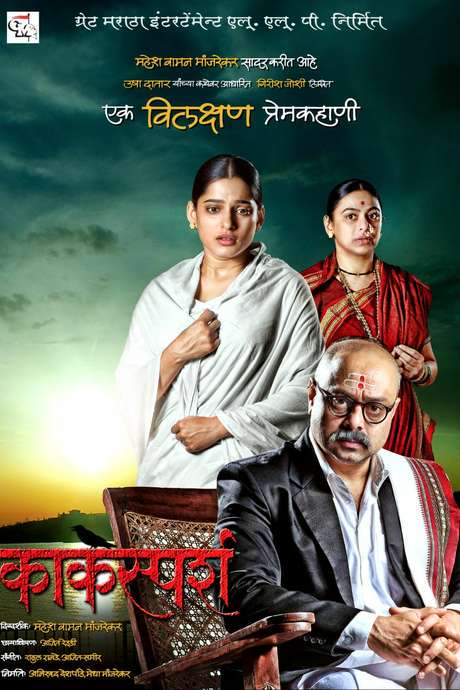
Kaksparsh (2012) movie poster

Characters & Themes

Kaksparsh (2012) Characters, Setting & Themes Explained

Release, runtime and language
2012 · 147 mins · English
Loading streaming availability…
Directed by
Mahesh Manjrekar
Starring
Sachin Khedekar, Ketaki Mategaonkar, Priya Bapat

Uma loses her husband at a very young age and faces many hardships. The only support she gets is from her brother-in-law.

On this page (7)
  1. 1 Where to watch
  2. 2 Characters explained (3)
  3. 3 Where & when it takes place
  4. 4 Themes & meaning (4)
  5. 5 Character & meaning questions
  6. 6 Movie threads
  7. 7 Every angle
Loading streaming availability…

3 main characters · contains spoilers

Kaksparsh Characters Explained: Who Is Who

The main characters of Kaksparsh (2012), heroes and villains: what drives them, how they change over the course of the story and what each of them reveals about the film's bigger ideas.

  • Hari Dada Damle (Sachin Khedekar)

    Head of a traditional Chitpavan Brahmin family in Torgaon, Hari is a guardian figure whose life is defined by duty. He resists social pressure—such as Uma’s head-shaving—and stands by his family through whispers of doubt. His long-standing vow to safeguard Uma frames the plot until love and tragedy force a reckoning with tradition.

    • 🧭 Patriarch
    • 🛡 Protector
    • 🗝️ Duty-bound
    • 🗳️ Vow
  • Uma (Priya Bapat)

    Uma grows from Mahadev’s wife-to-be into the central pillar of the household. She navigates suspicion, illness, and isolation with quiet resolve, and she loves Hari, leading to a defining choice between personal happiness and family duty. Her life culminates in a self-sacrificing act that tests the boundaries of vows.

    • 💫 Widow
    • 🕊️ Compassion
    • 🛡️ Loyal
    • 🪶 Inner strength
  • Young Uma/Durga (Ketaki Mategaonkar)

    Durga, a pre-pubescent girl who is renamed Uma after her union, enters the family through an arranged marriage. Her early life introduces the film’s conflict around ritual purity, duty, and the complexities of consent within tradition. Her later transformation mirrors the emotional stakes of the family’s vows.

    • 👶 Child marriage
    • 🪪 Identity
    • 🧭 Change agent
    • 🧵 Family thread

Last updated: October 03, 2025 at 09:56

Was this helpful?

Setting

Where and When Does Kaksparsh Take Place?

The setting of Kaksparsh (2012): the year and time period, the places and locations, and how they shape the characters, the mood and the tension of the story.

Time period

Location

Torgaon, Konkan

Kaksparsh is set in the Konkan village of Torgaon, where a traditional Chitpavan Brahmin family governs daily life. The setting emphasizes close-knit village customs, rituals, and social pressures that shape every decision. The coast and rural housebound living provide a backdrop for whispered judgments and rigid expectations that the family navigates.

  • 🏘 Village life
  • 🧭 Traditional Brahmin family
  • 🌊 Konkan coast

Last updated: October 03, 2025 at 09:56

Was this helpful?

4 major themes

Kaksparsh Meaning: Themes & Message Explained

What is Kaksparsh (2012) really about? The emotional, social and philosophical themes the film keeps returning to, its symbolism and the message beneath the surface.

  • Duty vs Love

    The story centers on Hari Dada’s unwavering commitment to vows and family duty. His vow to keep Uma from any other man stems from ritual beliefs and the memory of Mahadev’s death rites. When feelings arise between Hari and Uma, the film probes whether tradition should supersede personal connection, and ultimately what it costs to uphold a vow.

  • Ritual vs Individual

    Rituals surrounding Uma’s status as a widow and the shaving of her head symbolize social purity and control. Hari challenges those expectations, standing by Uma against whispers and the community’s pressure. The tension reveals how ritual rules can overshadow individual happiness and wellbeing.

  • Family Bonds

    Hari’s protective stance positions him as the household’s stabilizing force, even as his decisions alienate Uma. The family dynamic—duties to elders, the needs of children, and the understanding of forgiveness—drives much of the film’s emotional arc. Uma’s devotion to the family deepens the sense of duty that binds them.

  • Sacrifice and Tragedy

    Uma’s love for Hari culminates in a tragic sacrifice: she dies to protect the integrity of his vow. The narrative frames her death as the ultimate cost of clinging to tradition at the expense of human connection. Hari is left to confront the price of vows and the limits of duty.

Last updated: October 03, 2025 at 09:56

Was this helpful?

Character & theme questions

Kaksparsh Characters & Meaning: Your Questions Answered

The questions people ask about Kaksparsh (2012): who the characters really are, their relationships, what the symbols mean, where it takes place and what the movie is really about. Each answer contains spoilers.

Q1

Where is Kaksparsh set?

Kaksparsh is set in the village of Torgaon along the Konkan coast in Maharashtra. The story takes place within a traditional Chitpavan Brahmin family, where close-knit village customs, rituals, and social pressures shape every decision the characters make.

  • torgaon
  • konkan
  • village
  • coastal maharashtra
  • chitpavan brahmin
Q2

What role does the Brahmin family play in the story?

The Chitpavan Brahmin family in Torgaon serves as both the setting and the driving force of the narrative. Family honor, ritual purity, and duty to elders dominate daily life. The family must navigate whispered judgments from the community while making decisions that balance tradition against personal happiness.

  • brahmin family
  • tradition
  • honor
  • family duty
  • social pressure
Q3

Who is Hari Dada Damle?

Hari Dada Damle is the head of the traditional Brahmin household in Torgaon. He is portrayed as a guardian figure whose life is defined by duty and commitment to family vows. Despite facing social pressure and community whispers, he stands by his family, particularly protecting Uma from societal expectations like the widow's head-shaving ritual.

  • hari dada
  • guardian
  • family head
  • duty
  • vow
Q4

Who is Uma in the film?

Uma is the central female character who enters the family through an arranged marriage. She transforms from Mahadev's young wife into the pillar of the household after becoming a widow. She navigates suspicion, illness, and isolation with quiet resolve, ultimately developing deep feelings for Hari Dada.

  • uma
  • widow
  • household
  • duty
  • arranged marriage
Q5

Who is Durga or Young Uma?

Durga is a pre-pubescent girl who is renamed Uma after her arranged marriage into the family. Her early life introduces the film's central conflict around ritual purity, consent within tradition, and the complex social expectations placed on young brides. Her transformation mirrors the emotional stakes of the family's vows.

  • durga
  • young uma
  • arranged marriage
  • child bride
  • tradition
Q6

What is the Duty vs Love theme in Kaksparsh?

The film explores the tension between honoring vows and following personal feelings. Hari Dada's unwavering commitment to his vow of protecting Uma from other men stems from ritual beliefs and family duty. When genuine feelings develop between them, the film questions whether tradition should supersede personal connection and what price must be paid to uphold a vow.

  • duty
  • love
  • vow
  • tradition
  • conflict
Q7

What does the Ritual vs Individual theme represent?

The film examines how Hindu widow rituals, particularly the shaving of her head, symbolize social purity and control over women's bodies and lives. Hari challenges these expectations by standing by Uma against community whispers. The tension reveals how ritual rules can overshadow individual happiness and wellbeing in traditional societies.

  • ritual
  • widow
  • head-shaving
  • purity
  • social control
Q8

What is the Family Bonds theme about?

Family Bonds explores the complex dynamics within the household, duties to elders, needs of children, and the understanding of forgiveness. Hari's protective stance makes him the stabilizing force, yet his decisions also alienate Uma. Her deep devotion to the family reinforces the sense of duty that binds all members together despite their conflicts.

  • family
  • household
  • duties
  • forgiveness
  • elder care
Q9

How does Sacrifice and Tragedy feature in the story?

Uma's love for Hari culminates in a tragic self-sacrifice, she dies to protect the integrity of his vow. Her death represents the ultimate cost of clinging to tradition at the expense of human connection. Hari is left to confront the devastating price of vows and the limits of duty when it denies genuine love.

  • sacrifice
  • tragedy
  • death
  • tradition cost
  • vow
Q10

How does the film portray widowhood and social oppression?

Kaksparsh depicts the societal oppression faced by Hindu widows in traditional Brahmin communities. The ritual of head-shaving represents both social purity expectations and the loss of identity for widowed women. The film shows how community whispers and rigid expectations control women's lives, even as individual family members like Hari Dada try to protect them.

  • widow
  • oppression
  • social expectations
  • ritual purity
  • community judgment
Q11

What is the tone and emotional mood of Kaksparsh?

Kaksparsh has a melancholic tone characterized by persistent sadness and loss, from early widowhood to terminal illness and a final tragic death. The pacing is slow and deliberate, focusing on internal struggles and social pressures rather than overt action. However, moments of protective tenderness prevent the film from becoming purely bleak.

  • melancholic
  • sad
  • emotional
  • slow pacing
  • tragic

Movie threads

More Movies Like Kaksparsh, by Mood & Story

Curated lists built around what makes Kaksparsh tick: the same mood, the same kind of story or the same emotional payoff. Each list explains why these movies belong together.

Slow burn tragic family dramas like Kaksparsh

Emotional stories of love, duty, and sacrifice within families bound by tradition. Discover movies similar to Kaksparsh that explore the profound bonds and heartbreaking sacrifices within families. These films share a melancholic tone, slow pacing, and heavy emotional weight, focusing on stories of duty, forbidden love, and grief in traditional settings. If you liked Kaksparsh, you'll appreciate these emotionally rich and character-driven narratives.

  • melancholic
  • somber
  • tender
  • oppressive
  • traditional
  • quiet
  • Tone: melancholic, somber, tragic
  • Pacing: slow, deliberate
Why these movies?

The story pattern: Stories in this thread typically follow families grappling with loss, societal pressure, and forbidden affections. The narrative often builds slowly around a central moral dilemma or a tragic event, exploring the quiet suffering and sacrifices of its characters as they navigate the unyielding rules of their community or tradition.

Why they belong together: These movies are grouped together because they share a core emotional experience: a slow, contemplative exploration of familial duty clashing with personal desire, resulting in a deeply melancholic and often tragic atmosphere. They prioritize character depth and emotional realism over plot twists.

Movies about oppressive traditions like Kaksparsh

Intimate portraits of individuals constrained by rigid social codes and rituals. If you were moved by Kaksparsh's depiction of widowhood and social duty, explore these films that similarly examine life under restrictive customs. These movies often feature characters challenging or succumbing to oppressive traditions, set against a backdrop of village life or closed societies, with a somber and emotionally heavy tone.

  • oppressive
  • traditional
  • somber
  • quiet
  • lonely
  • restrained
  • Tone: somber, melancholic, oppressive
  • Pacing: slow, contemplative
Why these movies?

The story pattern: The narrative pattern involves a protagonist whose personal happiness is in direct conflict with the inflexible rules of their society. The story unfolds through quiet moments of tension, showcasing the subtle ways tradition dictates life, love, and grief, leading to profound personal sacrifice or tragic consequences.

Why they belong together: These films are united by their central theme of societal oppression and its impact on the individual. They create a specific, often melancholic, mood through their setting and focus on the quiet suffering caused by rituals, duties, and unbreakable social codes.

Every angle

Kaksparsh (2012) Explained: Plot, Timeline & Characters

Everything about Kaksparsh in one place: what happens in the plot summary, the timeline in chronological order, the characters and meaning and a spoiler-free summary. What's After the Movie adds the cast, box office and post-credit scenes.

Coming soon on iOS and Android

The Plot Explained Movie Summary App

Plot summaries, endings explained and timelines on your phone. Catch up on any movie in minutes, save your favorites and never miss a twist again.

Be the first to know when we launch. Your email stays private, always.

Learn more about the app