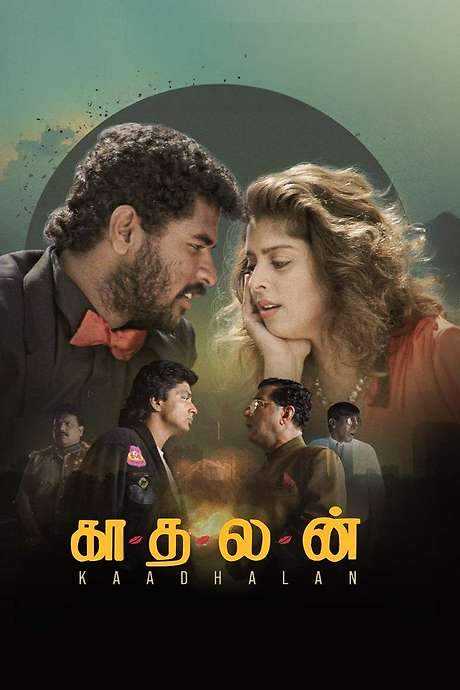
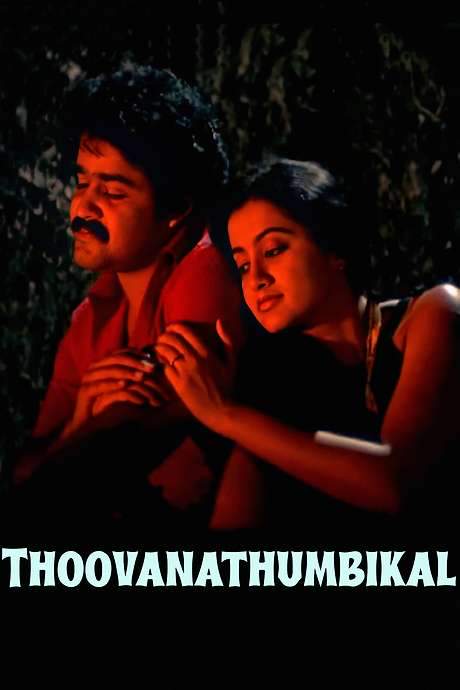
Raja hails from a poor, illiterate family in Tamil Nadu where education is believed to be a privilege of the rich. The community’s harsh reality sees many young boys working from a tender age—in factories or on farms—to help keep their families afloat. [Raja] has a violent alcoholic father who devotes a large share of the meager earnings to drink, while his mother refuses to give up on his dream of finishing college. She pushes him to pursue a graduation and beyond, even as her husband resists funding it and orders him to start work as an accountant for their landlord. This family struggle sets the emotional stage for a story about perseverance, hope, and the power of education.
Eventually, [Raja] heeds his mother’s plea and travels to Mumbai to try for a spot in a premier business school, the Ramachandra Institute of Management Studies. The journey is more than just an academic pursuit: it’s a chance to rewrite a life that his family could barely imagine. The film then shifts into a crucial flashback triggered by a New Year’s Day encounter at a train station, where [Manivannan]—the manager and a veteran observer of life’s twists—speaks with [Raja]. This meeting nudges [Raja] back into the memories of the three formative years that led him to this moment.
Three years earlier, [Raja] arrives in Mumbai with dreams of joining the Ramachandra College of Management, one of the nation’s most prestigious programs. He earns admission despite a modest entrance test rank—an outcome attributed to the college chairman, Dr. Ramachandra, who believes deeply in giving people a chance. The chairman’s backstory is woven into the film: he rose from poverty after his father abandoned the family, and his mother even sold possessions to fund his education. The hardship that shaped Dr. Ramachandra’s resolve grew into a mission to build the best institute in India, a place that would honor the memory of his late wife and the struggle of his daughter, Roja.
Raja’s path to love runs parallel to this dream. He encounters [Roja] through the Internet, and the two begin a long-distance, tentative exchange of photos before meeting in person. Their initial meet in a Mumbai net cafe is surprising—both realize in person that they are closer than they imagined. As they navigate the awkwardness of first impressions, a series of fated miscommunications threatens their budding connection. Raja tries a small test of affection by asking Roja to wear a rose on her head. When her rose falls, he misreads the moment and assumes she does not care, prompting practical counsel from Dr. Ramachandra to write a letter instead.
Raja receives both practical help and moral guidance from Dr. Ramachandra, who assists him in crafting a love letter. Even the chairman’s daughter helps with the writing, though she remains unaware that the letter is meant for Raja. The next day, Raja returns with a pile of books, and Roja, who reads the letter when she flips through his notes, begins to hope—but a misstep occurs when a long-lost friend interrupts and Raja’s attention shifts. He believes Roja’s feelings are not real, and she, in turn, misreads his indifference as final rejection.
To keep the flame alive, Ramachandra again urges Raja to express his feelings, and the moment falls on Lover’s Day. Roja’s circumstances become more complicated when she learns that her father intends to pair her with Rajesh Gupta, a wealthy golf prodigy who has studied abroad and wants to merge his family’s university with Ramachandra’s. Roja makes a last effort to confirm Raja’s love by emailing him, while Raja—out of respect for the man who raised him and who has mentored him like a father—replies with a compassionate but cautious response, leaving Roja to believe he may not reciprocate.
The wedding scene becomes the emotional fulcrum of the film. Raja arrives with the intention of proposing, then steps away to reflect on his own path. Ramachandra overhears the exchange between Raja and his friends and rushes to the train station to stop him from abandoning Roja again. The two race to the wedding hall, but Roja faintly collapses after ingesting poison in a suicidal moment. Raja clasps her in his arms and refuses to relinquish his chance to be with her, earning a life-saving reunion.
The film closes with a quiet, hopeful note: Raja writes to [Manivannan]—the steadfast presence who has watched him grow—describing Roja’s recovery and inviting him to their wedding on Lovers Day in 1999. A brief special appearance by [Rambha] in the song Oh Mariya adds a touch of cinematic ornament to the film’s hopeful ending, while the characters’ journeys underscore themes of perseverance, education, and the redemptive power of love.