Plot Explained Spoilers guaranteed!
Plot Explained

Browse by genre

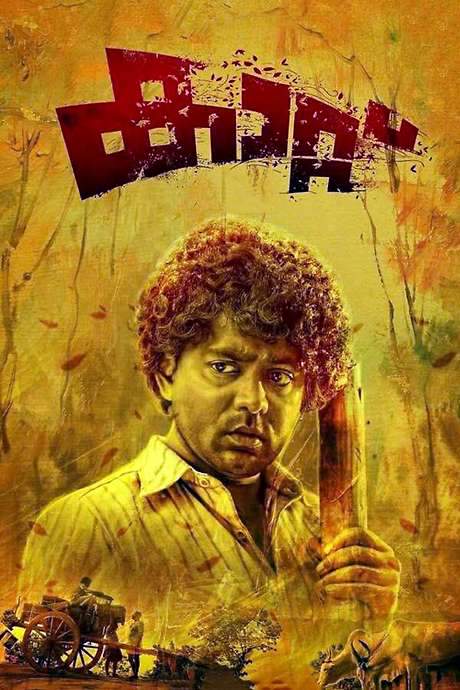
Kadaisi Vivasayi (2021) movie poster

Timeline

Kadaisi Vivasayi (2021) Timeline Explained – Every Event in Order

Release, runtime and language
2021 · 145 mins · Tamil
Echo score 91
Loading streaming availability…
Directed by
M. Manikandan
Starring
Yogi Babu, Vijay Sethupathi, Raichal Rabecca Philip, Muniswaran, Kaalaipandiyan, Nallandi

The Last Farmer Maayandi, the only farmer in a village that has abandoned farming, is charged with a petty case that leads to his imprisonment.

On this page (7)
  1. 1 Where to watch
  2. 2 Events in order (14)
  3. 3 Timeline questions answered
  4. 4 Movie threads
  5. 5 Movies like Kadaisi Vivasayi
  6. 6 Categories
  7. 7 Every angle
Loading streaming availability…

14 events in order · contains spoilers

Kadaisi Vivasayi Timeline: Events in Chronological Order

Every key event of Kadaisi Vivasayi (2021) in order, scene by scene, with when and where it takes place. Use it to untangle flashbacks, time jumps and parallel storylines, to refresh your memory before the sequel or to find the exact scene you are thinking of.

  1. Village assigns Mayandi the symbolic first grain

    The village near Usilampatti designates Mayandi, an eighty-year-old farmer who lives frugally, to provide the symbolic first grain for the temple's annual ceremony. The act marks ritual trust in his steadiness and devotion. The villagers rely on him because other farmers have sold land to financiers.

    When
    Before planting season
    Where
    Usilampatti village
  2. Mayandi plants a new batch of paddy

    Mayandi begins a fresh sowing in his field, tending carefully to the newly planted paddy. He is described as quiet and emotionless, yet he approaches the task with steady diligence. The act sustains the village's ritual needs despite others' abandonment of land.

    When
    During planting
    Where
    Mayandi's field, village
  3. Discovery and burial of dead peafowl

    While tending the crop, Mayandi discovers a peacock and two peahens dead in his cropland. He believes they are vehicles of the god Murugan and buries them in his field as an offering. A fellow villager witnesses the burial, setting off suspicions.

    When
    Day of discovery
    Where
    Mayandi's field
  4. Rumor and arrest for peafowl killing

    The news spreads that Mayandi killed the national bird, the peacock. Police arrest him, alleging a crime for which the evidence is the burial and local rumors. The arrest triggers a deeper inquiry into past peafowl killings and community attitudes.

    When
    shortly after burial
    Where
    Village, then police station
  5. Backstory of peafowl killings and police humiliation

    The film reveals that earlier someone killed peafowl in the village and villagers attacked the investigation; there were no witnesses. The police want to avenge their public humiliation, which fuels their aggressive pursuit of Mayandi. This backstory adds a motive to the case.

    When
    years earlier
    Where
    Village—flashback
  6. Mayandi in court and testimony about the witness

    In court, Mayandi explains that the witness saw only the burial, not the killing itself. He argues the case is built on misinterpreted actions and requests the magistrate to consider the truth. The witness' reprimand to the police for the false filing frames the statutory process.

    When
    during trial
    Where
    Magistrate's court
  7. Revised report delayed by FIR and jail order

    The magistrate orders a revised report, but the filing of a new FIR takes time, delaying the proceedings. To ensure his basic needs, Mayandi is ordered to spend 15 days in jail and to keep his newly planted crop watered. The judge leverages the agricultural need to justify detention.

    When
    during early trial
    Where
    Court and jail
  8. Constable waters the crop; relatives step in

    The magistrate tasks the police constable with watering Mayandi's crop while he is jailed. Over time, the police delay the new report, and Mayandi's relatives in the village take over the watering duties. This shift reflects community involvement in agriculture during legal delays.

    When
    during jail term
    Where
    Field near Mayandi's farm
  9. Pest attack and pesticide debate

    As pests threaten the crop, Mayandi advocates a traditional spray, a laborious method reflecting subsistence farming. A local agrochemical dealer pushes a pesticide alternative, influencing Mayandi's relatives to buy it. The debate underscores the tension between traditional practices and industrial inputs.

    When
    during agricultural delay
    Where
    Mayandi's field, village
  10. Mayandi escapes and finds the crop destroyed

    While waiting for the hearing, Mayandi escapes custody and returns to the field, only to discover the crop has been destroyed. The moment intensifies his resolve to clear his name and salvage the harvest. The destruction adds pressure on the magistrate to resolve the case quickly.

    When
    after escape
    Where
    Field in the village
  11. Magistrate accelerates release and supports new crop

    The magistrate locates Mayandi in the field and pushes for a speedy release, while arranging support for a new crop to be planted and raised in time for the festival. The magistrate's actions tie legal resolution to agricultural continuity and ritual preparations. This moment blends justice with community sustenance.

    When
    immediately after escape
    Where
    Field / courthouse vicinity
  12. Temple festival and caste unity

    The festival honoring Ayyanar deities becomes a convergence of all caste groups, including the village potter whose livelihood was threatened. The community comes together to appease the deities, signaling social harmony despite economic tensions. The ceremony reinforces the symbolic first grain Mayandi was meant to provide.

    When
    festival time
    Where
    Village temple grounds
  13. Ramaiah's madness and quiet sanity

    Parallel to the main plot, Ramaiah descends into insanity after losing his love, and the film hints that he might be the sanest person in a world that seems mad. This perspective adds a layer of social commentary about perception and sanity. His arc runs alongside the central events, offering a counterpoint to Mayandi's restraint.

    When
    throughout the story
    Where
    Village outskirts / mental asylum vibe
  14. Other stories: Thadikozhanthai and the elephant; seeds critique

    Another thread follows Thadikozhanthai and an elephant purchased after selling land to a financier. The film also comments on hybrid seeds, industrial animal feed, and high-input agriculture that threaten sustenance farming. These elements frame the broader critique of modernization.

    When
    throughout the story
    Where
    Village settings

Last updated: October 14, 2025 at 04:08

Was this helpful?

Timeline questions answered

Kadaisi Vivasayi Timeline Explained: Your Questions Answered

When does it happen, and why in that order? The questions people ask about the chronology of Kadaisi Vivasayi (2021): time jumps, flashbacks, cause and effect between scenes and the correct order of events, each answered with spoilers.

Q1

Why was Mayandi arrested for killing peafowl?

Mayandi was arrested after a villager saw him burying dead peafowl in his field. The police accused him of killing India's national bird, the peacock. However, Mayandi only buried the birds he found dead in his cropland, believing they were vehicles of the god Murugan and deserved reverent handling. The arrest was based on the witness seeing the burial, not the actual act of killing.

  • mayandi arrest
  • peafowl
  • false case
  • police
  • village
Q2

Why did the police pursue the case against Mayandi so aggressively?

The police were driven by a desire for vengeance from a past incident. Years earlier, someone killed peafowl in the same village and the police faced public scorn and lack of witnesses during the investigation. This humiliation and frustration colored their subsequent actions, making them determined to pursue Mayandi's case aggressively despite weak evidence.

Foreshadowing: The backstory of previous peafowl killings and police humiliation is revealed early in the film.

  • police
  • revenge
  • humiliation
  • peafowl case
Q3

Why did Mayandi bury the dead peafowl in his field?

Mayandi buried the peacock and two peahens because he believed they were sacred vehicles of the god Murugan. He treated the discovery as a divine sign deserving of respectful handling, not as a crime scene. This act of reverence was witnessed by another villager, leading to the false accusation.

  • murugan
  • sacred
  • burial
  • peacock
  • tradition
Q4

Why did Mayandi receive a 15-day jail sentence despite the magistrate's orders?

The magistrate ordered a revised report and chastised the police for filing a false case. However, because an First Information Report (FIR) had already been filed, changing it requires bureaucratic procedures that take time. The judge imposed a temporary jail stay of fifteen days on Mayandi while the paperwork was processed, even though the case appeared meritless.

  • jail
  • FIR
  • magistrate
  • court
  • delay
Q5

What happened to Mayandi's paddy crop while he was in jail?

The magistrate ordered the police constable to water Mayandi's newly planted crop during his jail term. However, the police delayed revising the report and neglected the field. Eventually, Mayandi's relatives had to take over watering duties. When pests attacked the crop and Mayandi escaped to check on it, he found the field devastated, with the harvest destroyed.

  • crop
  • field
  • jail
  • pest
  • destroyed
Q6

What was the pesticide debate in the film?

When pests attacked Mayandi's crop, there were two approaches. Mayandi advocated for a traditional spray method using time-honored, labor-intensive techniques passed down through generations. Meanwhile, a local agrochemical dealer arrived with modern chemical pesticides. Under economic pressure, Mayandi's relatives purchased the chemical solution, highlighting the tension between traditional farming practices and modern industrial agriculture.

  • pesticide
  • tradition
  • modern
  • farming
  • agrochemical
Q7

Why did Mayandi escape from custody?

Mayandi escaped while awaiting his hearing because he was worried about his newly planted crop that was essential for his and the village's survival. The crop needed constant care during a critical growth period, and with no one properly tending to it, he felt compelled to return to his field to check on the harvest.

  • escape
  • custody
  • crop
  • field
  • worry
Q8

What was the significance of the temple festival in the story?

The temple's annual ceremony honoring Ayyanar deities (including Karuppu Sami) required the symbolic first grain that Mayandi was tasked with providing. This duty represented the village's seasonal rhythm and spiritual life. The festival became a moment where all caste groups had to come together, including the village potter whose livelihood was threatened, reflecting community unity despite economic tensions.

  • festival
  • temple
  • ceremony
  • caste
  • unity
  • ayyanar
Q9

What is the story of Ramaiah in the film?

Ramaiah is a villager who descended into madness after the death of his beloved. Throughout the film, there are quiet hints that he might actually be the sanest voice in a world that seems increasingly irrational. His parallel story serves as a counterpoint to Mayandi's stoic endurance, offering social commentary about perception and sanity in a troubled society.

  • ramaiah
  • madness
  • grief
  • sanity
  • parallel story
Q10

Why did Thadikozhanthai buy an elephant after selling his land?

Thadikozhanthai represents another thread showing how economic forces ripple through the village. After selling his land to a financial institution, he purchased an elephant, illustrating how displacement from traditional livelihoods leads to desperate or unconventional choices. This subplot complements Mayandi's story by showing different ways economic pressures shape village life.

  • thadikozhanthai
  • elephant
  • land sale
  • economic pressure
Q11

Why was Mayandi chosen the symbolic first grain for the temple?

Mayandi was the to provide only farmer left in a village that had abandoned farming. Other villagers had sold their land to financiers, leaving only him to continue cultivation. The elders tasked him with providing the symbolic first grain for the temple's annual ceremony because his field, though possibly barren for others, represented continuity, tradition, and stubborn resilience.

  • first grain
  • temple
  • duty
  • farming
  • tradition
Q12

How did the magistrate help Mayandi's situation?

The magistrate played a complex role in Mayandi's case. He chastised the police for filing a false case and ordered a revised report. When Mayandi escaped and was found surveying his destroyed crop, the magistrate accelerated plans for Mayandi's speedy release and arranged support for a new crop to be planted in time for the festival. This tied legal resolution to agricultural continuity and community ritual.

  • magistrate
  • release
  • crop
  • festival
  • justice
Q13

What critique of modern agriculture does the film present?

The film raises pointed questions about hybrid seeds, industrial animal feed, and high-input agricultural strategies that threaten traditional subsistence farming. It contrasts traditional, patient stewardship of land with quick-fix economic remedies. The narrative highlights how modernization and corporate financial forces push out traditional farmers, undermining local knowledge and community resilience.

  • modern agriculture
  • hybrid seeds
  • tradition
  • farming
  • critique

Movie threads

More Movies Like Kadaisi Vivasayi, by Mood & Story

Curated lists built around what makes Kadaisi Vivasayi tick: the same mood, the same kind of story or the same emotional payoff. Each list explains why these movies belong together.

Movies about quiet resistance like Kadaisi Vivasayi

Stories of dignified individuals standing firm against impersonal forces. For viewers who appreciated the dignified stoicism of Kadaisi Vivasayi, this list features movies with similar themes of individuals confronting bureaucracy and modernity. These films explore personal resilience against larger, impersonal systems, often set against the backdrop of rural or traditional life.

  • stoic
  • resilient
  • contemplative
  • earthy
  • melancholic
  • quiet
  • Tone: melancholic, contemplative
  • Pacing: slow, deliberate
Why these movies?

The story pattern: These narratives often follow an individual, deeply rooted in their values or profession, who is confronted by a changing world or an uncaring authority. The conflict is internal as much as external, focusing on the character's steadfast refusal to compromise their dignity, even in the face of minor but significant injustices.

Why they belong together: These films are grouped by their shared focus on understated, character-driven conflicts with systemic forces. They prioritize mood and thematic depth over plot-heavy action, creating a contemplative and often melancholic experience centered on resilience and the erosion of tradition.

Meditative movies about rural life like Kadaisi Vivasayi

Slow cinema that immerses you in the rhythms and struggles of the countryside. If you liked the immersive, earthy feel of Kadaisi Vivasayi, this collection highlights similar films that capture the essence of rural existence. These stories are slow, observational, and deeply connected to their setting, often dealing with themes of agriculture, community, and the tension between old ways and new realities.

  • earthy
  • contemplative
  • atmospheric
  • quiet
  • melancholic
  • gentle
  • Tone: melancholic, earthy, bittersweet
  • Pacing: slow, observational
Why these movies?

The story pattern: The narrative is often episodic and observational, unfolding with the natural rhythm of the seasons or daily life. Conflict arises from environmental, economic, or social pressures rather than classic villains, emphasizing a sense of place and the quiet drama of survival and change.

Why they belong together: These films are united by their patient, immersive approach to storytelling and their deep reverence for a specific rural environment. They share a slow pacing, a low-key intensity, and a focus on creating a powerful sense of atmosphere and authenticity.

If you liked this

Movies Like Kadaisi Vivasayi

Similar movies to Kadaisi Vivasayi: the same genre, themes or kind of story. Each one comes with its own plot summary, timeline and ending explained.

Browse all movie summaries

Categories

Movie Lists Featuring Kadaisi Vivasayi

Kadaisi Vivasayi appears in these hand-built movie categories. Each one groups movies by a specific mood, theme or story type, with their plot summaries and endings explained.

View all movie categories

Every angle

Kadaisi Vivasayi (2021) Explained: Plot, Timeline & Characters

Everything about Kadaisi Vivasayi in one place: what happens in the plot summary, the timeline in chronological order, the characters and meaning and a spoiler-free summary. What's After the Movie adds the cast, box office and post-credit scenes.

Coming soon on iOS and Android

The Plot Explained Movie Summary App

Plot summaries, endings explained and timelines on your phone. Catch up on any movie in minutes, save your favorites and never miss a twist again.

Be the first to know when we launch. Your email stays private, always.

Learn more about the app