Plot Explained Spoilers guaranteed!
Plot Explained

Browse by genre

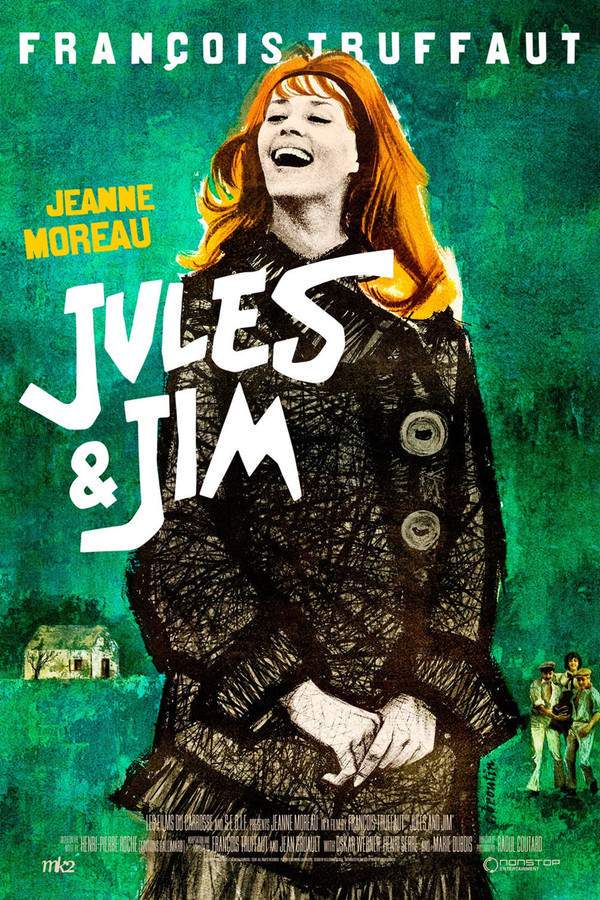
Jules and Jim (1962) movie poster

Plot Summary

Jules and Jim (1962) Plot Summary Explained

Release, runtime and language
1962 · 105 min · French
JustWatch #22,206 5
Starring
Jeanne Moreau, Oskar Werner

Set in the years leading up to World War I, this film explores the complex relationship between two close friends, Jules and Jim. The introspective author Jules and the adventurous Frenchman Jim develop an enduring bond, which is tested by their shared affection for the enchanting Catherine. As they experience love, loss, and the devastation of war, their lives become deeply intertwined, creating a poignant story of friendship, rivalry, and enduring connection.

On this page (7)
  1. 1 Where to watch
  2. 2 What happens: full plot
  3. 3 Plot questions answered
  4. 4 The book behind the movie
  5. 5 Movie threads
  6. 6 Movies like Jules and Jim
  7. 7 Every angle

Where to watch

Where to Watch Jules and Jim (1962)

Where can you watch Jules and Jim? Stream, rent or buy it in the US, including on HBO Max, Kanopy and Amazon Video: current JustWatch availability with up-to-date prices.

Streaming availability powered by JustWatch

Full plot summary · contains spoilers

What Happens in Jules and Jim: Full Plot Summary

The whole story of Jules and Jim (1962) explained, from the opening scene to the final frame: every key event, every twist and what it all adds up to. Read it as a quick recap before the sequel, to check a scene you missed, or to finally understand what really happened.

The film unfolds in the tumultuous era before, during, and after the Great War, traversing varied landscapes across France, Austria, and Germany. At the heart of the story is Jules, a reserved writer from Austria, portrayed by Oskar Werner, who strikes up a bond with the vivacious Frenchman Jim, played by Henri Serre. Their camaraderie is forged over a shared passion for art and the alluring Bohemian lifestyle. Their lives take a fascinating turn during a slide show, where they both become captivated by the image of a serene goddess. This leads them on a romantic journey to the Adriatic Sea to find the actual statue.

Their encounters introduce them to the spirited and unpredictable Catherine, a character brought to life by Jeanne Moreau. Catherine’s resemblance to the statue and her lively disposition draws both men to her, and although she begins a romantic relationship with Jules, her magnetic presence influences both men profoundly. Meanwhile, Jim maintains a separate relationship with Gilberte, often meeting her apart from his friends.

As the war looms, the two men’s lives are forever altered; Jules and Catherine prepare for marriage in Austria while both serve in the war, facing the dread of potentially confronting each other in battle. Following the conflict, Jim visits Jules and Catherine, who now have a daughter named Sabine. Jules confides his marital struggles to Jim, revealing that Catherine's flirtations and infidelity weigh heavily on him. In a desperate move, Jules encourages Jim to pursue Catherine to sustain his connection with her.

Their unorthodox living arrangements lead to a brief period of happiness until a desire for children creates tension between Jim and Catherine. After Jim returns to Paris, a series of letters between him and Catherine unfolds, only to be interrupted by the tragic news of her miscarriage.

Upon reuniting in Paris, Jim discovers Jules and Catherine have returned. In a climactic turn, Catherine, seeking to rekindle their past connection, confronts Jim in a cafe and later proposes a ride, leading to a deadly plunge into the river—in a haunting echo of her earlier actions when she leaped into the Seine. The aftermath leaves Jules to grapple with the loss of both friends, reflecting on the ephemeral nature of love and the weight of societal expectations on individual desires.

Through this intricate tale of love and loss, the film delves into the essence of freedom, connection, and the sacrifices made in the name of love, ultimately leaving Jules to carry the memories of those he cherished while navigating a world reshaped by the war and personal tragedy.
Last updated: November 16, 2024 at 14:29

Was this helpful?

Plot questions answered

Jules and Jim Plot Explained: Your Questions Answered

The questions people ask most about Jules and Jim (1962): what happens in the confusing scenes, why the characters do what they do, the twists, hidden details and what the ending means. Each answer contains spoilers.

Q1

Why does Jules encourage Jim to pursue Catherine?

Jules encourages Jim to pursue Catherine because he feels he is losing her to her constant flirting and infidelity. Rather than losing Catherine entirely, Jules believes that if Jim also has a relationship with her, it will maintain some connection to her. This desperate decision stems from Jules' inability to hold onto Catherine on his own, and his belief that sharing her is preferable to being completely abandoned.

Foreshadowing: Earlier, Jules and Jim bond over their shared fascination with a statue of a serene goddess, establishing their willingness to share interests and desires.

  • jules
  • catherine
  • jim
  • infidelity
  • marriage
  • love triangle
Q2

Why does Catherine drive into the river?

Catherine drives into the river as a deliberate act of suicide, mirroring an earlier moment when she leaped into the Seine to get Jim's attention. Her final plunge is an echo of this earlier reckless act, but this time it is fatal. The act appears to be driven by her desire to rekindle her past connection with Jim and her inability to accept the changes in their relationship over the years.

Foreshadowing: Catherine's earlier jump into the Seine while calling out to Jim foreshadows her final, fatal act of driving into the river.

  • catherine
  • river
  • suicide
  • death
  • final scene
Q3

What motivates Catherine's behavior throughout the film?

Catherine is driven by an intense desire for freedom, connection, and validation. She is captivated by the Bohemian lifestyle and resists societal expectations. Her flirtatiousness and infidelity are not merely destructive, they reflect her struggle against being confined by conventional relationships. However, her unpredictable nature also stems from deeper emotional instability, ultimately leading to tragic consequences.

Foreshadowing: The opening slide show features a statue of a goddess, and Catherine's resemblance to this serene but unreachable figure establishes her as both captivating and unattainable.

  • catherine
  • freedom
  • personality
  • motivation
  • bohemian
Q4

What is the significance of the statue Jules and Jim search for?

The statue represents an idealized, unattainable form of feminine beauty and perfection that both men seek. Their quest to find the actual statue by the Adriatic Sea establishes the film's central theme of searching for idealized love. When they discover Catherine, who resembles the statue, they believe they have found this goddess-like figure in human form, setting up the love triangle that defines the story.

Foreshadowing: The slide show scene at the film's beginning directly establishes the statue as the object of the men's obsession, which leads them to Catherine.

  • statue
  • goddess
  • adriatic
  • search
  • idealized love
Q5

How does the war affect Jules and Jim's friendship?

The war strains Jules and Jim's friendship because they find themselves on opposite sides, Jules fights for Austria while Jim fights for France. They fear facing each other as enemies on the battlefield, which adds existential tension to their relationship. After the war, their reunion is bittersweet, complicated by Jules' marital struggles with Catherine. The war also serves as a backdrop that amplifies the fragility of their bonds and the uncertainty of their futures.

Foreshadowing: The film establishes their friendship in the pre-war bohemian period, making the outbreak of war a clear turning point that threatens their connection.

  • world war 1
  • austria
  • france
  • jules
  • jim
  • battlefield
Q6

Why does Jules stay with Catherine despite her infidelity?

Jules remains with Catherine because he is deeply captivated by her, much like his fascination with the statue. Even when she betrays him, Jules cannot let go of his idealization of her. His love is intertwined with his artistic and romantic ideals, making it emotionally impossible for him to abandon Catherine despite her repeated infidelities. He even goes so far as to invite Jim into their relationship rather than lose Catherine completely.

Foreshadowing: Jules' initial attraction to Catherine stems from her resemblance to the goddess statue, suggesting his love is partly rooted in idealized perfection rather than realistic connection.

  • jules
  • catherine
  • marriage
  • infidelity
  • devotion
Q7

What happens after Catherine's miscarriage?

Catherine's miscarriage occurs when Jim has returned to Paris, leaving her alone. The tragic news arrives through letters, devastating both Catherine and Jim. This event represents the final destruction of their hope for a family together and deepens the sorrow that pervades the latter part of the film. The miscarriage symbolizes the collapse of their dreams for a shared future and contributes to the overall tragic atmosphere.

Foreshadowing: Earlier tension arises when Jim and Catherine argue about wanting children, establishing this desire as important to their relationship.

  • catherine
  • miscarriage
  • jim
  • letter
  • paris
Q8

What happens to Jim at the end of the film?

Jim dies when Catherine deliberately drives their car into the river. Unlike Catherine, Jim does not intend to die, he is simply caught in her fatal act. The film ends with Jules surviving both of them, left alone to reflect on their intertwined lives and the nature of love. Jim's death is sudden and violent, serving as the tragic climax that closes the love triangle.

Foreshadowing: Catherine's earlier leap into the Seine establishes her pattern of dramatic, life-threatening gestures that ultimately escalate to murder-suicide.

  • jim
  • death
  • catherine
  • river
  • car
  • drowning
Q9

What does the film say about freedom versus societal expectations?

The film explores how the pursuit of personal freedom and bohemian ideals clashes with societal expectations. Jules, Catherine, and Jim live outside conventional norms, yet their relationships ultimately bring suffering. The war itself represents an external force that disrupts their idealistic lifestyle. The tragic ending suggests that complete freedom without consideration for others can lead to destruction, while also critiquing the societal constraints that suffocate authentic connection.

Foreshadowing: The men's initial bohemian lifestyle and rejection of conventional values sets up the conflict between personal freedom and the consequences that follow.

  • freedom
  • society
  • bohemian
  • war
  • expectations
  • relationships
Q10

Why do Jules, Catherine, and Jim live together?

Jules proposes that Jim live with him and Catherine as a solution to his fear of losing Catherine entirely. This unconventional arrangement represents an attempt at open love and freedom from jealousy. For a brief period, the three experience happiness together. However, the arrangement eventually fails when Jim and Catherine desire children and a more traditional life, leading to tension and Jim's departure to Paris.

Foreshadowing: Jules' earlier plea for Jim to pursue Catherine establishes his willingness to share his wife rather than lose her.

  • jules
  • catherine
  • jim
  • living arrangement
  • relationship
  • polyamory
Q11

Why does Catherine jump into the Seine earlier in the film?

Catherine jumps into the Seine to get Jim's attention and rekindle his interest in her. This dramatic act demonstrates her willingness to use extreme gestures to maintain connections and control her relationships. The jump foreshadows her final, fatal act when she drives into the river, in both cases, she uses water and danger as a means of emotional manipulation or expression. The earlier survival contrasts painfully with her ultimate death.

Foreshadowing: This early jump establishes Catherine's pattern of reckless behavior and her use of dramatic gestures to control those around her.

  • catherine
  • seine
  • jump
  • water
  • suicide attempt
Q12

What happens to Sabine, Jules and Catherine's daughter?

Sabine is the daughter born to Jules and Catherine after the war. While she represents their attempt at a conventional family life, the film does not detail her fate. She exists primarily as a symbol of their failed family unit and as a reminder of the traditional life that Catherine ultimately rejects. The focus remains on the tragic adult relationships rather than the child's outcome.

Foreshadowing: The birth of Sabine represents a hopeful moment in the post-war section, but the subsequent tensions about wanting more children reveal the instability of their family.

  • sabine
  • daughter
  • jules
  • catherine
  • family

Movie threads

More Movies Like Jules and Jim, by Mood & Story

Curated lists built around what makes Jules and Jim tick: the same mood, the same kind of story or the same emotional payoff. Each list explains why these movies belong together.

Melancholic love triangles spanning decades like Jules and Jim

Complex relationships tested by time, jealousy, and the weight of history. Explore movies similar to Jules and Jim that feature complex, decades-spanning love triangles. If you liked the deep character study and tragic romantic dynamics of Jules and Jim, you'll find more poignant dramas about friendship, rivalry, and enduring but doomed love here.

  • melancholic
  • tragic
  • romantic
  • nostalgic
  • reflective
  • poignant
  • Tone: melancholic, tragic, reflective
  • Pacing: variable, character-driven
Why these movies?

The story pattern: Stories in this thread typically follow a trio of characters whose romantic entanglements are drawn out over a significant period, often against a backdrop of historical change. The narrative explores the shifting dynamics of friendship, passion, and rivalry, usually culminating in a sense of loss or tragic inevitability.

Why they belong together: These movies are grouped together for their shared focus on the emotional toll of long-term, complex romantic relationships. They possess a melancholic tone, a reflective pace, and a heavy emotional weight stemming from their exploration of love, time, and fate.

Movies about bohemian lives and tragic destinies like Jules and Jim

Stories of free-spirited artists and intellectuals whose passions lead to ruin. Find films similar to Jules and Jim that explore the bohemian lifestyle and its consequences. If you enjoyed the portrayal of artistic freedom, complex relationships, and the bittersweet nostalgia for a lost world in Jules and Jim, this collection offers more stories of passionate lives heading towards tragedy.

  • bohemian
  • nostalgic
  • tragic
  • romantic
  • melancholic
  • artistic
  • Tone: nostalgic, melancholic, tragic
  • Pacing: variable, beginning lively
Why these movies?

The story pattern: The narrative pattern revolves around characters living outside mainstream society, often artists or intellectuals, who embrace a life of passion and freedom. Their initial idealism and joy are gradually overshadowed by internal conflicts, jealousy, and a fate that leans towards tragedy, reflecting on the cost of a life lived without limits.

Why they belong together: These films share a specific mood blend of nostalgic romanticism and impending tragedy, set within a bohemian milieu. They are united by a variable pacing that moves from lively freedom to somber reflection, and a tone that is ultimately melancholic.

If you liked this

Movies Like Jules and Jim

Similar movies to Jules and Jim: the same genre, themes or kind of story. Each one comes with its own plot summary, timeline and ending explained.

Browse all movie summaries

Every angle

Jules and Jim (1962) Explained: Plot, Timeline & Characters

Everything about Jules and Jim in one place: what happens in the plot summary, the timeline in chronological order, the characters and meaning and a spoiler-free summary. What's After the Movie adds the cast, box office and post-credit scenes.

Coming soon on iOS and Android

The Plot Explained Movie Summary App

Plot summaries, endings explained and timelines on your phone. Catch up on any movie in minutes, save your favorites and never miss a twist again.

Be the first to know when we launch. Your email stays private, always.

Learn more about the app