Journey to the West: Conquering the Demons
Year: 2013
Runtime: 110 mins
Language: Chinese
Director: Stephen Chow
In a world beset by demonic forces causing widespread suffering, young demon hunter Tang Sanzang embarks on a perilous journey. He must confront terrifying demons and navigate treacherous obstacles while also contending with a skilled and alluring demon hunter woman. Their paths intertwine as Tang Sanzang seeks enlightenment and battles to protect humanity from the encroaching darkness.
Warning: spoilers below!
Haven’t seen Journey to the West: Conquering the Demons yet? This summary contains major spoilers. Bookmark the page, watch the movie, and come back for the full breakdown. If you're ready, scroll on and relive the story!
Timeline – Journey to the West: Conquering the Demons (2013)
Trace every key event in Journey to the West: Conquering the Demons (2013) with our detailed, chronological timeline. Perfect for unpacking nonlinear stories, spotting hidden connections, and understanding how each scene builds toward the film’s climax. Whether you're revisiting or decoding for the first time, this timeline gives you the full picture.
Last Updated: October 03, 2025 at 06:48

Explore Movie Threads
Discover curated groups of movies connected by mood, themes, and story style. Browse collections built around emotion, atmosphere, and narrative focus to easily find films that match what you feel like watching right now.
Bittersweet Fantasy Quests like Journey to the West: Conquering the Demons
Epic journeys where victory is shadowed by profound personal sacrifice.If you enjoyed the mix of high-stakes fantasy action and heartfelt sacrifice in Journey to the West: Conquering the Demons, explore movies that share this theme. These films combine epic heroism with a bittersweet tone, where the battle is won but the journey leaves emotional scars.

Avengers: Endgame
2019
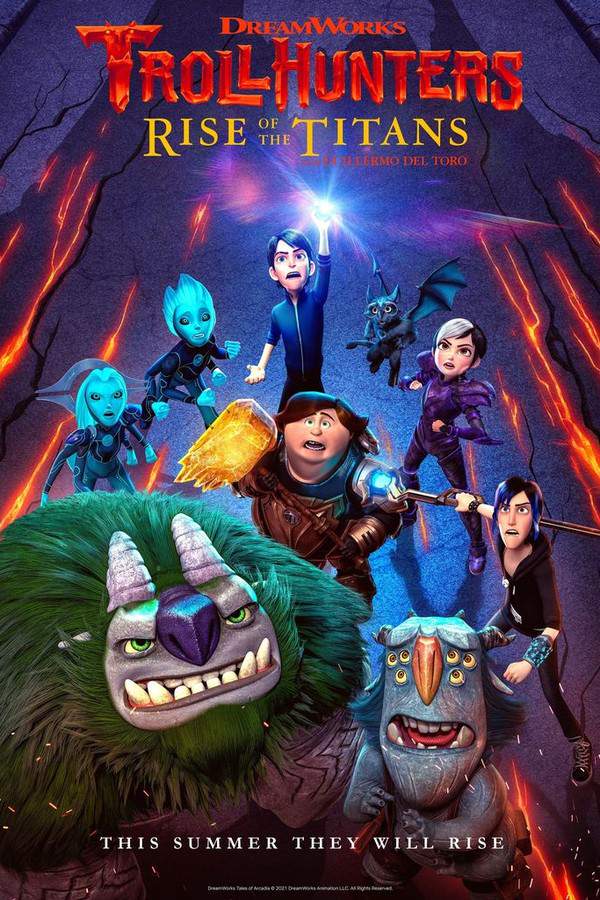
Trollhunters: Rise of the Titans
2021
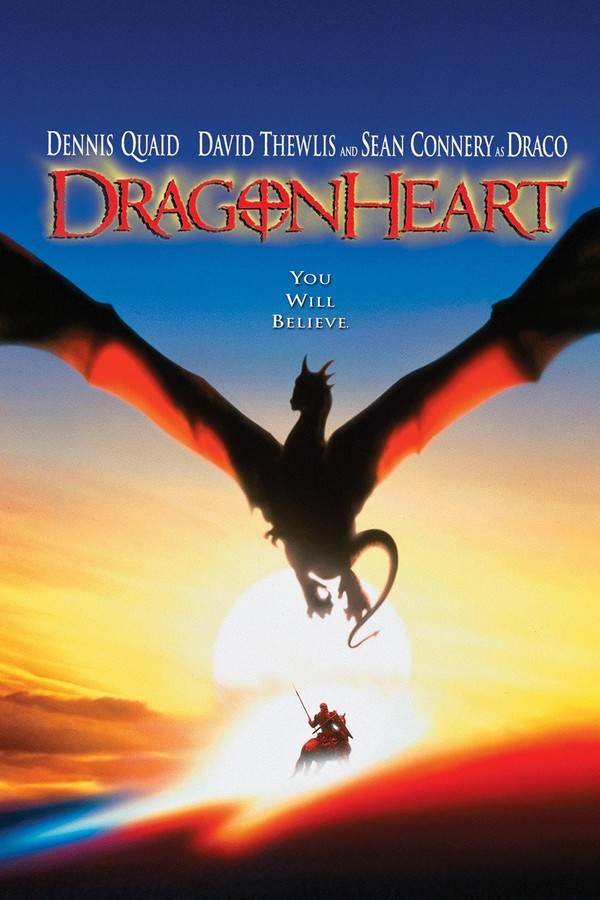
DragonHeart
1996

Big Fish & Begonia
2018

The Princess and the Warrior
2001
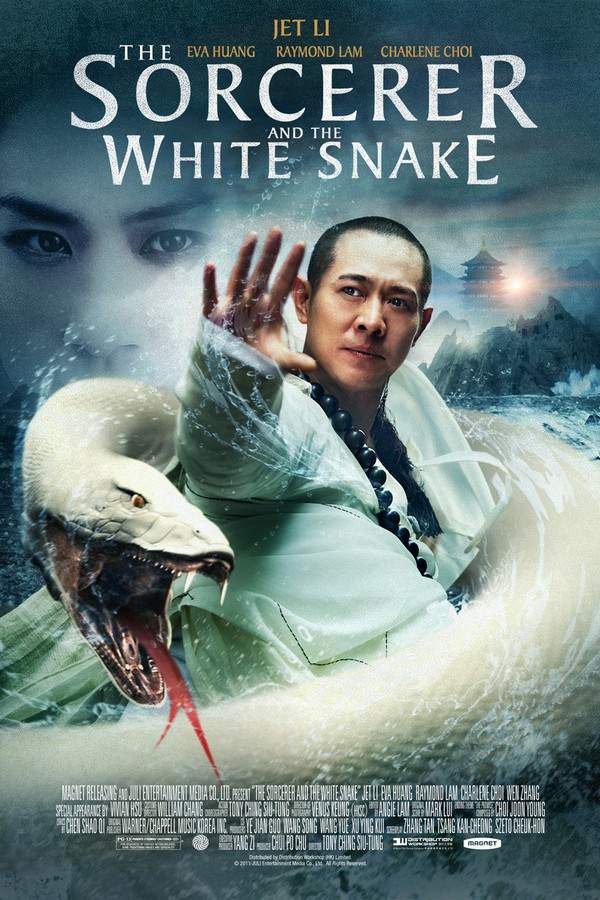
The Sorcerer and the White Snake
2013
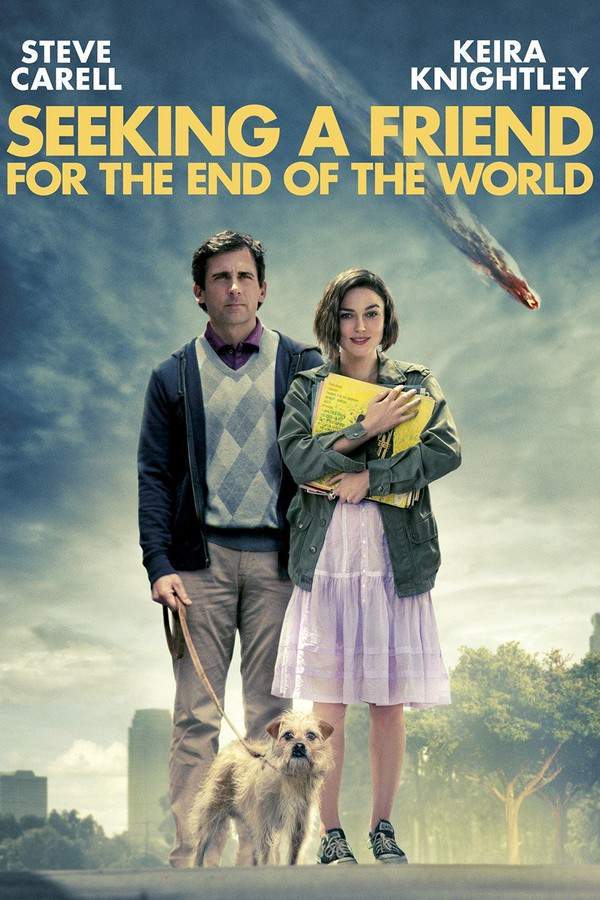
Seeking a Friend for the End of the World
2012
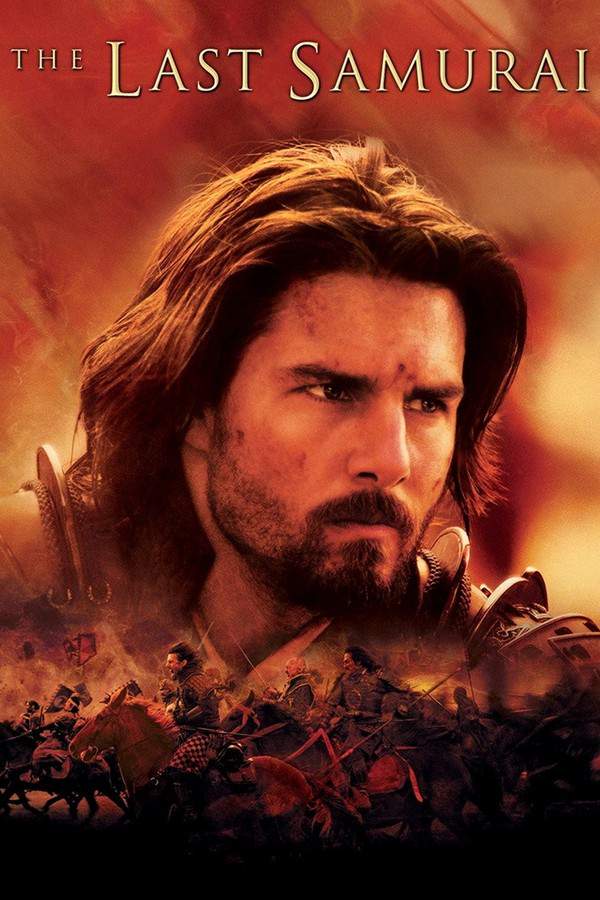
The Last Samurai
2003
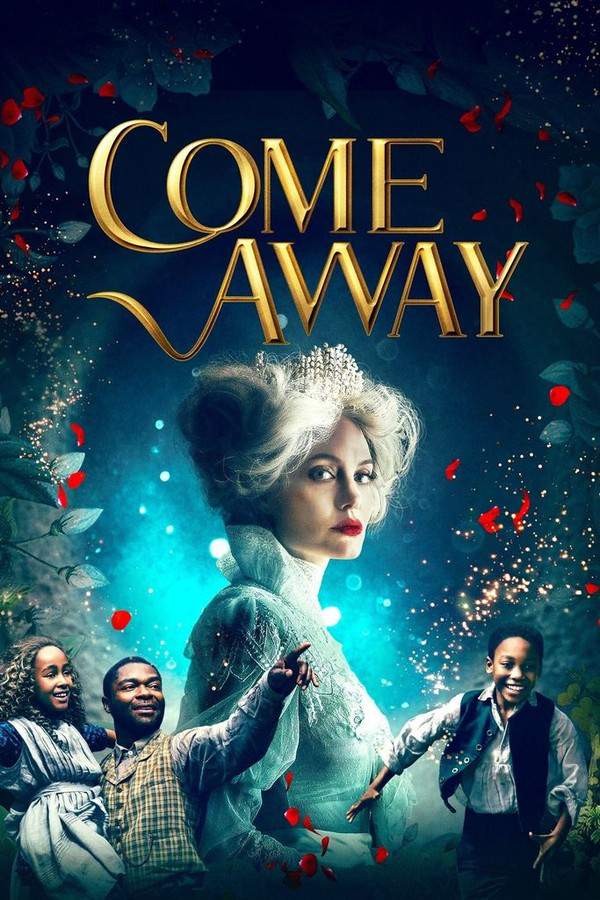
Come Away
2020
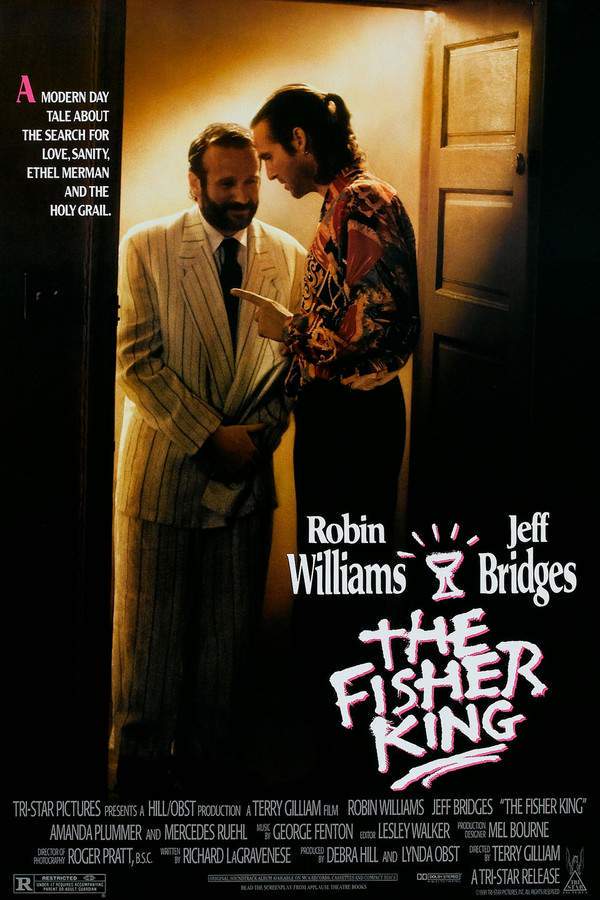
The Fisher King
1991
Journey to the West: Conquering the Demons
2013

Gintama: The Movie 2: The Final Chapter: Be Forever Yorozuya
2013

Digimon Adventure: Last Evolution Kizuna
2020

Gintama: The Semi-Final
1000

Battle Cry
1955
Narrative Summary
The narrative follows a hero on a critical mission to save their world, facing formidable foes and forming deep bonds along the way. The climax resolves the external threat, but often through a tragic loss or a heavy personal sacrifice, redefining the meaning of victory for the protagonist.
Why These Movies?
These movies are grouped together because they masterfully blend spectacular fantasy action with deep emotional stakes. They share a tone where hope and heroism are tempered by loss, creating a powerful and memorable viewing experience that resonates long after the credits roll.
Funny but Heavy Action Movies like Journey to the West: Conquering the Demons
Action-packed comedies where laughter coexists with genuine emotional stakes.Fans of the comedic tone and intense emotional drama in Journey to the the West will enjoy these similar movies. Discover action comedies that aren't just silly, but also pack a significant emotional punch, blending hilarious character interactions with high-stakes stories.
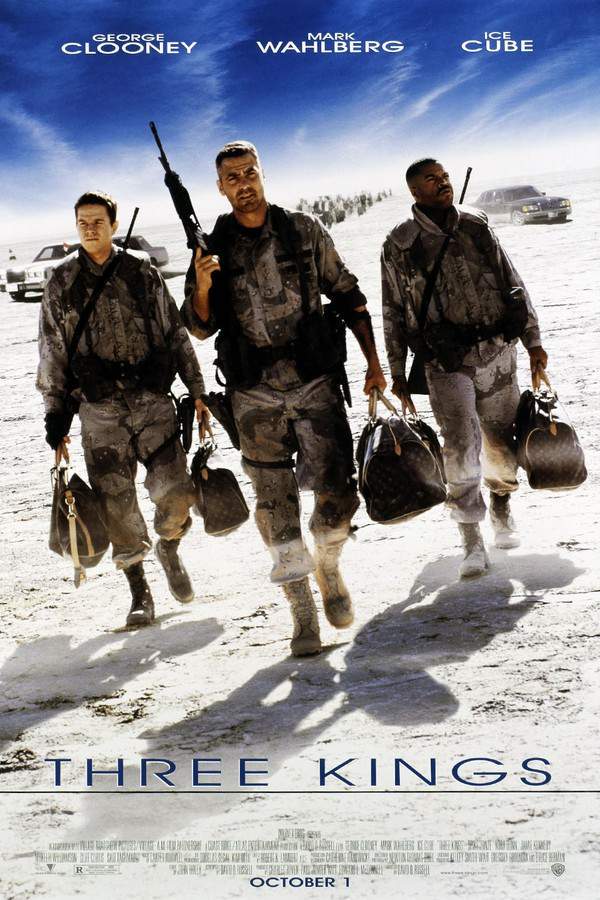
Three Kings
1999

Jack Brooks: Monster Slayer
2008
Journey to the West: Conquering the Demons
2013

The Legend of Barney Thomson
2015

Blackmail
2018

Free Jimmy
2006

Hum
1991

Straight to Hell
1987

Troma’s War
1988

Funny Man
1994

The Three Swordsmen
1994

ZMD: Zombies of Mass Destruction
2009

The Anonymous Heroes
1971

Knockin’ on Heaven’s Door
1997

In China They Eat Dogs
1999
Narrative Summary
The narrative uses comedy as a tool for character development and to provide relief from tense situations, but the plot maintains serious stakes. A central relationship or tragic event grounds the film, ensuring the humor enhances rather than undermines the emotional journey, leading to a resonant conclusion.
Why These Movies?
These films are grouped because they achieve a delicate balance, making audiences laugh while also making them care deeply. The shared vibe is one of tonal duality—fast-paced, funny action on the surface, with a heartfelt, sometimes sorrowful, emotional undercurrent.
Unlock the Full Story of Journey to the West: Conquering the Demons
Don't stop at just watching — explore Journey to the West: Conquering the Demons in full detail. From the complete plot summary and scene-by-scene timeline to character breakdowns, thematic analysis, and a deep dive into the ending — every page helps you truly understand what Journey to the West: Conquering the Demons is all about. Plus, discover what's next after the movie.
Journey to the West: Conquering the Demons Summary
Read a complete plot summary of Journey to the West: Conquering the Demons, including all key story points, character arcs, and turning points. This in-depth recap is ideal for understanding the narrative structure or reviewing what happened in the movie.

Characters, Settings & Themes in Journey to the West: Conquering the Demons
Discover the characters, locations, and core themes that shape Journey to the West: Conquering the Demons. Get insights into symbolic elements, setting significance, and deeper narrative meaning — ideal for thematic analysis and movie breakdowns.

Journey to the West: Conquering the Demons Spoiler-Free Summary
Get a quick, spoiler-free overview of Journey to the West: Conquering the Demons that covers the main plot points and key details without revealing any major twists or spoilers. Perfect for those who want to know what to expect before diving in.