Plot Explained Spoilers guaranteed!
Plot Explained

Browse by genre

Journey to the West: Conquering the Demons (2013) movie poster

Characters & Themes

Journey to the West: Conquering the Demons (2013) Characters, Setting & Themes Explained

Release, runtime and language
2013 · 110 mins · Chinese
Loading streaming availability…
Directed by
Stephen Chow
Starring
Xing Yu, Huang Bo, Chiu Chi-Ling, Chrissie Chau, Wen Zhang, Steven Fung Min-Hang

In a world beset by demonic forces causing widespread suffering, young demon hunter Tang Sanzang embarks on a perilous journey. He must confront terrifying demons and navigate treacherous obstacles while also contending with a skilled and alluring demon hunter woman. Their paths intertwine as Tang Sanzang seeks enlightenment and battles to protect humanity from the encroaching darkness.

On this page (7)
  1. 1 Where to watch
  2. 2 Characters explained (6)
  3. 3 Where & when it takes place
  4. 4 Themes & meaning (4)
  5. 5 Character & meaning questions
  6. 6 Movie threads
  7. 7 Every angle
Loading streaming availability…

6 main characters · contains spoilers

Journey to the West: Conquering the Demons Characters Explained: Who Is Who

The main characters of Journey to the West: Conquering the Demons (2013), heroes and villains: what drives them, how they change over the course of the story and what each of them reveals about the film's bigger ideas.

  • Tang Sanzang (Wen Zhang)

    A calm, compassionate monk on a quest for enlightenment who believes in humane treatment of demons. He often questions brutal shortcuts, choosing mercy over vengeance even when faced with lethal threats. His growth is shaped by Master Nameless and his interactions with Duan and the Monkey King.

    • 🧭 Compassionate
    • 🕊️ Humble
    • 🗺️ Enlightenment-seeker
  • Miss Duan / Shu Qi

    A renowned demon hunter who pursues the demon with pragmatic ruthlessness, often manipulating situations to capture it as a puppet. She is drawn to Sanzang but misreads his restraint as weakness, leading to a bitter, complicated dynamic.

    • ⚔️ Demon-hunter
    • 🧪 Pragmatic
  • Monkey King / Sun Wukong (Ge Xingyu)

    The imprisoned trickster who has been confined for five hundred years and is awakened by Sanzang's actions. A formidable force of power and cunning, he tests loyalty, restraint, and the path to enlightenment through direct confrontation.

    • 🐵 Trickster
    • 👑 Enigmatic
  • Pig Demon / KL Hog (Chen Bingqiang)

    A monstrous demon in disguise whose violence erupts in the couple's restaurant, leaving a trail of victims before re-emerging as the plot unfolds. The demon's deception and brutality challenge Sanzang's peaceful philosophy.

    • 🐷 Monster
    • 🪄 Deceptive
  • Master Nameless / Cheng Si-Han

    A wise, quiet mentor whose humanist philosophy anchors Sanzang's journey. His guidance emphasizes enlightenment over vengeance and helps Sanzang find strength in restraint rather than aggression.

    • 🧙‍♂️ Sage
    • 🧭 Guidance
  • Taoist Priest / Steven Fung Min-Hang

    A stern priest who claims the creature is the demon everyone fears. His provocations stir conflict in the village and among demon hunters, highlighting the tension between fear-driven leadership and measured mercy.

    • 🪶 Priest
    • 🗡️ Authority

Last updated: October 03, 2025 at 06:37

Was this helpful?

Setting

Where and When Does Journey to the West: Conquering the Demons Take Place?

The setting of Journey to the West: Conquering the Demons (2013): the year and time period, the places and locations, and how they shape the characters, the mood and the tension of the story.

Time period

Ancient mythic era, pre-Journey to the West

The tale unfolds in a mythic past before the canonical Journey to the West. The world is at a tense boundary where mercy and monsters collide, shaping the characters' choices. Monstrous threats and humane temptations drive Sanzang to seek enlightenment rather than revenge. The narrative frames these events as a precursory voyage toward spiritual awakening.

Location

Riverside village, Empty restaurant, Lotus garden cave, Desert road to the West

A quiet riverside village is the initial setting, where locals are unsettled by an aquatic menace. An empty restaurant becomes a site of brutal violence as the pig demon strikes, leaving behind fear and casualties. Beneath a lotus garden lies a hidden cave where the Monkey King has been imprisoned for five hundred years, turning the landscape into a stage for mythic conflict. The journey ultimately leads toward the vast desert road to the west, where Sanzang and his companions press on toward their destiny.

  • 🏞️ Riverside setting
  • 🏯 Ancient village
  • 🗺️ Mythic landscape

Last updated: October 03, 2025 at 06:37

Was this helpful?

4 major themes

Journey to the West: Conquering the Demons Meaning: Themes & Message Explained

What is Journey to the West: Conquering the Demons (2013) really about? The emotional, social and philosophical themes the film keeps returning to, its symbolism and the message beneath the surface.

  • Mercy vs Vengeance

    Sanzang's humane, mercy-driven approach clashes with Miss Duan's brutal demon-hunting mindset. The villagers' fear fuels quick, violent answers, challenging the protagonists' more compassionate path. The act of reforming or transforming the demon, rather than simply destroying it, highlights the struggle between mercy and vengeance.

  • Enlightenment

    Sanzang's pursuit of nirvana is tested by the harsh realities of demon-fighting and the mentor's guidance from Master Nameless. Suffering, loss, and difficult choices become catalysts for inner growth. The nursery rhyme and sutra interplay shows how wisdom can arise from hardship, not mere power.

  • Humanism

    The film centers on humane themes, treating demons as beings with potential for transformation, not mere monsters. The nursery rhyme book reinterpreted as Buddhist sutra softens the line between hunter and hunted. Compassion and restraint guide Sanzang toward a path of enlightenment rather than domination.

  • Power & Control

    The Monkey King's rage tests the limits of power and how it should be wielded. The dynamic with Miss Duan demonstrates how desire and control can corrupt judgment, even among skilled hunters. Binding power with the ring and the master’s guidance reveals power tempered by wisdom and restraint.

Last updated: October 03, 2025 at 06:37

Was this helpful?

Character & theme questions

Journey to the West: Conquering the Demons Characters & Meaning: Your Questions Answered

The questions people ask about Journey to the West: Conquering the Demons (2013): who the characters really are, their relationships, what the symbols mean, where it takes place and what the movie is really about. Each answer contains spoilers.

Q1

Where does the story take place?

The movie begins in a quiet riverside village where locals fear an aquatic menace, then moves to an empty restaurant that becomes a site of violence. A hidden cave beneath a lotus garden serves as the Monkey King's prison for five hundred years. The journey ultimately leads toward the vast desert road to the west, representing the classic pilgrimage route.

  • riverside village
  • lotus garden cave
  • desert road
  • setting
  • locations
Q2

When is the movie set?

The story takes place in an ancient mythic era, specifically before the canonical Journey to the West. This prequel setting places the narrative in a timeless world where demons, monks, and mythical creatures coexist, before the famous pilgrimage that Sanzang will later undertake.

  • ancient era
  • mythic period
  • time setting
  • pre-Journey to the West
Q3

Who is Tang Sanzang in this movie?

Tang Sanzang is a calm, compassionate monk on a quest for enlightenment who believes in the humane treatment of demons. Unlike other demon hunters, he chooses mercy over vengeance even when facing lethal threats. His philosophy challenges the brutal methods of other hunters and drives his personal journey toward spiritual growth.

  • Tang Sanzang
  • monk
  • protagonist
  • compassion
  • enlightenment
Q4

Who is Miss Duan and what is her role?

Miss Duan (played by Shu Qi) is a renowned demon hunter who pursues demons with pragmatic ruthlessness. She often manipulates situations to capture demons as puppets rather than destroy them. Her complex relationship with Sanzang creates tension as she misreads his compassionate restraint as weakness, leading to a bitter dynamic between them.

  • Miss Duan
  • demon hunter
  • Shu Qi
  • antagonist
  • love interest
Q5

Who is the Monkey King and why is he imprisoned?

The Monkey King (Sun Wukong) is a formidable trickster god who has been confined in a hidden cave beneath a lotus garden for five hundred years. He represents raw power and cunning. His imprisonment sets the stage for his awakening by Sanzang, after which he becomes a central figure testing the limits of loyalty and the path to enlightenment.

  • Monkey King
  • Sun Wukong
  • imprisoned
  • cave
  • five hundred years
Q6

What is the theme of mercy versus vengeance about?

The movie explores the conflict between Sanzang's mercy-driven approach and Miss Duan's brutal demon-hunting mindset. The villagers' fear fuels violent solutions, challenging the protagonists' more compassionate path. The story highlights how reforming or transforming demons rather than destroying them represents the struggle between mercy and vengeance.

  • mercy
  • vengeance
  • compassion
  • demon transformation
  • moral conflict
Q7

What does the enlightenment theme represent?

Sanzang's pursuit of nirvana is tested by demon-fighting and guidance from Master Nameless. Suffering, loss, and difficult choices become catalysts for inner growth. The film shows how wisdom arises from hardship rather than mere power, using the nursery rhyme and sutra interplay to demonstrate that enlightenment comes through experience and compassion.

  • enlightenment
  • nirvana
  • spiritual growth
  • wisdom
  • Master Nameless
Q8

How does the movie portray humanism?

The film centers on humane themes, treating demons as beings with potential for transformation rather than mere monsters. The reinterpretation of a nursery rhyme book as a Buddhist sutra blurs the line between hunter and hunted. Compassion and restraint guide Sanzang toward enlightenment rather than domination, emphasizing that all beings can change.

  • humanism
  • compassion
  • demon transformation
  • Buddhism
  • mercy
Q9

What is the message about power and control?

The Monkey King's rage tests how power should be wielded. His dynamic with Miss Duan shows how desire and control can corrupt judgment among skilled hunters. The ring that binds the Monkey King and Master Nameless's guidance reveal that power must be tempered by wisdom and restraint to avoid corruption.

  • power
  • control
  • Monkey King
  • ring
  • wisdom
  • corruption
Q10

Who is Master Nameless and what is his importance?

Master Nameless is a wise, quiet mentor whose humanist philosophy anchors Sanzang's journey. He emphasizes enlightenment over vengeance and helps Sanzang find strength in restraint rather than aggression. His guidance shapes Sanzang's commitment to mercy and provides the philosophical foundation for the protagonist's choices throughout the movie.

  • Master Nameless
  • mentor
  • guidance
  • philosophy
  • teacher
Q11

What does the desert road to the west represent?

The desert road to the west symbolizes the classic pilgrimage journey toward spiritual enlightenment. It represents the threshold between the mortal world of demons and suffering and the transcendent state of nirvana. This setting frames the story as a precursory voyage toward the awakening that will define Sanzang's ultimate destiny.

  • desert
  • west
  • pilgrimage
  • symbolism
  • spiritual journey
Q12

Who is the Pig Demon in the movie?

The Pig Demon (also called KL Hog) is a monstrous demon in disguise whose violence erupts in the couple's restaurant, leaving a trail of victims. His deception and brutality challenge Sanzang's peaceful philosophy, representing the kind of threat that tests the limits of mercy and whether demons can truly be reformed.

  • Pig Demon
  • KL Hog
  • monster
  • villain
  • restaurant scene

Movie threads

More Movies Like Journey to the West: Conquering the Demons, by Mood & Story

Curated lists built around what makes Journey to the West: Conquering the Demons tick: the same mood, the same kind of story or the same emotional payoff. Each list explains why these movies belong together.

Bittersweet Fantasy Quests like Journey to the West: Conquering the Demons

Epic journeys where victory is shadowed by profound personal sacrifice. If you enjoyed the mix of high-stakes fantasy action and heartfelt sacrifice in Journey to the West: Conquering the Demons, explore movies that share this theme. These films combine epic heroism with a bittersweet tone, where the battle is won but the journey leaves emotional scars.

  • epic
  • tragic
  • action-packed
  • fantastical
  • philosophical
  • heroic
  • Tone: bittersweet, epic
  • Pacing: fast, action-oriented
Why these movies?

The story pattern: The narrative follows a hero on a critical mission to save their world, facing formidable foes and forming deep bonds along the way. The climax resolves the external threat, but often through a tragic loss or a heavy personal sacrifice, redefining the meaning of victory for the protagonist.

Why they belong together: These movies are grouped together because they masterfully blend spectacular fantasy action with deep emotional stakes. They share a tone where hope and heroism are tempered by loss, creating a powerful and memorable viewing experience that resonates long after the credits roll.
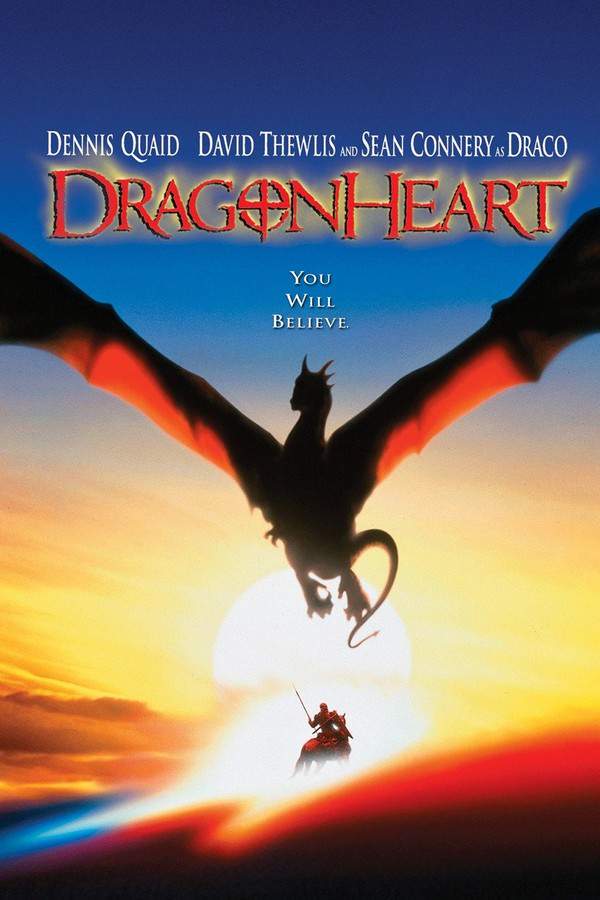
Funny but Heavy Action Movies like Journey to the West: Conquering the Demons

Action-packed comedies where laughter coexists with genuine emotional stakes. Fans of the comedic tone and intense emotional drama in Journey to the the West will enjoy these similar movies. Discover action comedies that aren't just silly, but also pack a significant emotional punch, blending hilarious character interactions with high-stakes stories.

  • humorous
  • action-packed
  • emotional
  • unsettling
  • fantastical
  • romantic
  • Tone: bittersweet, humorous
  • Pacing: fast, chaotic
Why these movies?

The story pattern: The narrative uses comedy as a tool for character development and to provide relief from tense situations, but the plot maintains serious stakes. A central relationship or tragic event grounds the film, ensuring the humor enhances rather than undermines the emotional journey, leading to a resonant conclusion.

Why they belong together: These films are grouped because they achieve a delicate balance, making audiences laugh while also making them care deeply. The shared vibe is one of tonal duality—fast-paced, funny action on the surface, with a heartfelt, sometimes sorrowful, emotional undercurrent.

Every angle

Journey to the West: Conquering the Demons (2013) Explained: Plot, Timeline & Characters

Everything about Journey to the West: Conquering the Demons in one place: what happens in the plot summary, the timeline in chronological order, the characters and meaning and a spoiler-free summary. What's After the Movie adds the cast, box office and post-credit scenes.

Coming soon on iOS and Android

The Plot Explained Movie Summary App

Plot summaries, endings explained and timelines on your phone. Catch up on any movie in minutes, save your favorites and never miss a twist again.

Be the first to know when we launch. Your email stays private, always.

Learn more about the app