Plot Explained Spoilers guaranteed!
Plot Explained

Browse by genre

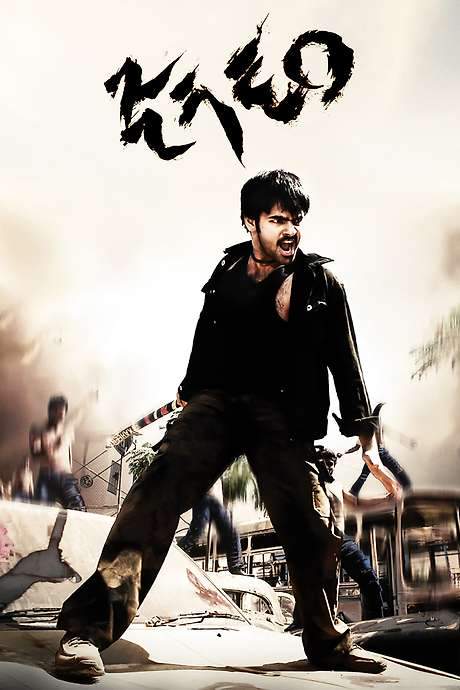
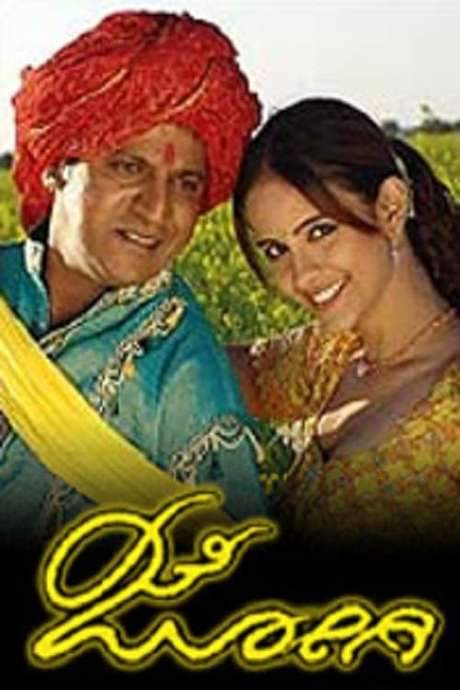
Jogi (2005) movie poster

Plot Summary

Jogi (2005) Plot Summary Explained

Release, runtime and language
2005 · 137 mins · Kannada
Loading streaming availability…
Directed by
Prem
Starring
Ramesh Bhat, Arundathi Nag, Shivaraj Kumar, Mohan Juneja, Neenasam Ashwath, Yana Gupta

After a powerful crime lord is slain by Madesha, journalist Nivedhitha travels to confront the killer. En route she encounters an elderly woman who begs for help locating her missing son. Nivedhitha agrees, only to discover that the son she is searching for is none other than Madesha himself.

On this page (6)
  1. 1 Where to watch
  2. 2 What happens: full plot
  3. 3 Plot questions answered
  4. 4 Movie threads
  5. 5 Movies like Jogi
  6. 6 Every angle
Loading streaming availability…

Full plot summary · contains spoilers

What Happens in Jogi: Full Plot Summary

The whole story of Jogi (2005) explained, from the opening scene to the final frame: every key event, every twist and what it all adds up to. Read it as a quick recap before the sequel, to check a scene you missed, or to finally understand what really happened.

The film unfolds in a nonlinear mosaic, weaving together a tapestry of memories and sharp, shifting perspectives through multiple flashbacks. It opens with the brutal murder of a feared underworld don, a crime that draws the police to the scene—and ends up revealing the killer as the film’s own rising star. The protagonist, Madesha alias Jogi, Shivaraj Kumar, disguises his harsh reality behind a modest job at a roadside tea stall, a quiet life that stands in stark contrast to the violence that follows him.

As news of the murder ripples through the underworld, a rival gang attempts to recruit Madesha as an associate. He declines their offer and stays true to his own path, choosing a solitary line over easy power. Meanwhile, a determined trainee journalist, Nivedhitha Jennifer Kotwal, keeps watch on him, driven by a hunger to uncover the truth about his life. Her persistent pursuit across streets and alleys remains unfulfilled for days, until fate pushes her to a distant village where she encounters an elderly woman in search of her lost son.

In a separate flashback, the old woman’s son is revealed to be none other than Madesha. He grew up in Singanallur near the Male Mahadeshwara Temple, living with his father, a wandering minstrel who roams from house to house to gather alms. When the father dies, Madesha and his mother are left devastated, and the lure of a bigger life in the city pulls him away. Madesha’s anxious mother travels to the city in search of him, while a newspaper office becomes a crossroads where Nivedhitha and Bhagyakka (the mother) both arrive, each with her own plea. The old woman’s tale hints at a bond that neither time nor violence can easily sever.

The city years bring new trials. After arriving, Madesha tries to find work at a tea stall, but a murder accusation muddies his path. A compassionate tea-stall owner helps clear him, and Madesha begins to prove himself. During a tense moment at a gang gathering, he drops some bracelets by accident and suspects a gangster stole them, setting off a chain of violent confrontation. He ultimately turns the tide against the don, wielding a sickle in a decisive act of retribution that mirrors the opening murder.

As Bhagyakka presses on in her quest to find her son, she encounters a childhood friend who points her toward a Mahadeshwara temple, where she waits in the rain, clinging to hope. Nivedhitha, who now realises that Jogi is Madesha, attempts to bridge the distance between truth and feeling, but the day’s violence overshadows every fragile connection. A rival gang’s attack leaves one of their own people dead, and the group’s hard men close ranks around their own, a feud that intensifies the city’s dark heart and drives Bhagyakka deeper into despair.

Tragedy strikes when Bhagyakka dies in the downpour, right as a funeral procession begins for what is believed to be an unclaimed body. Jogi’s friend arranges the rites, but the friend is arrested before he can complete them. In a heartbreaking twist, Jogi mistakes the body for a stranger and performs the funeral rites as an act of charity. Only later does he discover that he has performed the last rites for his own mother, a revelation that shatters him completely. The gang members who had once fought by his side drop their weapons and acknowledge a deeper truth: “Jogi took up arms for his mother, for whom are we fighting?”

The story closes on a poignant, almost helpless note, reaffirming the film’s central theme: the enduring, inescapable pull of familial love amid a world of violence and fate. > A feel that never ends.
Last updated: October 09, 2025 at 15:13

Was this helpful?

Plot questions answered

Jogi Plot Explained: Your Questions Answered

The questions people ask most about Jogi (2005): what happens in the confusing scenes, why the characters do what they do, the twists, hidden details and what the ending means. Each answer contains spoilers.

Q1

Why does Madesha kill the underworld don in the opening scene?

Madesha kills the don during a gang meeting when he drops his mother's bangles, which triggers suspicion among the gang members. This confrontation escalates into violence, and Madesha uses a sickle to kill the don, marking his entry into the underworld. The act is both a moment of self-defense and the beginning of his violent path.

  • madesha
  • kill
  • don
  • underworld
  • sickle
Q2

How is Bhagyakka related to Madesha?

Bhagyakka is Madesha's mother. The film reveals through flashbacks that Madesha grew up in Singanallur near the Male Mahadeshwara Temple with his father, a wandering minstrel. After his father's death, Madesha left for the city seeking a better life, leaving his mother behind. She spends years searching for him, not knowing he has become the feared gangster Jogi.

  • bhagyakka
  • madesha
  • mother
  • son
  • search
Q3

Why is Nivedhitha determined to find Madesha?

Nivedhitha is a trainee journalist obsessed with uncovering the truth about Madesha's life and his connection to the underworld. She tails him for days, hoping to secure an interview and write a story about him. Her pursuit eventually leads her to cross paths with Bhagyakka, and she later discovers that Jogi and Madesha are the same person.

  • nivedhitha
  • journalist
  • madesha
  • investigation
Q4

What triggers the violent confrontation at the gang meeting?

During a routine tea delivery to a gang meeting, Madesha accidentally drops some bracelets (bangles) that belong to his mother. The gang members become suspicious, questioning how a simple tea-stall worker has valuable items. This triggers a tense confrontation that escalates into Madesha fighting back and killing the don with a sickle.

Foreshadowing: The bangles belong to Bhagyakka, foreshadowing the deep maternal connection that drives the entire story.

  • bangles
  • bracelets
  • gang
  • confrontation
  • suspicion
Q5

How does Jogi end up performing his mother's funeral rites without knowing it?

After Bhagyakka dies in the rain during a gang raid, her body is brought to the cemetery as an unclaimed body. Jogi's friend arranges the funeral, but Jogi himself performs the rites believing it is a stranger's body. Only later does he discover he has conducted the last rites for his own mother, completely shattering him emotionally.

  • funeral
  • mother
  • bhagyakka
  • revelation
  • death
Q6

How does Madesha get involved with the tea stall?

When Madesha first arrives in the city, he is wrongfully accused of murder by the police. The owner of a tea stall intervenes, helps clear his name, and offers him a job. This compassionate act binds Madesha to the tea stall, which becomes his cover for a quiet life while he gets drawn into the city's underworld activities.

  • tea stall
  • madesha
  • job
  • accusation
  • rescue
Q7

What happens to Bhagyakka at the end of the film?

Bhagyakka dies in a downpour while searching for her son in the city. She gets caught in the rain during a night raid by Jogi's gang on a rival faction. Her death occurs just as a funeral procession begins for what is believed to be an unclaimed body, making her passing tragically unnoticed until the devastating reveal.

  • bhagyakka
  • death
  • rain
  • mother
  • tragedy
Q8

Why do the remaining gang members drop their weapons at the end?

After witnessing Jogi's complete emotional breakdown upon learning he performed his mother's funeral rites, the remaining gang members are deeply moved. They drop their weapons and acknowledge the futility of their violence. One states, "Jogi took up arms for his mother, for whom are we fighting?" This moment represents their realization that violence has consumed everything, including the man they followed.

  • gang
  • surrender
  • weapons
  • mother
  • violence
Q9

Why does Madesha refuse the rival gang's recruitment offer?

After the murder of the don, a rival gang bails Madesha out of jail and tries to recruit him as an associate. Madesha declines their offer, choosing to stay independent rather than align with any gang. This decision marks a precarious path, keeping him outside organized groups while still navigating the violent underworld on his own terms.

  • rival gang
  • recruitment
  • refusal
  • madesha
  • jail
Q10

What is the significance of the title "Jogi"?

The title "Jogi" refers to Madesha's father, who was a wandering minstrel (Jogi) who traveled from house to house gathering alms. Madesha inherits this identity as his father's legacy, and it becomes his alias in the underworld. The film explores how this humble origin contrasts sharply with the violent life Madesha ultimately leads.

  • jogi
  • title
  • father
  • minstrel
  • origin

Movie threads

More Movies Like Jogi, by Mood & Story

Curated lists built around what makes Jogi tick: the same mood, the same kind of story or the same emotional payoff. Each list explains why these movies belong together.

Tragic underworld stories with heavy family bonds like Jogi

Hardened criminals undone by the one familial connection they crave but cannot save. If you enjoyed the heartbreaking blend of gang violence and a mother's search in Jogi, this thread features similar movies where underworld figures are defined by tragic family relationships. These films share a melancholic tone, high emotional weight, and complex narratives about the inescapable pull of family amidst a life of crime.

  • tragic
  • gritty
  • fated
  • somber
  • heavy
  • atmospheric
  • Tone: melancholic, tragic, gritty
  • Pacing: variable, reflective
Why these movies?

The story pattern: The narrative pattern often involves a protagonist entrenched in violence whose life is irrevocably changed by the re-emergence of a family figure from their past. The story structure may use flashbacks or multiple perspectives to heighten the tragedy, building towards a climax where the criminal's violent world and their deep-seated need for family collide with catastrophic results.

Why they belong together: These films are grouped together because they share a core focus on the fated tragedy that occurs when a criminal's violent profession interferes with their most fundamental human connection: family. They deliver a heavy, melancholic experience through gritty atmospheres, complex character studies, and ultimately sad conclusions.

Complex non-linear dramas about grief like Jogi

Stories where a painful past is pieced together to reveal a devastating present tragedy. For viewers who appreciated the complex, memory-driven storytelling of Jogi, this collection features movies that unravel a tragic past through a mosaic of flashbacks. These films share a gritty, atmospheric feel, high emotional weight, and a reflective, somber mood as they explore grief and violent histories.

  • somber
  • reflective
  • atmospheric
  • gritty
  • heavy
  • tragic
  • Tone: somber, reflective, melancholic
  • Pacing: variable, slow build
Why these movies?

The story pattern: The narrative journey is defined by a structure that jumps between timelines, slowly revealing how past actions and trauma have led to an inescapably sad present. The plot is less about a linear progression and more about an emotional and thematic uncovering, often involving an outsider (like a journalist) piecing together the tragic story.

Why they belong together: These movies are united by their use of complex narrative structures to enhance the emotional impact of grief and tragedy. They create a specific, contemplative vibe through a somber tone, variable pacing that balances action with reflection, and a focus on the heavy, irreversible nature of loss and violence.

If you liked this

Movies Like Jogi

Similar movies to Jogi: the same genre, themes or kind of story. Each one comes with its own plot summary, timeline and ending explained.

Browse all movie summaries

Every angle

Jogi (2005) Explained: Plot, Timeline & Characters

Everything about Jogi in one place: what happens in the plot summary, the timeline in chronological order, the characters and meaning and a spoiler-free summary. What's After the Movie adds the cast, box office and post-credit scenes.

Coming soon on iOS and Android

The Plot Explained Movie Summary App

Plot summaries, endings explained and timelines on your phone. Catch up on any movie in minutes, save your favorites and never miss a twist again.

Be the first to know when we launch. Your email stays private, always.

Learn more about the app