
Jai Santoshi Maa
Year: 1975
Runtime: 145 mins
Language: Hindi
Director: Vijay Sharma
Unable to conceive, Gauri faces ridicule in her village, where people believe she is cursed and keep their distance. Desperate for relief, she turns to the goddess Santoshi Maa, praying for the return of happiness and a chance at a fulfilled life.
Where to Watch Jai Santoshi Maa?
Find where to stream, rent, or buy Jai Santoshi Maa (1975) in the US with current JustWatch availability, up-to-date pricing, and platform listings for subscription, rental, and digital purchase options.

Streaming availability powered by 
Warning: spoilers below!
Haven’t seen Jai Santoshi Maa yet? This summary contains major spoilers. Bookmark the page, watch the movie, and come back for the full breakdown. If you're ready, scroll on and relive the story!
Timeline – Jai Santoshi Maa (1975)
Trace every key event in Jai Santoshi Maa (1975) with our detailed, chronological timeline. Perfect for unpacking nonlinear stories, spotting hidden connections, and understanding how each scene builds toward the film’s climax. Whether you're revisiting or decoding for the first time, this timeline gives you the full picture.
Last updated: October 09, 2025 at 11:05
Jai Santoshi Maa (1975) Timeline Questions Answered – Chronology FAQ
Find frequently asked questions about the Jai Santoshi Maa (1975) timeline, including chronological order, nonlinear jumps, cause-and-effect links, and scene sequence clarifications. This timeline FAQ helps explain when key events happen, how moments connect, and why the story unfolds in that specific order.
Why did Narada create problems for Santoshi Mata's devotee?
Narada, a sage devoted to Vishnu, orchestrated the test of Satyavati to prove her unwavering devotion (Shraddha). The goddesses Lakshmi, Parvati, and Saraswati pretended to be jealous of Santoshi Mata and created hardships for her chief earthly follower. This celestial 'pariksha' was meant to validate Santoshi Mata's authority and demonstrate that true faith could overcome any trial.
Narada's earlier intervention in stirring the goddesses' jealousy set this entire sequence of tests in motion.
Why did Durga and Maya hate Satyavati?
Durga and Maya were Birju's sisters-in-law who became jealous of Satyavati from the moment she married into the family. Their resentment stemmed from seeing the youngest brother find love and happiness before them, and they actively schemed to undermine the couple throughout the story.
The timeline notes their opposition began immediately after Satyavati and Birju fell in love, foreshadowing the relentless persecution that followed.
How did Birju survive the watery trap set by the goddesses?
When Birju confronted his in-laws and left home, the goddesses engineered a watery fate for him, likely a flood or drowning attempt. However, Satyavati's steadfast devotion to Santoshi Mata saved him from this divine engineering. His family was led to believe he had died, but he actually survived through the goddess's intervention.
This event demonstrates how Santoshi Mata's grace protected Birju even when the celestial goddesses were plotting against her devotee.
Why did Satyavati stay and endure abuse from her in-laws?
After Birju was believed dead, Satyavati's in-laws turned hostile, treating her as a slave, starving and beating her. She remained because of her deep devotion to Santoshi Mata and her belief that her husband might return. When a rogue attacked her, the goddess intervened to rescue her multiple times, strengthening her resolve to continue waiting.
This period of suffering was part of the divine test that would ultimately prove the power of her unwavering faith.
What was the sixteen-Friday fast that Satyavati undertook?
When Satyavati contemplated suicide from despair, Narada appeared and taught her the sixteen-Friday fast honoring Santoshi Mata. This rigorous ritual required fasting every Friday for sixteen consecutive weeks, abstaining from sour and bitter foods including lime. The vow promised any wish would be granted to those with unwavering devotion. Satyavati endured tremendous hunger and hardship to fulfill this demanding spiritual practice.
The fast was foreshadowed when Narada first guided Satyavati toward this path as the solution to her困境.
How did Birju develop amnesia and forget Satyavati?
After escaping the watery trap, Birju ended up living far away from his village. The divine plots (inflicted by the goddesses testing Santoshi Mata) caused him to lose his memory. While living with wealth in a distant place, he fell in love with a wealthy merchant's daughter, completely unaware of his past life and wife Satyavati.
This amnesia was part of the celestial test designed to challenge Satyavati's faith and loyalty.
How did Birju's memory return and why did he come back?
Santoshi Mata's grace restored Birju's lost memory, allowing him to recall his life with Satyavati. Filled with renewed purpose and bearing wealth, he journeyed back to his village. Upon returning, he discovered the mistreatment Satyavati had endured and resolved to reclaim their life together, building a palatial home with an interior temple dedicated to Santoshi Mata.
The restoration of his memory fulfilled the promise embedded in Satyavati's sixteen-Friday fast.
Why did the sisters-in-law add lime juice to the food during the ceremony?
During Satyavati's grand ceremony to celebrate completing her sixteen-Friday fast, Durga and Maya (along with their cronies) deliberately squeezed lime juice into a dish. This was a malicious act because the Santoshi Mata fast strictly forbids sour or bitter foods like lime. The sabotage was meant to violate the sacred vow and ruin the ceremony.
This final act of malice represented the last attempt by the villains to derail Satyavati's spiritual achievement.
How did Santoshi Mata become a new goddess in the Hindu pantheon?
The film concludes with Lakshmi, Saraswati, and Parvati finally acknowledging Satyavati's unwavering Shraddha (devotion). Convinced of both Satyavati's faith and Santoshi Mata's power to answer prayers, they welcomed Santoshi Mata as a new goddess into the Hindu pantheon. This marked the celestial validation of her divine status and the restoration of cosmic balance between heaven and earth.
The entire narrative was structured to lead to this moment of divine acceptance and cosmic recognition.
Why did Lakshmi, Parvati, and Saraswati pretend to be jealous of Santoshi Mata?
The goddesses pretended jealousy as part of the divine test orchestrated by Narada. They needed to prove that Santoshi Mata's authority was legitimate and that her devotee Satyavati possessed genuine Shraddha (faith). By creating hardships and feigning doubt about Santoshi Mata's power, they set up the trials that would ultimately validate both the goddess and her follower.
This pretended jealousy was Narada's tool to initiate the pariksha that drives the entire plot.
What is the significance of the opening aarti scene with Satyavati?
The film opens with Satyavati leading an aarti ceremony to Santoshi Mata, singing 'Main To Arti Utaru.' This scene establishes the central concept of darshan, the reciprocal act of seeing the deity and being seen by her in Hindu worship. It marks Satyavati's entry into a realm where reverent devotion can alter fate, setting up the film's theme that faith can change one's destiny.
This opening devotion directly connects to the final vindication when Santoshi Mata fully enters Satyavati's life.
What is Santoshi Mata's origin in the story?
Santoshi Mata is portrayed as being born in Devaloka as the daughter of Lord Ganesha (the lord of good beginnings) and his wives Riddhi and Siddhi. She is the sister to Kshema and Labha. This divine lineage establishes her as a goddess capable of granting wishes and blessings, particularly to those who approach her with sincere devotion.
The celestial birth establishes Santoshi Mata's authority and sets up the cosmic stakes of the tests to come.

Explore Movie Threads
Discover curated groups of movies connected by mood, themes, and story style. Browse collections built around emotion, atmosphere, and narrative focus to easily find films that match what you feel like watching right now.
Movies about divine faith like Jai Santoshi Maa
Stories where steadfast faith is tested by hardship before a divine resolution.If you enjoyed the spiritual journey in Jai Santoshi Maa, explore more movies like it. This collection features devotional dramas where characters face trials and tribulations, ultimately saved by divine intervention. These similar films share a hopeful tone and uplifting endings.

Devullu
2000

Resurrection
1980

Fireproof
2008

90 Minutes in Heaven
2015

God's Not Dead: A Light in Darkness
2018

One Foot in Heaven
1941

The Other Side of Heaven
2002

War Room
2015

The Case for Christ
2017

Heaven Is for Real
2014

Trouble Along the Way
1953

God's Not Dead: In God We Trust
2024

OMG: Oh My God!
2012

The Blind
2023

Where Hope Grows
2015
Narrative Summary
The narrative pattern typically involves a protagonist beset by misfortune or social scorn. Their unwavering faith is their only solace, often tested through a series of planned rituals or hardships. The conflict often involves a clash between mortal skepticism and divine will, with the story culminating in a miraculous event that proves the power of faith and rewards the protagonist's perseverance.
Why These Movies?
Movies in this thread are grouped by their focus on religious faith as a central plot driver, a hopeful tone despite hardships, and a narrative structure where perseverance through devotion leads to a happy, uplifting conclusion. They share a medium emotional weight and a steady, purposeful pacing.
Uplifting stories of marital trials like Jai Santoshi Maa
Journeys of couples facing external pressures, separation, and eventual reunion.For viewers who liked the marital journey in Jai Santoshi Maa, this thread gathers movies with similar themes. Discover stories of couples overcoming social scorn, separation, and hardship, culminating in a happy reunion. These films share a tender, hopeful feel and a focus on triumph over adversity.




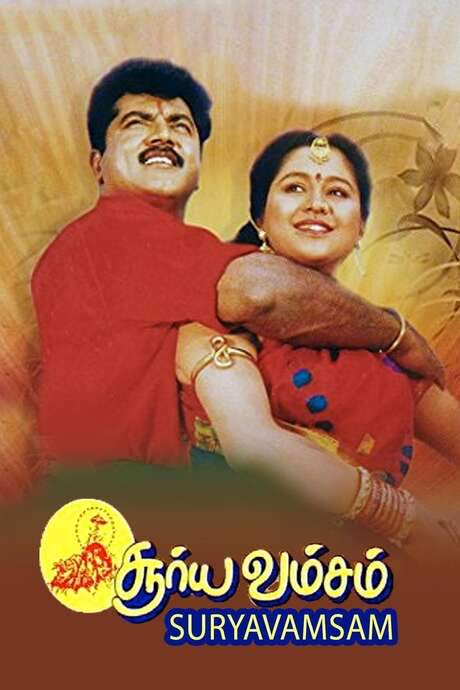
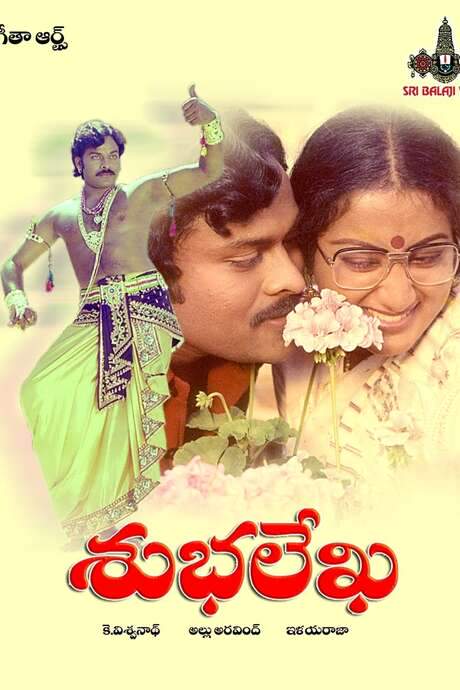









Narrative Summary
These stories often begin with a happy union that is disrupted by external forces—such as infertility leading to social ridicule, or scheming relatives sowing discord. A period of tribulation follows, involving separation (sometimes literal, like amnesia, or emotional distance) and suffering for both partners. The narrative arc is one of endurance, culminating in the overcoming of these obstacles and a joyful reunion that strengthens the marital bond.
Why These Movies?
This thread connects movies through their shared focus on a central marital relationship tested by severe adversity, a blend of anxious and tender emotions, and a narrative that moves from conflict to a happy, harmonious ending. They typically feature a steady pace and a moderate level of complexity with subplots that challenge the central relationship.
Unlock the Full Story of Jai Santoshi Maa
Don't stop at just watching - explore Jai Santoshi Maa in full detail. From the complete plot summary and scene-by-scene timeline to character breakdowns, thematic analysis, and a deep dive into the ending - every page helps you truly understand what Jai Santoshi Maa is all about. Plus, discover what's next after the movie.
Jai Santoshi Maa Summary
Read a complete plot summary of Jai Santoshi Maa, including all key story points, character arcs, and turning points. This in-depth recap is ideal for understanding the narrative structure or reviewing what happened in the movie.

Characters, Settings & Themes in Jai Santoshi Maa
Discover the characters, locations, and core themes that shape Jai Santoshi Maa. Get insights into symbolic elements, setting significance, and deeper narrative meaning - ideal for thematic analysis and movie breakdowns.


