Plot Explained Spoilers guaranteed!
Plot Explained

Browse by genre

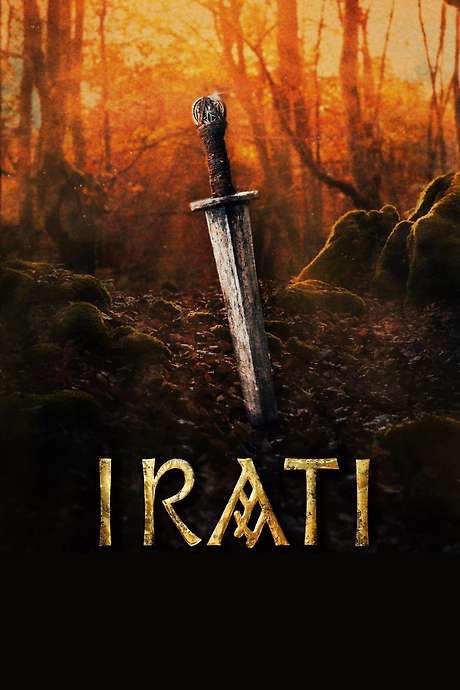
Irati (2022) movie poster

Plot Summary

Irati (2022) Plot Summary Explained

Release, runtime and language
2022 · 112 mins · Basque
Directed by
Paul Urkijo Alijo
Starring
Unax Hayden, Itziar Ituño, Ramon Agirre, Nagore Aranburu, Kepa Errasti, Iñaki Beraetxe
Budget
$4.3M

Set in the Western Pyrenees in 778, a Basque chieftain faces invasion by the ruthless armies of the Frankish emperor. To safeguard his land he invokes the ancient gods of his ancestors, pleading for the aid of the forest spirit Irati, sparking a mythic clash between mortals and the supernatural.

On this page (4)
  1. 1 What happens: full plot
  2. 2 Plot questions answered
  3. 3 Movie threads
  4. 4 Every angle

Full plot summary · contains spoilers

What Happens in Irati: Full Plot Summary

The whole story of Irati (2022) explained, from the opening scene to the final frame: every key event, every twist and what it all adds up to. Read it as a quick recap before the sequel, to check a scene you missed, or to finally understand what really happened.

In the year 778, in a remote valley of the western Pyrenees, Eneko Ximenez, the son of the valley’s lord, seeks counsel from Luxa, a wise sorgina. Though he is nominally a Christian, his fear of a coming Frankish host under Charlemagne drives him to enter Mari’s dwelling to plead for the goddess’s aid.

When the rear of the Frankish column crosses a pass, Basques ambush them. In the heat of battle, Eneko performs a ritual that slits his own throat, and giant boulders rain from the sky, crushing the Franks and shifting the fate of the valley.

Meanwhile, Eneko’s son, also named Eneko, is separated from his mother and chased through the woods by a Frankish warrior. He hides by a river, and watches as a lamia bewitches the warrior and drowns him. He is found by a girl, Irati, who finds his fear of the woods amusing. Eneko watches as his father is buried according to the ancient ways, including the ritual execution of two prisoners from the battle. His grandfather, the lord Ximeno, arranges for him to be sent to Bigorra to be educated, and for his mother Oneka to remarry to Emir Fortun Ibn Qasi to secure an alliance with the Muslim Banu Qasi.

Fifteen years later, Eneko returns to his homeland. On the way to his grandfather’s fort, he encounters Irati, who has attacked a group of men sent to chop down the forest under orders from Belasko, a local chieftain. After making the men let her go, he arrives at the fort, where he reunites with his mother; his ailing grandfather rambles about a hidden treasure hoard, and asks to be buried with his son according to the Christian rite, before dying in Eneko’s arms. Eneko’s father’s body is found to have been replaced with that of a ram. The local chieftains convene in the castle, and have Luxa, who tried to stop the exhumation as blasphemy, imprisoned; Eneko, whose claim to the lordship of the valley has been contested by Belasko, visits her in the dungeon, where she reveals his father’s body is in Mari’s cave deep in the forest, together with the hoard taken from the Franks after the battle. Unbeknownst to them, they are overheard by a maid who promptly tells Belasko.

Eneko sets out into the woods, guided by Irati at Luxa’s behest; all the while followed by Belasko’s men. Before entering the cavern, Irati gives Eneko an eguzki-lore amulet for protection; he reluctantly wears it. Inside the cavern, Irati and Eneko are briefly attacked by Belasko’s men, and then by Tartalo, a man-eating, one-eyed giant; in the chaos, it is revealed Irati is not fully-human, having webbed duck-like feet like a lamia. Eneko falls down a pit.

Deep in the cave, Eneko finds [Mari] and makes a bargain with the goddess: she will return his father’s body, in exchange for the lives of Belasko and his cronies. Mari also reveals Irati is her daughter and tells Eneko to protect her. Emerging from the cave, Eneko tracks down the men and saves Irati. As they recover from wounds during the night, they fornicate.

With his father’s sword recovered from the hoard, Eneko returns to the fort, where he tries to lure Belasko into coming with him to the cave, assuring him there is no danger there. Belasko then reveals he knew the truth all along, and takes Eneko, his mother, and Irati prisoner. He then executes Luxa. Mad with grief, Irati’s eyes begin to glow as she summons a hailstorm. The soldiers and common folk run for shelter, and Eneko sees a ram take Irati upon its back, and fly her into the storm. She is taken to Mari, her mother, and tells her she will deliver Belasko and his men, which also means Mari won’t be able to take her along with the rest of her progeny when she makes her planned departure from a world where mortals barely remember her.

Belasko tries to torture the cave’s location out of Eneko, but Irati appears and leads the men to a cave. Mari appears before them, together with her serpent-consort Sugaar, who is revealed to be the creature that attacked them earlier. Irati slits Belasko’s throat, and Mari unleashes her power and departs from the world in the form of a fire blast, which kills all inside the cave except Eneko, who is shielded by Irati. When the smoke clears, Irati bids both her mother and him farewell, telling him to forget her name while he is lord. She then discards her clothes by a riverbank, and disappears in the water.

Eneko is crowned lord of the valley, and his realm grows into a kingdom; he names the forest where he lived his adventures as the Irati Forest. Many years later, now old, he travels with his heir to a riverbank, where he bequeaths his kingdom and floats down the river to die. He is found by Irati and he joyfully cries.
Last updated: October 07, 2025 at 08:57

Was this helpful?

Plot questions answered

Irati Plot Explained: Your Questions Answered

The questions people ask most about Irati (2022): what happens in the confusing scenes, why the characters do what they do, the twists, hidden details and what the ending means. Each answer contains spoilers.

Q1

Why does Eneko slit his own throat during the battle against the Franks?

Eneko performs a ritual suicide as a desperate plea to the ancient Basque gods for divine intervention against the Frankish army. This act is not mere desperation but a sacred bargain, the ritual summons giant boulders from the sky that crush the invading Franks and save the valley. The price is his own life, demonstrating the heavy cost of invoking supernatural aid in this world.

Foreshadowing: Earlier, Eneko sought counsel from Luxa at Mari's dwelling, foreshadowing his willingness to make extreme sacrifices to the pagan gods.

  • eneko
  • ritual
  • battle
  • franks
  • boulders
  • suicide
  • sacrifice
Q2

What happened to Eneko's father's body and why was it replaced with a ram?

When the elders exhume what they believe to be Eneko's father for Christian burial, they discover a ram's corpse instead. This supernatural occurrence signals that Mari, the goddess of the mountain, claimed the body for her own purposes, keeping it in her cave alongside the Frankish treasure hoard. The ram substitution is a sign of the goddess's power and her involvement in the mortal realm.

Foreshadowing: The omen echoes earlier supernatural signs in the valley and reinforces the constant presence of pagan powers.

  • father body
  • ram
  • cave
  • mari
  • burial
  • omen
Q3

What is Irati and what are her true powers in the movie?

Irati is a lamia, a half-human, half-supernatural being who serves as the daughter of Mari, the goddess of the mountain. She possesses aquatic abilities, including duck-like webbed feet that allow her to move through water effortlessly. She can bewitch warriors, drown pursuers, and summon powerful storms when emotionally overwhelmed. Her dual nature makes her both ally to the Basques and a creature of the divine realm.

Foreshadowing: Young Irati bewitches and drowns the Frankish warrior chasing young Eneko, demonstrating her powers early.

  • irati
  • lamia
  • supernatural
  • powers
  • mari
  • daughter
Q4

What is Mari's bargain with Eneko and what does she want in return?

Mari agrees to return Eneko's father's body and the hidden treasure hoard, but only if Eneko kills Belasko and his men, essentially trading their lives for the return of his father's remains. The goddess reveals Irati is her daughter and instructs Eneko to protect her. This bargain shows Mari operates on her own moral logic, demanding blood payment while still honoring ancient pacts.

Foreshadowing: Mari's demand for blood echoes the earlier sacrifice of Eneko's father during the battle.

  • mari
  • bargain
  • treasure
  • body
  • belasko
  • exchange
Q5

Why does Belasko betray Eneko and take him prisoner?

Belasko has contested Eneko's claim to lordship of the valley from the beginning. When he learns about the location of Mari's cave and its treasure through the overheard maid, he seizes the opportunity to eliminate his rival. Belasko reveals he knew the truth all along and uses the information to capture Eneko, Oneka, and Irati, executing Luxa in the process. His betrayal is driven by political ambition and greed for the treasure.

Foreshadowing: Belasko earlier ordered men to chop down the forest, showing his antagonistic relationship with the supernatural realm.

  • belasko
  • betrayal
  • capture
  • treasure
  • politics
  • ambition
Q6

What happens to Luxa and why does she die in Irati?

Luxa is imprisoned after opposing the exhumation of Eneko's father, which she considers blasphemy against the ancient ways. While she reveals the cave's location to help Eneko, she is unable to escape. Belasko executes her in the dungeon, killing the wise sorgina who served as the bridge between Christian and pagan worlds. Her death triggers Irati's grief-fueled supernatural rage.

Foreshadowing: Luxa's earlier attempts to stop the exhumation set her on a collision course with the local chieftains.

  • luxa
  • death
  • exhumation
  • prison
  • belasko
  • sorgina
Q7

What is the ram that carries Irati away and what does it represent?

The ram is a sacred creature connected to Mari and the divine realm. When Irati mourns Luxa's death, her grief and powers manifest as glowing eyes summoning a violent hailstorm. A ram descends and carries her away through the storm to Mari's side. This represents Irati's dual nature as both connected to the mortal world through Eneko and belonging to the goddess's supernatural family.

Foreshadowing: The ram omen earlier (when the father's body was replaced) foreshadows this symbolic connection.

  • ram
  • storm
  • irati
  • flying
  • mari
  • supernatural
Q8

Why does Irati disappear into the river at the end of Irati?

After Mari destroys the cave with fire and kills Belasko's forces, Irati must leave the mortal world because Mari is departing with her serpent-consort Sugaar and the rest of her progeny. As a divine being, Irati cannot remain in a world where mortals have forgotten the old gods. She tells Eneko to forget her name while he is lord, then discards her clothes and disappears into the river, returning to the divine waters from which she came.

Foreshadowing: Mari's earlier warning about leaving a world that barely remembers her sets up this departure.

  • irati
  • river
  • disappear
  • departure
  • mari
  • farewell
Q9

What is the treasure hoard in Mari's cave?

The treasure consists of the wealth looted from the Frankish army after the initial battle in 778. When the Basques ambushed and defeated the Frankish column, they took whatever valuable items the soldiers carried. Mari preserved this hoard alongside Eneko's father's body in her deep cave, using it as leverage in her bargain with Eneko. The treasure represents both material wealth and the spoils of the successful defense against invasion.

Foreshadowing: The Frankish ambush and victory set the stage for the hoard to exist.

  • treasure
  • hoard
  • cave
  • mari
  • franks
  • loot
Q10

What happens in the final scene of Irati when old Eneko meets Irati again?

Many years after becoming lord and building his kingdom, the elderly Eneko sails down a river to die as Basque custom demands. He is found by Irati at the riverbank, and he cries out with joy upon seeing her. This bittersweet ending suggests he has finally reunited with his beloved Irati in whatever afterlife or divine realm exists, fulfilling the promise that their bond transcends mortal life.

Foreshadowing: Irati's farewell message, 'forget my name while you are lord', implies reunion after his reign ends.

  • final scene
  • reunion
  • river
  • death
  • old ene ko
  • afterlife

Movie threads

More Movies Like Irati, by Mood & Story

Curated lists built around what makes Irati tick: the same mood, the same kind of story or the same emotional payoff. Each list explains why these movies belong together.

Movies with pagan bargains like Irati

Characters make dangerous deals with ancient powers to protect their world. If you liked the mythic conflict and ancestral pacts in Irati, you'll find similar stories here. These movies feature characters making perilous deals with ancient gods or spirits, often set against a backdrop of cultural change and invasion. They explore themes of faith, sacrifice, and the heavy price of power, with a dark and somber tone.

  • mythic
  • somber
  • fateful
  • supernatural
  • ancestral
  • grim
  • Tone: dark, mythic, somber
  • Pacing: steady, deliberate
Why these movies?

The story pattern: Stories often begin with a mortal's desperate plea for intervention, leading to a pact with a powerful, non-Christian entity. The narrative follows the unfolding consequences of this bargain, which might grant power or protection but always at a steep, personal cost. The central conflict frequently pits ancient belief systems against encroaching new ideologies, culminating in a bittersweet or tragic resolution.

Why they belong together: Movies are grouped here for their core theme of bargaining with primordial forces. They share a dark, mythic tone, a focus on cultural and spiritual conflict, and a heavy emotional weight stemming from the irreversible costs of dealing with powers beyond human understanding.

Grim historic fantasy survival movies like Irati

Brutal journeys through mythic landscapes where survival is a constant struggle. For viewers who enjoyed the harsh survivalist journey and mythic backdrop of Irati, this list features similar movies. These stories are set in gritty, often historic worlds where characters fight for their lives against invading armies and monstrous creatures. They are characterized by high intensity, a dark tone, and a steady, immersive pace.

  • oppressive
  • grim
  • brutal
  • mythic
  • desperate
  • mysterious
  • Tone: dark, oppressive, grim
  • Pacing: steady, immersive
Why these movies?

The story pattern: The narrative typically follows a protagonist or group on a perilous quest or simply fighting to exist in a dangerous world. The journey is physical and spiritual, fraught with violence, loss, and difficult choices. Supernatural elements are treated as real and threatening parts of the environment. The story unfolds at a steady, often unforgiving pace, leading to endings that are bittersweet or bleak, reflecting the cost of survival.

Why they belong together: These films are united by their unflinching portrayal of survival in a world where history and fantasy collide. They share a high-intensity, dark tone, a steady pacing that builds tension, and a heavy emotional weight derived from the constant struggle against overwhelming odds.

Every angle

Irati (2022) Explained: Plot, Timeline & Characters

Everything about Irati in one place: what happens in the plot summary, the timeline in chronological order, the characters and meaning and a spoiler-free summary. What's After the Movie adds the cast, box office and post-credit scenes.

Coming soon on iOS and Android

The Plot Explained Movie Summary App

Plot summaries, endings explained and timelines on your phone. Catch up on any movie in minutes, save your favorites and never miss a twist again.

Be the first to know when we launch. Your email stays private, always.

Learn more about the app