






Plot Explained Spoilers guaranteed!
Plot Explained

Browse by genre

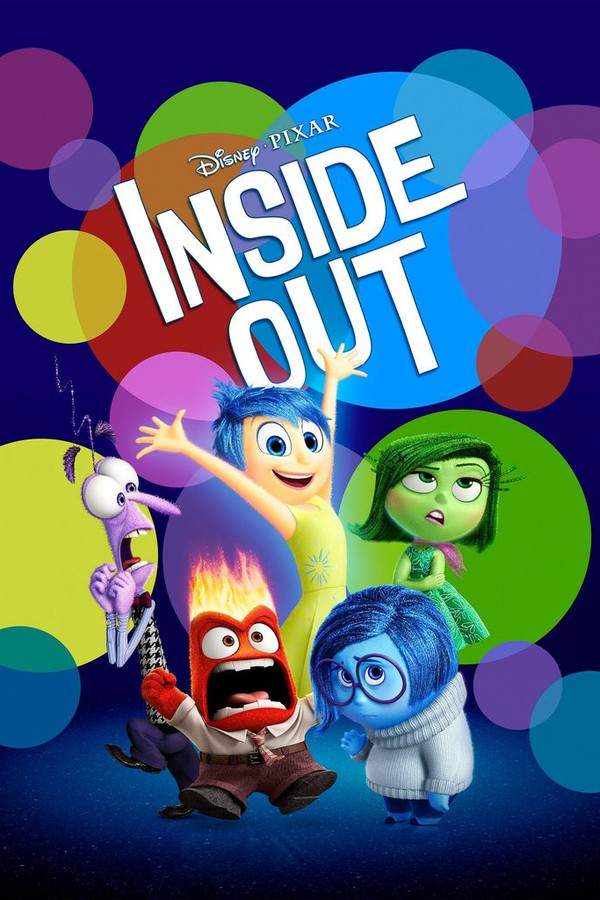
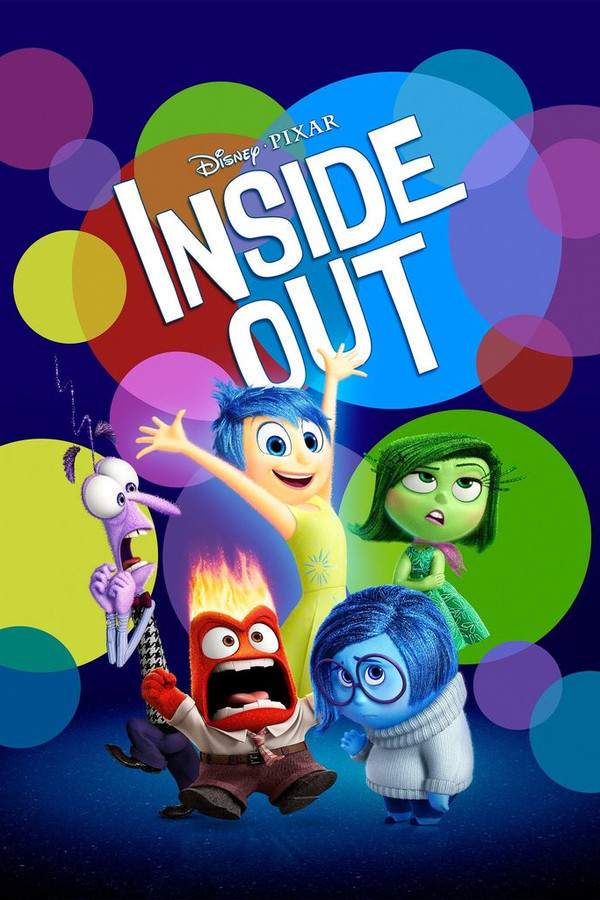
Inside Out (2015) movie poster

Timeline

Inside Out (2015) Timeline Explained – Every Event in Order

Release, runtime and language
2015 · 94 min · English
JustWatch #12,340 11
Directed by
Pete Docter, Ronaldo Del Carmen
Starring
Amy Poehler, Bill Hader, Lewis Black, Mindy Kaling, Phyllis Smith
Budget
$175M

When a young girl named Riley moves with her family to San Francisco, she struggles to adjust to her new life. Inside her mind, five personified emotions—Joy, Fear, Anger, Disgust, and Sadness—work to guide her through this challenging transition. As Riley’s emotions clash and struggle for control, Joy must learn to accept the importance of sadness and all feelings in shaping Riley's experiences and helping her navigate growing up.

On this page (6)
  1. 1 Where to watch
  2. 2 Events in order (15)
  3. 3 Timeline questions answered
  4. 4 Movie threads
  5. 5 Movies like Inside Out
  6. 6 Every angle

Where to watch

Where to Watch Inside Out (2015)

Where can you watch Inside Out? Stream, rent or buy it in the US, including on Disney Plus, Amazon Video and Apple TV Store: current JustWatch availability with up-to-date prices.

Streaming availability powered by JustWatch

15 events in order · contains spoilers

Inside Out Timeline: Events in Chronological Order

Every key event of Inside Out (2015) in order, scene by scene, with when and where it takes place. Use it to untangle flashbacks, time jumps and parallel storylines, to refresh your memory before the sequel or to find the exact scene you are thinking of.

  1. Riley's Birth

    Riley is born in Minnesota, marking the beginning of her story. Within her mind, five personifications of her core emotions come to life: Joy, Sadness, Disgust, Fear, and Anger.

    Where
    Minnesota
  2. Formation of Personality Islands

    As Riley grows, her emotions help her build memories that are stored as colorful orbs. These memories create 'core' memories that power five distinct 'islands' of her personality, each representing different aspects of her character.

    Where
    Headquarters
  3. Family Relocation

    When Riley turns eleven, her family moves to San Francisco due to her father's job. The transition is difficult as they arrive to a bare home with their belongings still lost.

    When
    At age 11
    Where
    San Francisco
  4. Joy's Concerns

    Joy becomes increasingly anxious as Sadness inexplicably begins to touch their happy memories, transforming them into sad ones. Joy tries to compartmentalize Sadness to prevent her from causing distress.

    Where
    Headquarters
  5. First Day at School

    On Riley's first day at her new school, an unintentional interaction causes a sad core memory to form. This prompts Joy to engage in damage control, trying desperately to fix the emotional chaos.

    Where
    New School
  6. Instability in Headquarters

    In her frantic attempts to control the situation, Joy accidentally knocks loose core memories, leading to the collapse of the personality islands and destabilizing Headquarters. This results in a chaotic environment for Riley.

    Where
    Headquarters
  7. Ejection from Headquarters

    Joy and Sadness find themselves ejected from Headquarters and sent into the vast storage area filled with Riley’s long-term memories. They must navigate through this unfamiliar maze to return.

    Where
    Memory Storage
  8. Anger, Disgust, and Fear's Mismanagement

    While Joy and Sadness are absent, Anger, Disgust, and Fear struggle to maintain Riley's emotional balance. Their inability to cope leads to a growing distance from her parents and friends.

    Where
    Headquarters
  9. Running Away Suggestion

    In a desperate moment, Anger suggests that Riley run away to Minnesota, believing that new happy core memories can be created there. This highlights the dire state of Riley’s emotional wellbeing.

    Where
    Home
  10. Meeting Bing Bong

    Joy and Sadness encounter Bing Bong, Riley's forgotten imaginary friend, who is eager to assist them. They team up, hoping to ride the train of thought back to Headquarters.

    Where
    Riley's Mind
  11. Train of Thought Disaster

    After successfully boarding the train of thought, it derails when one of Riley's personality islands collapses. This event delays Joy and Sadness’s return to Headquarters.

    Where
    Riley's Mind
  12. Sacrifice of Bing Bong

    In a selfless moment, Bing Bong sacrifices himself so Joy can escape the Memory Dump. His fading presence symbolizes the loss of innocence and the importance of supporting each other.

    Where
    Memory Dump
  13. Joy's Realization

    Joy discovers the importance of Sadness when she encounters a touching memory that highlights how comfort and support from family can transform feelings of sorrow into happiness.

    Where
    Memory Dump
  14. Returning Home

    After Joy and Sadness reunite, they return to Headquarters to find the control console malfunctioned. Inspired by Joy, Sadness takes charge to restore balance and help Riley express her true emotions.

    Where
    Headquarters
  15. Creating New Core Memories

    Riley emotionally confesses her struggles, leading to a supportive moment with her parents. Joy and Sadness work together to create a new blended core memory, transforming Riley's personality for the better.

    Where
    Home

Last updated: November 16, 2024 at 16:11

Was this helpful?

Timeline questions answered

Inside Out Timeline Explained: Your Questions Answered

When does it happen, and why in that order? The questions people ask about the chronology of Inside Out (2015): time jumps, flashbacks, cause and effect between scenes and the correct order of events, each answered with spoilers.

Q1

Why does Joy try to keep Sadness away from the control console?

Joy believes her sole purpose is to keep Riley happy, so she views Sadness as a problem that needs to be contained. She doesn't understand Sadness's actual function, helping Riley process disappointment and seek comfort from others. This misunderstanding drives most of the conflict in the film.

Foreshadowing: Early scenes show Joy dismissing Sadness's attempts to help, establishing their adversarial dynamic.

  • joy
  • sadness
  • emotions
  • control console
  • riley
Q2

What are the personality islands in Inside Out?

The personality islands are physical representations of Riley's core character traits, built from her most important memories. Each island, Friendship, Hockey, Goofball, Honesty, and Family, reflects an aspect of her personality that defines who she is. They are powered by core memories and collapse when those memories are lost.

Foreshadowing: The islands appear bright and thriving in Riley's early childhood, showing how positive experiences shape identity.

  • personality islands
  • friendship
  • hockey
  • family
  • core memories
Q3

Why do Riley's personality islands start collapsing?

The islands collapse because Joy accidentally knocks the core memories loose while trying to fix a sad core memory that formed on Riley's first day at school. When the core memories are ejected from Headquarters, the islands they power lose their energy source and crumble away.

Foreshadowing: Joy's frantic attempt to fix the sad memory directly causes the physical destruction of Riley's personality.

  • personality islands
  • collapse
  • core memories
  • joy
Q4

Why does Riley decide to run away to Minnesota?

Riley wants to run away because her emotions are completely out of control without Joy and Sadness. Anger, Disgust, and Fear have been mismanaging her feelings, causing her to lose her friends, alienate her parents, and abandon her hobbies. Desperate to feel happy again, she believes returning to Minnesota where she was happy will fix everything.

Foreshadowing: The gradual deterioration of her personality islands foreshadows her desperate decision to flee.

  • run away
  • minnesota
  • anger
  • riley emotions
Q5

Who is Bing Bong and what role does he play?

Bing Bong is Riley's forgotten imaginary friend from childhood, a fusion of an elephant and cat who sings a silly song. He helps Joy and Sadness navigate the memory maze and reach the train of thought. His purpose in the story is to remind Riley, and Joy, that childhood joy and imagination still matter, even as we grow older.

Foreshadowing: Bing Bong appears in Riley's early memories, showing he was a significant part of her childhood happiness.

  • bing bong
  • imaginary friend
  • childhood
  • joy
Q6

What happens to Bing Bong in the Memory Dump?

Bing Bong sacrifices himself by jumping out of his rocket wagon so Joy can escape the Memory Dump. As he fades away, he tells Joy to give Riley a kiss from him. This moment represents the bittersweet nature of growing up, letting go of childhood imaginary friends is necessary for emotional maturity.

Foreshadowing: Bing Bong's excitement to help Joy and his familiarity with the Memory Dump hint at his forgotten status.

  • bing bong
  • sacrifice
  • memory dump
  • rocket
Q7

Why is Sadness actually important according to Inside Out?

Sadness serves the crucial function of signaling when Riley needs support from others. Joy realizes this after seeing a memory where Riley felt sad after losing a hockey game but was comforted by her parents, turning the sadness into a meaningful bonding moment. Without Sadness, Riley cannot process difficult emotions or receive comfort from loved ones.

Foreshadowing: The memory in the dump directly shows how sadness leads to receiving care from family.

  • sadness
  • importance
  • emotional health
  • comfort
  • family
Q8

How does Sadness fix the control console when she returns to Headquarters?

When Sadness returns, she takes control of the console and removes the harmful idea that Anger created, the plan to run away. She then touches the console to activate it properly, allowing Riley to feel her true emotions. This shows that Sadness has equal authority over the console, not just Joy.

Foreshadowing: Anger's failed attempt to fix the console demonstrates that forceful approaches don't work.

  • sadness
  • control console
  • anger
  • emotions
  • hq
Q9

What does the new blended core memory at the end represent?

The blended core memory shows Riley experiencing happiness and sadness together, realizing that difficult moments can also be meaningful and bring her closer to others. This creates a new, more complex personality island representing emotional maturity. It demonstrates that all emotions work together, not in isolation.

Foreshadowing: The moment Riley admits her struggles to her parents directly leads to this new memory forming.

  • blended memory
  • core memory
  • emotional maturity
  • personality island
Q10

Why can't Anger, Disgust, and Fear run Headquarters properly without Joy?

Anger, Disgust, and Fear each try to handle situations their own way, Anger through aggression, Disgust through rejection, Fear through avoidance, but they lack Joy's optimism and ability to create positive experiences. More importantly, without Sadness, they cannot recognize when Riley needs comfort, causing her to push everyone away.

Foreshadowing: Their failed attempts throughout the film show how imbalanced emotional management leads to chaos.

  • anger
  • disgust
  • fear
  • headquarters
  • emotional imbalance
Q11

Why does the train of thought stop running?

The train of thought derails when another personality island collapses, physically blocking the tracks. This represents how emotional instability disrupts cognitive function, Riley's inability to think clearly about her situation manifests as the train literally going off the rails.

Foreshadowing: The timing of the collapse directly causes Joy and Sadness to be stranded.

  • train of thought
  • derail
  • mind train
  • personality islands
Q12

What is the Memory Dump in Inside Out?

The Memory Dump is a dark abyss where forgotten memories go to disappear forever. It's shown as a gray, crumbling landscape at the edge of Riley's mind. Memories that fade without being recalled eventually fall into the Dump, where they dissolve into nothing, representing how we lose access to experiences we don't revisit.

Foreshadowing: The gradual collapse of personality islands foreshadows memories falling into the Dump.

  • memory dump
  • forgotten memories
  • mind
  • storage

Movie threads

More Movies Like Inside Out, by Mood & Story

Curated lists built around what makes Inside Out tick: the same mood, the same kind of story or the same emotional payoff. Each list explains why these movies belong together.

Movies with Imaginative Inner Worlds like Inside Out

Movies that visualize thoughts and feelings through clever, fantastical metaphors. Discover movies like Inside Out that use creative fantasy settings to explore psychology. This list features films where the inner workings of the mind—thoughts, memories, and emotions—are brought to life in visually inventive ways, offering similar introspective and whimsical journeys.

  • imaginative
  • introspective
  • psychological
  • whimsical
  • heartfelt
  • thought-provoking
  • Tone: whimsical, introspective, heartfelt
  • Pacing: fast, adventurous
Why these movies?

The story pattern: These narratives often feature a dual plot: one set in the external, real world, and a parallel story unfolding in a highly stylized internal landscape. The protagonist's external challenges are directly mirrored and influenced by the conflicts and adventures happening within their own mind.

Why they belong together: Movies are grouped here based on their shared commitment to visualizing the intangible. They all feature a central, clever conceit that turns psychology into a physical world, blending heartfelt character drama with imaginative, often family-friendly, fantasy.


Bittersweet Coming-of-Age Movies like Inside Out

Stories where growing pains lead to a deeper, more nuanced understanding of feelings. If you liked the emotional journey in Inside Out, explore these movies about growing up. They share a bittersweet tone, balancing genuine melancholy with uplifting breakthroughs, and focus on the internal conflict and emotional maturity that comes from life's challenging transitions.

  • bittersweet
  • heartfelt
  • melancholic
  • nostalgic
  • uplifting
  • coming of age
  • Tone: bittersweet, melancholic, uplifting
  • Pacing: steady, character-driven
Why these movies?

The story pattern: The narrative follows a young protagonist facing a significant life change that disrupts their sense of self. Their journey involves clashing emotions, a period of loss or confusion, and a pivotal realization that leads to emotional integration, resulting in a happier but wiser and more complex equilibrium.

Why they belong together: These films are united by their specific emotional mix: they are genuinely moving and acknowledge pain, but are ultimately hopeful and uplifting. They focus on internal conflict over external plot, and have a pacing that balances reflective moments with narrative drive.

If you liked this

Movies Like Inside Out

Similar movies to Inside Out: the same genre, themes or kind of story. Each one comes with its own plot summary, timeline and ending explained.

Browse all movie summaries

Every angle

Inside Out (2015) Explained: Plot, Ending, Timeline & Characters

Everything about Inside Out in one place: what happens in the plot summary, the timeline in chronological order, the characters and meaning, the ending explained and a spoiler-free summary. What's After the Movie adds the cast, box office and post-credit scenes.

Coming soon on iOS and Android

The Plot Explained Movie Summary App

Plot summaries, endings explained and timelines on your phone. Catch up on any movie in minutes, save your favorites and never miss a twist again.

Be the first to know when we launch. Your email stays private, always.

Learn more about the app