Plot Explained Spoilers guaranteed!
Plot Explained

Browse by genre

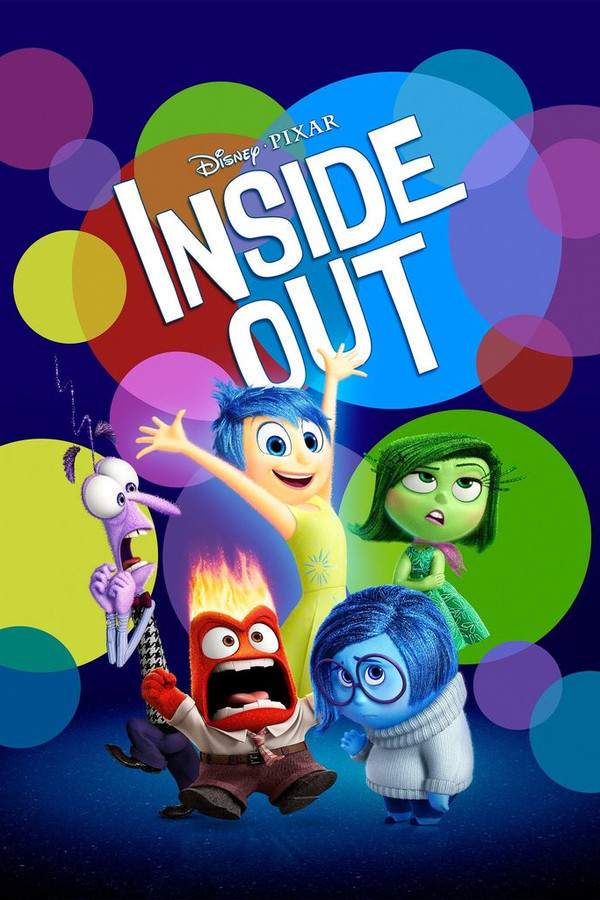
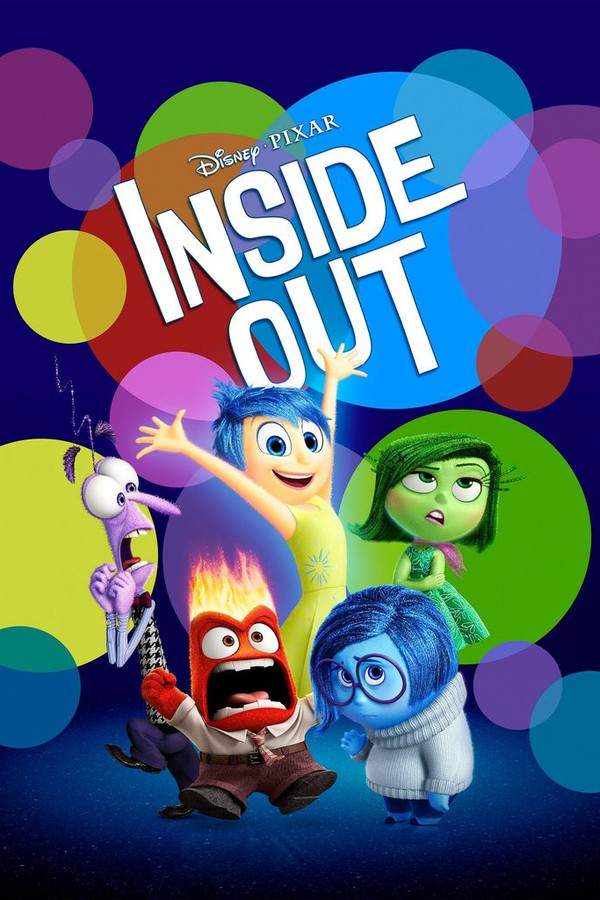
Inside Out (2015) movie poster

Plot Summary

Inside Out (2015) Plot Summary Explained

Release, runtime and language
2015 · 1 h 34 m · English
JustWatch #11,665 4
Directed by
Pete Docter, Ronnie Del Carmen
Starring
Rashida Jones, Diane Lane, John Ratzenberger, Josh Cooley, Amy Poehler, Bill Hader
Budget
$175M

Growing up can be a bumpy road, and it’s no exception for Riley, who is uprooted from her Midwest life when her father takes a new job in San Francisco. Inside her mind, Joy (Amy Poehler), Fear (Bill Hader), Anger (Lewis Black), Disgust (Mindy Kaling) and Sadness (Phyllis Smith) run Headquarters, guiding her reactions and shaping her memories as she adjusts to a new home and school.

On this page (5)
  1. 1 Where to watch
  2. 2 What happens: full plot
  3. 3 Plot questions answered
  4. 4 Movie threads
  5. 5 Every angle

Where to watch

Where to Watch Inside Out (2015)

Where can you watch Inside Out? Stream, rent or buy it in the US, including on Disney Plus, Amazon Video and Apple TV Store: current JustWatch availability with up-to-date prices.

Streaming availability powered by JustWatch

Full plot summary · contains spoilers

What Happens in Inside Out: Full Plot Summary

The whole story of Inside Out (2015) explained, from the opening scene to the final frame: every key event, every twist and what it all adds up to. Read it as a quick recap before the sequel, to check a scene you missed, or to finally understand what really happened.

Riley Andersen, Kaitlyn Diaz, grows up inside a bustling mind where five core emotions guide every choice: Joy, Sadness, Fear, Disgust, and Anger. These feelings, personified, keep Riley connected to her memories, which are stored as colorful orbs that travel from short-term to long-term memory each night. The most important memories become floating islands that shape Riley’s personality, with Joy taking the lead and often trying to curb Sadness, whom she sees as a troublemaker.

When Riley and her family relocate from Minnesota to San Francisco for her father’s job, life instantly shifts. On Riley’s first day at a new school, Sadness somehow retroactively tugs at joyous moments, turning a bright morning into a teary moment in front of classmates. That instant heartache marks Riley’s first truly sad core memory. Joy, determined to keep Riley buoyant, tries to purge the sorrow by sending the memory away through a pneumatic tube, but the struggle with Sadness goes awry and accidentally frees all of Riley’s core memories from Headquarters, leaving Joy, Sadness, and the core memories adrift.

With Joy and Sadness missing, Anger, Fear, and Disgust scramble to conjure new, happy memories—yet their attempts are clumsy and often disrupt Riley’s relationships with family, friends, and hobbies. As these faulty attempts pile up, Riley drifts away from the people who care about her. In the absence of the original core memories, the islands begin to crumble, and the personality map slides toward a bleak place—the Memory Dump, where memories fade into nothingness as they’re forgotten.

Lost in the vast territory of Riley’s long-term memory, Joy and Sadness meet Bing Bong, a pink elephant and Riley’s childhood imaginary friend. Bing Bong suggests boarding the legendary train of thought that could ferry them back to Headquarters, offering a glimmer of hope. Meanwhile, Anger, intent on restoring Riley’s happiness, convinces Fear and Disgust that Riley should run away and return to Minnesota, where her bright memories were first formed. Joy, Sadness, and Bing Bong do reach the train, but a cascade of collapsed islands derails their plan. A failed attempt to return via a recall tube leaves Joy and Bing Bong stranded as the ground gives way beneath the tube, plunging them into the Memory Dump.

Within the Memory Dump, Joy stumbles upon a memory that reveals a core truth: Sadness isn’t a nuisance to be avoided, but a signal that Riley needs support from others. This breakthrough reframes the purpose of Sadness, showing that emotional honesty can invite care and connection. Joy and Bing Bong attempt to escape using a song-powered wagon, driven by memory fuel, yet their ascent falters under their own weight. In a poignant moment, Bing Bong sacrifices himself—leaving the wagon so Joy can slip free and escape to safety, while Bing Bong fades away.

Back in Riley’s life, Anger’s reckless plan short-circuits the mind’s control console, pushing Riley toward a depressive drift as she boards a bus back to Minnesota. Joy reunites with Sadness, returning to Headquarters where a surprising collaboration begins: Sadness takes the helm, and together they reboot the console by removing the idea bulb and restarting Riley’s emotional engine. This shift prompts Riley to break down and tell her parents the truth—that she misses her old life in Minnesota. Her mom and dad respond with warmth, admitting they miss their daughter’s old home too, which helps Riley feel understood and supported.

With Sadness guiding the process, Joy joins hands with her to create a new kind of core memory—one that carries both happiness and sadness. A new island forms, symbolizing Riley’s growing acceptance of her life in San Francisco. As time passes, a version of Riley at age twelve settles into her new routines: she has made fresh friends, picked up new hobbies, and learned how to navigate the balance of her changing emotions. Inside Headquarters, the emotions marvel at the renewed, multicolored core memories that now energize Riley, and the console expands so they can work together as a team. They even glimpse a red alarm light labeled “PUBERTY,” but decide it’s a development to address later, not a crisis to fear in the present.

In this longer view, the film leaves Riley more grounded than before: she has the resilience to adapt, the capacity to lean on those who care about her, and a deeper understanding that every feeling has a purpose in shaping who she becomes.
Last updated: May 07, 2026 at 14:20

Was this helpful?

Plot questions answered

Inside Out Plot Explained: Your Questions Answered

The questions people ask most about Inside Out (2015): what happens in the confusing scenes, why the characters do what they do, the twists, hidden details and what the ending means. Each answer contains spoilers.

Q1

Why does Sadness turn happy memories into sad ones?

On Riley's first day at her new school, Sadness touches a happy memory orb and retroactively changes it to sadness. This happens because emotions can influence memories after they've been stored, the more an emotion focuses on a memory, the more it can reshape its emotional tone. This single event creates Riley's first sad core memory and triggers the chain reaction that sends Joy and Sadness out of Headquarters.

Foreshadowing: Early in the film, Joy expresses concern about Sadness touching the memory orbs, hinting at the danger of emotional imbalance.

  • sadness
  • memory orbs
  • core memory
  • emotional control
Q2

How do the core memories get knocked out of Headquarters?

When Joy tries to send the sad core memory through the pneumatic tube to purge it, she struggles with Sadness. During this tussle, the tube releases unexpectedly and knocks all five core memories loose, sending them floating out of Headquarters into Riley's long-term memory. This leaves the personality islands without their power source.

Foreshadowing: The struggle between Joy and Sadness escalates as they both reach for the tube, making the accidental release inevitable.

  • core memories
  • headquarters
  • personality islands
  • pneumatic tube
Q3

What is the Memory Dump in Riley's mind?

The Memory Dump is a vast wasteland where forgotten memories go to disappear. When memories fade from long-term storage, they fall into this dark pit and dissolve into nothing. The personality islands actually crumble and fall into the Dump as they lose their core memories, representing how Riley's sense of self is literally falling apart.

Foreshadowing: Early in the film, the emotions glance at the Memory Dump as a distant, ominous place, establishing it as a threat.

  • memory dump
  • forgotten memories
  • personality islands
  • mindscape
Q4

Why does Bing Bong sacrifice himself to save Joy?

Bing Bong, Riley's imaginary friend from childhood, helps Joy escape the Memory Dump by using a memory-powered wagon. When the wagon becomes too heavy to climb out, Bing Bong jumps out, causing his body to fade away as he laughs one last time. He sacrifices himself because he wants Riley to be happy, and he knows his existence as a forgotten imaginary friend is already fading.

Foreshadowing: Bing Bong's earlier song about taking Joy to the moon establishes his loyal, selfless personality.

  • bing bong
  • imaginary friend
  • sacrifice
  • memory wagon
Q5

How does Joy realize Sadness is necessary?

While stranded in the Memory Dump, Joy discovers a forgotten memory of Riley losing a hockey game. Initially sad, the memory becomes positive when Riley's parents and friends comfort her. Joy understands that Sadness isn't a flaw, it's a signal that Riley needs help from others, allowing people to offer support and strengthen relationships.

Foreshadowing: This realization mirrors earlier moments when Sadness's presence prompted others to comfort Riley.

  • joy
  • sadness
  • emotional purpose
  • core truth
Q6

Why does Riley decide to run away to Minnesota?

Without Joy and Sadness in Headquarters, Anger, Fear, and Disgust struggle to create positive memories. Their failed attempts cause Riley to drift away from her friends and family. Anger concludes that returning to Minnesota, where Riley's happiest core memories formed, will fix everything, convincing Riley to board a bus back home.

Foreshadowing: The crumbling islands visually show Riley's emotional stability collapsing before she makes this decision.

  • run away
  • minnesota
  • anger
  • emotional breakdown
Q7

How do Joy and Sadness restart the emotional console?

When Joy returns to Headquarters, she hands control to Sadness, shocking the other emotions. Sadness removes the damaged idea bulb from the console and restarts the system. This allows Riley to feel her emotions fully again, giving her the clarity to tell her parents the truth about missing her old life.

Foreshadowing: The console had been short-circuited by Anger's reckless emotions earlier, making a restart necessary.

  • console
  • headquarters
  • idea bulb
  • emotional restart
Q8

What is the new multicolored core memory that forms at the end?

After Joy and Sadness work together to help Riley express her feelings, they create a new type of core memory, one that contains both happiness and sadness at the same time. This mixed memory forms a new personality island representing Riley's acceptance of her new life while still missing her old one. It proves emotions can coexist rather than compete.

Foreshadowing: The film's title and marketing already hint at the integration of multiple emotions.

  • mixed core memory
  • new island
  • emotional balance
  • acceptance
Q9

What does the PUBERTY alarm light mean at the end?

At the very end, the emotions notice a red alarm light labeled "PUBERTY" on the console. They decide it's not important right now and choose to focus on their current harmony. The reference hints at the sequel (Inside Out 2) and suggests that adolescence will bring new emotional challenges they aren't ready to face yet.

Foreshadowing: This moment appears only in the final scene, foreshadowing future changes.

  • puberty
  • sequel
  • hormonal changes
  • future
Q10

How does the train of thought work in Riley's mind?

The train of thought is a transportation system that moves through Riley's long-term memory, connecting different areas of her mind. When Joy, Sadness, and Bing Bong board it, they hope it will carry them back to Headquarters. The train runs on rails made of thought pathways and represents the subconscious processing that connects memories and emotions.

Foreshadowing: The train is introduced by Bing Bong as a legendary route, building hope for the characters' return.

  • train of thought
  • long-term memory
  • transportation
  • mind
Q11

Why do imaginary friends like Bing Bong eventually fade away?

Imaginary friends exist only as long as Riley remembers them. As she grows older and stops believing in them, they fade into the Memory Dump and dissolve. Bing Bong has already been fading for years, appearing worn and transparent. His sacrifice accelerates his disappearance, showing the bittersweet nature of growing up.

Foreshadowing: Bing Bong mentions he's "not really here anymore" when Joy meets him, indicating his fading state.

  • imaginary friends
  • growing up
  • fade away
  • childhood
Q12

Why do the personality islands crumble one by one?

Each personality island (like Hockey Island, Friendship Island, Family Island) is powered by a specific core memory. When the core memories were knocked loose from Headquarters, the islands lost their power source and began to crumble. The collapse accelerates when Anger's reckless emotions short-circuit the console, literally sending the islands falling into the Memory Dump.

Foreshadowing: The islands visibly shake and crack after the core memories depart, foreshadowing their complete failure.

  • personality islands
  • hockey island
  • friendship island
  • family island
  • collapse

Movie threads

More Movies Like Inside Out, by Mood & Story

Curated lists built around what makes Inside Out tick: the same mood, the same kind of story or the same emotional payoff. Each list explains why these movies belong together.

Imaginative Mind Journeys Like Inside Out

Fantastical explorations of the mind where abstract concepts come to life. Discover movies like Inside Out that explore psychological concepts through creative fantasy worlds. If you enjoyed the personification of emotions and memory-based adventures, these imaginative stories offer similar introspective journeys through metaphorical landscapes.

  • whimsical
  • imaginative
  • introspective
  • thoughtful
  • playful
  • metaphorical
  • Tone: whimsical, introspective, heartfelt
  • Pacing: steady, adventurous
Why these movies?

The story pattern: These stories typically follow a protagonist (or personified concepts) navigating a metaphorical world that represents some aspect of consciousness, memory, or emotion. The external fantasy adventure parallels an internal psychological journey, often leading to greater self-understanding and emotional integration.

Why they belong together: Movies in this thread share a unique blend of psychological depth and whimsical fantasy. They use creative world-building to make abstract concepts tangible, balancing imaginative adventure with meaningful exploration of how minds work, making complex ideas accessible to all ages.

Emotional Coming of Age Stories Like Inside Out

Stories where childhood innocence meets the complex reality of growing up. Find movies similar to Inside Out that explore childhood emotional development and major life transitions. If you appreciated its honest portrayal of growing up struggles, these heartfelt stories capture the bittersweet journey of maturing and finding oneself.

  • heartfelt
  • nostalgic
  • hopeful
  • melancholic
  • comforting
  • introspective
  • Tone: bittersweet, hopeful, melancholic
  • Pacing: steady, character-driven
Why these movies?

The story pattern: The narrative follows a young protagonist facing significant life changes that challenge their sense of identity and emotional stability. Through a journey of self-discovery, they learn to integrate complex emotions and navigate new realities, ultimately emerging with greater emotional maturity and resilience.

Why they belong together: These films share a bittersweet tone that authentically captures the emotional complexity of childhood transitions. They balance lighthearted moments with genuine emotional weight, focusing on character development, family dynamics, and the psychological impact of major life changes on young protagonists.

Every angle

Inside Out (2015) Explained: Plot, Timeline & Characters

Everything about Inside Out in one place: what happens in the plot summary, the timeline in chronological order, the characters and meaning and a spoiler-free summary. What's After the Movie adds the cast, box office and post-credit scenes.

Coming soon on iOS and Android

The Plot Explained Movie Summary App

Plot summaries, endings explained and timelines on your phone. Catch up on any movie in minutes, save your favorites and never miss a twist again.

Be the first to know when we launch. Your email stays private, always.

Learn more about the app