
In the Wake of the Bounty
Year: 1933
Runtime: 66 mins
Language: English
The film explores the story of the Bounty and is based on the 1932 novel Mutiny on the Bounty by Charles Nordhoff and James Norman Hall.
Where to Watch In the Wake of the Bounty?
Find where to stream, rent, or buy In the Wake of the Bounty (1933) in the US with current JustWatch availability, up-to-date pricing, and platform listings for subscription, rental, and digital purchase options.




Streaming availability powered by 
Warning: spoilers below!
Haven’t seen In the Wake of the Bounty yet? This summary contains major spoilers. Bookmark the page, watch the movie, and come back for the full breakdown. If you're ready, scroll on and relive the story!
In the Wake of the Bounty (1933) – Full Plot Summary & Ending Explained
Read the complete plot breakdown of In the Wake of the Bounty (1933), including all key story events, major twists, and the ending explained in detail. Discover what really happened, and what it all means.
In this hybrid film by Charles Chauvel, the opening dramatizes the mutiny with enacted scenes, then shifts to documentary footage that surveys the mutineers' descendants living on Pitcairn Island through an anthropological lens. The director also includes footage of Polynesian dancers and even a underwater shipwreck shot—captured from a glass-bottom boat—that he believes to be the Bounty, though many viewers think it isn't. As this was Chauvel's first "talkie", the film reveals a learning curve in directing actors: the dialogue often feels stiff and somewhat amateurish.
The structure blends long documentary narration with dramatic re-creations, mirroring the experimental hybrids of the era when silent and sound films coexisted. This approach reflects Chauvel's broad set of interests, and he would later return to documentary work with the BBC television series Walkabout. Despite the uneven dialogue, the documentary portions remain excellent, offering clear insights into the aftermath rather than the mutiny itself.
Toward the end, the film returns to enactments and includes a single modern scene in which a child suffers because irregular ship visits prevented timely hospital care; this device appears intended to give a voice to the Pitcairn Island community, which had contributed generously to the production. Ultimately, the movie blends re-enactment with documentary to emphasize the consequences of the mutiny and its lasting impact on those left behind.
Last updated: February 20, 2026 at 12:30
In the Wake of the Bounty (1933) Plot Questions Answered – Summary FAQ
Explore frequently asked questions about In the Wake of the Bounty (1933) with spoiler-rich answers covering the full plot summary, major story beats, character motivations, hidden details, and ending meaning. This movie summary FAQ helps explain confusing scenes, plot twists, and narrative decisions in clear, searchable detail.
Why does the film focus on Pitcairn Island descendants rather than the mutiny itself?
The film deliberately shifts focus to the descendants of the mutineers living on Pitcairn Island to emphasize the long-term consequences of the mutiny rather than the dramatic event itself. Director Charles Chauvel wanted to give a voice to the Pitcairn Island community and show how the historical revolt shaped generations of their descendants. This approach reflects the film's documentary impulse, exploring the aftermath and everyday life of those left behind.
The opening mutiny reenactment establishes the historical event that triggers the film's central focus on its lasting impact.
Is the underwater shipwreck footage in the film actually the Bounty?
The underwater footage of a shipwreck was captured from a glass-bottom boat near Pitcairn Island, but it has never been confirmed to be the actual HMS Bounty. Director Charles Chauvel believed the wreck shown in the film was the Bounty, though many viewers and historians dispute this claim. The sequence serves more as a visual curiosity and symbolic moment rather than definitive archaeological evidence.
What is the purpose of the modern scene with the sick child at the end?
The closing scene depicts a child suffering because irregular ship visits prevented timely hospital care. This scripted modern moment serves as a direct plea for the Pitcairn Island community, highlighting the practical consequences of their isolation. Chauvel included this scene to give voice to the islanders who generously participated in the production, emphasizing their ongoing struggles rather than just the historical mutiny.
Why does the film include footage of Polynesian dancers?
The Polynesian dance sequences were included to add cultural texture and anthropological tone to the documentary portions of the film. These scenes contrast with the harsh realities of the mutiny's aftermath, providing a visual representation of the island's cultural landscape. The dancing footage reflects Chauvel's interest in documenting the community's traditions and daily life beyond the historical event.
Why is the dialogue in the film so stiff and amateurish?
This was Charles Chauvel's first 'talkie' (sound film), and the production revealed his learning curve in directing actors for spoken dialogue. The stiff and amateurish dialogue reflects the challenges of early sound cinema, particularly for directors transitioning from silent films. This technical limitation has become noted as part of the film's historical context, though the documentary portions remained highly regarded.
How did the Bounty mutiny affect the mutineers' descendants on Pitcairn Island?
The mutiny set in motion a chain of events that resulted in the mutineers settling on remote Pitcairn Island with their Tahitian companions. The documentary footage shows their descendants living in a small, isolated community with distinct customs and social fabric. The film explores how the historical act of rebellion created a new society cut off from the outside world, facing challenges like irregular supply ships and limited medical access.
How does the film's hybrid documentary-enactment structure work?
The film alternates between dramatic reenactments of the 1789 mutiny and documentary footage of Pitcairn Island in the 1930s. This structure mirrors the experimental hybrids of the era when silent and sound films coexisted. The documentary sections feature voiceover narration providing historical context, while the enacted scenes dramatize key moments. The blending creates a unique viewing experience that connects past events to their present-day consequences.
What is the historical significance of In the Wake of the Bounty?
The film represents a transitional moment in cinema history, blending silent-era sensibilities with early sound practices. Its documentary portions are praised as excellent examples of ethnographic cinema from the 1930s. The film stands as a curious artifact that influenced later hybrid documentary-drama works. Chauvel would later return to documentary work with the BBC series Walkabout, building on the techniques pioneered here.
Why did Chauvel include underwater footage in the film?
Chauvel included underwater footage of what he believed to be the Bounty's wreck to provide a striking visual element that connected the documentary present to the historical past. Shot from a glass-bottom boat near Pitcairn, the sequence adds mystery and curiosity to the narrative. It reflects Chauvel's desire to create an immersive, exploratory documentary experience that went beyond traditional narration.
How did the Pitcairn Island community participate in the film?
The Pitcairn Island community contributed generously to the film's production, with residents appearing in documentary footage and participating in the making of the film. Chauvel intended the work as a community-facing artifact that would highlight their experiences and struggles. The community's involvement was so significant that the modern scene with the sick child was included specifically to give voice to their challenges with isolation and limited resources.

Explore Movie Threads
Discover curated groups of movies connected by mood, themes, and story style. Browse collections built around emotion, atmosphere, and narrative focus to easily find films that match what you feel like watching right now.
Historical documentary hybrids with reenacted drama like In the Wake of the Bounty
Educational films blending factual reporting with dramatic reconstructions.Explore movies similar to In the Wake of the Bounty that blend documentary storytelling with dramatic reenactments. These films offer educational historical narratives with a mix of factual reporting and staged scenes for an informative yet engaging experience.



Narrative Summary
These films typically present historical events through a framework of factual narration intercut with dramatized recreations. The narrative serves educational purposes first, using dramatic elements to illustrate key moments from history while maintaining an informative tone.
Why These Movies?
Movies in this thread share a commitment to historical accuracy combined with accessible storytelling. They appeal to viewers who want both education and engagement, using reenactments to bridge the gap between dry documentation and full fictionalization.
Maritime mutiny narratives with historical context like In the Wake of the Bounty
Stories of rebellion on the high seas based on real events.Discover movies similar to In the Wake of the Bounty that focus on shipboard rebellions and maritime mutinies. These films typically blend historical accuracy with dramatic tension, exploring themes of oppression and resistance on the high seas.
In the Wake of the Bounty
1933

The Sea Ghost
1931

Suicide Fleet
1931

Ensign Pulver
1964

Murder in the Fleet
1935

Red Ensign
1934

Submarine Patrol
1938

The Battle of the River Plate
1956

Secret Sharer
2014

The Buccaneer
1938

And the Ship Sails On
1983

Manfish
1956
Onionhead
1958

Frenchman’s Creek
1944

Yankee Buccaneer
1952
Narrative Summary
These narratives follow the pattern of authority challenged by rebellion in confined maritime settings. They typically build tension through the escalation of grievances, culminating in dramatic mutiny scenes followed by consequences and survival challenges.
Why These Movies?
This thread groups films that share the compelling dynamic of maritime rebellion against oppressive authority. The isolated ship setting creates natural tension, while the historical basis adds weight to the moral dilemmas and dramatic outcomes.
Unlock the Full Story of In the Wake of the Bounty
Don't stop at just watching - explore In the Wake of the Bounty in full detail. From the complete plot summary and scene-by-scene timeline to character breakdowns, thematic analysis, and a deep dive into the ending - every page helps you truly understand what In the Wake of the Bounty is all about. Plus, discover what's next after the movie.
In the Wake of the Bounty Timeline
Track the full timeline of In the Wake of the Bounty with every major event arranged chronologically. Perfect for decoding non-linear storytelling, flashbacks, or parallel narratives with a clear scene-by-scene breakdown.

Characters, Settings & Themes in In the Wake of the Bounty
Discover the characters, locations, and core themes that shape In the Wake of the Bounty. Get insights into symbolic elements, setting significance, and deeper narrative meaning - ideal for thematic analysis and movie breakdowns.


Similar Movies to In the Wake of the Bounty
Discover movies like In the Wake of the Bounty that share similar genres, themes, and storytelling elements. Whether you’re drawn to the atmosphere, character arcs, or plot structure, these curated recommendations will help you explore more films you’ll love.
The Bounty
1984
Mutiny on the Bounty
1962
Mutiny on the Bounty
1935
Bounty Killer
2013
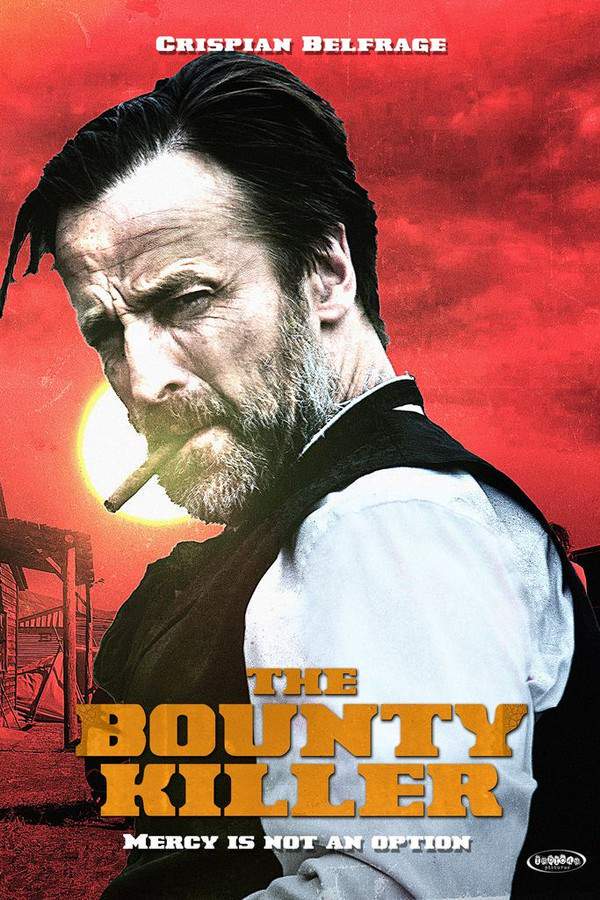
The Bounty Killer
2019

The Bounty Hunter
1989

Bounty Tracker
1993

The Bounty Hunter
1954

Billy Budd
1962
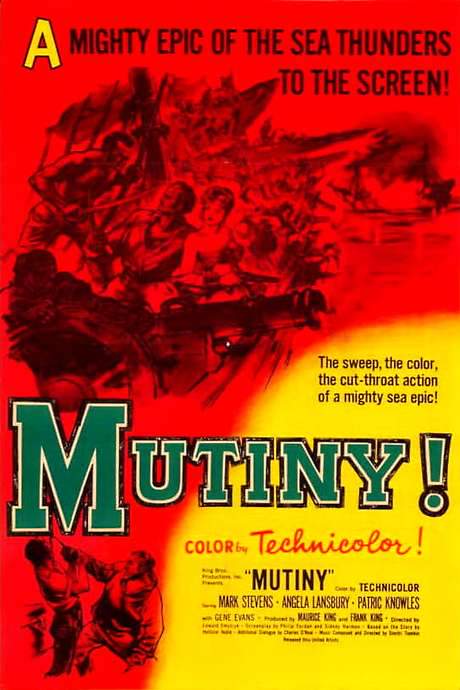
Mutiny
1952

The Bounty Man
1972

Bounty Hunters 2: Hardball
1997

Wake of the Red Witch
1948

The Black Pirate
1926

Bounty Hunters
1996
Explore More About Movie In the Wake of the Bounty
In the Wake of the Bounty (1933) Scene-by-Scene Movie Timeline
In the Wake of the Bounty (1933) Movie Characters, Themes & Settings
In the Wake of the Bounty (1933) Spoiler-Free Summary & Key Flow
Movies Like In the Wake of the Bounty – Similar Titles You’ll Enjoy
The Bounty (1984) Complete Plot Breakdown
Mutiny on the Bounty (1962) Movie Recap & Themes
Mutiny on the Bounty (1935) Detailed Story Recap
Bounty Killer (2013) Full Summary & Key Details
The Bounty Killer (2019) Full Movie Breakdown
The Bounty Hunter (1989) Ending Explained & Film Insights
Bounty Tracker (1993) Detailed Story Recap
The Bounty Hunter (1954) Full Summary & Key Details
Billy Budd (1962) Plot Summary & Ending Explained
Mutiny (1952) Full Movie Breakdown
The Bounty Man (1972) Full Movie Breakdown
Bounty Hunters 2: Hardball (1997) Ending Explained & Film Insights
Wake of the Red Witch (1948) Full Movie Breakdown
The Black Pirate (1926) Plot Summary & Ending Explained
Bounty Hunters (1996) Movie Recap & Themes