Year: 1984
Runtime: 88 min
Language: English
Director: Jonathan Demme
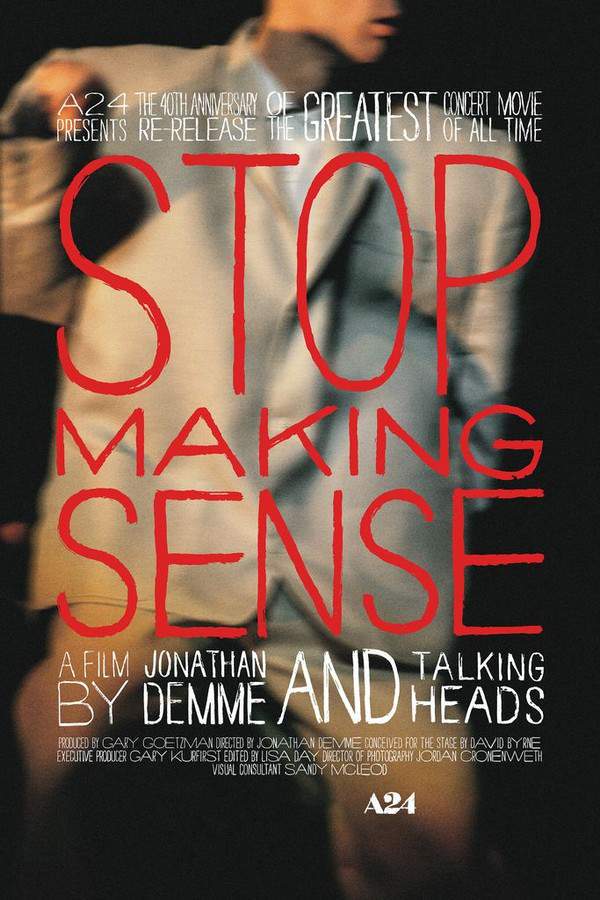
Jonathan Demme’s concert film vividly portrays a Talking Heads performance, beginning with David Byrne’s solo acoustic guitar set. The band gradually joins him, building to a vibrant and energetic spectacle. The film highlights the group’s artistic vision and showcases a memorable performance featuring Byrne’s signature oversized suit, creating a dynamic and electrifying experience for the viewer.
Find where to stream, rent, or buy Stop Making Sense (1984) in the US with current JustWatch availability, up-to-date pricing, and platform listings for subscription, rental, and digital purchase options.
Warning: spoilers below!
Haven’t seen Stop Making Sense yet? This summary contains major spoilers. Bookmark the page, watch the movie, and come back for the full breakdown. If you're ready, scroll on and relive the story!
Read the complete plot breakdown of Stop Making Sense (1984), including all key story events, major twists, and the ending explained in detail. Discover what really happened, and what it all means.
Stop Making Sense begins with the lead singer David Byrne stepping onto an empty stage, armed solely with an acoustic guitar and a portable cassette tape player. He introduces his first song, "Psycho Killer," declaring, > "I want to play a tape." As the performance unfolds, Byrne is gradually joined by his bandmates and several special guests. The talented Tina Weymouth makes her entrance for the song Heaven, followed closely by Chris Frantz who joins in for "Thank You for Sending Me an Angel," and Jerry Harrison for "Found a Job."
As the early songs play, multiple instruments and equipment are brought onto the bare stage, culminating in a powerful rendition of the band's iconic hit, "Burnin' Down the House." The film offers an insightful glimpse into the psyche of David Byrne, as the progression of the songs and the accompanying stage effects reflect his artistic vision. In a unique self-interview segment within the film, he eloquently discusses the physicality of music, emphasizing that while it may not always make sense to the mind, it can resonate deeply with the body.
Director Jon Demme employs wide-angle shots that effectively immerse the viewer in the experience of the live audience, enabling them to take in the entire stage and all its performers simultaneously. Unlike conventional concert films that often rely on quick cuts and fast-paced editing typical of MTV, much of Stop Making Sense showcases extended shots. This allows the audience to truly appreciate the performances and the interactions on stage. Furthermore, the minimal crowd shots—seen only at the film's conclusion—invite viewers to form their own opinions about the exhilarating experience.
This film serves as an essential exploration of one of the foremost bands in the New Wave movement of the late 1970s and 1980s, making it a must-watch for any devoted fan of Talking Heads.
Last updated: November 16, 2024 at 14:28
Explore frequently asked questions about Stop Making Sense (1984) with spoiler-rich answers covering the full plot summary, major story beats, character motivations, hidden details, and ending meaning. This movie summary FAQ helps explain confusing scenes, plot twists, and narrative decisions in clear, searchable detail.
The oversized suit is a key part of David Byrne's artistic persona and visual performance style. It represents his unique approach to performance art, creating a striking visual contrast between his physical body and the costume. The suit became one of his signature looks during this era and emphasizes the theatrical, almost surreal quality of his stage presence.
The suit is introduced in the opening moments when Byrne first appears solo on stage.
Director Jon Demme deliberately limited crowd shots to keep the focus entirely on the performers and their artistic expression. By showing minimal audience reaction throughout most of the film, Demme invites viewers to form their own opinions about the performance rather than being influenced by shown crowd responses. The only brief glimpses of the audience appear at the very end.
This stylistic choice is established from the opening and maintained throughout the performance.
The self-interview segment allows Byrne to directly communicate his artistic philosophy to the audience. During this unusual moment, he discusses the physicality of music, explaining that while music may not always make intellectual sense, it can deeply resonate with the body. This gives viewers insight into his creative mindset and how he views the relationship between performer and audience.
The interview occurs mid-film as the performance builds in intensity.
Jon Demme's approach contrasts sharply with typical concert films that rely on fast cuts and MTV-style editing. The extended shots allow viewers to fully appreciate the musicians' performances, their interactions on stage, and the gradual build-up of the music. Wide-angle shots immerse the audience in the live concert experience by showing the entire stage and all performers simultaneously.
This filming style is established from the very first shot of Byrne alone on stage.
The gradual addition of musicians creates a visual and musical arc that mirrors the building energy of a live performance. The stage begins completely empty, and as each member arrives, Tina Weymouth on bass, Chris Frantz on drums, and Jerry Harrison on keyboards, the sound and visual complexity grow. This progression reflects the collaborative nature of Talking Heads and turns the performance itself into a narrative experience.
The opening solo performance sets up this gradual buildup.
'Burning Down the House' is Talking Heads' most iconic hit and represents the peak of their energetic, genre-defying style. Placing it near the end creates a powerful climax to the concert, showcasing the full band's unified sound and visual impact after all members have joined the stage. The performance captures the band's innovative blend of punk, funk, and new wave.
The song arrives after the stage has been fully built up with instruments and all band members.
The film opens with 'Psycho Killer' performed solo by David Byrne, followed by 'Heaven' when Tina Weymouth joins, 'Thank You for Sending Me an Angel' with Chris Frantz, 'Found a Job' with Jerry Harrison, and builds through several more songs before culminating in 'Burning Down the House' as the finale.
Each new song introduction corresponds with another band member arriving on stage.
Unlike most concert films from the 1980s that used quick cuts and fast-paced MTV-style editing, Stop Making Sense employs extended shots and wide-angle cinematography. Rather than fragmenting the performance into rapid edits, Demme's approach lets the camera observe the performance as a cohesive experience, making viewers feel present in the audience rather than just watching edited highlights.
This difference is immediately apparent from the opening shot.
Discover curated groups of movies connected by mood, themes, and story style. Browse collections built around emotion, atmosphere, and narrative focus to easily find films that match what you feel like watching right now.
Movies that capture the raw energy and artistry of a live musical performance.If you enjoyed the vibrant energy of Stop Making Sense, discover more movies like it. These films capture the raw power of live music, offering immersive experiences that make you feel like you're in the front row. Explore similar documentaries and concert films featuring iconic artists and unforgettable performances.
Films in this thread follow the structure of a live event, often building from a simple beginning to a complex, full-scale production. The narrative is the performance itself, focusing on the artist's connection to the music and the audience's reaction, creating a shared, uplifting experience.
These movies are grouped by their shared focus on capturing the essence of a live performance. They prioritize high-energy presentation, immersive cinematography, and a celebratory tone that highlights artistic expression over traditional narrative arcs.
Cinematic experiences where visual artistry and concept are the central focus.For viewers who loved the unique artistic vision of Stop Making Sense, this section highlights movies with a similar focus on visual spectacle. Discover films where the cinematography, design, and overall aesthetic create a powerful, immersive experience akin to a moving painting or a theatrical performance.
The narrative in these films is often secondary to the visual and sensory experience. They may follow a loose structure built around a central aesthetic concept, using imagery, music, and pacing to evoke specific feelings and ideas rather than telling a conventional story.
These films are connected by their devotion to a singular artistic vision. They share an emphasis on visual dynamism, creative staging, and an immersive quality that engages the viewer on a sensory level, making the style of the presentation a key part of the content.
Don't stop at just watching - explore Stop Making Sense in full detail. From the complete plot summary and scene-by-scene timeline to character breakdowns, thematic analysis, and a deep dive into the ending - every page helps you truly understand what Stop Making Sense is all about. Plus, discover what's next after the movie.
Track the full timeline of Stop Making Sense with every major event arranged chronologically. Perfect for decoding non-linear storytelling, flashbacks, or parallel narratives with a clear scene-by-scene breakdown.
Discover the characters, locations, and core themes that shape Stop Making Sense. Get insights into symbolic elements, setting significance, and deeper narrative meaning - ideal for thematic analysis and movie breakdowns.
Discover movies like Stop Making Sense that share similar genres, themes, and storytelling elements. Whether you’re drawn to the atmosphere, character arcs, or plot structure, these curated recommendations will help you explore more films you’ll love.
Stop Making Sense (1984) Scene-by-Scene Movie Timeline
Stop Making Sense (1984) Movie Characters, Themes & Settings
Stop Making Sense (1984) Spoiler-Free Summary & Key Flow
Movies Like Stop Making Sense – Similar Titles You’ll Enjoy
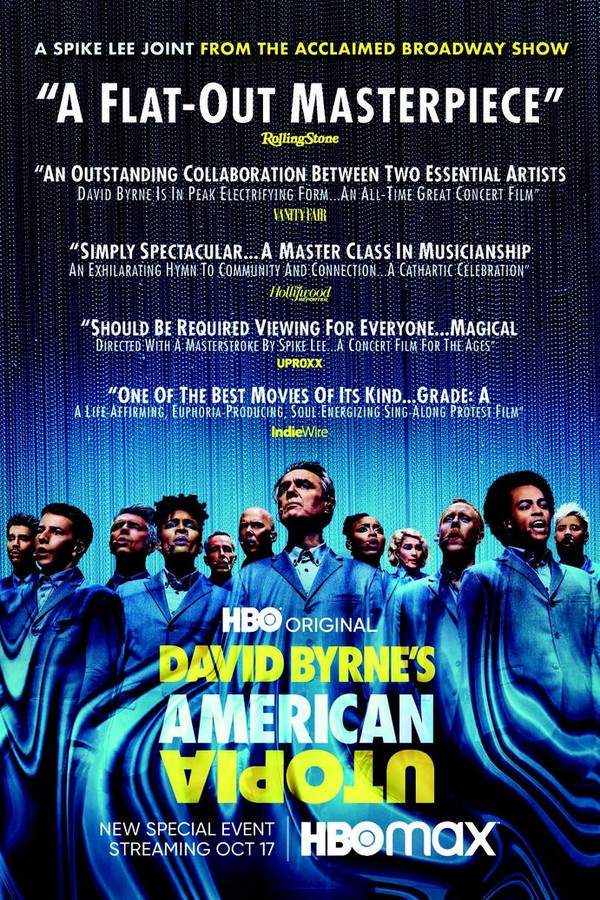
David Byrne's American Utopia (2020) Ending Explained & Film Insights
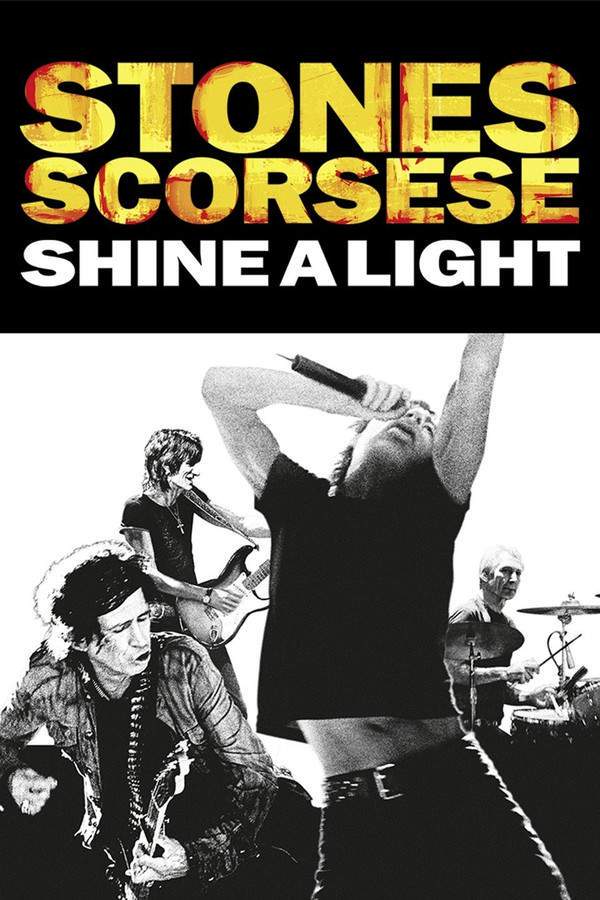
Shine a Light (2008) Complete Plot Breakdown
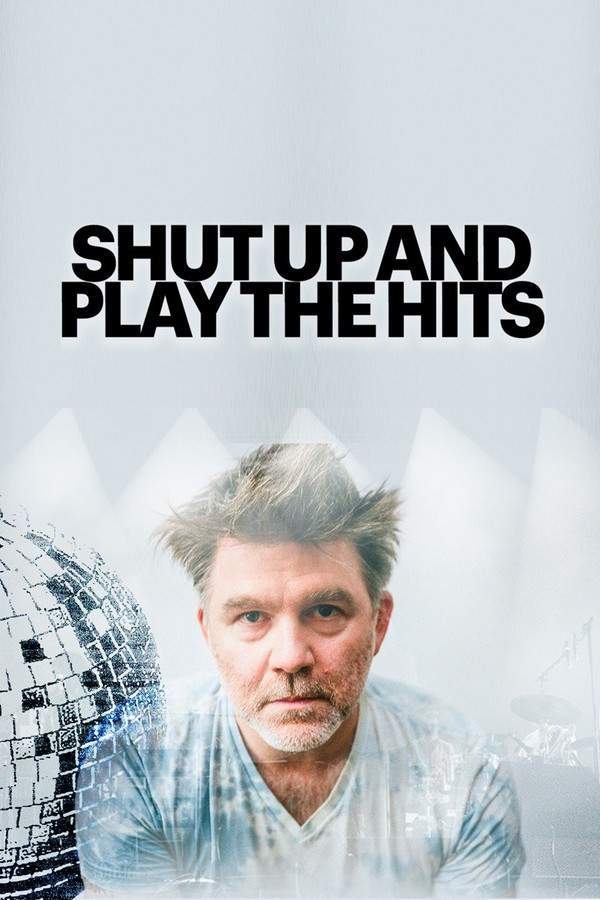
Shut Up and Play the Hits (2012) Movie Recap & Themes
Sign 'o' the Times (1987) Complete Plot Breakdown
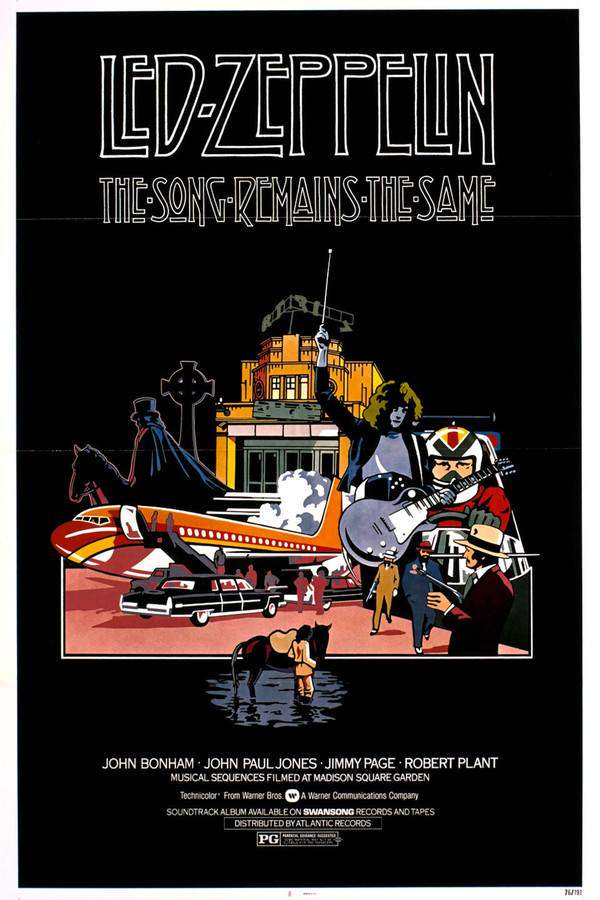
The Song Remains the Same (1976) Full Movie Breakdown
Talking Heads: Rock Pop in Concert (1981) Spoiler-Packed Plot Recap
Talking Heads: Live in Rome (1980) Detailed Story Recap
Talking Heads: Storytelling Giant (1988) Film Overview & Timeline
Big Time (1988) Movie Recap & Themes
Rockshow (1980) Story Summary & Characters
Talking Heads: The Name of this Programme is Once In A Lifetime (1984) Story Summary & Characters
Depeche Mode 101 (1989) Plot Summary & Ending Explained
Rush - A Show of Hands (1989) Movie Recap & Themes
Between the Teeth (1993) Story Summary & Characters
The T.A.M.I. Show (1964) Story Summary & Characters