Plot Explained Spoilers guaranteed!
Plot Explained

Browse by genre

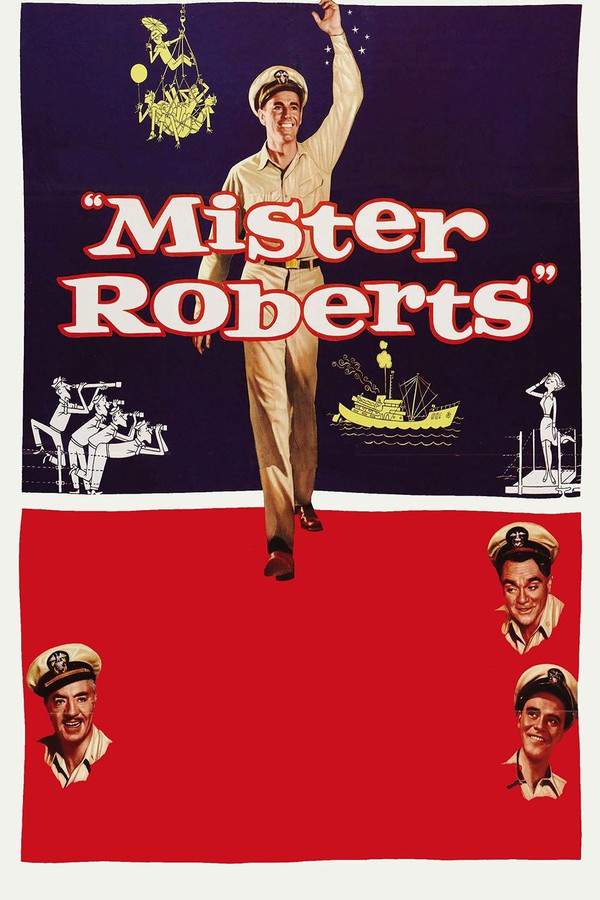
Ensign Pulver (1964) movie poster

Plot Summary

Ensign Pulver (1964) Plot Summary Explained

Release, runtime and language
1964 · 104 mins · English
Loading streaming availability…
Directed by
Joshua Logan
Starring
Jack Nicholson, Diana Sands, Walter Matthau, Burl Ives, Larry Hagman, Al Freeman Jr.

Following in the comedic tradition of “Mister Roberts,” the story unfolds aboard an aging cargo ship in the remote Pacific. Captain Morton, eager for promotion, imposes strict standards and denies any leniency, driving his crew to the brink of mutiny. When Ensign Pulver pulls a prank on the captain, the joke spirals into deadly consequences.

On this page (6)
  1. 1 Where to watch
  2. 2 What happens: full plot
  3. 3 Plot questions answered
  4. 4 Movie threads
  5. 5 Movies like Ensign Pulver
  6. 6 Every angle
Loading streaming availability…

Full plot summary · contains spoilers

What Happens in Ensign Pulver: Full Plot Summary

The whole story of Ensign Pulver (1964) explained, from the opening scene to the final frame: every key event, every twist and what it all adds up to. Read it as a quick recap before the sequel, to check a scene you missed, or to finally understand what really happened.

On a long sea voyage, Ensign Frank Pulver constantly feels unappreciated and overlooked by the crew. In a moment of reckless boldness, he targets the ship’s hard-edged hierarchy by aiming a sharp object at the despised Captain Morton Captain Morton. The crew is stunned, unable to believe that the quiet, seemingly all-talk Pulver could be capable of such a bold act. A casual poll to guess the identity of the “assassin” swings wildly, with votes landing on almost everyone except Pulver, a fact that only deepens his growing resentment.

As the ship continues its months-long vigil at sea, Pulver’s supposed invisibility among his peers becomes part of the ship’s running joke. Shipmates Billings, Insigna, Skouras and Yeoman Dolan do not take Pulver seriously, even as they openly loathe the captain. The tension thickens when the captain stubbornly refuses leave for seaman Bruno to attend his daughter’s funeral back home. Amid the abrasiveness and blame, Doc Doc stands out as the one who believes there might be more to Pulver’s potential than meets the eye.

Months at sea stretch Pulver’s restraint until a nearby atoll becomes a temporary distraction: a company of nurses disembarks, offering a chance for human connection. The head nurse is intrigued when Pulver introduces himself as a doctor serving on a destroyer, but Scotty quickly suspects the truth. Pulver confesses, admitting that he is no physician and that he is, in reality, only a junior officer on “the worst ship in the Navy.” The admission does little to change the dynamic aboard, yet it begins a fragile, begrudging dialogue between Pulver and those who doubt him.

Bruno’s sanity frays to a dangerous edge, and he makes a desperate and chilling attempt on the captain’s life. Pulver is reluctantly drawn into the crisis and acts to intervene, but the captain is knocked overboard in the ensuing chaos. Pulver seizes a life raft and plunges after him, saving Morton from drowning. Separated from their ship and unsure of one another’s fate for hours, Pulver and Morton share a tense, often adversarial journey aboard the raft. Pulver takes notes as Morton opens up about dark corners of his past, while Morton’s own health begins to trouble him, manifesting as pains in his right abdomen.

Their raft eventually drifts to a hospitable island inhabited by friendly natives, and Pulver, along with Scotty, makes contact with help on a nearby island where their plane had crash-landed during a storm. Morton is diagnosed with appendicitis, and Pulver follows the radio-guided instructions from Doc to perform a life-saving appendectomy on the captain. The successful operation marks a turning point, and upon their return to the ship, Morton’s iron rules reassert themselves—yet Pulver now holds real leverage.

In a bid for his own well-being, Morton decides to step away from the helm and depart, handing command over to the more popular LaSueur. The voyage leaves both Pulver and Morton with a complicated but undeniable respect for one another, tempered by the strange bond formed under extreme pressure and shared danger. What begins as a story of resentment and misfit authority ends with a fragile balance of power and mercy, and a recognition that courage can wear many faces aboard a ship that is, at heart, a family navigating storms both outside and within.

Last updated: October 09, 2025 at 09:30

Was this helpful?

Plot questions answered

Ensign Pulver Plot Explained: Your Questions Answered

The questions people ask most about Ensign Pulver (1964): what happens in the confusing scenes, why the characters do what they do, the twists, hidden details and what the ending means. Each answer contains spoilers.

Q1

Why did Ensign Pulver target Captain Morton with a sharp object?

Pulver had spent months feeling invisible and unappreciated by the crew. After being repeatedly dismissed and mocked despite his resentment toward the captain's harsh rule, Pulver acted impulsively to prove he wasn't just all talk. The attempt was his way of striking back at a hierarchy that had made him feel insignificant.

  • pulver
  • captain morton
  • assassination attempt
  • resentment
  • hierarchy
Q2

Why didn't the crew suspect Pulver was the attacker during the poll?

The crew had long dismissed Pulver as a harmless complainer who talked big but never acted. When voting on who might have aimed at the captain, they automatically excluded him from their guesses, this very dismissal, which had plagued Pulver throughout the voyage, is what deepened his resentment toward both the captain and his shipmates.

  • poll
  • crew
  • suspicion
  • pulvers invisibility
Q3

What drove Bruno to attempt killing Captain Morton?

Bruno had been denied compassionate leave to attend his daughter's funeral. The captain's stubborn refusal, combined with months of psychological strain at sea, pushed Bruno over the edge into a desperate and deranged murder attempt.

Foreshadowing: The captain's earlier refusal of Bruno's leave request plants the seeds for this breakdown.

  • bruno
  • captain morton
  • murder attempt
  • denial of leave
  • mental breakdown
Q4

Why did Pulver rescue Captain Morton after aiming at him earlier?

Despite his earlier attempt on Morton's life, Pulver couldn't stand by and watch the captain drown. The rescue was impulsive heroism, he grabbed a life raft and dove in without thinking through the contradiction. This act forced both the crew and Morton himself to reconsider what Pulver was truly capable of.

  • pulver
  • rescue
  • captain morton
  • drowning
  • heroism
Q5

How was Pulver able to perform a successful appendectomy on Captain Morton?

After drifting to an island where Morton was diagnosed with appendicitis, Pulver followed step-by-step radio instructions from Doc back on the ship. Though not a physician, he used those remote directions to perform the surgery, saving Morton's life when no proper medical help was available.

  • appendectomy
  • surgery
  • radio instructions
  • doc
  • survival
Q6

Why did Captain Morton agree to step down and leave the ship?

Morton developed appendicitis and owed his life to Pulver's intervention. After being saved by the man he once dismissed, and with Pulver now holding real leverage over him, Morton chose to leave rather than continue battling his crew. His departure represented a rare moment of self-recognition about his own limits.

Foreshadowing: Morton's health problems first appeared during the raft journey when he felt pains in his right abdomen.

  • morton
  • departure
  • command
  • lasueur
  • leverage
Q7

What happened to Bruno after his attack on Captain Morton?

The timeline doesn't specify Bruno's exact fate after his attempted murder of the captain. The focus shifts to the immediate crisis of Morton falling overboard and Pulver's rescue, leaving Bruno's ultimate consequence unclear.

  • bruno
  • attack
  • consequences
  • fate
Q8

Why was Doc the only crew member who believed in Pulver's potential?

Doc recognized something in Pulver that the rest of the crew overlooked, potential hidden beneath the persona of a harmless complainer. This insight was proven correct when Pulver ultimately demonstrated courage and capability, first by saving Morton and then by performing the life-saving surgery.

  • doc
  • pulvers potential
  • belief
  • encouragement
Q9

Why did the crew respect LaSueur more than Captain Morton?

Morton was known for his harsh, inflexible command style and his refusal to show compassion, such as denying Bruno leave for his daughter's funeral. LaSueur was described as more popular, suggesting he led with a fairer, more understanding approach that earned the crew's trust and respect.

  • lasueur
  • morton
  • leadership
  • respect
  • crew
Q10

How did being stranded together on the raft change Pulver and Morton's relationship?

stranded together for hours, Morton opened up about dark secrets from his past while Pulver took notes. This forced intimacy under extreme conditions created an unusual bond between them, Morton revealed vulnerability he'd never shown as captain, and Pulver gained insight into the man beyond the tyrant. When Pulver later saved his life, the dynamic shifted permanently.

  • raft
  • morton
  • pulvert relationship
  • bonding
  • secrets
Q11

What was the significance of the nurses arriving at the atoll?

The nurses' arrival offered the crew their first real human connection in months, breaking the monotony of the voyage. For Pulver, it presented an opportunity to reinvent himself briefly, he claimed to be a doctor, before being exposed by Scotty. This episode highlighted Pulver's deep need for recognition and respect from others.

  • nurses
  • atoll
  • scotty
  • pulvers deception
  • connection

Movie threads

More Movies Like Ensign Pulver, by Mood & Story

Curated lists built around what makes Ensign Pulver tick: the same mood, the same kind of story or the same emotional payoff. Each list explains why these movies belong together.

Satirical Rebellion Stories like Ensign Pulver

Chaotic pranks and quiet mutiny challenge oppressive authority figures. If you liked the crew's mix of pranks and mutiny in Ensign Pulver, explore more movies that feature a group challenging a corrupt or absurd authority figure. These stories share a similar tone of darkly comedic rebellion, steady pacing, and a focus on unlikely heroes proving themselves against the system.

  • satirical
  • adversarial
  • resentful
  • claustrophobic
  • redemptive
  • comical
  • Tone: satirical, adversarial
  • Pacing: steady, character-driven
Why these movies?

The story pattern: The narrative follows a group or individual confined by an unfair system, led by an antagonist whose authority is both oppressive and ridiculous. Conflict escalates through a series of comedic yet risky acts of defiance, testing the limits of the established order. The resolution is rarely a clean win, often leaving a bittersweet recognition that the system persists, but individual dignity has been reclaimed.

Why they belong together: These films are grouped by their unique blend of adversarial tension and satirical humor, driven by a core theme of rebellion. They share a moderate emotional weight and a steady pacing that allows the conflict between the underdogs and their superior to simmer, culminating in a morally complex outcome.

Claustrophobic Male Bonding Movies like Ensign Pulver

Men form deep alliances in confined spaces, tested by shared adversity. For viewers who enjoyed the crew dynamics and survival-at-sea setting of Ensign Pulver, this thread collects films about men forming deep, often humorous, bonds in confined, high-pressure situations. These stories explore themes of proving oneself and moral dilemmas within the unique world of a tight-knit group.

  • claustrophobic
  • tense
  • unlikely bond
  • comical
  • resentful
  • redemptive
  • Tone: light, tense, redemptive
  • Pacing: steady, deliberate
Why these movies?

The story pattern: The plot unfolds in a limited, often physically restrictive setting that intensifies interpersonal conflicts and alliances. A shared external pressure—be it a dangerous task, a harsh environment, or a common enemy—forces a diverse group of characters to rely on one another. Their journey is defined by the formation of an unlikely bond, tested by internal strife and external threats, leading to a resolution that solidifies their newfound respect and brotherhood.

Why they belong together: This grouping is defined by its specific world-building and character dynamics. The films share a claustrophobic mood, a steady or slow pacing that allows relationships to develop naturally, and a central focus on the theme of proving oneself within a group. The emotional weight is typically medium, balancing lighter moments of male bonding with the heavier stakes of their situation.

If you liked this

Movies Like Ensign Pulver

Similar movies to Ensign Pulver: the same genre, themes or kind of story. Each one comes with its own plot summary, timeline and ending explained.

Browse all movie summaries

Every angle

Ensign Pulver (1964) Explained: Plot, Timeline & Characters

Everything about Ensign Pulver in one place: what happens in the plot summary, the timeline in chronological order, the characters and meaning and a spoiler-free summary. What's After the Movie adds the cast, box office and post-credit scenes.

Coming soon on iOS and Android

The Plot Explained Movie Summary App

Plot summaries, endings explained and timelines on your phone. Catch up on any movie in minutes, save your favorites and never miss a twist again.

Be the first to know when we launch. Your email stays private, always.

Learn more about the app