Plot Explained Spoilers guaranteed!
Plot Explained

Browse by genre

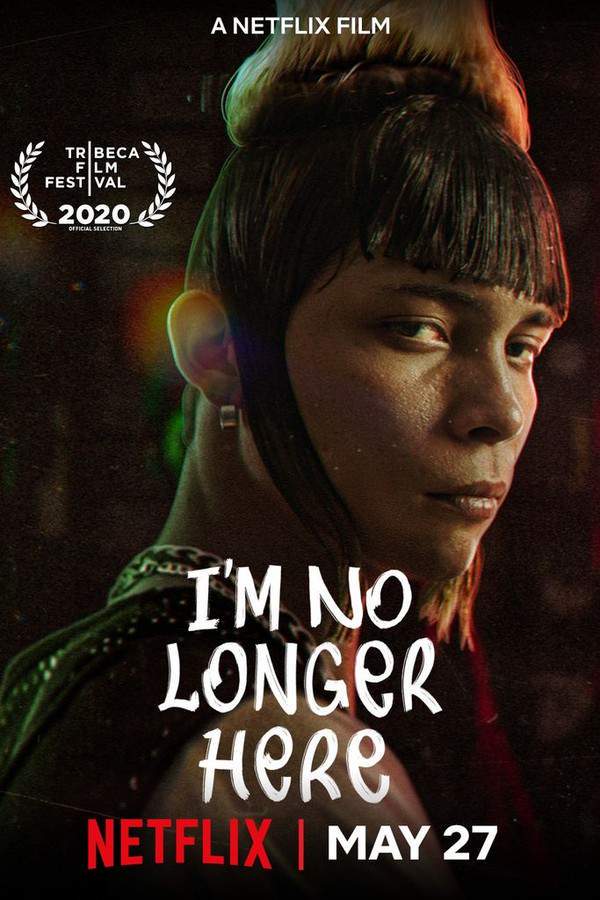
I’m No Longer Here (2019) movie poster

Characters & Themes

I’m No Longer Here (2019) Characters, Setting & Themes Explained

Release, runtime and language
2019 · 112 mins · Spanish
Echo score 77
Directed by
Luis Fernando Frías de la Parra
Starring
Adriana Arbelaes, Brandon Stanton, Fanny Tovar, Federico Mallet, Jonathan Espinoza, Juan Daniel Garcia Treviño
Budget
$849.1K

A young man’s life takes an unexpected turn when a confrontation with a powerful cartel forces him to flee his home in Monterrey, Mexico. Leaving behind his tight-knit street gang, who find solace in dancing to slowed-down cumbia music and attending vibrant parties, he embarks on a journey to the United States. Despite the change of scenery, he finds himself yearning for the familiar rhythms and community he left behind.

On this page (7)
  1. 1 Characters explained (8)
  2. 2 Where & when it takes place
  3. 3 Themes & meaning (4)
  4. 4 Character & meaning questions
  5. 5 Movie threads
  6. 6 Movies like I’m No Longer Here
  7. 7 Every angle

8 main characters · contains spoilers

I’m No Longer Here Characters Explained: Who Is Who

The main characters of I’m No Longer Here (2019), heroes and villains: what drives them, how they change over the course of the story and what each of them reveals about the film's bigger ideas.

  • Ulises Sampiero

    played by Juan Daniel Garcia Treviño

    A 17-year-old gang leader of Los Terkos who longs for belonging and respect in a volatile neighborhood. His loyalty to the crew clashes with the lure of a safer life abroad, and a stolen radio triggers mistrust that fractures his world. Deportation and isolation in the city reveal the personal cost of his choices.

    • 🎭 Protagonist
    • 🌍 Migrant
    • 🧩 Gang leader
  • Lin

    played by Xueming Angelina Chen

    Mr. Loh's grandniece who befriends Ulises and helps him adapt by teaching English and offering shelter. Her curiosity about his past and willingness to learn create a fragile bridge between cultures. Lin's friendship offers a glimmer of belonging in a foreign city.

    • 🤝 Friend
    • 🧭 Cultural mediator
  • Jeremy

    played by Jonathan Espinoza

    Ulises's friend from the slums who later embraces a different path, turning to Christianity and preaching to others in rap form. His transformation contrasts with the gang's violence and underscores a possible route to redemption or change. He remains a symbol of community and faith amid hardship.

    • 🎤 Performer
    • 🕊️ Faith
  • Chaparra

    played by Bianca Coral Puente Valenzuela

    A fellow Los Terkos member who helps drive the plot and embodies the crew's presence in the neighborhood. She is part of the colorful, tight-knit group that defines the gang's identity. Her actions, though small, ripple through Ulises's fate.

    • 🧩 Gang member
    • 🎨 Colorful style
  • La Prendida

    played by Deyanira Coronado

    A member of Los Terkos who embodies the street dynamics of the slums and the loyalty that keeps the gang together. Her presence highlights the harsh environment that shapes Ulises's decisions. She contributes to the atmosphere of risk that frames the narrative.

    • 🗡️ Gang member
    • 🌆 Street presence
  • La Chida

    played by Yocelin Coronado

    Another Los Terkos member who participates in key moments of the gang's life in the slums. Her actions reflect the collective identity of the group and the pressures they face. She is part of the lived environment that forms Ulises's experience.

    • 🧷 Gang member
    • 🌀 Street culture
  • Mr. Low

    played by Chung Tak Cheung

    Owner of the store whose rooftop becomes Ulises's early workplace and where Lin forms a friendship with him. He represents the ordinary civilian world intersecting with migrant life. His establishment acts as a minor hub in Ulises's new environment.

    • 🏬 Store owner
    • 🪵 Employer
  • Omar

    played by Juan Garcia

    A member of the Los F violence network who threatens Ulises and embodies the constant danger of the criminal underworld. His presence escalates the stakes for Ulises and shapes the decisions he makes about leaving the life he knew. Omar's presence marks the ongoing risk in the slums.

    • 🎭 Antagonist
    • 🗡️ Gang member

Last updated: November 22, 2025 at 15:49

Was this helpful?

Setting

Where and When Does I’m No Longer Here Take Place?

The setting of I’m No Longer Here (2019): the year and time period, the places and locations, and how they shape the characters, the mood and the tension of the story.

Time period

2011

Set in 2011, the film portrays a period of intense gang activity in Monterrey and a growing wave of migration across the border. The early 2010s context shapes the characters' choices, fashion, and music as forms of identity and resistance. Deportation and transnational movement underscore the precariousness of life for young people on the margins.

Location

Monterrey, Mexico, Queens, New York, USA

The story begins in the crowded slums of Monterrey, where Los Terkos cultivate a bright, counter-cultural identity amid poverty and danger. The group spends their time at dance parties and showing off their colorful styles, living on the edge of crime. The narrative then shifts to Queens, New York, where Ulises attempts to rebuild his life among migrant workers and a foreign urban landscape.

  • 🏙️ Urban setting
  • 🧭 Migration context
  • 🎨 Street culture

Last updated: November 22, 2025 at 15:49

Was this helpful?

4 major themes

I’m No Longer Here Meaning: Themes & Message Explained

What is I’m No Longer Here (2019) really about? The emotional, social and philosophical themes the film keeps returning to, its symbolism and the message beneath the surface.

  • Migration

    Ulises's move from Mexico to the United States marks a perilous escape from gang violence and a search for safety. The cross-border journey highlights the vulnerability of migrants, who face language barriers, precarious work, and uncertain legal status. The theme also considers how distance from home strains family ties and personal identity.

  • Identity

    The film traces Ulises's struggle to define himself beyond Los Terkos, while Lin helps him navigate a new culture and language. The tension between street allegiance and a possible new self drives much of the character dynamic. Identity is shown as something learned, negotiated, and sometimes fractured by circumstance.

  • Violence

    Violence threads through the slums and the border, from drive-by shootings to threats from rival factions. Survival hinges on loyalty, quick decisions, and the willingness to leave a life behind. The narrative portrays violence as a corrosive force that disrupts families and futures.

  • Culture

    Music and dance—Cumbia rebajada, Kolombia, and street performances—anchor Ulises's world and symbolize belonging. The portable MP3 device becomes a lifeline to home and a symbol of resistance against cultural erasure. Across borders, music travels and reshapes identity within migrant communities.

Last updated: November 22, 2025 at 15:49

Was this helpful?

Character & theme questions

I’m No Longer Here Characters & Meaning: Your Questions Answered

The questions people ask about I’m No Longer Here (2019): who the characters really are, their relationships, what the symbols mean, where it takes place and what the movie is really about. Each answer contains spoilers.

Q1

Where is the movie set?

The story unfolds in two primary locations: the crowded slums of Monterrey, Mexico, where Los Terkos gang members live, and Queens, New York, where Ulises attempts to rebuild his life after fleeing north. The contrast between these settings underscores the film's themes of displacement and cultural adaptation.

  • monterrey
  • queens
  • new york
  • setting
  • locations
  • mexico
  • usa
Q2

What is Los Terkos?

Los Terkos is a youth street gang in Monterrey's slums whose members express their identity through colorful fashion and dancing to slowed-down cumbia music. The group provides a sense of belonging and community for marginalized youth living amid poverty and cartel violence.

  • los terkos
  • gang
  • monterrey
  • street culture
  • cumbia
Q3

What year is the film set in?

The film is set in 2011, capturing the early 2010s era of intense gang activity in Monterrey and the growing wave of migration across the US-Mexico border. This period shaped the characters' fashion, music choices, and the precariousness of life on the margins.

  • 2011
  • time period
  • era
  • 2010s
  • monterrey
Q4

What does the cumbia music represent in the film?

Music and dance serve as anchors of identity and belonging throughout the film. Cumbia rebajada, or slowed-down cumbia, defines Los Terkos' cultural expression and provides Ulises with a lifeline to his homeland. The portable MP3 player becomes a symbol of resistance against cultural erasure as music travels across borders.

  • cumbia
  • music
  • culture
  • dance
  • identity
  • mp3 player
Q5

Why does Ulises leave Mexico?

Ulises flees Monterrey after a confrontation with a powerful cartel forces him to choose between staying and risking death. His departure represents both a physical escape from gang violence and a desperate search for safety, though it means leaving behind his tight-knit community and the only identity he has known.

  • ulises
  • flee
  • cartel
  • violence
  • monterrey
  • migration
Q6

What are the main themes of the movie?

The film explores four interconnected themes: Migration, which depicts the dangerous journey and vulnerability of crossing borders; Identity, showing Ulises's struggle to define himself beyond his gang; Violence, portrayed as a corrosive force disrupting families and futures; and Culture, where music and dance become symbols of belonging and resistance against cultural erasure.

  • themes
  • migration
  • identity
  • violence
  • culture
  • meaning
Q7

What does the title mean?

The title reflects the film's core emotional territory: the profound loss of home, belonging, and cultural identity. Ulises physically leaves Mexico but remains culturally elsewhere, caught between two worlds and unable to fully belong to either.

  • title
  • meaning
  • symbolism
  • home
  • belonging
Q8

Who is Lin in the story?

Lin is Mr. Low's grandniece who befriends Ulises in Queens by teaching him English and offering friendship. Her curiosity about Ulises's past creates a fragile cultural bridge between them. Her friendship offers a glimpse of belonging in an otherwise isolating foreign city.

  • lin
  • character
  • english
  • friendship
  • help
  • queens
Q9

How does the film portray immigrant life in America?

The film depicts the immigrant experience as isolating and precarious, showing Ulises navigating language barriers, uncertain legal status, and difficult manual labor. Life in Queens is portrayed as slow and isolating compared to the energetic communal life he left behind in Monterrey, emphasizing the emotional cost of displacement.

  • immigrant
  • america
  • queens
  • isolation
  • work
  • language barrier
Q10

What is the street dance style shown in the film?

The dance style associated with Los Terkos involves vibrant, stylized movements performed to slowed-down cumbia music at street parties. This form of expression serves as counter-cultural identity markers in the slums, showcasing how marginalized youth use fashion and dance to assert belonging and resist their circumstances.

  • dance
  • street culture
  • style
  • fashion
  • parties
  • cumbia

Movie threads

More Movies Like I’m No Longer Here, by Mood & Story

Curated lists built around what makes I’m No Longer Here tick: the same mood, the same kind of story or the same emotional payoff. Each list explains why these movies belong together.

Movies about exile and displacement like I'm No Longer Here

Stories of characters forced from their homes, grappling with profound loneliness and cultural loss. If you were moved by the profound sadness of leaving home in I'm No Longer Here, this collection features similar stories of involuntary exile. These films explore the heavy emotional weight of displacement, the struggle to maintain cultural identity, and the haunting nostalgia for a life left behind.

  • nostalgic
  • lonely
  • somber
  • isolating
  • desperate
  • oppressive
  • Tone: melancholic, somber
  • Pacing: variable, contemplative
Why these movies?

The story pattern: Narratives in this thread often follow a character or group violently or unexpectedly torn from their cultural foundation. The story structure frequently uses flashbacks or parallel editing to contrast vibrant memories of the past with the bleak, lonely present. The central conflict is internal—a battle against despair and the erosion of self—as much as it is external.

Why they belong together: These films are united by their melancholic tone and heavy emotional weight, focusing squarely on the trauma of displacement. They share a thematic core of lost cultural identity and the painful, often futile, attempt to rebuild a sense of belonging in an alien world.

Movies about youth culture and alienation like I'm No Longer Here

Young protagonists navigating hostile environments, clinging to subculture as an anchor. Fans of I'm No Longer Here's depiction of youth subculture colliding with harsh reality will appreciate these films. They capture the specific angst of young people whose identities are tied to a community, and the profound alienation they experience when that world is shattered or rejected.

  • alienating
  • oppressive
  • nostalgic
  • desperate
  • rebellious
  • gritty
  • Tone: melancholic, tense
  • Pacing: variable
Why these movies?

The story pattern: The narrative pattern involves a tight-knit youth community that provides identity and belonging. An external force—often violence, economic pressure, or displacement—shatters this bubble, propelling the protagonist into a mainstream or hostile society that does not understand them. The journey is one of internal conflict, wrestling with the loss of their old self while being pressured to assimilate.

Why they belong together: This thread connects films through their focus on the potent mix of youth, subculture, and the crushing experience of being an outsider. They share a high intensity stemming from the life-altering stakes faced by young characters and a tone that balances vibrant cultural specificity with the melancholy of loss.

If you liked this

Movies Like I’m No Longer Here

Similar movies to I’m No Longer Here: the same genre, themes or kind of story. Each one comes with its own plot summary, timeline and ending explained.

Browse all movie summaries

Every angle

I’m No Longer Here (2019) Explained: Plot, Timeline & Characters

Everything about I’m No Longer Here in one place: what happens in the plot summary, the timeline in chronological order, the characters and meaning and a spoiler-free summary. What's After the Movie adds the cast, box office and post-credit scenes.

Coming soon on iOS and Android

The Plot Explained Movie Summary App

Plot summaries, endings explained and timelines on your phone. Catch up on any movie in minutes, save your favorites and never miss a twist again.

Be the first to know when we launch. Your email stays private, always.

Learn more about the app