Plot Explained Spoilers guaranteed!
Plot Explained

Browse by genre

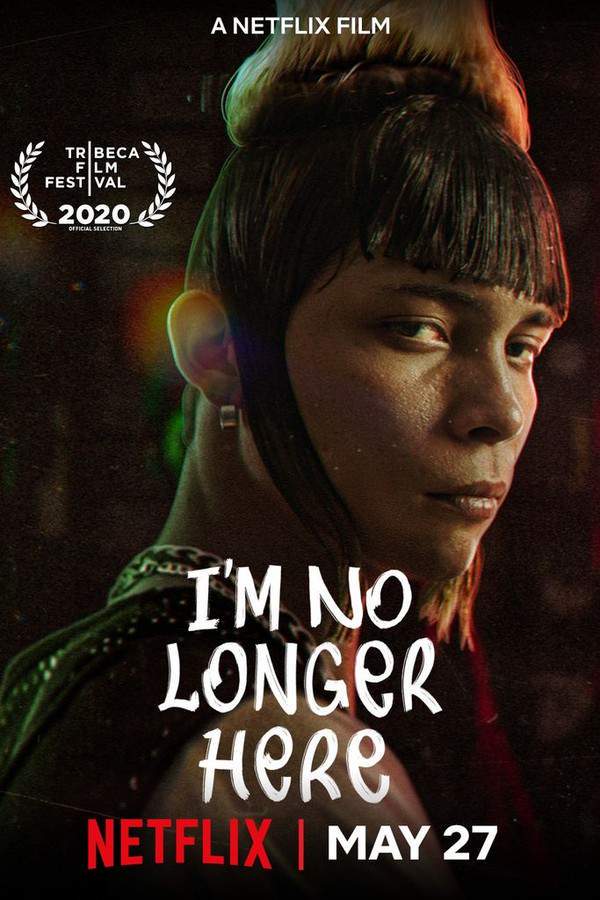
I’m No Longer Here (2019) movie poster

Timeline

I’m No Longer Here (2019) Timeline Explained – Every Event in Order

Release, runtime and language
2019 · 112 mins · Spanish
Echo score 77
Directed by
Luis Fernando Frías de la Parra
Starring
Adriana Arbelaes, Brandon Stanton, Fanny Tovar, Federico Mallet, Jonathan Espinoza, Juan Daniel Garcia Treviño
Budget
$849.1K

A young man’s life takes an unexpected turn when a confrontation with a powerful cartel forces him to flee his home in Monterrey, Mexico. Leaving behind his tight-knit street gang, who find solace in dancing to slowed-down cumbia music and attending vibrant parties, he embarks on a journey to the United States. Despite the change of scenery, he finds himself yearning for the familiar rhythms and community he left behind.

On this page (5)
  1. 1 Events in order (13)
  2. 2 Timeline questions answered
  3. 3 Movie threads
  4. 4 Movies like I’m No Longer Here
  5. 5 Every angle

13 events in order · contains spoilers

I’m No Longer Here Timeline: Events in Chronological Order

Every key event of I’m No Longer Here (2019) in order, scene by scene, with when and where it takes place. Use it to untangle flashbacks, time jumps and parallel storylines, to refresh your memory before the sequel or to find the exact scene you are thinking of.

  1. Ulises leads Los Terkos in Monterrey

    In 2011, Ulises, a 17-year-old, leads Los Terkos, a gang centered on dancing and the Kolombia counter-culture. They wear bright, baggy clothes and spend their days at dance parties, showing off their colorful style. The group values camaraderie and self-expression as much as any criminal endeavor.

    When
    2011
    Where
    Monterrey, Mexico
  2. Confrontation with Los F outside a school

    Los Terkos attempt to grab money from students outside a school to fund an MP3 player, but they are confronted by a member of Los F who tries to scare them away. The tense standoff underscores the growing danger the Terkos face from a real criminal organization. The incident sets the stage for imminent violence.

    When
    2011
    Where
    Monterrey, Mexico
  3. Radio theft and mounting tension

    A member of Los F is arrested, and a Terkos steals the criminal's hand radio. That night, Ulises and the gang use the radio to prank Los F, drawing their attention and escalating tensions. The prank backfires, signaling the start of real danger for Ulises.

    When
    2011
    Where
    Monterrey, Mexico
  4. Armed threat from Los F

    Two armed Los F members locate Ulises and Jeremy and threaten to kill them unless they quit their relaxed gang life. The threat demonstrates how quickly casual mischief can become deadly coercion. Ulises begins to fear for his family as Los F tighten their grip.

    When
    2011
    Where
    Monterrey, Mexico
  5. Drive-by attack and betrayal accusation

    The next day Ulises witnesses a drive-by shooting in which Los F attack members of Los Pelones. One survivor, badly wounded, misidentifies Ulises as the traitor after recognizing the radio. The survivor curses Ulises and orders him to run, while his family faces retaliation.

    When
    2011
    Where
    Monterrey, Mexico
  6. Flight to safety and a symbol of the past

    Ulises and his family flee the slum, and his mother uses favors to smuggle him into the United States illegally. Before leaving, Chaparra from Los Terkos entrusts Ulises with the MP3 device the gang planned to buy. The move marks a drastic break from his old life and sources of danger.

    When
    2011
    Where
    Monterrey, Mexico to Queens, New York, USA
  7. Arrival in Queens and beginning struggles

    Ulises arrives in Queens and starts living with day laborers, quickly running into trouble from language barriers, lack of English, and unfamiliar musical tastes. A clash over work and noise foreshadows further conflict in the immigrant environment. He struggles to adapt while clinging to memories of his past life.

    Where
    Queens, New York, USA
  8. Lin’s friendship and a place to belong

    Lin, Mr. Loh's grandniece, befriends Ulises and helps him settle in. She buys him a dictionary to learn English and offers him a run-down shed on the store roof as a place to live. Their growing friendship gives him a fragile sense of belonging in a strange city.

    Where
    Queens, New York, USA
  9. Dancing for money and homesickness

    To earn money, Ulises dances to his Kumbia in the subway and on the streets, but he is routinely deterred by police and passersby. He attends a party with Lin but leaves alone after getting drunk and feeling homesick. A call to his mother reveals that returning home is not an option, since Los F would kill him on sight.

    Where
    Queens, New York, USA
  10. Descent into despair

    He visits a Latin bar and reconnects with a Colombian sex worker, who tells him she cannot see him again. Wandering the streets, he buys a bottle of paint thinner and huffs it while cutting his hair in a dazed state. The episode marks a downward spiral driven by loneliness and danger.

    Where
    Queens, New York, USA
  11. Deportation back to Mexico

    Ulises is found sleeping on the streets by the police and is deported back to Mexico after months in custody. The deportation abruptly ends his attempt to escape his past and returns him to the Monterrey slums. He finds that his old world has changed while Los F have grown more entrenched.

    Where
    New York, USA
  12. Return to Monterrey and new dominance of Los F

    Back in Monterrey, Los F dominate the slums and many former Terkos have joined them. Ulises attends the funeral of an old Terko friend and reconnects with Jeremy, who has converted to Christianity and preaches rap to other boys. Ulises chooses to live on the streets again, continuing a solitary, wandering life.

    Where
    Monterrey, Mexico
  13. Final dance and police distraction

    Ulises dances one last time to the MP3 device before its battery dies. From a distance, he sees a crowd running toward the slums to hide from police after Los F distract by blocking a major avenue, allowing the gang to escape. The scene underscores the persistent danger that defines his world and its cycle of escape and threat.

    Where
    Monterrey, Mexico

Last updated: November 22, 2025 at 16:00

Was this helpful?

Timeline questions answered

I’m No Longer Here Timeline Explained: Your Questions Answered

When does it happen, and why in that order? The questions people ask about the chronology of I’m No Longer Here (2019): time jumps, flashbacks, cause and effect between scenes and the correct order of events, each answered with spoilers.

Q1

Why does Ulises have to flee Monterrey?

Ulises flees after a chain of events escalates dangerously. First, Los Terkos steal a hand radio from an arrested Los F member and use it to prank the gang, drawing their wrath. Two armed Los F members then threaten to kill Ulises and Jeremy unless they abandon their lifestyle. The next day, Ulises witnesses a drive-by against Los Pelones, and a wounded survivor mistakenly identifies Ulises as a traitor because he has the radio. Fearing for his family's safety, Ulises's mother arranges his smuggling into the United States.

Foreshadowing: The radio theft early in the film sets off the entire chain of events that forces Ulises to flee.

  • Ulises
  • Los F
  • Monterrey
  • flee
  • cartel
  • threats
  • radio theft
Q2

Why does Los F threaten Ulises and Jeremy?

Los F views Ulises and his friends as a threat after they steal and use a hand radio belonging to a Los F member for a prank. The prank, which involves calling Los F and drawing them out, escalates tensions significantly. Los F interprets the年轻人的 mischief as disrespect or potential snitching, leading to direct threats demanding they quit their carefree lifestyle or face death.

Foreshadowing: The earlier confrontation outside the school when Los Terkos tried to steal money foreshadows the growing danger from Los F.

  • Los F
  • threats
  • Ulises
  • Jeremy
  • prank
  • radio
Q3

What is Kolombia in the movie?

Kolombia is a counter-culture movement in Monterrey that centers on dancing, vibrant self-expression, and a specific music style. Its adherents dance to slowed-down cumbia music known as Cumbia rebajada, wear bright baggy clothes, and sport eccentric hairstyles. For Los Terkos, Kolombia represents more than just music, it's a way of life and community identity that contrasts sharply with the surrounding poverty and cartel violence.

Foreshadowing: From the opening scenes, the film emphasizes the colorful style and dancing as central to the gang's identity, establishing what Ulises will eventually lose.

  • Kolombia
  • Cumbia rebajada
  • dancing
  • culture
  • Los Terkos
Q4

Why can't Ulises return to Mexico after being deported?

Ulises cannot return because Los F would kill him on sight. When he calls his mother from Queens, she explicitly warns him that Los F has taken over the neighborhood and would murder him if he comes back. Even after his deportation, Los F remains dominant in the Monterrey slums, and returning means certain death.

Foreshadowing: The phone call with his mother in Queens establishes the permanent danger that prevents Ulises from ever going home.

  • deportation
  • Mexico
  • Los F
  • return
  • kill
  • threat
Q5

Why does Ulises cut his hair and inhale paint thinner?

Ulises experiences a breakdown driven by profound loneliness, homesickness, and desperation in Queens. After being rejected by a Colombian sex worker he had connected with, he wanders the streets, buys paint thinner, and huffs it while cutting his hair in a dazed state. This scene represents his lowest point, an emotional collapse caused by isolation, cultural displacement, and the impossibility of returning home.

Foreshadowing: Earlier scenes of homesickness and his struggle to adapt in Queens build toward this moment of despair.

  • paint thinner
  • hair cut
  • despair
  • loneliness
  • homesickness
  • Queens
Q6

What does Ulises's final dance mean?

Ulises's final dance is a poignant farewell to his former life and identity. After returning to Monterrey and seeing how Los F has taken over, he dances alone to the MP3 device that Chaparra gave him before he left. When the battery dies, it symbolizes the end of his connection to that past, the music, the community, the joy he once knew. It's a solitary, bittersweet goodbye to everything he lost.

Foreshadowing: The MP3 player was the original goal Los Terkos tried to fund, and Chaparra's gift of it represents the gang's blessing for his journey.

  • final dance
  • MP3
  • farewell
  • Monterrey
  • solitary
  • battery
Q7

Why does Lin help Ulises in Queens?

Lin, the grandniece of shopkeeper Mr. Loh, befriends Ulises out of curiosity about his background and genuine kindness. She offers him a dictionary to learn English and lets him stay in a rundown shed on the store's roof. Her friendship provides Ulises with a rare sense of belonging in an indifferent city, though it ultimately cannot erase his profound displacement and homesickness.

Foreshadowing: Lin first appears when Ulises works on the rooftop, showing her initial curiosity about this stranger from another world.

  • Lin
  • Queens
  • friend
  • English
  • roof shed
  • Mr. Loh
Q8

Why does Ulises choose to live on the streets after returning to Mexico?

Upon deportation, Ulises returns to find that Los F has risen to power and most of his former Los Terkos friends have joined them. At his friend's funeral, he reconnects with Jeremy, who has become a Christian rapper. Though Jeremy offers him a path, Ulises ultimately chooses to live alone on the streets, unable or unwilling to rejoin the changed community or commit to a new direction.

Foreshadowing: Jeremy's earlier warning about leaving the gang life hints at the difficult choices Ulises will face.

  • streets
  • Monterrey
  • return
  • Los F
  • Jeremy
  • homeless
Q9

Why is the MP3 player important in the movie?

The MP3 player serves as both a plot device and symbol throughout the film. Los Terkos originally attempt to steal money to buy one, and before Ulises leaves Monterrey, Chaparra gives him the device as a parting gift. In Queens, it becomes his connection to home, he dances to its music and it represents everything he's lost. When it dies during his final dance, it marks the end of his link to his past life.

Foreshadowing: The original plan to buy the MP3 player drives the early conflict with Los F.

  • MP3 player
  • Chaparra
  • gift
  • music
  • dance
Q10

What happens in the final scene with the police and Los F?

In the final scene, Los F blocks a major avenue to distract police, allowing gang members to escape while the neighborhood rushes to hide from law enforcement. Ulises watches from a distance as the community hunkers down and Los F exploits the chaos. The scene underscores the persistent cycle of violence and escape that defines Ulises's world, showing that even as he tries to leave, the same dynamics continue.

Foreshadowing: Throughout the film, Los F operates with impunity while residents live in fear of both cartels and police.

  • police
  • Los F
  • escape
  • distraction
  • Monterrey
  • final scene
Q11

Why is Ulises deported back to Mexico?

Ulises is deported after being found sleeping on the streets by police in New York. He spends months in custody before being sent back to Mexico. The deportation abruptly ends his attempt to build a new life in the United States and forces him to confront the changed reality of his hometown, where the same dangers that drove him away still prevail.

Foreshadowing: His struggles in Queens, working illegally, dancing for money, substance abuse, all contribute to his eventual detention.

  • deportation
  • New York
  • Queens
  • police
  • custody
  • Mexico
Q12

What happened to Jeremy in Monterrey?

Jeremy, Ulises's closest friend, remains in Monterrey throughout the film. After Ulises flees, Jeremy becomes a Christian rapper who preaches in the slums, offering religious guidance to other young people. When Ulises returns after deportation, Jeremy tries to convince him to stay and follow this new path, but Ulises declines. Jeremy represents one possible route away from gang life, though Ulises ultimately rejects it.

Foreshadowing: Jeremy's earlier warning about the dangers of their lifestyle foreshadows his eventual turn to religion.

  • Jeremy
  • Christian rapper
  • Monterrey
  • religion
  • conversion

Movie threads

More Movies Like I’m No Longer Here, by Mood & Story

Curated lists built around what makes I’m No Longer Here tick: the same mood, the same kind of story or the same emotional payoff. Each list explains why these movies belong together.

Movies about exile and displacement like I'm No Longer Here

Stories of characters forced from their homes, grappling with profound loneliness and cultural loss. If you were moved by the profound sadness of leaving home in I'm No Longer Here, this collection features similar stories of involuntary exile. These films explore the heavy emotional weight of displacement, the struggle to maintain cultural identity, and the haunting nostalgia for a life left behind.

  • nostalgic
  • lonely
  • somber
  • isolating
  • desperate
  • oppressive
  • Tone: melancholic, somber
  • Pacing: variable, contemplative
Why these movies?

The story pattern: Narratives in this thread often follow a character or group violently or unexpectedly torn from their cultural foundation. The story structure frequently uses flashbacks or parallel editing to contrast vibrant memories of the past with the bleak, lonely present. The central conflict is internal—a battle against despair and the erosion of self—as much as it is external.

Why they belong together: These films are united by their melancholic tone and heavy emotional weight, focusing squarely on the trauma of displacement. They share a thematic core of lost cultural identity and the painful, often futile, attempt to rebuild a sense of belonging in an alien world.

Movies about youth culture and alienation like I'm No Longer Here

Young protagonists navigating hostile environments, clinging to subculture as an anchor. Fans of I'm No Longer Here's depiction of youth subculture colliding with harsh reality will appreciate these films. They capture the specific angst of young people whose identities are tied to a community, and the profound alienation they experience when that world is shattered or rejected.

  • alienating
  • oppressive
  • nostalgic
  • desperate
  • rebellious
  • gritty
  • Tone: melancholic, tense
  • Pacing: variable
Why these movies?

The story pattern: The narrative pattern involves a tight-knit youth community that provides identity and belonging. An external force—often violence, economic pressure, or displacement—shatters this bubble, propelling the protagonist into a mainstream or hostile society that does not understand them. The journey is one of internal conflict, wrestling with the loss of their old self while being pressured to assimilate.

Why they belong together: This thread connects films through their focus on the potent mix of youth, subculture, and the crushing experience of being an outsider. They share a high intensity stemming from the life-altering stakes faced by young characters and a tone that balances vibrant cultural specificity with the melancholy of loss.

If you liked this

Movies Like I’m No Longer Here

Similar movies to I’m No Longer Here: the same genre, themes or kind of story. Each one comes with its own plot summary, timeline and ending explained.

Browse all movie summaries

Every angle

I’m No Longer Here (2019) Explained: Plot, Timeline & Characters

Everything about I’m No Longer Here in one place: what happens in the plot summary, the timeline in chronological order, the characters and meaning and a spoiler-free summary. What's After the Movie adds the cast, box office and post-credit scenes.

Coming soon on iOS and Android

The Plot Explained Movie Summary App

Plot summaries, endings explained and timelines on your phone. Catch up on any movie in minutes, save your favorites and never miss a twist again.

Be the first to know when we launch. Your email stays private, always.

Learn more about the app