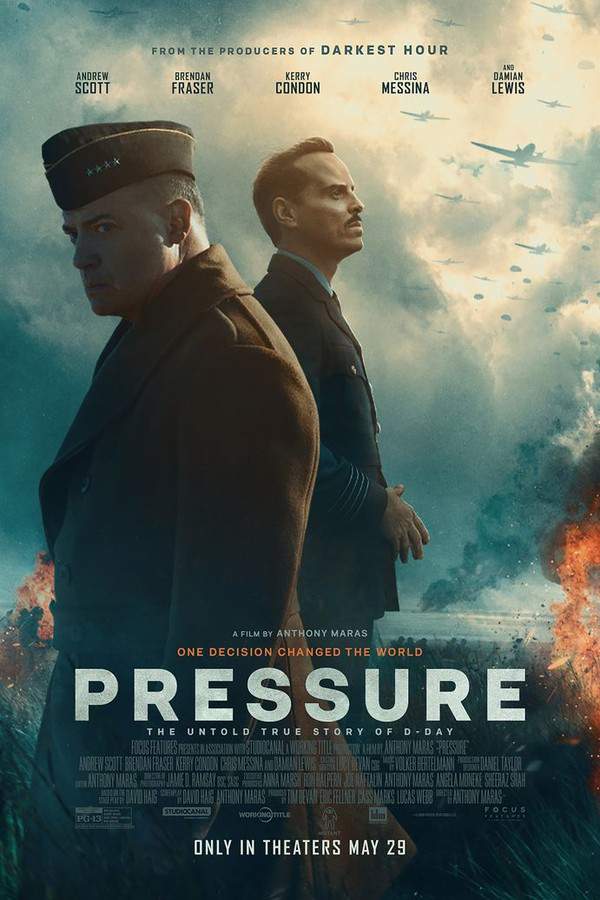
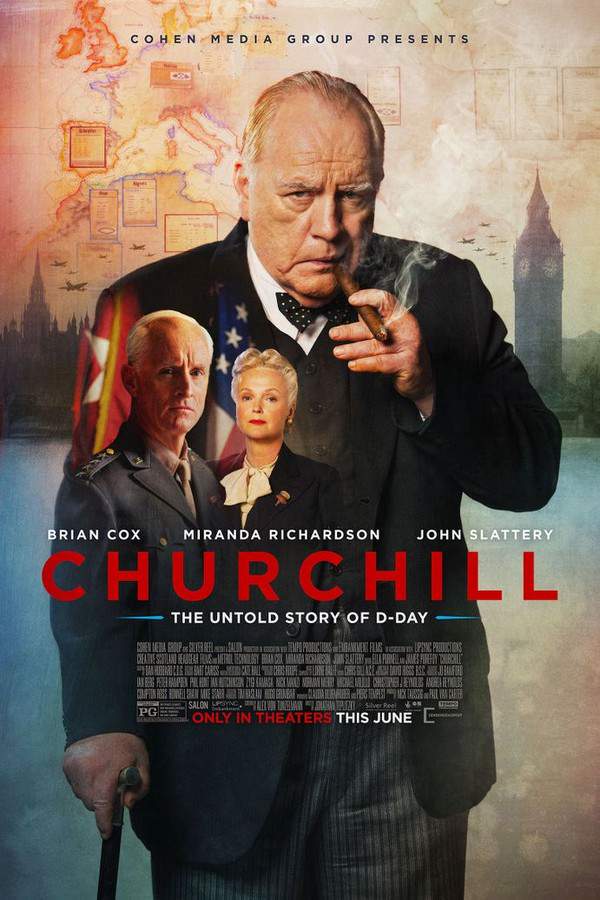
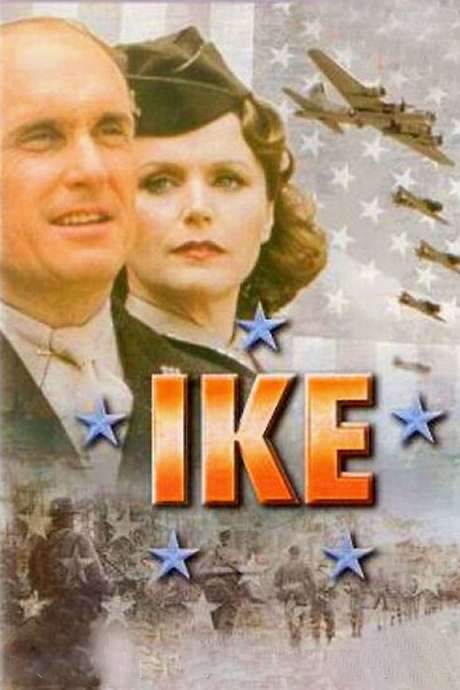
In December 1943, Dwight D. 'Ike' Eisenhower discusses the invasion of German-occupied Europe with Winston Churchill. Eisenhower quietly makes a bold demand: if he is to lead the Allied push, he must have total control of all operations as Supreme Commander of SHAEF. Churchill agrees, and the plan begins to take shape with Bernard Montgomery as the ground forces commander and General Omar Bradley steering the 1st US Army. The mood in the room is a mix of resolve and tension as Eisenhower reprimands George S. Patton for downplaying the role of US allies in public, a reminder of the earlier slapping incidents that still echo through the leadership. To this, Eisenhower confides in his chief of staff, Walter Bedell 'Beetle' Smith, that while Patton is sometimes hard to understand in his theories of armor, his battlefield skill will be essential once the Allies secure a beachhead.
Meanwhile, Sir Trafford Leigh-Mallory voices sharp criticism of the plan, warning that airborne operations could carry extraordinarily high casualties if weather and conditions falter. The scale of risk unfolds further when German E-Boats attack a convoy during a training exercise off the English coast, resulting in the loss of nearly a thousand soldiers and precious LSTs. In the midst of these scares, Bradley reports that the Ghost Army has successfully misled the Germans into thinking the landings would occur at Pas-de-Calais under General Omar Bradley's command, a deception that the Allies hope will hold long enough to seize the moment.
Believing the deception might not fool the enemy for long, Eisenhower moves to fix the timeline, setting the invasion date for 5 June. The pressure intensifies as Major General Henry Miller is relieved of command for publicly disclosing sensitive information. Allied leaders brief King George VI and Queen Elizabeth about Operation Overlord, and the King confesses his fears about the prospects and the potential losses. Eisenhower, too, bears his own worries, and he privately tells Churchill that if the operation fails, he will shoulder full responsibility on behalf of the Allies. Churchill responds with quiet conviction, and it is noted that he admires Eisenhower's “manly choice” to shoulder the responsibility alone.
As redeployments shift German forces toward American landing zones, Eisenhower must mediate a heated clash between Leigh-Mallory and Bradley over airborne casualties. The result tilts toward Bradley’s caution, but Eisenhower remains mindful of the heavy costs they may face. The day before the landings, he meets with Charles de Gaulle, who disagrees with AMGOT and who should address the French people by radio, a tension that underscores the fragile political alliance among the Allies. A heavy rainstorm forces a 24-hour delay, moving the operation from 5 June to Tuesday, 6 June. As the weather unfolds, Eisenhower holds his nerve, giving the final order for Operation Neptune despite the risky forecast, and he visits American paratroopers at an airfield, drafting a letter taking full responsibility for any failure that might erase the beachhead, to be released to the press if necessary.
A signal from Leigh-Mallory arrives, noting that the predicted catastrophic casualties did not materialize, and he apologizes to Eisenhower for the stress of his warnings. The film closes with Eisenhower walking through the operations room, the weight of leadership etched on his face as the plans for a massive Allied assault move from the drawing boards into action, and the story fades to black with the moment of arrival and the promise of what follows. The pulse of strategy, leadership, and sacrifice threads through every scene, portraying a decisive crisis where diplomacy, deception, weather, and sheer nerve collide to shape the course of history.