Plot Explained Spoilers guaranteed!
Plot Explained

Browse by genre

If They Tell You I Fell (1989) movie poster

Characters & Themes

If They Tell You I Fell (1989) Characters, Setting & Themes Explained

Release, runtime and language
1989 · 120 mins · Spanish
Directed by
Vicente Aranda
Starring
Juan Diego Botto, Antonio Banderas, María Botto, Lluís Homar, Victoria Abril, Jorge Sanz

In post‑war Catalonia, children gathered amid the ruins to tell “aventis,” stories that blend war memories, local gossip, comic‑book heroes, fantasy and real events. The film recounts these tales through flashbacks. In the mid‑1980s, a doctor and a nurse‑nun—childhood friends now working together—identify the corpse of a central figure from those stories, uncovering new mysteries and unresolved doubts decades after the Civil War’s impact on a typical Barcelona neighbourhood.

On this page (7)
  1. 1 Characters explained (9)
  2. 2 Where & when it takes place
  3. 3 Themes & meaning (3)
  4. 4 Character & meaning questions
  5. 5 Movie threads
  6. 6 Movies like If They Tell You I Fell
  7. 7 Every angle

9 main characters · contains spoilers

If They Tell You I Fell Characters Explained: Who Is Who

The main characters of If They Tell You I Fell (1989), heroes and villains: what drives them, how they change over the course of the story and what each of them reveals about the film's bigger ideas.

  • Daniel Javaloyes 'Java'

    played by Jorge Sanz

    A young man trapped by poverty in war-torn Barcelona, Java performs acts for Don Conrado to survive. He is driven by a fierce hunger to escape his circumstances, and his boldness often crosses into dangerous moral territory. Java's infatuation with Ramona drives him to take risks and navigate brutal power dynamics. He embodies both vulnerability and a stubborn determination to rewrite his fate.

    • 🎭 Drama
    • 💀 Violence
    • 💰 Poverty
  • Ramona / Aurora Nin

    played by Victoria Abril

    A pregnant prostitute whose past intertwines with Aurora Nin in the aventis. Ramona's tenderness and resilience stand in contrast to a brutal world that uses and discards people. The stories reframe her identity, merging memory with myth as Ramona and Aurora become symbols of longing and survival. Her fate collides with Java's ambitions and Marcos's vigilante justice.

    • 🔥 Desirе
    • 💔 Betrayal
    • 🎭 Drama
  • Marcos

    played by Antonio Banderas

    Java's older brother, an anarchist fighter who returns to hide within the family’s ruins. He embodies resistance to oppression and the personal cost of political violence. Marcos longs to see his girlfriend Aurora Nin again, a wish tangled with danger and secrecy. His presence links the war's past to the present threats.

    • ⚔️ War Veteran
    • 🕊️ Rebellion
  • Don Conrado

    played by Javier Gurruchaga

    A wealthy, sadistic patron who uses his war-wounded body as a seat of power. He directs a religious amateur play while exploiting Java’s sexuality for his amusement. Conrado represents the perverse authority that thrives in a broken society. His control over others compels the characters to navigate coercion and resistance.

    • 💀 Villain
    • 🏛️ Power
  • Palau

    played by Lluís Homar

    Leader of a local gang who pursues Marcos and Ramona, killing for control and revenge. Palau embodies organized crime and the brutal violence that follows the collapse of the war. His presence frames the 1940s Barcelona as a city where lawlessness and danger lurk in every street corner. He also acts as a reminder of the era's harsh justice.

    • ⚔️ Crime
    • 🧭 Power
  • Fueguiña

    played by María Botto

    An orphan who plays the leading role in the religious play, a pawn in Java's scheme to secure a part for himself. Fueguiña's ascent mirrors the manipulations that pervade the characters' lives. She embodies innocence pressed into service by adults and the theater of conflict surrounding them.

    • 👧 Orphan
    • 🎭 Drama
  • Sarnita

    played by Juan Diego Botto

    A kid who entertains friends with aventis, weaving real events with invented ones. Sarnita acts as the narrative conduit, showing how stories travel through generations and blur truth. His tales color the past with imagination, shaping how the group remembers what happened.

    • 🗣️ Storytelling
    • 🧭 Time
  • Ñito

    played by Cesáreo Estébanez

    An orphan associated with the hospital world and the post-war environment; part of the city's younger cohort that carries the scars of the era. Ñito's presence in the story signals how trauma touches even the youngest.

    • 🧒 Youth
    • 🕰️ Aftermath
  • Juanita

    played by Ariadna Navarro

    One of the orphans introduced in the backstory, whose fate intertwines with the stories told by Sarnita. Her character highlights the vulnerability of children growing up amid war and rumor.

    • 👧 Orphan
    • 🗝️ Memory

Last updated: October 04, 2025 at 13:37

Was this helpful?

Setting

Where and When Does If They Tell You I Fell Take Place?

The setting of If They Tell You I Fell (1989): the year and time period, the places and locations, and how they shape the characters, the mood and the tension of the story.

Time period

1936, 1940s, 1970, mid-1980s

The narrative moves through key moments: the 1936 Civil War, the harsh 1940s post-war Barcelona, flashbacks from 1970, and a mid-1980s Barcelona where past events resurface. These periods color the characters' choices and the aventis they tell, blending trauma with memory. The film uses time to blur lines between reality and storytelling, showing how the past continues to haunt the present.

Location

Barcelona, Spain

Barcelona's old quarter, rebuilt in the aftermath of the Civil War, serves as a dense, ruined backdrop for the aventis. The city is crowded with makeshift homes and desperate lives, where memory and rumor travel as quickly as the wind through broken streets. The setting grounds the film's shift between past and present, making the neighborhood feel like a living archive.

  • 🏙️ City ruins
  • 🕰️ Post-war era
  • 🎭 Historic quarter

Last updated: October 04, 2025 at 13:37

Was this helpful?

3 major themes

If They Tell You I Fell Meaning: Themes & Message Explained

What is If They Tell You I Fell (1989) really about? The emotional, social and philosophical themes the film keeps returning to, its symbolism and the message beneath the surface.

  • Memory

    Memory is the thread that binds generations, blurring fact and fiction in the aventis. The film uses flashbacks across 1936, 1940s, and 1970s to test how stories preserve or distort truth. The act of telling becomes a survival mechanism, keeping wounds from fading. The narrative suggests memory is always partial, shaped by desire, fear, and the needs of the present.

  • Desire

    Desire and power intersect in Java's exploitation by Conrado and in the longing that drives Ramona. The aventis expose vulnerabilities born from war, where affection can be a weapon and intimacy a risk. The film questions what people want from each other when survival is at stake. Memorable relationships reveal how longing can both sustain and destroy lives.

  • Conflict

    The story pits war, ideology, and social strata against one another, from anarchist resistance to Falangist rule. Post-war Barcelona is a venue of vigilante violence, criminal plots, and family loyalties tested by danger. The aventis illuminate how political strife fractures communities but also binds them through shared trauma. Time bends as the past reemerges in the present through memory and storytelling.

Last updated: October 04, 2025 at 13:37

Was this helpful?

Character & theme questions

If They Tell You I Fell Characters & Meaning: Your Questions Answered

The questions people ask about If They Tell You I Fell (1989): who the characters really are, their relationships, what the symbols mean, where it takes place and what the movie is really about. Each answer contains spoilers.

Q1

Where does the movie take place?

The film is set in Barcelona's old quarter, specifically in post-war Catalonia. The setting depicts a ruined city rebuilt amid the aftermath of the Spanish Civil War, with crowded makeshift homes and desperate lives filling the historic neighborhood. This dense, damaged urban environment serves as the backdrop for the interwoven stories of both children telling Aventis and adult characters navigating the city's violent aftermath.

  • barcelona
  • old quarter
  • setting
  • post-war catalonia
  • city ruins
Q2

What time period does the movie cover?

The film spans multiple periods: the 1936 Civil War, the harsh 1940s post-war years, flashbacks from 1970, and the mid-1980s when past events resurface. The narrative moves through these key moments to show how the past continues to haunt the present. This non-linear structure blurs reality and storytelling, reflecting how memory works across time.

  • time period
  • 1936
  • 1940s
  • 1970
  • 1980s
  • civil war
  • post-war barcelona
Q3

What is the main theme of the movie?

Memory is the central theme, acting as a thread that binds generations and blurs fact with fiction. The film explores how stories preserve or distort truth through the Aventis told by children. The narrative suggests memory is always partial, shaped by desire, fear, and the needs of the present. The act of telling becomes a survival mechanism, keeping wounds from fading.

  • memory
  • theme
  • storytelling
  • truth
  • post-war trauma
Q4

What does the movie say about desire and power?

The film explores how desire and power intersect through Java's exploitation by Don Conrado and the longing that drives Ramona. These relationships expose vulnerabilities born from war, where affection can become a weapon and intimacy a risk. The story questions what people want from each other when survival is at stake, showing how longing can both sustain and destroy lives.

  • desire
  • power
  • exploitation
  • relationships
  • war trauma
Q5

Who is Java and what motivates him?

Java (Daniel Javaloyes) is a young man trapped by poverty in war-torn Barcelona who performs acts for Don Conrado to survive. He is driven by a fierce hunger to escape his circumstances, and his boldness often crosses into dangerous moral territory. His infatuation with Ramona drives him to take risks, embodying both vulnerability and a stubborn determination to rewrite his fate.

  • java
  • daniel javaloyes
  • motivation
  • poverty
  • escape
Q6

Who is Ramona and what is her role?

Ramona (Aurora Nin) is a pregnant prostitute whose past intertwines with the mythological Aurora Nin from the Aventis. Her tenderness and resilience stand in contrast to a brutal world that uses and discards people. The stories reframe her identity, merging memory with myth as both become symbols of longing and survival.

  • ramona
  • aurora nin
  • prostitute
  • identity
  • survival
Q7

Who is Marcos and why does he return?

Marcos is Java's older brother, an anarchist fighter who returns to hide within the family's ruins. He embodies resistance to oppression and the personal cost of political violence. His longing to see his girlfriend Aurora Nin again ties his wish to dangerous secrecy, linking the war's past to present threats.

  • marcos
  • anarchist
  • resistance
  • aurora nin
  • return
Q8

What kind of character is Don Conrado?

Don Conrado is a wealthy, sadistic patron who uses his war-wounded body as a seat of power. He directs a religious amateur play while exploiting Java's sexuality for amusement. He represents the perverse authority that thrives in a broken society, forcing characters to navigate coercion and resistance.

  • don conrado
  • authority
  • exploitation
  • power
  • control
Q9

How does the movie portray post-war Barcelona?

The film portrays post-war Barcelona as a venue of vigilante violence, criminal plots, and family loyalties tested by danger. The city is depicted through the lens of the Aventis, where memory and rumor travel quickly through broken streets. The setting grounds the film's shift between past and present, making the neighborhood feel like a living archive of trauma.

  • barcelona
  • post-war
  • violence
  • crime
  • neighborhood
  • ruins
Q10

What are Aventis in the story?

Aventis are stories children tell in post-war Barcelona that blend war memories, local gossip, comic-book heroes, fantasy, and real events. Sarnita, a kid who entertains friends with Aventis, acts as the narrative conduit, showing how stories travel through generations and blur truth. His tales color the past with imagination, shaping how the group remembers what happened.

  • aventis
  • stories
  • storytelling
  • children
  • memory
  • narrative
Q11

What is the central conflict in the movie?

The film pits war, ideology, and social strata against each other, from anarchist resistance to Falangist rule. The conflict explores how political strife fractures communities but also binds them through shared trauma. The narrative shows time bending as the past reemerges in the present through memory and storytelling.

  • conflict
  • war
  • ideology
  • anarchist
  • falangist
  • politics
Q12

Why does the movie use multiple timelines?

The film uses multiple timelines (1936, 1940s, 1970, 1980s) to blur lines between reality and storytelling, showing how the past continues to haunt the present. This non-linear structure reflects how memory works, selectively, incompletely, and shaped by current needs. The past resurfaces through the Aventis and through adult characters confronting unresolved mysteries.

  • non-linear
  • timeline
  • flashbacks
  • memory
  • narrative structure

Movie threads

More Movies Like If They Tell You I Fell, by Mood & Story

Curated lists built around what makes If They Tell You I Fell tick: the same mood, the same kind of story or the same emotional payoff. Each list explains why these movies belong together.

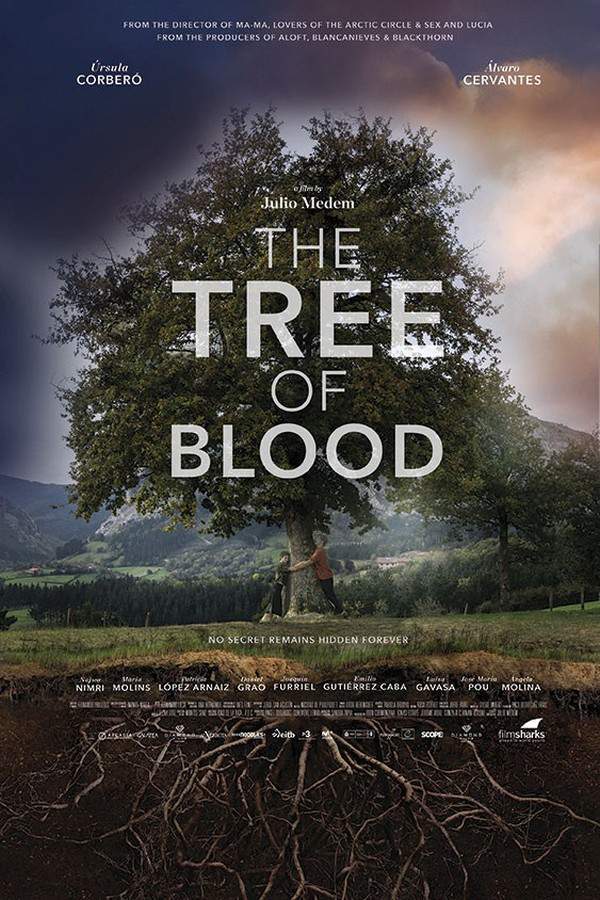
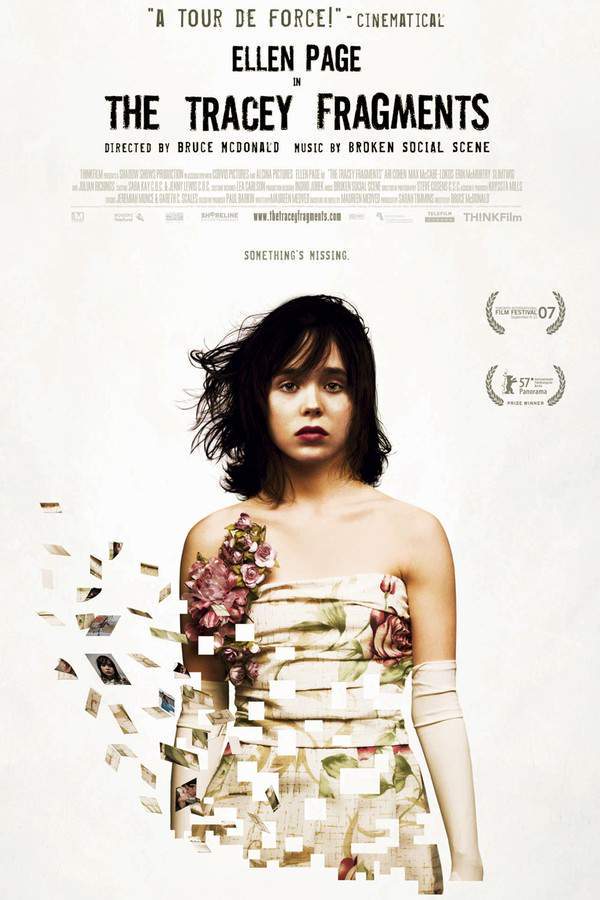
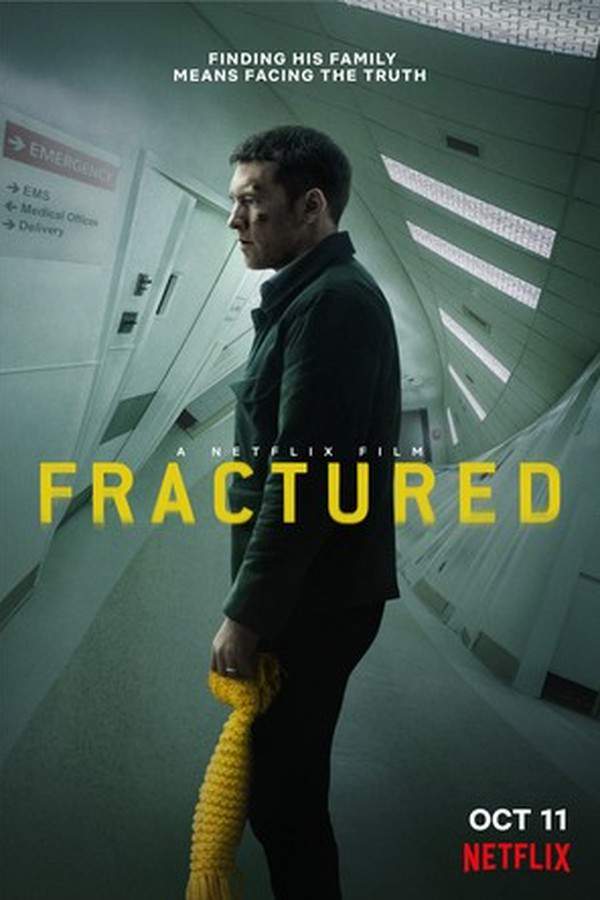
Movies about fragmented memories and childhood trauma like If They Tell You I Fell

Stories where the unresolved past bleeds into the present through fragmented recollections. If you liked the way If They Tell You I Fell explores fractured childhood memories, you'll find similar stories here. These films use non-linear narratives to delve into the long shadow of trauma, where adult characters must piece together the past. They share a heavy emotional weight and a focus on how memory shapes identity.

  • melancholic
  • mysterious
  • tragic
  • nostalgic
  • dreamlike
  • oppressive
  • Tone: dark, melancholic, mysterious
  • Pacing: variable, reflective
Why these movies?

The story pattern: Narratives in this thread are often non-linear, weaving between timelines to reconstruct a traumatic past. The journey is one of psychological excavation, where characters grapple with unreliable memories, often involving war, loss, or abuse. The conclusions are frequently ambiguous, reflecting the elusive nature of truth and the enduring nature of pain.

Why they belong together: These films are grouped by their shared focus on the psychological impact of childhood trauma, expressed through complex, time-hopping structures. They create a consistent mood of melancholy and mystery, driven by a heavy emotional core and a dark, introspective tone.
Gritty post-war dramas with melancholy tone like If They Tell You I Fell

Bleak explorations of societal and personal decay in the aftermath of conflict. Discover movies like If They Tell You I Fell that capture the bleak atmosphere of life after war. These stories are set in damaged societies, exploring themes of trauma, poverty, and political strife with a heavy, melancholic feel. They are for viewers seeking immersive, emotionally weighty historical dramas.

  • gritty
  • oppressive
  • melancholic
  • tragic
  • nostalgic
  • mysterious
  • Tone: dark, bleak, oppressive
  • Pacing: slow to variable
Why these movies?

The story pattern: The narrative pattern often involves characters navigating a broken world, uncovering secrets buried by the conflict, or grappling with their own complicity and survival. The plot is less about the war itself and more about its corrosive long-term effects on humanity, community, and memory.

Why they belong together: These films share a specific, potent combination of a post-war setting, a dark and gritty tone, and a heavy emotional focus on trauma and societal decay. The mood is consistently oppressive and melancholic, creating a cohesive viewing experience centered on historical pain.

If you liked this

Movies Like If They Tell You I Fell

Similar movies to If They Tell You I Fell: the same genre, themes or kind of story. Each one comes with its own plot summary, timeline and ending explained.

Browse all movie summaries

Every angle

If They Tell You I Fell (1989) Explained: Plot, Timeline & Characters

Everything about If They Tell You I Fell in one place: what happens in the plot summary, the timeline in chronological order, the characters and meaning and a spoiler-free summary. What's After the Movie adds the cast, box office and post-credit scenes.

Coming soon on iOS and Android

The Plot Explained Movie Summary App

Plot summaries, endings explained and timelines on your phone. Catch up on any movie in minutes, save your favorites and never miss a twist again.

Be the first to know when we launch. Your email stays private, always.

Learn more about the app