Year: 1989
Runtime: 120 mins
Language: Spanish
Director: Vicente Aranda
In post‑war Catalonia, children gathered amid the ruins to tell “aventis,” stories that blend war memories, local gossip, comic‑book heroes, fantasy and real events. The film recounts these tales through flashbacks. In the mid‑1980s, a doctor and a nurse‑nun—childhood friends now working together—identify the corpse of a central figure from those stories, uncovering new mysteries and unresolved doubts decades after the Civil War’s impact on a typical Barcelona neighbourhood.
Warning: spoilers below!
Haven’t seen If They Tell You I Fell yet? This summary contains major spoilers. Bookmark the page, watch the movie, and come back for the full breakdown. If you're ready, scroll on and relive the story!
Read the complete plot breakdown of If They Tell You I Fell (1989), including all key story events, major twists, and the ending explained in detail. Discover what really happened, and what it all means.
In the years after the war, Catalan kids gather in circles among the ruins and weave aventis—open-ended stories that drift between memory, rumor, and fantasy. These tales mingle war recollections, local gossip, comic-book heroes, and real events, and the film unfolds them through flashbacks set in 1970, 1940, 1936, and the mid-1980s.
In 1970, Nito, Cesáreo Estébanez, a medical examiner assistant, and Sor Paulina, Mercè Sans, a nurse-nun who grew up with him, identify the drowned couple from a car accident. The dead man is Daniel Javaloyes, known as Java, Jorge Sanz, one of the central aventis figures. The woman appears to be Juanita, a former orphan, portrayed by Ariadna Navarro. The discovery of Java’s body stirs memories of events decades past, some true and some shaped by imagination.
In 1940s Barcelona, Java, a young man trying to escape poverty, shares a crumbling house with his mute grandmother. To earn money, he performs perverse sexual acts for Don Conrado, a wealthy, sadistic man who uses a wheelchair after war injuries. During one of these encounters, Java is drawn to Ramona, a visibly pregnant prostitute who is [Victoria Abril]. Ramona’s history reveals she had once been a maid in Conrado’s household and bears a scar on her left nipple from his abuse. Java’s longing for her deepens as the stories told by Sarnita—one of the neighborhood kids—start to blur lines between fact and fiction. Marcos, Java’s older brother and an anarchist, hides at the family home and longs to see his girlfriend Aurora Nin again, a figure central to the aventis; the two are connected to Ramona through the tales recounted by Sarnita. Fueguiña, one of the orphans at the institution where Sor Paulina works, plays the leading role in a religious amateur play about a martyr’s sacrifice, and Java, hoping to become an actor, blackmails Fueguiña to take the part of the devil in the play, though Conrado allows it only for rehearsals.
The 1936 flashback traces the war as Marcos fights for the Republic and seeks revenge on Conrado’s brutality toward Aurora Nin. When Marcos’ men cannot locate Conrado, they shoot Conrado’s father, and Conrado’s mother survives thanks to Aurora’s intervention. In a stark turn, Java takes a male partner, Ado, a teenager, in one of his assignments for Conrado, and through Ado he becomes entangled with a wealthy jewelry dealer, seeing in that connection a path out of poverty.
By 1940, Marcos’s old wartime cronies pursue him through secret anti-government plots, increasingly resorting to crime. Palau, the gang leader, and his partners Fusam and Sendra attack Menchu, a bleach-blonde prostitute who works for the Falangists, killing her brutally. As the net tightens, Java eventually guides Ramona to Marcos’s hidden place, and the former lovers are joyfully reunited, using the ensuing commotion to slip away from the city.
In the mid-1980s, on a busy Barcelona street, Palau glimpses an elderly couple asking for money who bear a striking resemblance to Marcos and Aurora Nin, hints that the aventis may still echo through the present day.
Last updated: October 09, 2025 at 14:31
Explore frequently asked questions about If They Tell You I Fell (1989) with spoiler-rich answers covering the full plot summary, major story beats, character motivations, hidden details, and ending meaning. This movie summary FAQ helps explain confusing scenes, plot twists, and narrative decisions in clear, searchable detail.
Java guides Ramona to Marcos's hideout because he wants to rekindle their past connection. After years of searching for her and being exploited by Conrado, Java sees an opportunity to help both Ramona and his brother while escaping his own desperate situation. When he discovers Ramona is actually Aurora Nin, Java uses this knowledge to reunite the long-separated lovers, enabling their escape from Barcelona while also freeing himself from Conrado's control.
Aventis are the stories that children in post-war Catalonia tell in circles among the ruins. These tales blend war memories, local gossip, comic-book heroes, fantasy, and real events in an open-ended, ever-evolving fashion. The film presents these stories as the framing device that blurs the line between fact and fiction, suggesting that memory itself becomes a kind of collective storytelling where truth and imagination merge.
The film's non-linear structure itself mirrors the Aventis storytelling, showing the same events from different perspectives.
Java blackmails Fueguiña because he desperately wants to escape his life of exploitation under Conrado. The religious amateur play about a martyr's sacrifice represents Java's only perceived path to becoming an actor and leaving Barcelona. By forcing Fueguiña to give up the devil role, Java believes he's taking a step toward a different future, even if it means manipulating a vulnerable orphan. Conrado only permits this arrangement for rehearsals, keeping Java trapped.
The film strongly suggests yes, though it maintains deliberate ambiguity. In the mid-1980s, Palau spots an elderly couple asking for money on a busy Barcelona street who bear a striking resemblance to Marcos and Aurora Nin. This sighting comes after the 1940 escape, suggesting they survived decades of hardship. However, the film leaves this as a possibility rather than confirmation, fitting its theme of memory being unreliable and stories blending truth with invention.
The children's aventis have always hinted at Marcos and Aurora surviving and remaining together.
Java becomes involved with the wealthy jewelry dealer as another attempt to escape poverty. Through his assignments for Conrado, Java meets a teenage male partner named Ado, who introduces him to a wealthy jewelry dealer. Java sees this connection as a potential gateway out of his miserable existence, his desperation to leave Barcelona and his exploitative situation with Conrado drives him to pursue any opportunity for financial gain, even if it means further moral compromise.
Palau's gang kills Menchu as part of their ongoing anti-government campaign targeting Falangist associates. Menchu is described as a bleach-blonde prostitute who works for the Falangists, the fascist supporters of Franco's regime. Palau and his partners (Fusam and Sendra) attack her brutally as revenge against the old guard and to assert their position in the criminal underworld. This violent act marks the escalating danger in 1940 Barcelona as political tensions remain high even after the war's end.
The Aventi stories told by children like Sarnita are directly based on real events but become embellished over time. The film shows how these childhood tales, about Marcos fighting for the Republic, his love for Aurora Nin, Java's survival, and the various crimes in the neighborhood, contain genuine historical elements from the Civil War and post-war period. However, the children's imaginations transform these memories, mixing gossip with fantasy and comic-book heroes, making it impossible to separate fact from fiction. This reflects the film's theme that memory itself is a constructed narrative.
The discovery of Java's body in 1970 triggers memories that may or may not match what really happened.
Marcos seeks revenge against Don Conrado because of Conrado's brutality toward Aurora Nin, who Marcos loves. During the Civil War, Conrado inflicted severe violence and abuse on Aurora. When Marcos fights for the Republic, he tries to locate Conrado to make him pay for this harm. When Conrado cannot be found, Marcos's men kill Conrado's father as retaliation. Aurora manages to save Conrado's mother, but the violence escalates the feud between Marcos and Conrado's family.
The scar on Ramona's left nipple is evidence of Don Conrado's physical abuse. Java learns that Ramona previously worked as a maid in Conrado's household before becoming a prostitute. Conrado sadistically scarred her during his abuse, leaving a permanent mark that symbolizes the violence and exploitation embedded in the film's world. This revelation intensifies Java's fixation on Ramona and underscores the film's themes of power abuse and victimization.
Yes, Java's corpse is discovered in 1970, meaning he dies sometime before then. The film reveals that Java's drowned body is found in a car accident along with a woman (initially believed to be Juanita, an orphan). This discovery triggers the flashback narrative as Nito and Sor Paulina identify the corpse and recall the events from decades earlier. The timing suggests Java lived through the 1940s but ultimately died tragically, his fate sealed by the dangerous life he led.
Discover curated groups of movies connected by mood, themes, and story style. Browse collections built around emotion, atmosphere, and narrative focus to easily find films that match what you feel like watching right now.
Stories where the unresolved past bleeds into the present through fragmented recollections.If you liked the way If They Tell You I Fell explores fractured childhood memories, you'll find similar stories here. These films use non-linear narratives to delve into the long shadow of trauma, where adult characters must piece together the past. They share a heavy emotional weight and a focus on how memory shapes identity.
Narratives in this thread are often non-linear, weaving between timelines to reconstruct a traumatic past. The journey is one of psychological excavation, where characters grapple with unreliable memories, often involving war, loss, or abuse. The conclusions are frequently ambiguous, reflecting the elusive nature of truth and the enduring nature of pain.
These films are grouped by their shared focus on the psychological impact of childhood trauma, expressed through complex, time-hopping structures. They create a consistent mood of melancholy and mystery, driven by a heavy emotional core and a dark, introspective tone.
Bleak explorations of societal and personal decay in the aftermath of conflict.Discover movies like If They Tell You I Fell that capture the bleak atmosphere of life after war. These stories are set in damaged societies, exploring themes of trauma, poverty, and political strife with a heavy, melancholic feel. They are for viewers seeking immersive, emotionally weighty historical dramas.
The narrative pattern often involves characters navigating a broken world, uncovering secrets buried by the conflict, or grappling with their own complicity and survival. The plot is less about the war itself and more about its corrosive long-term effects on humanity, community, and memory.
These films share a specific, potent combination of a post-war setting, a dark and gritty tone, and a heavy emotional focus on trauma and societal decay. The mood is consistently oppressive and melancholic, creating a cohesive viewing experience centered on historical pain.
Don't stop at just watching - explore If They Tell You I Fell in full detail. From the complete plot summary and scene-by-scene timeline to character breakdowns, thematic analysis, and a deep dive into the ending - every page helps you truly understand what If They Tell You I Fell is all about. Plus, discover what's next after the movie.
Track the full timeline of If They Tell You I Fell with every major event arranged chronologically. Perfect for decoding non-linear storytelling, flashbacks, or parallel narratives with a clear scene-by-scene breakdown.
Discover the characters, locations, and core themes that shape If They Tell You I Fell. Get insights into symbolic elements, setting significance, and deeper narrative meaning - ideal for thematic analysis and movie breakdowns.
Discover movies like If They Tell You I Fell that share similar genres, themes, and storytelling elements. Whether you’re drawn to the atmosphere, character arcs, or plot structure, these curated recommendations will help you explore more films you’ll love.
If They Tell You I Fell (1989) Scene-by-Scene Movie Timeline
If They Tell You I Fell (1989) Movie Characters, Themes & Settings
If They Tell You I Fell (1989) Spoiler-Free Summary & Key Flow
Movies Like If They Tell You I Fell – Similar Titles You’ll Enjoy
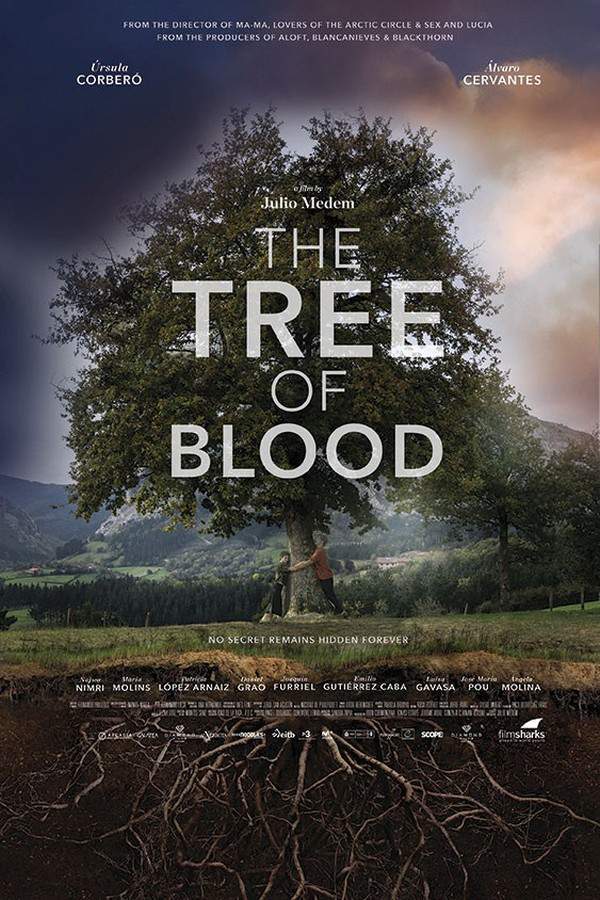
The Tree of Blood (2019) Story Summary & Characters
Uncertain Glory (2017) Detailed Story Recap
Watermelon Juice (2019) Movie Recap & Themes
The Night of the Sunflowers (2006) Plot Summary & Ending Explained
Fallen Heroes (2007) Full Movie Breakdown
Wherever You Are (2004) Story Summary & Characters
Lovers: A True Story (1991) Plot Summary & Ending Explained
Siesta (1987) Movie Recap & Themes
The Barcelona Vampiress (2020) Film Overview & Timeline
Your Color (2021) Film Overview & Timeline
Sleepless in Madrid (1998) Full Summary & Key Details
Free Falling (2024) Full Summary & Key Details
Don’t Look Down (2008) Spoiler-Packed Plot Recap
Your Name Poisons My Dreams (1996) Full Movie Breakdown
Rated R (2008) Movie Recap & Themes