Plot Explained Spoilers guaranteed!
Plot Explained

Browse by genre

If I Can’t Have Love, I Want Power (2021) movie poster

Characters & Themes

If I Can’t Have Love, I Want Power (2021) Characters, Setting & Themes Explained

Release, runtime and language
2021 · 53 mins · English
Echo score 68
Loading streaming availability…
Directed by
Colin Tilley
Starring
Brian Caspe, Sasha Lane, Halsey, David Zelina, Jakub Černý, Igor Krištof

This evocative film experience accompanies Halsey's fourth studio album, produced by Trent Reznor and Atticus Ross. Halsey stars as Queen Lila, a young and pregnant ruler struggling against the controlling and manipulative forces of love. The film explores themes of power, control, and the complexities of relationships in a visually striking and emotionally charged narrative. It’s a temporary state, and Lila must navigate her position with care.

On this page (8)
  1. 1 Where to watch
  2. 2 Characters explained (3)
  3. 3 Where & when it takes place
  4. 4 Themes & meaning (3)
  5. 5 Character & meaning questions
  6. 6 Movie threads
  7. 7 Movies like If I Can’t Have Love, I Want Power
  8. 8 Every angle
Loading streaming availability…

3 main characters · contains spoilers

If I Can’t Have Love, I Want Power Characters Explained: Who Is Who

The main characters of If I Can’t Have Love, I Want Power (2021), heroes and villains: what drives them, how they change over the course of the story and what each of them reveals about the film's bigger ideas.

  • Queen Lila / Lilith (Halsey)

    Queen Lila is a complex character torn between her desires and the harsh realities of her reign. As she grapples with her brutal past and the implications of her pregnancy, her internal struggle manifests in her erratic behavior and deep-seated vulnerability. Lilith, her alter ego, embodies the darker aspects of her psyche, representing her fears and the chaotic turmoil of her life.

    • 👸 Queen
    • 🔮 Supernatural
    • ⚔️ Betrayal
  • The Aristocrat (Brian Caspe)

    The Aristocrat represents the voice of traditional power and judgment, often challenging Lila's authority. His disdain for her perceived incompetence underscores the rigid expectations of royal lineage and duty during their tumultuous times. His actions drive much of the conflict, positioning him as an antagonist in Lila's tragic story.

    • 💼 Authority
    • ⚖️ Judgment
    • 🤴 Antagonist
  • The Witch

    The Witch serves as a pivotal figure in Lila's journey, embodying the themes of knowledge and fear. Her teachings and mystical abilities provide both guidance and dread, reflecting the duality of the supernatural in the context of Lila's struggles. The Witch symbolizes the freedom and power that come with embracing one's identity, albeit with dire risks.

    • 🧙‍♀️ Magic
    • 🔥 Fear
    • 📜 Knowledge

Last updated: September 09, 2026 at 04:42

Was this helpful?

Setting

Where and When Does If I Can’t Have Love, I Want Power Take Place?

The setting of If I Can’t Have Love, I Want Power (2021): the year and time period, the places and locations, and how they shape the characters, the mood and the tension of the story.

Time period

The movie takes place in a medieval setting, a time when kings and queens ruled, and superstitions were prevalent. This period is marked by strict societal hierarchies and the weight of lineage, particularly in the struggle for power and survival. Themes of witchcraft and the supernatural intertwine with the harsh realities of royal life, highlighting conflicts and consequences faced by those in positions of power.

Location

Castle, Forest, Witch's Cabin

The castle serves as the backdrop for much of the intrigue and turmoil surrounding Queen Lila, where significant events unfold including her rise and downfall. The forest is a mysterious, almost enchanting place that leads her to the witch's cabin, symbolizing both refuge and danger. The witch's cabin represents a place of hidden knowledge and fear, playing a crucial role in Lila's transformation and desperation.

  • 🏰 Castle
  • 🌲 Forest
  • 🪄 Witch's Cabin

Last updated: September 09, 2026 at 04:42

Was this helpful?

3 major themes

If I Can’t Have Love, I Want Power Meaning: Themes & Message Explained

What is If I Can’t Have Love, I Want Power (2021) really about? The emotional, social and philosophical themes the film keeps returning to, its symbolism and the message beneath the surface.

  • Power & Betrayal

    The theme of power dynamics is central to the movie as Queen Lila grapples with her loss of authority and identity. Her actions are fueled by betrayal, as she confronts the violent truths of her past with the king. The film illustrates how the ruthless pursuit of power can lead to deep personal and societal consequences.

  • Love & Despair

    Lila's journey is marked by her complex relationship with love, intertwined with despair and loss. Her contentment at the king's death is contrasted with her eventual desperation as she faces overwhelming challenges as a mother. The exploration of these emotions reveals the vulnerability of those in power when love is absent or manipulated.

  • Justice & Retribution

    Justice is a pivotal motif as Lila is judged for her actions amidst a backdrop of royal expectations. The notion of retribution looms large with her impending execution, showcasing the harsh realities of consequence in a capitol society governed by tradition. The narrative ultimately questions the true nature of justice in a world rife with moral ambiguity.

Last updated: September 09, 2026 at 04:42

Was this helpful?

Character & theme questions

If I Can’t Have Love, I Want Power Characters & Meaning: Your Questions Answered

The questions people ask about If I Can’t Have Love, I Want Power (2021): who the characters really are, their relationships, what the symbols mean, where it takes place and what the movie is really about. Each answer contains spoilers.

Q1

Where does the story take place?

The film is set in a dark medieval world centered on a royal castle that serves as the seat of Queen Lila's power and the site of her eventual downfall. Beyond the castle walls lies a mysterious, almost enchanted forest that leads to a witch's cabin, a place that represents hidden knowledge and the supernatural. Together, these three locations, castle, forest, and witch's cabin, form the core geography of the story and mirror Lila's journey from royal authority to desperate transformation.

  • setting
  • castle
  • forest
  • witch's cabin
  • medieval
  • location
Q2

What time period is the movie set in?

If I Can't Have Love, I Want Power is set in a fictional medieval era defined by monarchies, rigid social hierarchies, and widespread superstition. The world operates under the weight of royal lineage and tradition, with witchcraft and the supernatural treated as real and dangerous forces. This period framing allows the story to explore how power, gender, and motherhood intersected in pre-modern societies ruled by birthright and force.

  • medieval
  • time period
  • era
  • monarchy
  • hierarchy
  • superstition
Q3

Who is Queen Lila?

Queen Lila is the central figure of the film, a young and pregnant ruler played by Halsey who is caught between her personal desires and the brutal demands of her position. She is defined by a traumatic past with the king and by the political hostility of the court around her, which forces her into erratic and desperate choices. Her arc reflects the vulnerability of women in power when love is weaponized against them and when motherhood becomes a political liability.

  • queen lila
  • halsey
  • pregnant ruler
  • central character
  • protagonist
Q4

Who is Lilith and how does she relate to Queen Lila?

Lilith is Lila's alter ego, the embodiment of her suppressed rage, fear, and darker impulses. Where Lila navigates the external world of court politics and public judgment, Lilith represents the chaotic interior life that the throne cannot contain. The two figures function as a symbolic duality, with Lilith ultimately acting out the violence and liberation that Lila cannot openly pursue while wearing the crown.

  • lilith
  • alter ego
  • duality
  • suppressed rage
  • dark side
Q5

What does The Witch represent in the story?

The Witch functions as both a guide and a symbol of forbidden knowledge, living at the edge of the kingdom in her secluded cabin deep in the forest. She represents the seductive promise of personal power and self-acceptance, but also the fear and danger that come with embracing a hidden identity. Her presence in the film frames witchcraft as a metaphor for the cost of claiming autonomy in a world that punishes women for stepping outside their assigned role.

  • the witch
  • witchcraft
  • symbolism
  • forbidden knowledge
  • autonomy
Q6

What is the movie about thematically?

At its core, the film is about how love, power, and identity collide inside a system designed to deny women both. It examines how patriarchal control and domestic abuse distort romantic relationships, and how the pursuit of power can become both a survival mechanism and a destructive force. The narrative also interrogates motherhood under duress, justice in a morally corrupt court, and the idea that true liberation may only be possible through darkness rather than hope.

  • themes
  • meaning
  • power
  • control
  • motherhood
  • patriarchy
Q7

What are the main themes explored?

The film is built around three major thematic pillars: power and betrayal, love and despair, and justice and retribution. Power and betrayal drive Lila's conflict as she confronts the violent truths of her marriage and the court's attempts to strip her of authority. Love and despair explore her vulnerability as a mother-to-be without genuine affection or safety. Justice and retribution question whether punishment in a corrupt royal society can ever be fair, especially when those judging her are complicit in her suffering.

  • power
  • betrayal
  • love
  • despair
  • justice
  • retribution
  • themes
Q8

What role does The Aristocrat play in the story?

The Aristocrat serves as the voice of traditional, patriarchal authority and functions as one of Lila's primary antagonists. He openly challenges her competence and legitimacy as a ruler, embodying the rigid expectations of royal lineage and the court's hostility toward a young queen. His disdain and political maneuvering create much of the external pressure that pushes Lila toward her most desperate choices, framing him as a representative of the system that works against her.

  • the aristocrat
  • antagonist
  • patriarchy
  • royal court
  • traditional power
Q9

Is this a film or a visual album experience?

If I Can't Have Love, I Want Power is best understood as a visual album experience that accompanies Halsey's fourth studio album of the same name. The project was produced with Trent Reznor and Atticus Ross, whose industrial, operatic score shapes the film as much as the visuals do. Rather than a traditional narrative movie, it functions as an immersive, music-driven piece of storytelling that prioritizes mood, symbolism, and thematic imagery over conventional plot structure.

  • visual album
  • halsey
  • trent reznor
  • atticus ross
  • music film
Q10

What tone and style does the movie have?

The tone is gothic, operatic, and deliberately dark, with no humor to offset the heavy subject matter. Visually, it leans into striking, painterly imagery, from quiet, atmospheric moments in bathhouses and forest clearings to sudden eruptions of violence and emotional confrontation. Trent Reznor and Atticus Ross's industrial score reinforces this intensity, creating an experience that feels more like a tragedy set to music than a conventional drama.

  • tone
  • gothic
  • dark
  • operatic
  • industrial score
  • visual style
Q11

What is the significance of the forest in the story?

The forest functions as a threshold space between the structured world of the castle and the unpredictable realm of the supernatural. It is enchanting yet dangerous, offering Lila a path toward the witch's cabin and, symbolically, toward a version of herself that exists outside royal duty. The forest represents both refuge and threat, embodying the seductive danger of stepping away from prescribed roles in a society that punishes deviation.

  • forest
  • symbolism
  • threshold
  • supernatural
  • escape
  • danger
Q12

How does the movie portray motherhood?

Motherhood in the film is framed as a condition under siege, shaped by trauma, political threat, and the absence of genuine love. Lila's pregnancy is not celebrated but weaponized, by the court that judges her, by the memories of abuse that haunt her, and by the looming threat of execution that puts both her and her child at risk. The narrative uses this pressure to ask what motherhood means when it is born from violence rather than consent, and when the state treats it as a liability rather than a bond.

  • motherhood
  • pregnancy
  • trauma
  • execution
  • maternal bond

Movie threads

More Movies Like If I Can’t Have Love, I Want Power, by Mood & Story

Curated lists built around what makes If I Can’t Have Love, I Want Power tick: the same mood, the same kind of story or the same emotional payoff. Each list explains why these movies belong together.

Dark mirror duality and fractured identity like in If I Can't Have Love, I Want Power

Stories where a hidden, darker self rises to consume the fragile one trying to hold it together. Movies and visual experiences like If I Can't Have Love, I Want Power that center on a protagonist split between a controlled self and a monstrous reflection. If you liked the Lila and Lilith duality in Halsey's gothic visual album, you'll find similar films exploring fractured identity, suppressed rage, and the terrifying moment when the darker self takes over.

  • fractured identity
  • dark mirror
  • duality
  • suppressed rage
  • gothic horror
  • psychological
  • Tone: dark, brooding, gothic
  • Pacing: variable, with sudden violent bursts
Why these movies?

The story pattern: These stories begin with a protagonist whose outward compliance hides an inner fracture. A triggering event, often violence or oppression, awakens the darker half who has been waiting in the wings. The narrative tracks the escalating tension between restraint and release, the visible self and the hidden one. Climaxes tend to be visceral and often tragic, with the darker self either consuming the original, merging with it, or fully taking over, leaving little room for tidy redemption.

Why they belong together: They share a psychological intensity grounded in duality, where the central conflict is internal as much as external. Pacing is often variable, alternating quiet, atmospheric scenes with sudden bursts of violence. Tone is overwhelmingly dark and oppressive, with heavy emotional weight. Endings tend to be bleak, reflecting that the cost of becoming whole is often destruction.

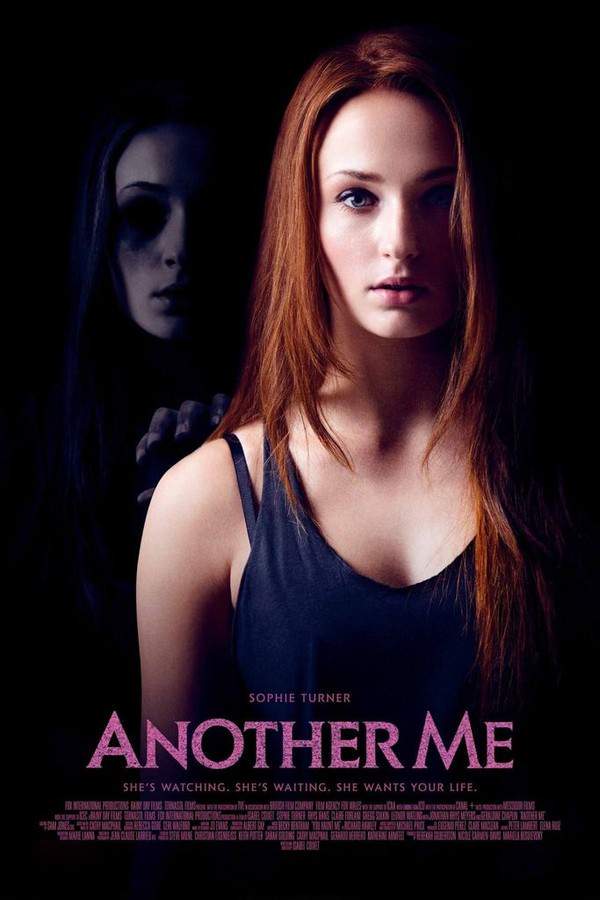
Bleak gothic rebellion against patriarchal power like in If I Can't Have Love, I Want Power

Gothic, regal worlds where women fight brutal systems of power and pay in blood. Dark fantasy and historical films like If I Can't Have Love, I Want Power that place women inside brutal regal systems and trace their fight for autonomy. If you liked Halsey's operatic visual album about a queen resisting patriarchal violence, you'll find similar movies exploring female rebellion, motherhood under duress, and the blood-soaked cost of liberation.

  • gothic regal
  • patriarchal violence
  • female rebellion
  • motherhood under duress
  • oppressive court
  • operatic tragedy
  • Tone: dark, bleak, operatic
  • Pacing: variable, ritualistic with bursts of violence
Why these movies?

The story pattern: A young woman, often pregnant or facing the threat of motherhood under coercion, occupies a throne or station she barely controls. Surrounding her are scheming courtiers, a violent or manipulative partner, and rituals that reinforce her subjugation. The narrative builds through small acts of defiance and atmospheric dread, escalating into a violent climax where the protagonist either dies, loses everything, or becomes the very monster she fought. Endings are bleak, with liberation framed as destruction rather than triumph.

Why they belong together: They share a gothic, regal visual language and an unflinching focus on gendered violence and power. Pacing varies between slow, ritualistic scenes and sudden eruptions of cruelty. Tone is dark, oppressive, and brooding, with heavy emotional weight driven by themes of motherhood, bodily autonomy, and survival. The endings lean bleak or tragic, refusing easy hope.

If you liked this

Movies Like If I Can’t Have Love, I Want Power

Similar movies to If I Can’t Have Love, I Want Power: the same genre, themes or kind of story. Each one comes with its own plot summary, timeline and ending explained.

Browse all movie summaries

Every angle

If I Can’t Have Love, I Want Power (2021) Explained: Plot, Timeline & Characters

Everything about If I Can’t Have Love, I Want Power in one place: what happens in the plot summary, the timeline in chronological order, the characters and meaning and a spoiler-free summary. What's After the Movie adds the cast, box office and post-credit scenes.

Coming soon on iOS and Android

The Plot Explained Movie Summary App

Plot summaries, endings explained and timelines on your phone. Catch up on any movie in minutes, save your favorites and never miss a twist again.

Be the first to know when we launch. Your email stays private, always.

Learn more about the app