I Am Frankelda

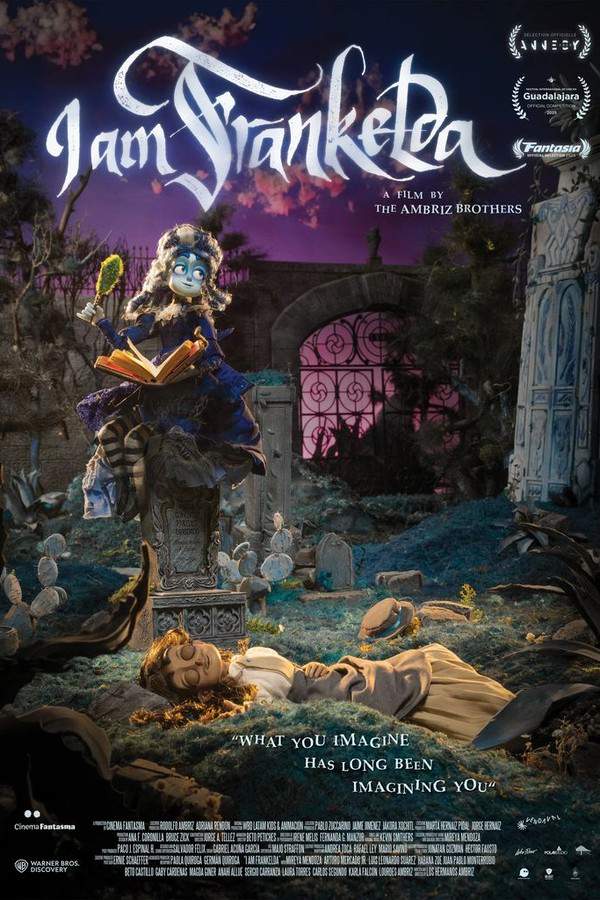
Frankelda, a determined 19th‑century Mexican writer, plunges into the depths of her own mind, confronting the nightmarish creatures she has conjured on the page. With the reluctant aid of a tormented prince, she races to mend the rift between fiction and reality before the boundaries collapse forever.
Where to Watch I Am Frankelda?
Find where to stream, rent, or buy I Am Frankelda (2026) in the US with current JustWatch availability, up-to-date pricing, and platform listings for subscription, rental, and digital purchase options.


Streaming availability powered by 
Warning: spoilers below!
Haven’t seen I Am Frankelda yet? This summary contains major spoilers. Bookmark the page, watch the movie, and come back for the full breakdown. If you're ready, scroll on and relive the story!
Timeline & Setting – I Am Frankelda (2026)
Explore the full timeline and setting of I Am Frankelda (2026). Follow every major event in chronological order and see how the environment shapes the story, characters, and dramatic tension.
Last updated: June 12, 2026 at 08:45
Main Characters – I Am Frankelda (2026)
Meet the key characters of I Am Frankelda (2026), with detailed profiles, motivations, and roles in the plot. Understand their emotional journeys and what they reveal about the film’s deeper themes.
Last updated: June 12, 2026 at 08:45
Major Themes – I Am Frankelda (2026)
Explore the central themes of I Am Frankelda (2026), from psychological, social, and emotional dimensions to philosophical messages. Understand what the film is really saying beneath the surface.
Last updated: June 12, 2026 at 08:45
I Am Frankelda (2026) Character & Theme Questions Answered – Info FAQ
Browse frequently asked questions about I Am Frankelda (2026) focused on characters, relationships, themes, symbols, setting, and story context. This movie info FAQ gives spoiler-aware explanations for character arcs, world details, and thematic interpretation so readers can better understand what the film is really about.
Where does I Am Frankelda take place?
The story unfolds in two interconnected worlds. The human realm is set in Monte de Video, Mexico in 1866, where Francisca faces family pressure and pursues her writing career. The other realm is the Topus Terrenus, a dreamlike underworld where the creatures from her imagination take shape and where the central conflict between fiction and reality plays out.
The contrast between the 19th-century Mexican setting and the fantastical Topus Terrenus establishes the story's central theme of imagination bleeding into reality.
What time period is I Am Frankelda set in?
The movie is set in 1866, during the mid-19th century. This era was marked by strict social constraints and limited opportunities for writers, especially women. The historical setting underscores the personal struggle Francisca faces as she pursues publication in a male-dominated publishing world while dealing with family disapproval.
What is Topus Terrenus?
Topus Terrenus is the dreamlike realm that exists within Francisca's imagination. It's a dark, fantastical underworld where legendary beings and nightmarish creatures take physical form, fueled by human fear. This realm serves as both a playground for imagination and a dangerous space where fiction can become reality, blurring the boundaries between storytelling and actual consequence.
Who is Frankelda in the movie?
Frankelda, whose real name is Mireya Mendoza, is a determined 19th-century Mexican writer of horror fiction. She uses her imagination as a bridge between the human world and the Topus Terrenus, creating nightmare creatures that later manifest in the dream realm. Her clever and stubborn nature drives her to reclaim her authorship and defeat the villain threatening both worlds.
Who is Herneval?
Herneval is the prince of the Topus Terrenus, also known as Arturo Mercado Jr. in the human world. He longs to save his realm and restore balance between worlds. Despite his parents' opposition, he seeks Francisca's help and uses his powers to influence events in the human world. His sacrifice becomes crucial to resolving the conflict between fiction and reality.
Who is Procustes?
Procustes is the royal advisor and nightmare-teller of the Topus Terrenus, portrayed by Mark Lewis. He manipulates human fear to assert control and attempts to plagiarize Francisca's nightmares for his own gain. His fear-driven politics trigger a coup in the dream realm, making him the primary antagonist who seeks to control both realms through deception and manipulation.
What is the Dream Reality theme in I Am Frankelda?
Dream Reality explores how Francisca's fiction bleeds into the Topus Terrenus, blurring the line between storytelling and danger. The narrative shows that imagination can reshape both worlds, for better or worse. Characters travel between realms, revealing the power and risk that come with creating new worlds. The story poses the question of who truly controls a tale: the author or the realm that inhabits it.
What is the Fear Power theme about?
Fear Power examines how the Topus Terrenus feeds on human fear, turning dread into energy that can be wielded by kings and con artists alike. Procustes manipulates fear to assert control and siphon Francisca's narratives for himself. Herneval's mission to safeguard his home pits loyalty against temptation and ambition. The plot hinges on whether fear can be redirected into protection or becomes a weapon that consumes both realms.
What is the Narrative Craft theme in I Am Frankelda?
Narrative Craft follows Frankelda's evolution as a writer, showcasing the force of voice and authorship. The pursuit of publication under a pseudonym highlights the tension between art and recognition. The theft and imitation plotline raises questions of originality and ethical storytelling. In the end, the writer's commitment to her truth sustains both her own world and the nightmare realm.
What are the main themes of I Am Frankelda?
I Am Frankelda explores three interconnected themes. Dream Reality examines the blurred line between imagination and reality. Fear Power shows how fear can be weaponized or redirected to protect or destroy. Narrative Craft focuses on authorship, originality, and the ethical responsibilities of storytelling. Together, these themes explore the power and risks of creation, the control over one's own narrative, and the consequences when others try to seize that control.
Who is Ceimut in I Am Frankelda?
Ceimut is the loyal guardian of the Topus Terrenus, portrayed by Carlos Segundo. He is tasked with upholding balance within the dream realm and plays a key role in guiding the clan through crisis. His responsibilities include the exile of clan leaders and the restoration of order, making him a crucial supporting character in maintaining the realm's stability.
Why is I Am Frankelda set in Mexico?
The 1866 Monte de Video setting grounds the story in a specific historical and cultural context that shapes the protagonist's journey. As a Mexican woman writer in the 19th century, Francisca faces unique challenges in a male-dominated publishing world with strict family expectations. This setting emphasizes the theme of overcoming societal constraints to claim one's voice, making the struggle for authorship both personal and culturally significant.

Explore Movie Threads
Discover curated groups of movies connected by mood, themes, and story style. Browse collections built around emotion, atmosphere, and narrative focus to easily find films that match what you feel like watching right now.
Movies about creators facing their work like I Am Frankelda
Where the line between imagination and reality dangerously blurs. Explore movies like I Am Frankelda where artists, writers, and creators must confront the living, often dangerous, manifestations of their own imagination. If you liked the blend of creative wonder and high stakes, you'll find similar stories here.
I Am Frankelda
2026
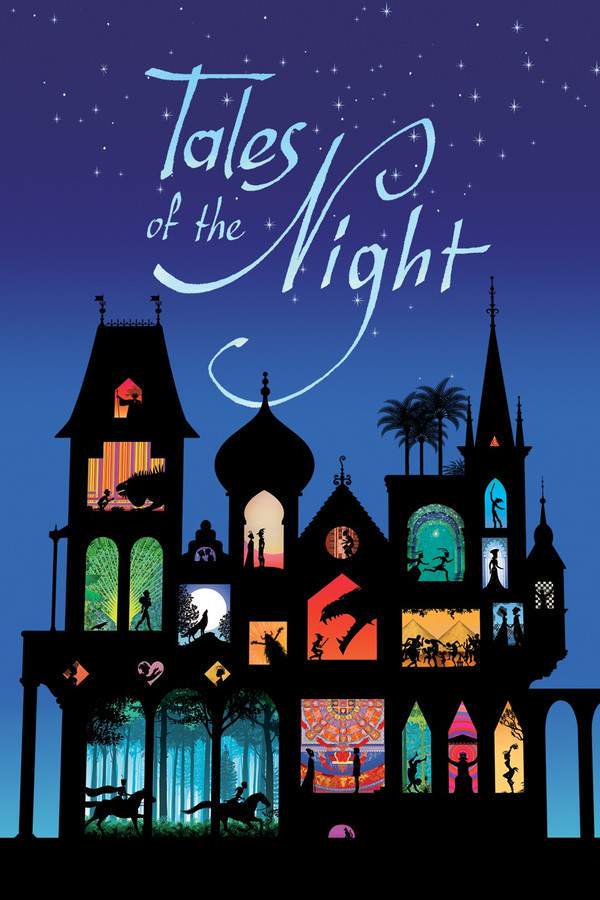
Tales of the Night
2012
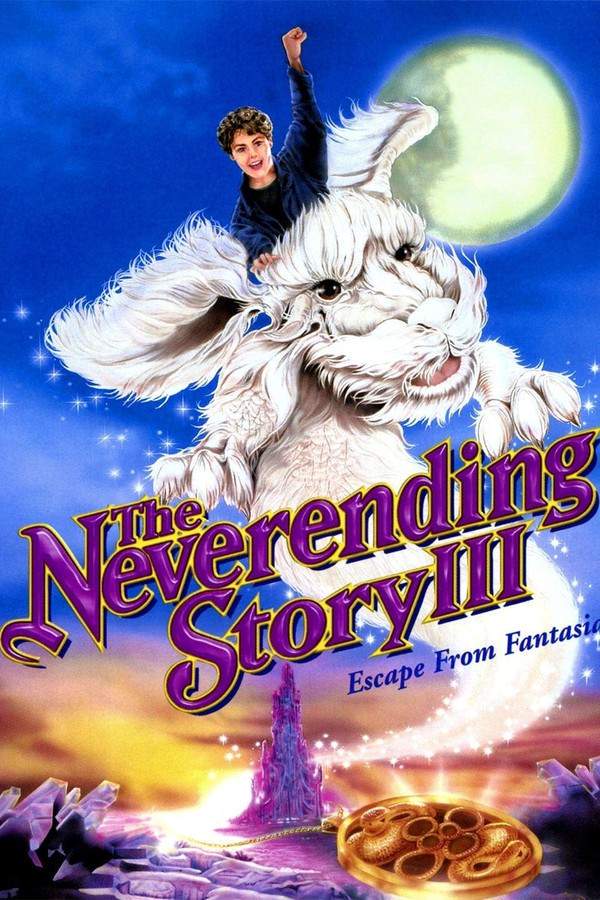
The NeverEnding Story
1984
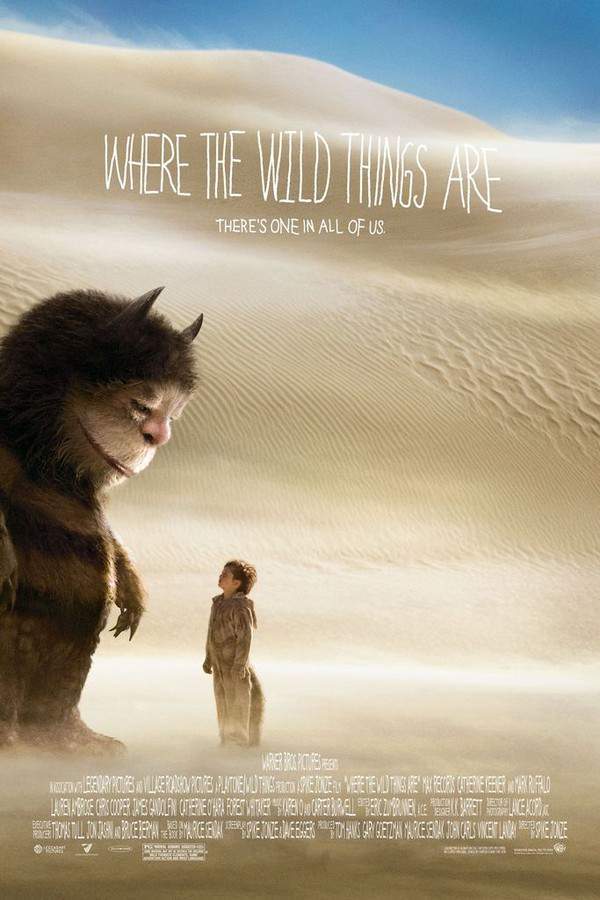
Where the Wild Things Are
2009
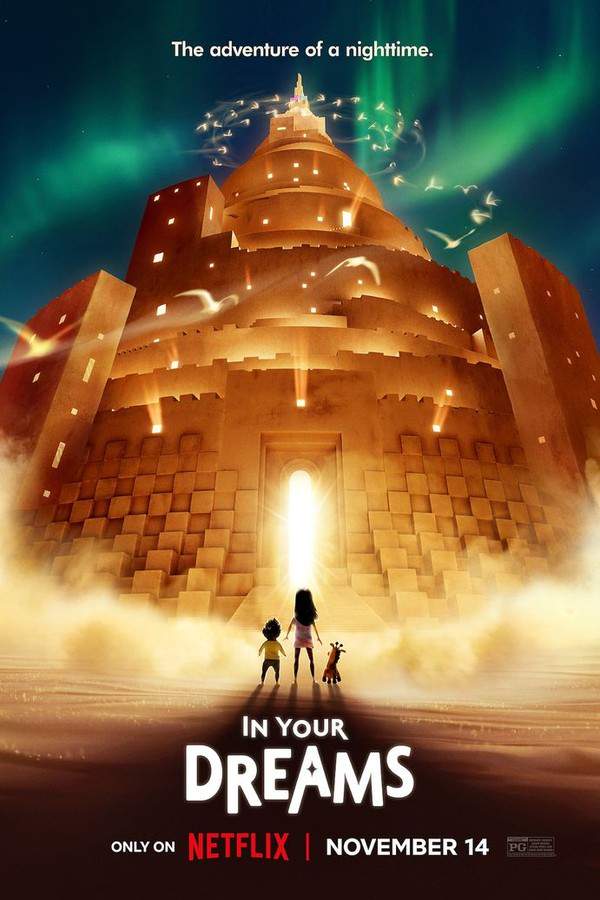
In Your Dreams
2025

The Flight of Dragons
1982
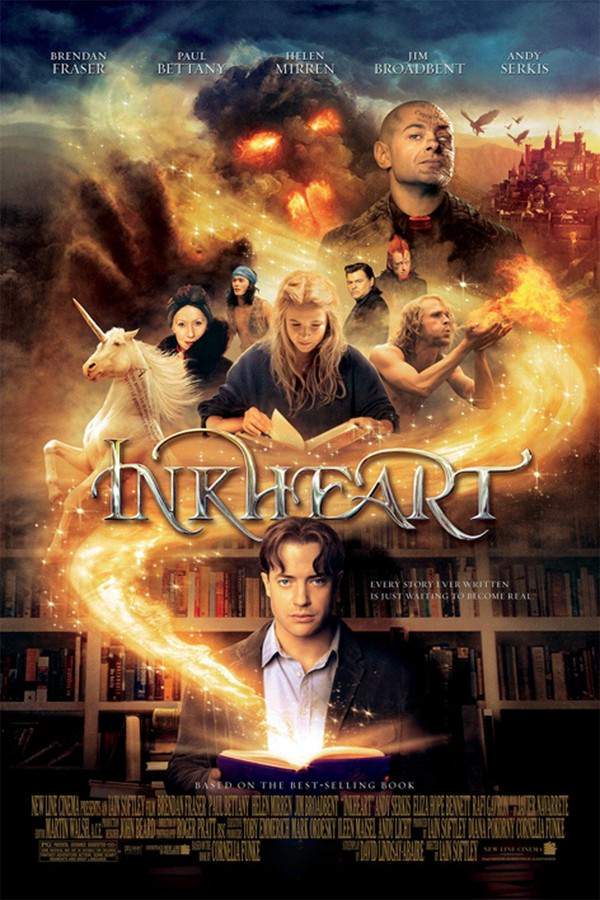
Inkheart
2009
Son of the White Mare
1983
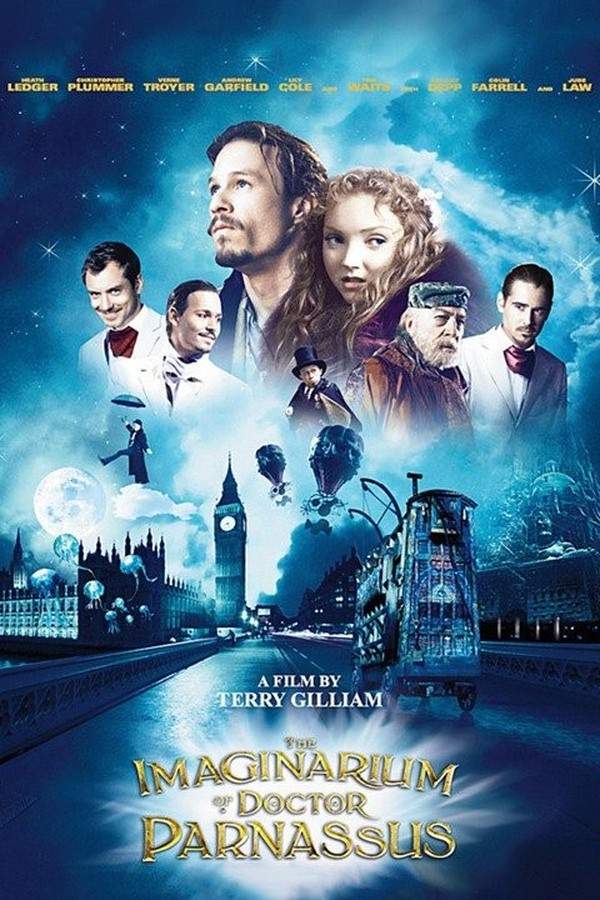
The Imaginarium of Doctor Parnassus
2009
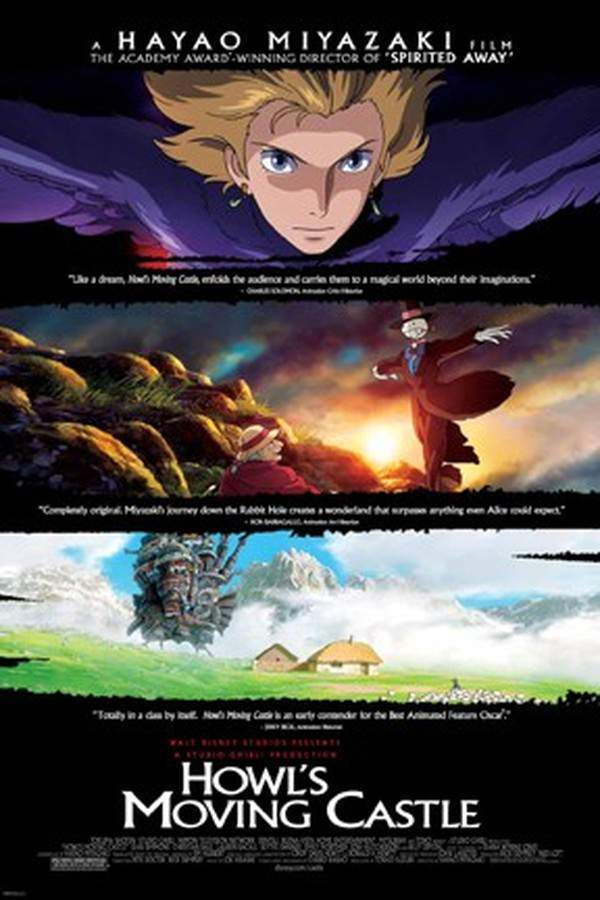
Howl's Moving Castle
2005

Voyage of the Unicorn
1000
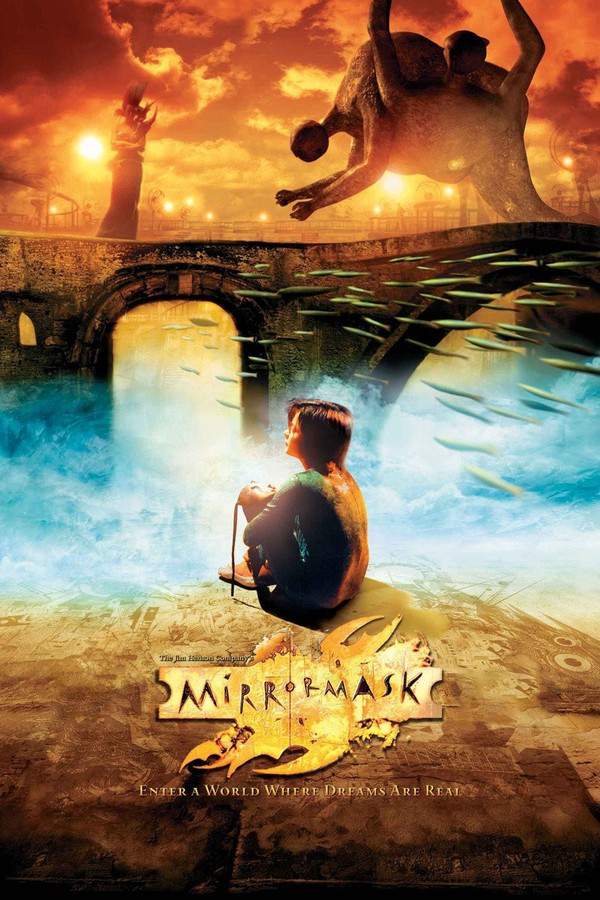
MirrorMask
2005

Ivan Tsarevich & the Grey Wolf
2011
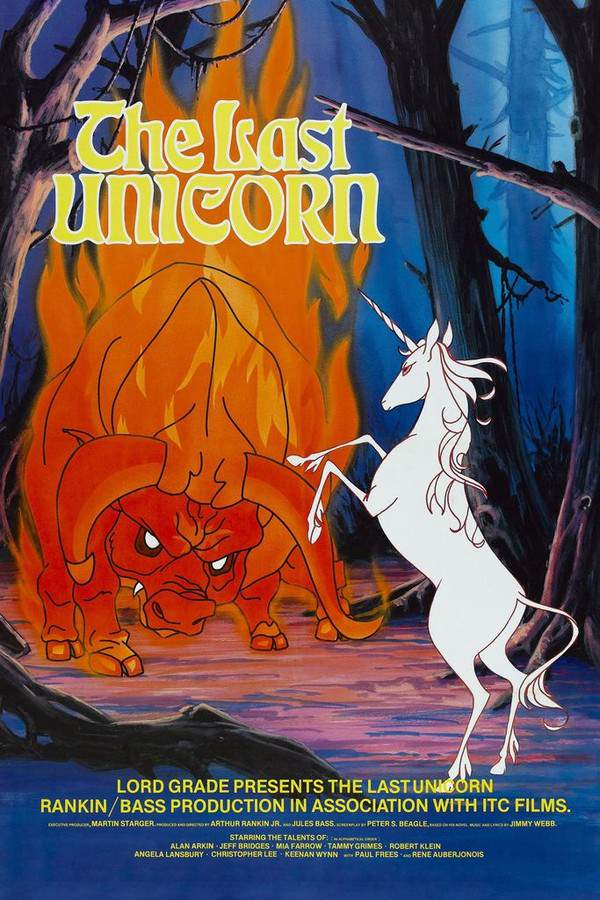
The Last Unicorn
1982

The Adventures of Mark Twain
1985
Narrative Summary
The narrative follows a creative protagonist who discovers their artistic or intellectual creations have taken on a life of their own, often escaping their control. The journey involves navigating a new, fantastical reality they inadvertently built, confronting personal demons, and ultimately trying to restore balance, often at a great personal cost.
Why These Movies?
These movies are grouped by their shared core premise of a creator interacting with their sentient work. They blend wonder with tension, exploring themes of responsibility, ambition, and the blurred line between fiction and reality, all within a fantastical or gothic framework.
Bittersweet gothic fantasy movies like I Am Frankelda
Hopeful journeys through melancholic worlds that end with a cost. Discover movies similar to I Am Frankelda, featuring gothic fantasy quests with a bittersweet tone. If you liked its mix of creative adventure and emotional sacrifice, this collection of melancholic yet hopeful stories is for you.

Midnight Ballad for Ghost Theater
2006
I Am Frankelda
2026
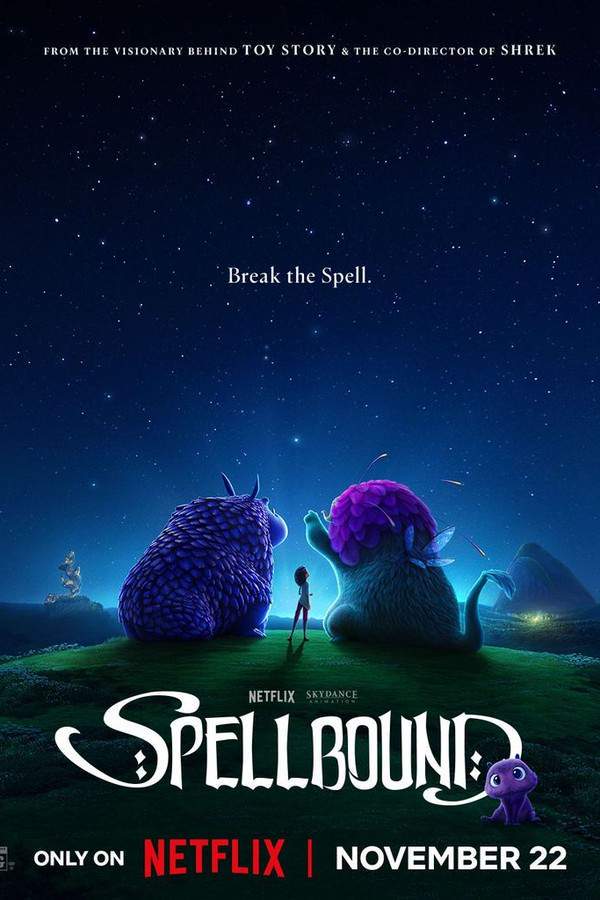
Spellbound
2024

Fantasy Romance
1991
The Last Unicorn
1982

A Hungarian Fairy Tale
1987
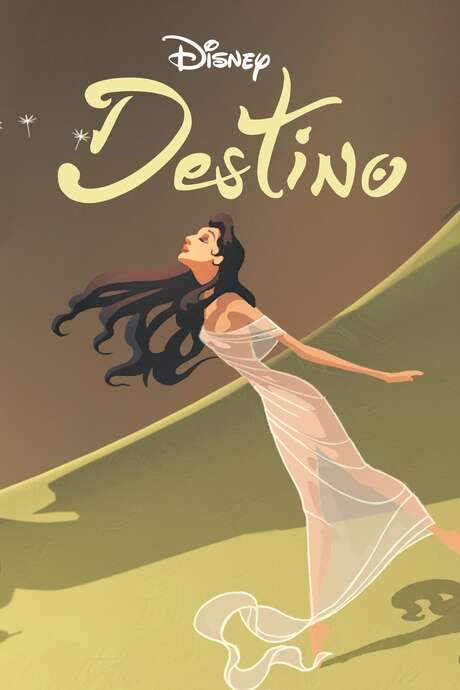
Destino
2003
The Flight of Dragons
1982
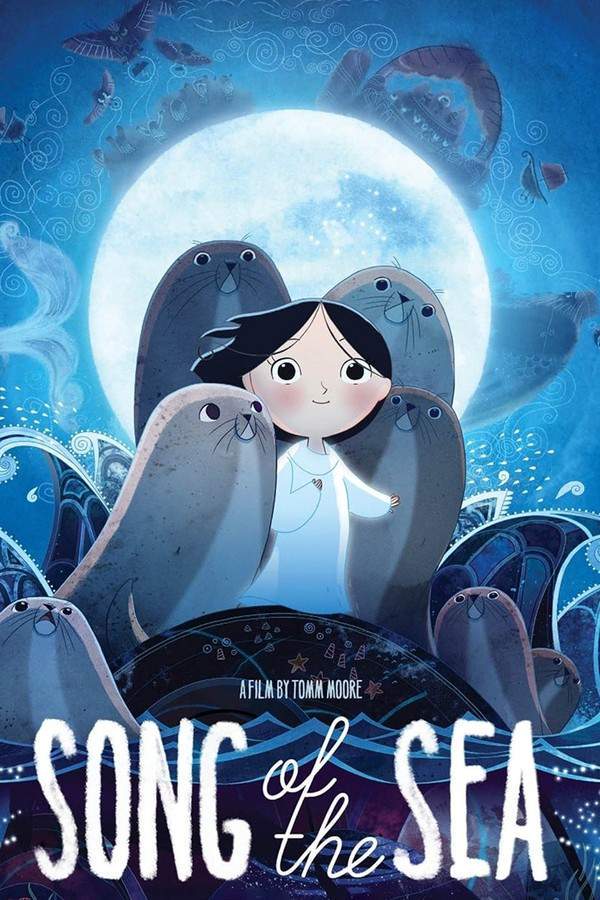
Song of the Sea
2014
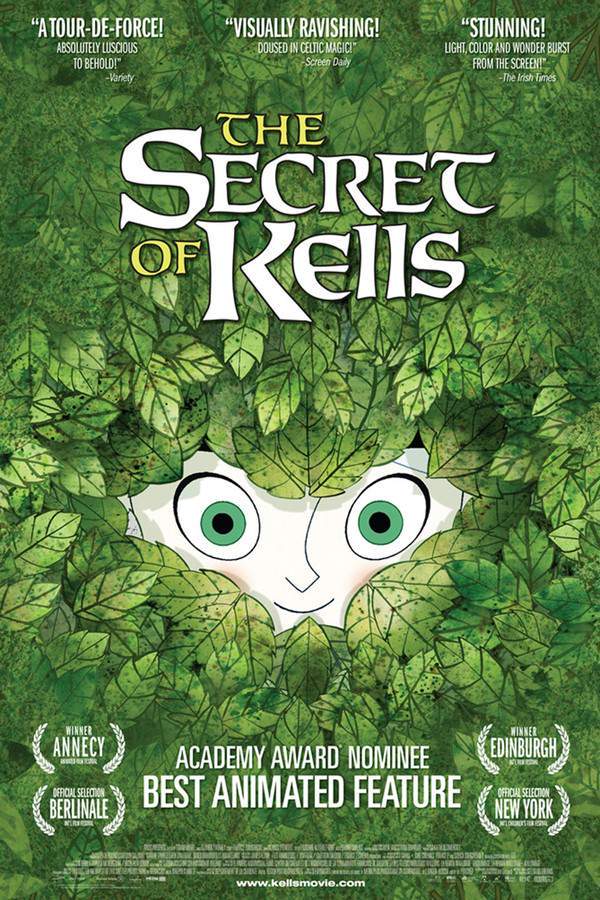
The Secret of Kells
2010
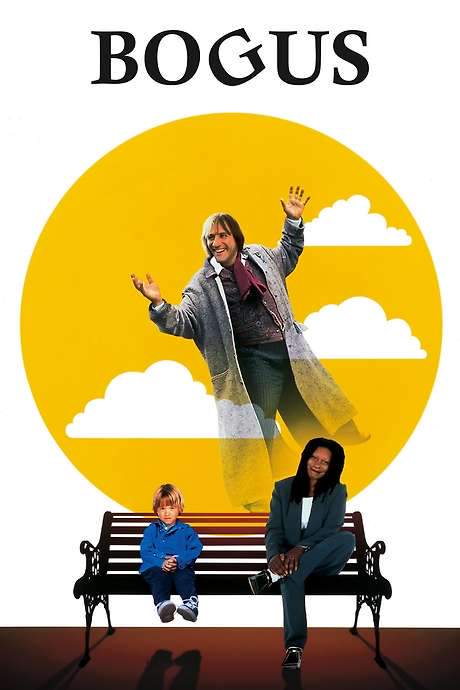
Bogus
1996
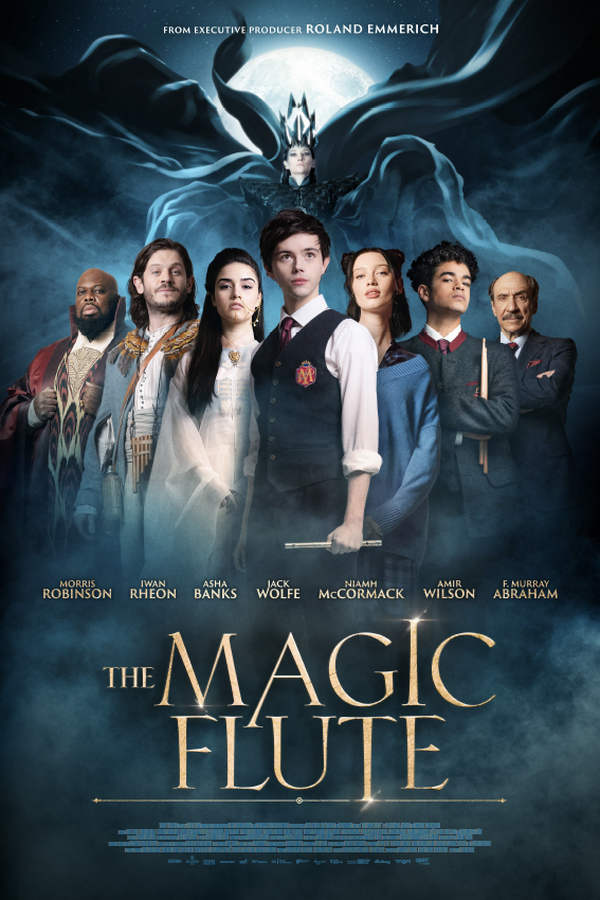
The Magic Flute
2023

The Hobbit
1977
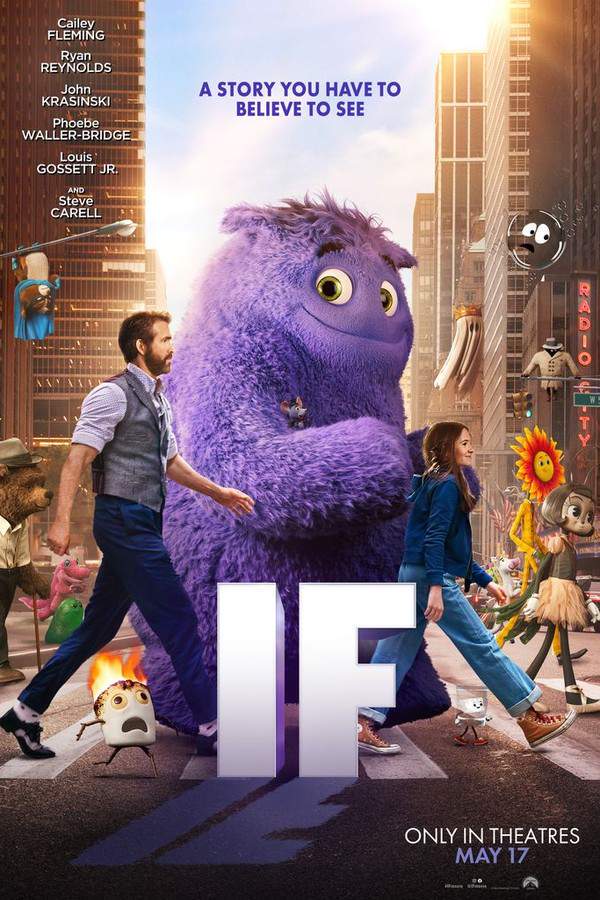
IF
2024
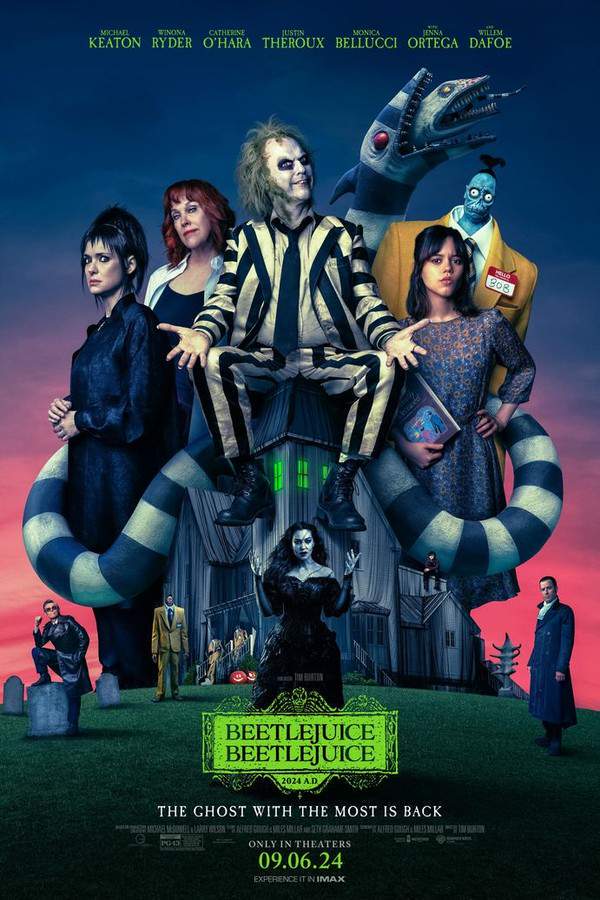
Beetlejuice Beetlejuice
2024
Narrative Summary
The narrative is a quest through a darkly fantastical or gothic world, driven by a hopeful protagonist. The journey is filled with wonder and creative obstacles, but is underpinned by themes of grief, sacrifice, and betrayal. The resolution achieves the primary goal but leaves the characters forever changed by a poignant loss.
Why These Movies?
These films share a unique tonal blend of gothic aesthetics, fantastical adventure, and a core emotional throughline of melancholy and sacrifice. The pacing is steady, the intensity is medium, and they consistently deliver endings that are both victorious and emotionally costly.
Unlock the Full Story of I Am Frankelda
Don't stop at just watching - explore I Am Frankelda in full detail. From the complete plot summary and scene-by-scene timeline to character breakdowns, thematic analysis, and a deep dive into the ending - every page helps you truly understand what I Am Frankelda is all about. Plus, discover what's next after the movie.
I Am Frankelda Summary
Read a complete plot summary of I Am Frankelda, including all key story points, character arcs, and turning points. This in-depth recap is ideal for understanding the narrative structure or reviewing what happened in the movie.

I Am Frankelda Timeline
Track the full timeline of I Am Frankelda with every major event arranged chronologically. Perfect for decoding non-linear storytelling, flashbacks, or parallel narratives with a clear scene-by-scene breakdown.

I Am Frankelda Ending Explained
What really happened at the end of I Am Frankelda? This detailed ending explained page breaks down final scenes, hidden clues, and alternate interpretations with expert analysis and viewer theories.