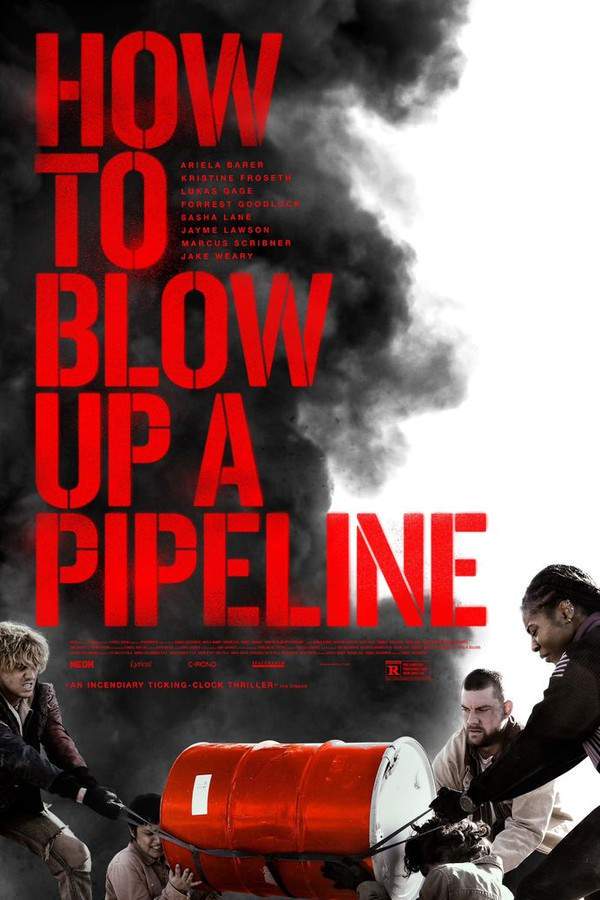
A group of dedicated environmental activists plan and carry out a daring operation to sabotage an oil pipeline. Driven by a desire to halt the pipeline's damaging environmental impact, they meticulously prepare for a high-stakes heist that challenges conventional methods of climate activism. The film explores the complexities of radical action and the escalating urgency of the climate crisis.
Find where to stream, rent, or buy How to Blow Up a Pipeline (2023) in the US with current JustWatch availability, up-to-date pricing, and platform listings for subscription, rental, and digital purchase options.
Warning: spoilers below!
Haven’t seen How to Blow Up a Pipeline yet? This summary contains major spoilers. Bookmark the page, watch the movie, and come back for the full breakdown. If you're ready, scroll on and relive the story!
Explore the full timeline and setting of How to Blow Up a Pipeline (2023). Follow every major event in chronological order and see how the environment shapes the story, characters, and dramatic tension.
Last updated: December 03, 2024 at 14:29
Meet the key characters of How to Blow Up a Pipeline (2023), with detailed profiles, motivations, and roles in the plot. Understand their emotional journeys and what they reveal about the film’s deeper themes.
Last updated: December 03, 2024 at 14:29
Explore the central themes of How to Blow Up a Pipeline (2023), from psychological, social, and emotional dimensions to philosophical messages. Understand what the film is really saying beneath the surface.
Last updated: December 03, 2024 at 14:29
Browse frequently asked questions about How to Blow Up a Pipeline (2023) focused on characters, relationships, themes, symbols, setting, and story context. This movie info FAQ gives spoiler-aware explanations for character arcs, world details, and thematic interpretation so readers can better understand what the film is really about.
The movie is set in two primary locations: Long Beach, California, a coastal city depicted as suffering from pollution and climate change impacts, and West Texas, a sprawling landscape where oil industry presence creates both economic opportunity and environmental destruction. These settings contrast the urban consequences of environmental degradation with the rural front lines of fossil fuel extraction.
The film is set in the contemporary present day, reflecting current issues around climate change, pollution's health impacts, and the urgency of environmental activism. The time period mirrors today's debates about radical protest methods versus traditional advocacy in the face of ecological crisis.
The film explores three interconnected themes: radical activism and whether environmental terrorism can be morally justified as a desperate response to existential threats; justice and inequality, particularly how corporate greed and land rights abuses affect marginalized communities; and environmental impact, showing how climate change directly damages people's lives and motivates desperate action.
Xochitl is a passionate young environmental activist who becomes increasingly radicalized after witnessing the personal tragedies caused by climate change. Her motivation stems from seeing real people suffer due to pollution and ecological destruction, which drives her to abandon peaceful activism in favor of bold, dangerous direct action against fossil fuel infrastructure.
Theo is Xochitl's close friend and fellow activist who shares her frustrations with environmental injustice. His terminal cancer diagnosis adds personal urgency to their mission, embodying how environmental degradation directly harms human health. His terminal condition motivates the group to act quickly and reflects the film theme that climate crisis is a matter of life and death.
Dwayne has deep emotional and ancestral ties to his land, which provides crucial context for the film's critique of corporate greed. His personal history illustrates how oil companies and systemic inequalities directly harm marginalized communities, grounding the abstract debate about environmental justice in real human struggles against governmental and corporate oppression.
Michael serves as the explosives expert for the group's mission. His Native American heritage adds significant depth to the film's critique of environmental exploitation, connecting his personal story to broader themes of indigenous communities disproportionately affected by fossil fuel extraction and corporate environmental destruction.
The film explores radical activism as a theme rather than explicitly advocating for it. It presents the moral complexity of desperate measures against existential threats, showing both the justification and consequences of such actions. The story raises questions about morality when traditional protest fails, leaving viewers to grapple with the ethical dilemmas rather than providing clear answers.
The movie argues that climate change disproportionately affects vulnerable communities and that systemic inequalities allow corporations to exploit both people and land. It connects individual desperation to broader structural failures, suggesting that inadequate government action on climate change pushes people toward extreme measures.
The pipeline represents both the fossil fuel industry's physical infrastructure and its broader system of environmental destruction. By targeting this specific asset, the characters aim to disrupt the flow of oil and make a visible statement about the need to stop environmental harm, embodying the film's argument that direct action may be necessary when regulatory systems fail.
Discover curated groups of movies connected by mood, themes, and story style. Browse collections built around emotion, atmosphere, and narrative focus to easily find films that match what you feel like watching right now.
Criminal operations driven by moral conviction and systemic injustice.If you liked the tense, morally complex sabotage plot of How to Blow Up a Pipeline, explore more movies where high-stakes criminal acts are driven by a desire for justice. These films combine the meticulous planning of a heist with the heavy emotional weight of political activism.
The narrative follows a group of characters, often outsiders or activists, as they plan and execute a dangerous mission targeting a corrupt system. The plot is linear and fast-paced, driven by a ticking clock and frequent setbacks, while character backstories provide the moral motivation for their extreme actions.
Movies in this thread are grouped by their fusion of the heist thriller structure with weighty political or environmental themes. They share a tense, urgent mood, high emotional stakes, and a focus on the moral justifications for criminal direct action.

Stories where success comes at a profound and heavy personal cost.For viewers who appreciated the complex, costly victory in How to Blow Up a Pipeline, this list features films where characters achieve their goals but pay a severe price. These stories resonate because the endings feel earned yet emotionally heavy, reflecting the true cost of principle.
The emotional journey follows determined individuals or groups challenging a powerful antagonist. While they may achieve a tactical or symbolic victory, it is tempered by significant personal loss, such as imprisonment, death, or shattered relationships. The ending acknowledges the necessity of the struggle but mourns its sacrifices.
This thread connects films that share a specific emotional arc: a pyrrhic or bittersweet conclusion to a heavy conflict. They are united by a tone that is both grim and defiant, with endings that prioritize thematic resonance over tidy, happy resolutions.
Don't stop at just watching - explore How to Blow Up a Pipeline in full detail. From the complete plot summary and scene-by-scene timeline to character breakdowns, thematic analysis, and a deep dive into the ending - every page helps you truly understand what How to Blow Up a Pipeline is all about. Plus, discover what's next after the movie.
Read a complete plot summary of How to Blow Up a Pipeline, including all key story points, character arcs, and turning points. This in-depth recap is ideal for understanding the narrative structure or reviewing what happened in the movie.
Track the full timeline of How to Blow Up a Pipeline with every major event arranged chronologically. Perfect for decoding non-linear storytelling, flashbacks, or parallel narratives with a clear scene-by-scene breakdown.
What really happened at the end of How to Blow Up a Pipeline? This detailed ending explained page breaks down final scenes, hidden clues, and alternate interpretations with expert analysis and viewer theories.
Discover movies like How to Blow Up a Pipeline that share similar genres, themes, and storytelling elements. Whether you’re drawn to the atmosphere, character arcs, or plot structure, these curated recommendations will help you explore more films you’ll love.
How to Blow Up a Pipeline (2023) Plot Summary & Movie Recap
How to Blow Up a Pipeline (2023) Scene-by-Scene Movie Timeline
How to Blow Up a Pipeline (2023) Ending Explained & Theories
How to Blow Up a Pipeline (2023) Spoiler-Free Summary & Key Flow
Movies Like How to Blow Up a Pipeline – Similar Titles You’ll Enjoy
Blow Out (1981) Complete Plot Breakdown
Sabotage (1937) Plot Summary & Ending Explained
If a Tree Falls: A Story of the Earth Liberation Front (2011) Movie Recap & Themes
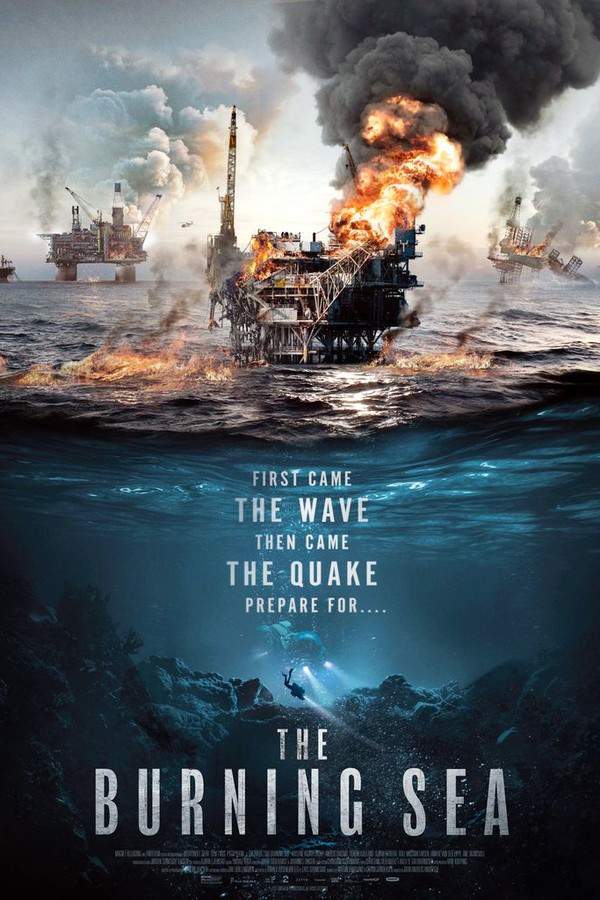
The Burning Sea (2022) Spoiler-Packed Plot Recap
Deepwater Horizon (2016) Complete Plot Breakdown
Bomb City (2018) Complete Plot Breakdown
Sabotage (2014) Full Movie Breakdown
Cleaner (2025) Detailed Story Recap
Ablaze (2001) Movie Recap & Themes
North Sea Hijack (1980) Full Movie Breakdown
Pipeline (2021) Plot Summary & Ending Explained
Tripwire (1989) Full Movie Breakdown
Sabotage (1996) Story Summary & Characters
Blown Away (1994) Full Movie Breakdown
Rage (1972) Film Overview & Timeline