Plot Explained Spoilers guaranteed!
Plot Explained

Browse by genre

Hitler’s Kaput! (2008) movie poster

Characters & Themes

Hitler’s Kaput! (2008) Characters, Setting & Themes Explained

Release, runtime and language
2008 · 99 mins · Russian
Directed by
Marius Weisberg
Starring
Yuriy Galtsev, Yuriy Stoyanov, Igor Gasparyan, Anfisa Chekhova, Mikhail Galustyan, Zoya Buryak

A Russian WW2 spy spoof following misadventures of a clueless Soviet secret agent trapped inside Hitler’s inner circle.

On this page (7)
  1. 1 Characters explained (6)
  2. 2 Where & when it takes place
  3. 3 Themes & meaning (4)
  4. 4 Character & meaning questions
  5. 5 Movie threads
  6. 6 Movies like Hitler’s Kaput!
  7. 7 Every angle

6 main characters · contains spoilers

Hitler’s Kaput! Characters Explained: Who Is Who

The main characters of Hitler’s Kaput! (2008), heroes and villains: what drives them, how they change over the course of the story and what each of them reveals about the film's bigger ideas.

  • Aleksandr Isaevich 'Shura' Osechkin (Pavel Derevyanko)

    A Soviet intelligence officer living incognito as Standartenführer Olaf Schurenberg in Berlin. He navigates dangerous loyalties, balancing his mission with his growing feelings for Zina. The character shows resourcefulness, risk-taking, and a willingness to blur moral lines for the greater cause.

    • 🧭 Spy
    • 🧠 Cunning
    • ❤️ Complex
    • 🎭 Dual identity
  • Zina (Anna Semenovich)

    A radio operator connected to the Soviet Center, she forms a precarious romance with Shurenberg. She is resourceful yet vulnerable, caught between coercion from Gestapo and her relationship with Shurenberg. Her fate underscores the human cost of war.

    • 💞 Romance
    • 🗝️ Coercion
    • 📡 Operator
  • Müller (Yuriy Galtsev)

    An antagonist who sends Iron Hans after Shurenberg, representing relentless pursuit and wartime ruthlessness. His actions escalate danger for Shurenberg and Zina, forcing quick thinking and evasion.

    • ⚔️ Authority
    • 👀 Pursuit
  • Adolf Gitler (Mikhail Krylov)

    The infamous dictator figure in the story, a target of the spies' machinations. His presence adds a layer of danger and historical gravity to the film's wartime setting.

    • 🎭 Villain
    • 🏛️ Power
  • Eva Braun (Kseniya Sobchak)

    Hitler's companion, involved in the tense situations that unfold as the protagonists navigate capture and escape. She appears in the high-stakes world of the last days of the regime.

    • 👥 Associate
    • 💃 Conflict
  • Kuzmich (Aleksei Buldakov)

    Shura's ally who helps create a path to escape, literally opening a door through a wall. His role emphasizes acts of aid and strategic risk-taking.

    • 🤝 Ally
    • 🗺️ Escape route

Last updated: February 17, 2026 at 17:27

Was this helpful?

Setting

Where and When Does Hitler’s Kaput! Take Place?

The setting of Hitler’s Kaput! (2008): the year and time period, the places and locations, and how they shape the characters, the mood and the tension of the story.

Time period

May 1945

The narrative takes place during the final days of the European theater of World War II, culminating in Victory Day on May 9, 1945. Berlin is a pressure cooker of espionage, betrayal, and sudden reversals. The characters race against time as allegiances blur and escape becomes essential.

Location

Berlin, Germany, Soviet border

The film unfolds in Berlin as World War II draws to a close, with the city blending nightclubs and shadowy intelligence work. The action also drifts toward the Soviet border, where the fugitives attempt to slip across. The setting mixes urban nightlife with the tense atmosphere of occupation and surveillance, creating a backdrop of danger and intrigue.

  • 🗺️ War-torn
  • 🏙️ Cityscape

Last updated: February 17, 2026 at 17:27

Was this helpful?

4 major themes

Hitler’s Kaput! Meaning: Themes & Message Explained

What is Hitler’s Kaput! (2008) really about? The emotional, social and philosophical themes the film keeps returning to, its symbolism and the message beneath the surface.

  • Espionage

    A Soviet officer assumes an SS identity to gather intelligence in Berlin, highlighting the double life demanded by wartime spying. The plot revolves around deception, covert channels, and the constant threat of exposure. Loyalties are tested as personal connections complicate official missions.

  • Love

    Shura and Zina's romance blossoms amid danger, forcing them to navigate loyalties to country and to each other. The relationship endures surveillance, coercion, and the lure of a safer life, revealing how love can become both a refuge and a liability. The war intensifies emotions beyond ordinary boundaries.

  • Escape

    The pair's flight across Berlin and toward the border becomes a race against capture and reprisal. Perilous decisions and swift improvisation drive their bid for freedom. The escape is as much about leaving behind identities as crossing a line.

  • Betrayal

    Power plays and coercion test every relationship as figures like Bormann attempt to manipulate Shurenberg. The plot hinges on manipulation, secrets, and the danger of being exposed as a traitor. The pursuit of safety collides with the brutal reality of wartime politics.

Last updated: February 17, 2026 at 17:27

Was this helpful?

Character & theme questions

Hitler’s Kaput! Characters & Meaning: Your Questions Answered

The questions people ask about Hitler’s Kaput! (2008): who the characters really are, their relationships, what the symbols mean, where it takes place and what the movie is really about. Each answer contains spoilers.

Q1

Where is the movie set?

The film takes place primarily in Berlin during the final days of World War II, with some scenes set near the Soviet border as the protagonists attempt to escape. The setting blends urban nightlife venues with the shadowy world of espionage and surveillance, creating a backdrop of danger amid the crumbling Third Reich.

  • berlin setting
  • ww2 locations
  • wartime city
Q2

When does the story take place?

The narrative unfolds in May 1945, culminating in Victory Day on May 9, 1945. This was the final days of the European theater of WWII, when Berlin was a pressure cooker of espionage, betrayal, and rapid changes in allegiance as the war drew to a close.

  • may 1945
  • ww2 ending
  • european theater timeline
Q3

Who is Shura in the story?

Shura is a Soviet intelligence officer living undercover as Standartenführer Olaf Schurenberg, an SS officer in Berlin. He balances his spy mission with growing romantic feelings for Zina, demonstrating resourcefulness and a willingness to cross moral lines for what he sees as the greater cause.

  • shura character
  • soviet spy
  • ss officer identity
Q4

Who is Zina in the movie?

Zina is a radio operator connected to the Soviet Center who forms a romantic relationship with Shurenberg. She is resourceful but vulnerable, caught between coercion from the Gestapo and her developing feelings for Shurenberg, representing the human cost of war on individuals caught between opposing forces.

  • zina character
  • radio operator
  • soviet agent
Q5

What does the espionage theme explore?

The espionage theme centers on the double life demanded by wartime spying, with Shura assuming an SS identity to gather intelligence in Berlin. The plot revolves around deception, covert channels, and the constant threat of exposure, as personal connections complicate official missions and loyalties are tested.

  • espionage theme
  • spy deception
  • double identity
Q6

How does the love story develop in the movie?

Shura and Zina's romance blossoms amid the danger of wartime Berlin, forcing them to navigate loyalties to both country and each other. Their relationship endures surveillance, coercion, and the temptation of a safer life elsewhere, showing how love can become both a refuge and a liability during wartime.

  • love theme
  • romantic storyline
  • wartime romance
Q7

What is the escape theme about?

The escape theme follows Shura and Zina's flight across Berlin and toward the Soviet border, becoming a desperate race against capture and reprisal. Their perilous journey requires swift improvisation and desperate decisions, with the escape representing both a physical crossing and an attempt to leave behind their false identities.

  • escape theme
  • flight from berlin
  • border crossing
Q8

How does betrayal factor into the story?

Betrayal emerges through power plays and coercion, particularly as figures like Bormann attempt to manipulate Shurenberg. The plot hinges on manipulation, secrets, and the constant danger of being exposed as a traitor, with the pursuit of safety colliding with the brutal reality of wartime politics.

  • betrayal theme
  • manipulation
  • political intrigue
Q9

Why is this movie considered a comedy?

The film is a spy spoof that uses humor to tackle dark WWII themes like Gestapo, torture, and espionage. The comedic and farcical treatment significantly reduces the emotional weight of serious subject matter, creating an engaging viewing experience that balances the tension of life-or-death spy stakes with a predominantly humorous tone.

  • comedy spoof
  • funny ww2
  • parody film
  • comedic tone
Q10

What historical context does the movie portray?

The movie depicts the final days of the Third Reich in Berlin, including appearances by Adolf Hitler and Eva Braun in the last days of the regime. The historical setting combines real WWII elements like the Soviet advance on Berlin with the chaos of collapse as allegiances shift rapidly.

  • hitler
  • berlin 1945
  • third reich
  • ww2 history
Q11

What role does Kuzmich play in the story?

Kuzmich is Shura's ally who helps create a path to escape, literally opening a door through a wall to aid the protagonists. His role emphasizes acts of strategic risk-taking and the small moments of aid that become crucial for survival in wartime.

  • kuzmich character
  • ally helper
  • escape assistance
Q12

Who is the antagonist pursuing Shura?

Müller serves as the primary antagonist, an enemy who sends Iron Hans after Shurenberg, representing relentless pursuit and wartime ruthlessness. His actions escalate the danger for both Shura and Zina, forcing them into quick thinking and constant evasion as the noose tightens around their double lives.

  • muller antagonist
  • enemy pursuit
  • antagonist threat

Movie threads

More Movies Like Hitler’s Kaput!, by Mood & Story

Curated lists built around what makes Hitler’s Kaput! tick: the same mood, the same kind of story or the same emotional payoff. Each list explains why these movies belong together.

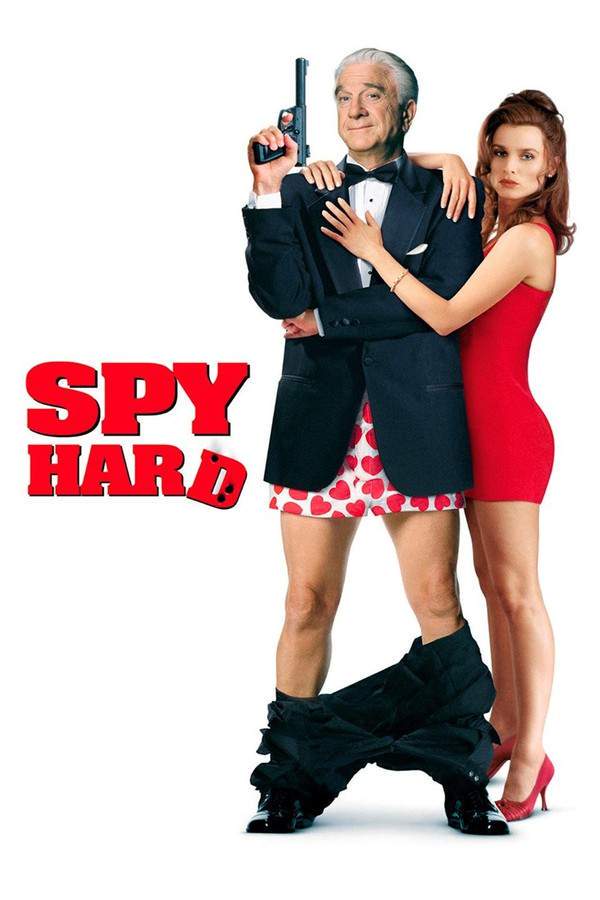
Absurdist Spy Satires like Hitler’s Kaput!

Espionage tales played for laughs with chaotic characters and surreal plot twists. If you liked the chaotic espionage and laugh-out-loud satire of Hitler's Kaput!, explore more movies that turn spy tropes upside down. This list features comedies where secret missions are anything but smooth.

  • satirical
  • absurd
  • chaotic
  • lighthearted
  • irreverent
  • escapist
  • Tone: light, irreverent
  • Pacing: fast, chaotic
Why these movies?

The story pattern: The narrative follows a relatively simple spy mission archetype but subverts it with constant comedic mishaps and surreal events. The protagonist, often an unlikely or incompetent agent, navigates a dangerous situation through luck and absurd misunderstandings rather than skill.

Why they belong together: They are grouped together by their shared commitment to using the spy genre as a vehicle for humor, prioritizing lighthearted chaos and satirical jabs over tension or realism.
Irreverent Historical Farce like Hitler’s Kaput!

Comedies that playfully rewrite history with a healthy dose of absurdity. For viewers who enjoyed the bold, comedic rewriting of history in Hitler's Kaput!, this list features similar movies that find humor in the past. Discover films that blend historical settings with absurd plots and lighthearted parody.

  • satirical
  • farce
  • historical
  • anachronistic
  • lighthearted
  • irreverent
  • Tone: light, satirical
  • Pacing: fast, energetic
Why these movies?

The story pattern: Stories in this thread are often straightforward adventures or missions set against a well-known historical backdrop. The narrative tension comes from the protagonist's anachronistic or incompetent actions disrupting the 'serious' historical setting, leading to a series of comedic escapes and misunderstandings.

Why they belong together: They share a unique blend of a recognizable historical context with a purposefully silly, anachronistic, and farcical tone, creating a distinct experience of laughing at history.

If you liked this

Movies Like Hitler’s Kaput!

Similar movies to Hitler’s Kaput!: the same genre, themes or kind of story. Each one comes with its own plot summary, timeline and ending explained.

Browse all movie summaries

Every angle

Hitler’s Kaput! (2008) Explained: Plot, Timeline & Characters

Everything about Hitler’s Kaput! in one place: what happens in the plot summary, the timeline in chronological order, the characters and meaning and a spoiler-free summary. What's After the Movie adds the cast, box office and post-credit scenes.

Coming soon on iOS and Android

The Plot Explained Movie Summary App

Plot summaries, endings explained and timelines on your phone. Catch up on any movie in minutes, save your favorites and never miss a twist again.

Be the first to know when we launch. Your email stays private, always.

Learn more about the app