Plot Explained Spoilers guaranteed!
Plot Explained

Browse by genre

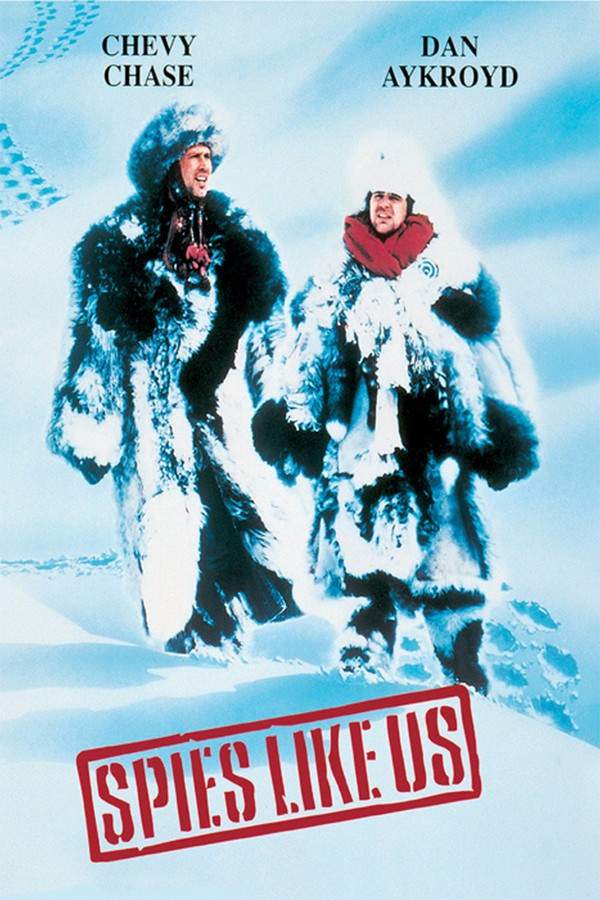
Spies Like Us (1985) movie poster

Plot Summary

Spies Like Us (1985) Plot Summary Explained

Release, runtime and language
1985 · 102 min · English
JustWatch #16,899 6
Directed by
John Landis
Starring
Dan Aykroyd, Chevy Chase

Two bored government clerks, Austin and Emmett, seek adventure by joining a covert CIA program. They find themselves unexpectedly embroiled in a dangerous mission to the Middle East. Thrust into a high-stakes situation, the unlikely spies unwittingly become key players in a Cold War conflict between the United States and Russia, facing unexpected challenges and peril along the way.

On this page (7)
  1. 1 Where to watch
  2. 2 What happens: full plot
  3. 3 Plot questions answered
  4. 4 Movie threads
  5. 5 Movies like Spies Like Us
  6. 6 Categories
  7. 7 Every angle

Where to watch

Where to Watch Spies Like Us (1985)

Where can you watch Spies Like Us? Stream, rent or buy it in the US, including on Kanopy, Plex and Tubi TV: current JustWatch availability with up-to-date prices.

Streaming availability powered by JustWatch

Full plot summary · contains spoilers

What Happens in Spies Like Us: Full Plot Summary

The whole story of Spies Like Us (1985) explained, from the opening scene to the final frame: every key event, every twist and what it all adds up to. Read it as a quick recap before the sequel, to check a scene you missed, or to finally understand what really happened.

In the shadowy recesses of the Pentagon, Austin Millbarge, a code breaker yearning for adventure, dreams of leaving his humdrum existence behind to embrace life as a daring covert agent. At the same time, Emmett Fitz-Hume, son of an envoy, succumbs to the pressures of his peers and attempts to take the foreign service exam with questionable motives. Their fates intertwine when Fitz-Hume's reckless efforts to bribe the test proctor end in embarrassment, while Millbarge grapples with the aftermath of his supervisor's sabotage, leaving him unprepared for the examination after just a scant 24 hours of study.

The Defense Intelligence Agency (DIA) seizes the opportunity to promote these two underperformers to the esteemed position of GLG-20 Foreign Service Operatives. With only a touch of military training to their names, they are dispatched on a vague mission into the heart of Pakistan and Soviet Central Asia. Unbeknownst to them, a more experienced team is simultaneously on a mission to capture a mobile SS-50 ICBM launcher within Soviet borders, with Millbarge and Fitz-Hume unknowingly serving as decoys designed to divert attention from the main operation.

As chaos unfolds around them, the unlikely duo manages to evade various attacks, only to encounter Karen Boyer, a surviving operative, in the perilous Pamir Mountains of the Tajik Soviet Socialist Republic. In a bid for survival, they don makeshift alien costumes and incapacitate a mobile missile guard unit. Following real-time instructions from their agents operating from the W.A.M.P. military bunker hidden beneath an abandoned drive-in theater, they take control of the launcher. Upon the completion of their mission, it releases an ICBM into the vastness of space, targeting an undisclosed area in the Continental United States.

Faced with the looming threat of a nuclear conflict, both American and Soviet agents forge unexpected alliances, momentarily pausing hostilities in the face of global catastrophe. As tensions mount, Fitz-Hume and Millbarge join forces with Generals Sline and Miegs at the W.A.M.P. operations bunker, where they uncover a startling revelation behind the movie theater facade. Beneath the projection screens lies a colossal black-ops laser and collector/emitter screen, eerily similar to Strategic Defense Initiative technology. The reality of launching a Soviet missile to test anti-ballistic missile systems—a misdirection to convince the President and the U.S. Government of an imminent nuclear strike—comes to light. Despite the laser's malfunction and failure to intercept the missile, Sline and Miegs opt to remain silent about the deception, allowing the dire situation to escalate under the pretense of safeguarding the American way of life.

In the Soviet Union, Millbarge wrestles with guilt over potentially targeting his own country with a nuclear missile. Realizing that the missile's trajectory can be altered, he collaborates with American spies and Soviet technicians, leveraging his missile guidance expertise to send instructions that successfully redirect the projectile into space, resulting in a harmless detonation.

As the dust settles, the W.A.M.P. bunker is invaded by U.S. Army Rangers, leading to the capture of Ruby, Keyes, and the rogue military personnel involved in the unauthorized operation. In an unexpected twist of fate, Millbarge, Fitz-Hume, and Boyer emerge as nuclear disarmament negotiators, thrust into a high-stakes diplomatic arena where their strategic acumen determines the delicate balance of global security.
Last updated: November 21, 2024 at 10:37

Was this helpful?

Plot questions answered

Spies Like Us Plot Explained: Your Questions Answered

The questions people ask most about Spies Like Us (1985): what happens in the confusing scenes, why the characters do what they do, the twists, hidden details and what the ending means. Each answer contains spoilers.

Q1

Why were Austin and Emmett chosen for such an important covert mission?

They weren't actually chosen for their skills. The Defense Intelligence Agency promoted them to GLG-20 Operatives specifically because they were incompetent, they were intended to serve as decoys to distract Soviet forces while a more experienced team carried out the real mission to capture a mobile ICBM launcher.

Foreshadowing: Earlier in the film, both characters fail their exams and show themselves to be underqualified, which is precisely why the DIA sees them as expendable decoys.

  • decoy mission
  • DIA
  • GLG-20
  • undercover operation
Q2

What was the W.A.M.P. bunker?

The W.A.M.P. was a secret military operations bunker hidden beneath an abandoned drive-in theater. It housed a massive black-ops laser designed to mimic Strategic Defense Initiative technology, intended to intercept incoming missiles.

Foreshadowing: The drive-in theater is introduced early as a seemingly innocent location, but its purpose is revealed to be far more sinister.

  • drive-in theater
  • secret bunker
  • black-ops laser
  • Strategic Defense Initiative
Q3

Why did the American generals launch a Soviet missile at the United States?

Generals Sline and Miegs orchestrated the missile launch as a false flag operation to test their experimental laser weapon and convince the President and U.S. Government that an imminent nuclear strike was occurring. This was meant to justify continued military spending and maintain the secretive W.A.M.P. program.

  • false flag
  • nuclear missile
  • General Sline
  • General Miegs
  • laser weapon
Q4

How did Austin manage to redirect the missile after it was launched?

Austin Millbarge had expertise in missile guidance systems from his background as a code breaker. Realizing the missile could be retargeted, he worked with American spies and Soviet technicians to transmit new coordinates, successfully redirecting the ICBM into outer space where it detonated harmlessly.
Foreshadowing: His dream of becoming a covert agent and his technical skills as a code breaker finally become relevant during the crisis.

  • missile guidance
  • redirect missile
  • space
  • ICBM
Q5

Why did American and Soviet agents form an alliance during the missile crisis?

With the ICBM heading toward the Continental United States, both American and Soviet forces realized they faced a mutual threat from the unauthorized launch. They temporarily halted their Cold War conflict to collaborate on preventing nuclear catastrophe.

  • Cold War
  • nuclear threat
  • unlikely alliance
  • cooperation
Q6

What happened to the rogue military personnel who launched the missile?

The W.A.M.P. bunker was invaded by U.S. Army Rangers, who captured Ruby, Keyes, and the other rogue military personnel involved in the unauthorized missile launch. Generals Sline and Miegs chose to remain silent about their own involvement, allowing the operation to be framed as a rogue act.

  • U.S. Army Rangers
  • capture
  • rogue operation
  • arrest
Q7

Why did Austin and Emmett wear alien costumes in the mountains?

In the Pamir Mountains, they encountered Karen Boyer, a surviving operative who helped them devise a plan to evade enemy guards. They donned makeshift alien costumes to disguise themselves and successfully incapacitated a mobile missile guard unit.

  • Pamir Mountains
  • alien costumes
  • disguise
  • Karen Boyer
Q8

How did Austin, Emmett, and Karen become nuclear disarmament negotiators?

After successfully preventing nuclear war by redirecting the missile, the trio's unexpected heroism thrust them into the diplomatic spotlight. Their unique experiences and the public nature of their actions led to them being appointed as nuclear disarmament negotiators, representing both sides in high-stakes diplomatic discussions.

  • diplomats
  • nuclear disarmament
  • negotiators
  • peace talks
Q9

Why did Generals Sline and Miegs keep their deception hidden from the President?

The generals maintained the elaborate ruse to protect their secret W.A.M.P. program and the black-ops laser technology. Even when the laser failed to intercept the missile, they chose to let the crisis escalate rather than admit their deception, claiming it was to safeguard the American way of life.

  • deception
  • cover-up
  • military conspiracy
  • secrets
Q10

What was the real mission happening while Austin and Emmett were in Pakistan?

While Austin and Emmett were sent as decoys into Pakistan and Soviet Central Asia, a more experienced team was simultaneously operating inside Soviet borders to capture a mobile SS-50 ICBM launcher. The two underqualified agents unknowingly drew Soviet attention away from the actual operation.

  • decoy
  • real operation
  • ICBM launcher
  • Soviet Central Asia

Movie threads

More Movies Like Spies Like Us, by Mood & Story

Curated lists built around what makes Spies Like Us tick: the same mood, the same kind of story or the same emotional payoff. Each list explains why these movies belong together.

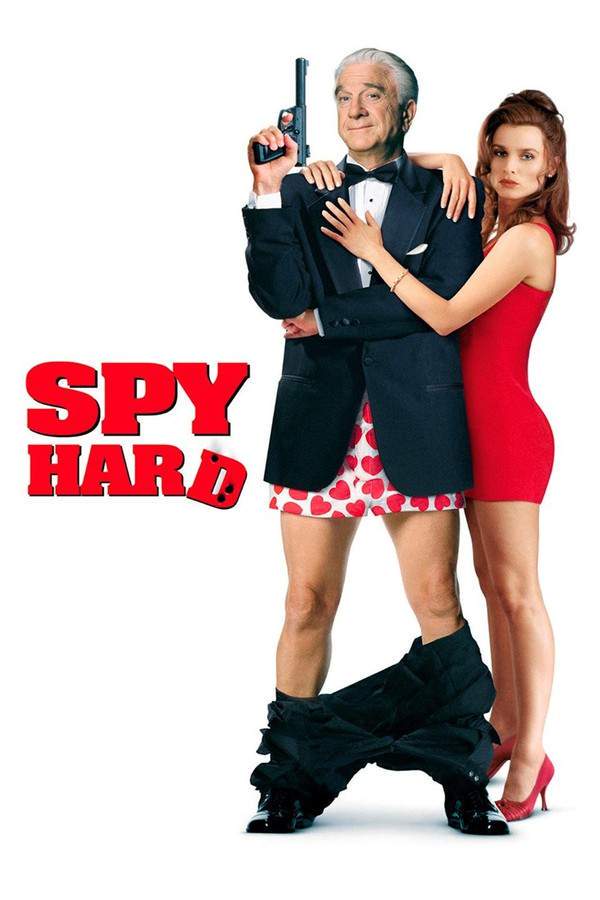
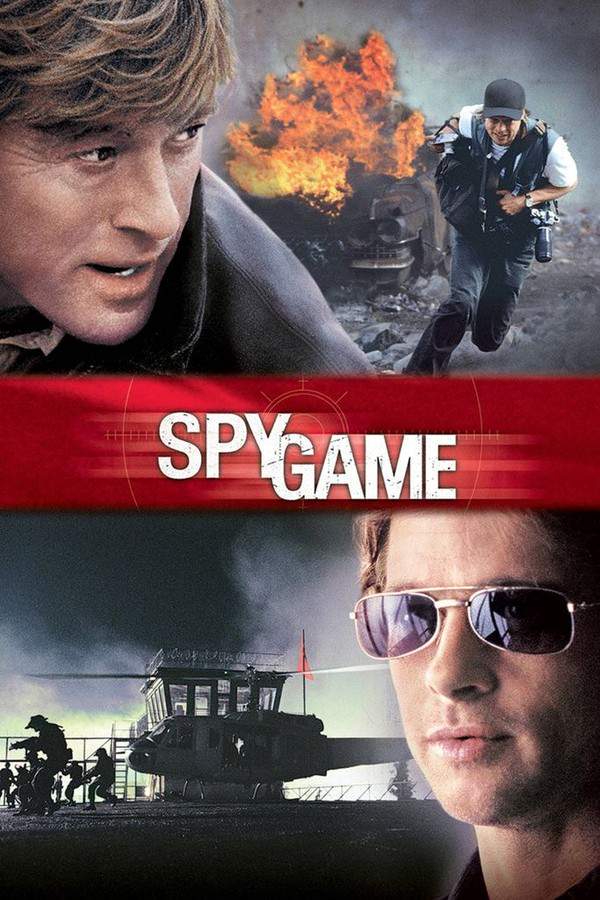
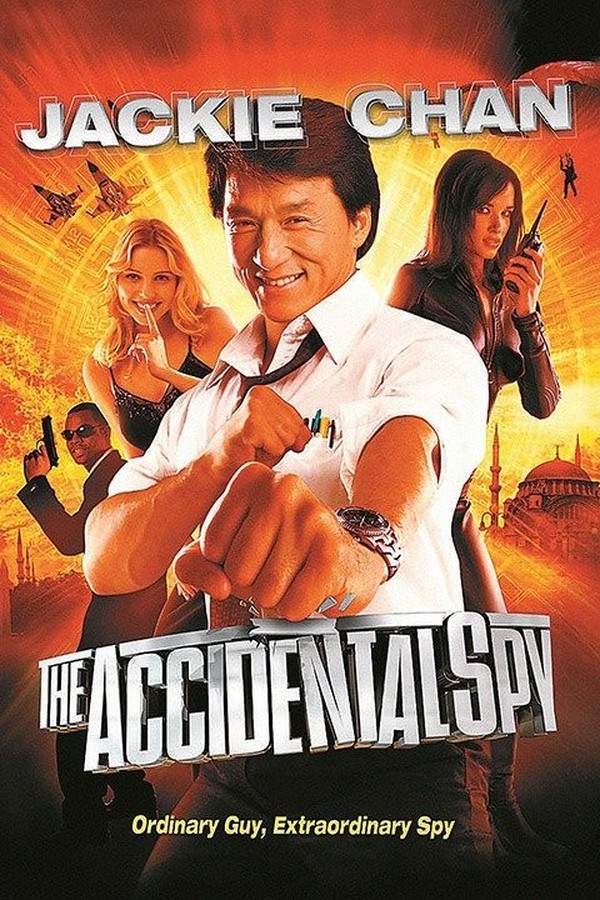
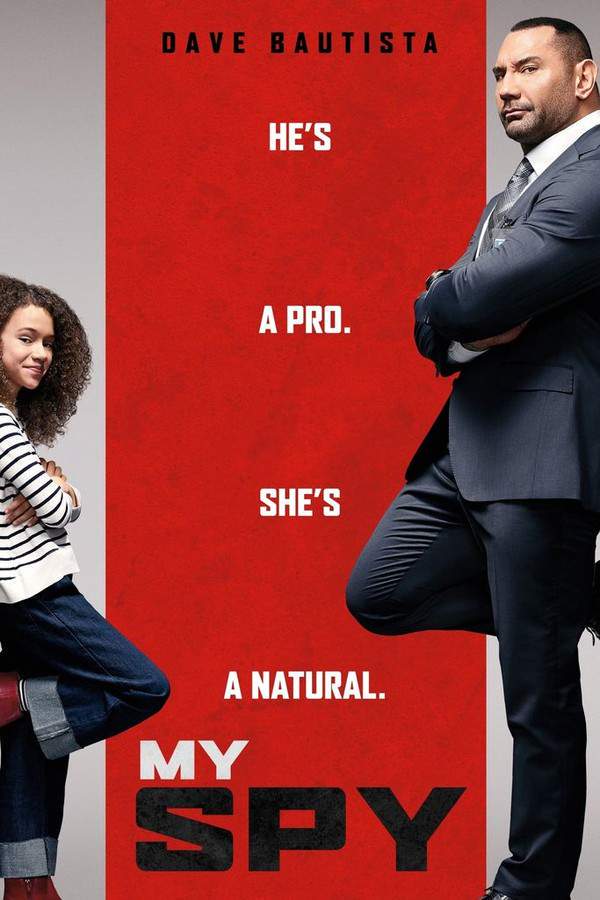
Bumbling Spy Comedies like Spies Like Us

Comedies where incompetent underdogs stumble into a serious spy mission. Looking for more movies like Spies Like Us? This collection features comedies where unlikely heroes bumble their way through serious spy missions. If you enjoyed the humorous clash of incompetence and international intrigue, you'll find similar stories of accidental espionage and satirical takes on the genre here.

  • bumbling
  • comedic
  • unlikely heroes
  • satirical
  • mischievous
  • adventurous
  • Tone: light, comedic, satirical
  • Pacing: fast, chaotic
Why these movies?

The story pattern: The narrative follows ordinary, often inept, individuals who are mistakenly identified as experts or are used as pawns in a larger conspiracy. Their journey involves slapstick failures, accidental successes, and a satirical look at the bureaucracy and chaos of the intelligence world, culminating in an unexpected victory achieved through sheer luck or unconventional thinking.

Why they belong together: Movies in this thread are grouped by their shared comedic premise of placing foolish characters in serious scenarios. They blend light humor with spy thriller elements, maintaining a fast pace and a happy ending where the underdogs triumph not through skill, but through chaos and charm.

Cold War Satire Movies like Spies Like Us

Humorous tales that mock the absurdities of Cold War politics and spy games. Fans of Spies Like Us will enjoy this selection of satirical Cold War comedies. These films share a similar vibe, using humor to explore the absurdity of espionage and superpower rivalry. Discover more movies that blend historical setting with lighthearted parody and clever takes on global politics.

  • satirical
  • cold war
  • paranoia
  • government incompetence
  • comedic
  • mischievous
  • Tone: light, satirical, whimsical
  • Pacing: fast, steady
Why these movies?

The story pattern: Stories in this thread unfold against the backdrop of US-Soviet rivalry, but the central conflict is often a farce. Plots involve decoys, misunderstandings, and bureaucratic incompetence that humorously deflate the era's grave tensions. The narrative journey is less about averting disaster and more about revealing the foolishness behind the serious facade.

Why they belong together: These movies are united by their specific historical setting and their satirical treatment of it. They share a light tone, a focus on parody over genuine thrills, and a comedic perspective on themes like nuclear threat, government deception, and espionage training.

If you liked this

Movies Like Spies Like Us

Similar movies to Spies Like Us: the same genre, themes or kind of story. Each one comes with its own plot summary, timeline and ending explained.

Browse all movie summaries

Categories

Movie Lists Featuring Spies Like Us

Spies Like Us appears in these hand-built movie categories. Each one groups movies by a specific mood, theme or story type, with their plot summaries and endings explained.

View all movie categories

Every angle

Spies Like Us (1985) Explained: Plot, Timeline & Characters

Everything about Spies Like Us in one place: what happens in the plot summary, the timeline in chronological order, the characters and meaning and a spoiler-free summary. What's After the Movie adds the cast, box office and post-credit scenes.

Coming soon on iOS and Android

The Plot Explained Movie Summary App

Plot summaries, endings explained and timelines on your phone. Catch up on any movie in minutes, save your favorites and never miss a twist again.

Be the first to know when we launch. Your email stays private, always.

Learn more about the app