




Plot Explained Spoilers guaranteed!
Plot Explained

Browse by genre

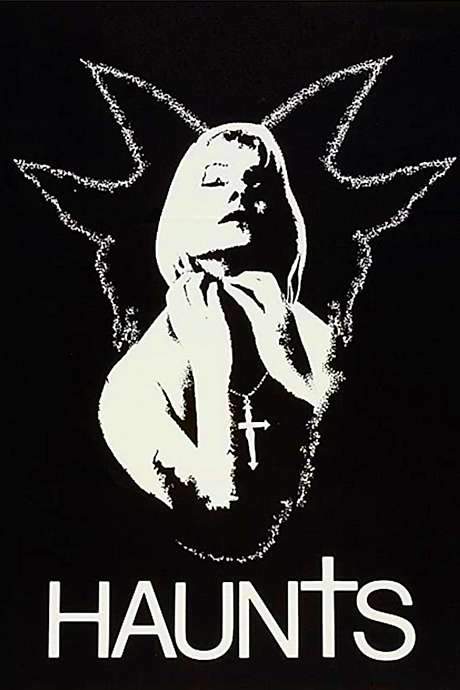
Haunts (1976) movie poster

Characters & Themes

Haunts (1976) Characters, Setting & Themes Explained

Release, runtime and language
1976 · 97 mins · English
Directed by
Herb Freed
Starring
Cameron Mitchell, Ben Hammer, E.J. André, Aldo Ray, Jim McKeny, May Britt

Past traumas begin to manifest as present terror when a woman is plagued by psychosexual nightmares and a deranged killer stalks the town with brutal scissor murders. A small‑town sheriff races to uncover the link between her haunting visions and the murders before the nightmare claims more victims.

On this page (8)
  1. 1 Where to watch
  2. 2 Characters explained (8)
  3. 3 Where & when it takes place
  4. 4 Themes & meaning (3)
  5. 5 Character & meaning questions
  6. 6 Movie threads
  7. 7 Movies like Haunts
  8. 8 Every angle

Where to watch

Where to Watch Haunts (1976)

Where can you watch Haunts? Stream, rent or buy it in the US, including on Fawesome, Mometu and YouTube Free: current JustWatch availability with up-to-date prices.

Streaming availability powered by JustWatch

8 main characters · contains spoilers

Haunts Characters Explained: Who Is Who

The main characters of Haunts (1976), heroes and villains: what drives them, how they change over the course of the story and what each of them reveals about the film's bigger ideas.

  • Ingrid Swenson (May Britt)

    A young Swedish woman living with her American uncle Carl on a rural California farm. Traumatized by past abuse and her mother’s suicide, she becomes wary and haunted by fear as violence erupts in the town. Her encounters with Bill and Frankie push her toward a tenuous grip on reality, where memory and perception blur. Her arc culminates in a tragic death, leaving lingering questions about what she truly endured.

    • 💔 Trauma
    • 🧠 Psychological
    • 🕊️ Survivor
  • Carl Henderson (Cameron Mitchell)

    Ingrid's uncle and a farmer who exudes quiet authority. He is protective and pragmatic, sometimes choosing to shield Ingrid from the police while attempting to manage the crisis in the town. He participates in burying Frankie, signaling a tension between family loyalty and confronting violence. His later actions hint at the uneasy, fractured nature of the community they inhabit.

    • 🏡 Family
    • 🛡️ Protective
    • 🗝️ Secrets
  • Bill Spry (Robert Hippard)

    A new member of the church choir who becomes a fixation of Ingrid. He is revealed as the masked killer responsible for multiple attacks and murders. His charm hides a dangerous aggression, driving the town's fear and the escalation of violence. The resolution of his arc underscores the theme of hidden danger within a trusted community figure.

    • 🔪 Killer
    • 🕵️‍♂️ Mystery
  • Frankie (Don Dolan)

    A local butcher who commits violent acts, including breaking into Ingrid’s home and assaulting her. He is later confronted and killed by Ingrid. His actions embody the male violence that the film scrutinizes within a tightly knit community. His presence serves as a catalyst for the town’s escalating fear and moral panic.

    • 🔪 Violent
    • 🧾 Abuser
  • Sheriff Peterson (Aldo Ray)

    The town sheriff who navigates the investigation, enforcing law and order amid fear and rumor. He deals with Loretta’s pregnancy and confronts the serial violence that grips the town. His leadership frames the enforcement of truth, even as the community grapples with ambiguous facts. He represents authority in a setting where reality is contested.

    • ⚖️ Authority
    • 🗺️ Investigation
  • Vicar (Ben Hammer)

    A religious figure who presides over confessions and moral discourse in the community. He becomes a conduit for revelations about Ingrid and the town's response to the violence. His presence underscores the moral pressure on residents and the implications of sin and redemption. He interacts with Ingrid’s plight and the unfolding tragedy.

    • 🙏 Faith
    • 🕊️ Guilt
  • Loretta Peterson (Kendall Jackson)

    Sheriff Peterson’s daughter who learns she is carrying Frankie’s child. Her situation adds a layer of personal stakes and moral complexity to the town’s crisis. She embodies the conflict between loyalty, family, and the consequences of violence. Her presence intensifies the community’s sense of fragility and stigma.

    • 💔 Family
    • ⚖️ Moral conflict
  • Nell (Susan Nohr)

    A local woman who is attacked and murdered, marking the early wave of the town’s violence. Her death contributes to the escalating fear and serves as a catalyst for investigations and rumors. Nell’s tragedy illustrates the peril faced by residents, especially women, within the community’s fragile safety net.

    • 🩸 Victim
    • 🕯️ Tragedy

Last updated: October 04, 2025 at 15:22

Was this helpful?

Setting

Where and When Does Haunts Take Place?

The setting of Haunts (1976): the year and time period, the places and locations, and how they shape the characters, the mood and the tension of the story.

Time period

Location

Northern California farm town

Set in a rural Northern California farm town surrounding Ingrid's life on her uncle Carl's farm and the close-knit community. The landscape includes the farm, church, tavern, and quiet streets that become scenes of fear and suspicion. The isolation of the countryside heightens tension as a string of murders disrupts the calm, drawing the town into paranoia.

  • 🏞️ Rural setting
  • 🐄 Farm life
  • 🏘️ Small-town

Last updated: October 04, 2025 at 15:22

Was this helpful?

3 major themes

Haunts Meaning: Themes & Message Explained

What is Haunts (1976) really about? The emotional, social and philosophical themes the film keeps returning to, its symbolism and the message beneath the surface.

  • Trauma

    Ingrid's traumatic past, including sexual abuse and her mother's suicide, shapes how she experiences subsequent violence. The film probes how trauma resurfaces in fear, vulnerability, and memory. Its events suggest that memory and stigma can distort truth and amplify danger. The narrative shows how trauma lingers, influencing perception and choices.

  • Reality vs Perception

    The story repeatedly questions what actually happened as Ingrid's fears collide with official findings. The violence she endures is interwoven with moments that feel like hallucination or memory rather than fact. The killer is identified, yet the film keeps questions about Ingrid's perception alive. The ending underscores the fragility of what is consumed as reality.

  • Small-town Secrets

    The town's sanctimonious veneer—church, sheriff, and community norms—hides violence, jealousy, and potential cover-ups. Rumor and moral policing shape how truth is told and who is believed. The murders expose how proximity and propriety can mask darker impulses. Secrets in the community drive the tension and tragedy of the story.

Last updated: October 04, 2025 at 15:22

Was this helpful?

Character & theme questions

Haunts Characters & Meaning: Your Questions Answered

The questions people ask about Haunts (1976): who the characters really are, their relationships, what the symbols mean, where it takes place and what the movie is really about. Each answer contains spoilers.

Q1

Where is the movie set?

The film takes place in a rural Northern California farm town, centered around Ingrid's life on her uncle Carl's farm. The close-knit community includes locations like the farm, church, tavern, and quiet streets that become scenes of fear and suspicion. The isolation of the countryside heightens tension as violence erupts.

  • rural california
  • farm town
  • setting
  • location
Q2

What role does trauma play in the film?

The film explores how Ingrid's traumatic past, including sexual abuse and her mother's suicide, shapes her experience of subsequent violence. The narrative probes how trauma resurfaces in fear, vulnerability, and memory, showing how memory and stigma can distort truth and amplify danger. Ingrid's traumatic history directly influences her perception of the violence unfolding around her.

  • trauma
  • abuse
  • memory
  • psychological themes
Q3

How does the film handle reality vs perception?

The story repeatedly questions what actually happened as Ingrid's fears collide with official findings. The violence she endures is interwoven with moments that feel like hallucination or memory rather than fact. Although the killer is identified, the film keeps questions about Ingrid's perception alive, underscoring the fragility of what is consumed as reality.

  • reality
  • perception
  • hallucinations
  • truth
Q4

What small-town secrets does the film reveal?

The town's sanctimonious veneer, church, sheriff, and community norms, hides violence, jealousy, and potential cover-ups. Rumor and moral policing shape how truth is told and who is believed. The murders expose how proximity and propriety can mask darker impulses, with secrets in the community driving the tension and tragedy.

  • small-town
  • secrets
  • community
  • cover-up
Q5

Who is Ingrid Swenson?

Ingrid Swenson is a young Swedish woman living with her American uncle Carl on a rural California farm. Traumatized by past abuse and her mother's suicide, she becomes wary and haunted by fear as violence erupts in the town. Her encounters with Bill and Frankie push her toward a tenuous grip on reality where memory and perception blur.

  • ingrid swenson
  • may britt
  • protagonist
  • trauma
Q6

Who is Bill Spry?

Bill Spry is a new member of the church choir who becomes a fixation of Ingrid. He is eventually revealed as the masked killer responsible for multiple attacks and murders. His charm hides dangerous aggression, representing the theme of hidden danger within a trusted community figure.

  • bill spry
  • killer
  • church choir
  • villain
Q7

Who is Carl Henderson?

Carl Henderson is Ingrid's uncle and a farmer who exudes quiet authority. He is protective and pragmatic, sometimes choosing to shield Ingrid from the police while managing the crisis in the town. His participation in burying Frankie signals tension between family loyalty and confronting violence, hinting at the fractured nature of the community.

  • carl henderson
  • uncle
  • farmer
  • protector
Q8

What is Sheriff Peterson's role in the story?

Sheriff Peterson is the town sheriff who navigates the investigation, enforcing law and order amid fear and rumor. He deals with his daughter Loretta's pregnancy and confronts the serial violence gripping the town. He represents authority in a setting where reality is contested, though the community grapples with ambiguous facts.

  • sheriff peterson
  • aldo ray
  • law enforcement
  • authority
Q9

What is the significance of the church in the film?

The church represents the town's sanctimonious veneer that hides darker impulses beneath its moral surface. Bill Spry's position as a church choir member underscores the theme of hidden danger within trusted community figures. The vicar presides over confessions and moral discourse, adding pressure on residents regarding sin and redemption.

  • church
  • vicar
  • religion
  • community morality
Q10

Who is Frankie and what threat does he pose?

Frankie is a local butcher who commits violent acts, including breaking into Ingrid's home and assaulting her. He represents the male violence the film scrutinizes within a tightly knit community. His actions serve as a catalyst for the town's escalating fear and moral panic, culminating in his confrontation and death by Ingrid.

  • frankie
  • butcher
  • assault
  • threat

Movie threads

More Movies Like Haunts, by Mood & Story

Curated lists built around what makes Haunts tick: the same mood, the same kind of story or the same emotional payoff. Each list explains why these movies belong together.

Dark Psychological Mysteries with Unreliable Narrators like Haunts

A troubled protagonist's fragile mind blurs the line between past trauma and a present murder investigation. If you liked the tense, ambiguous investigation in Haunts, you'll find similar movies here. This thread gathers thrillers and noirs where a protagonist's psychological trauma fuels a murder mystery, creating a deeply unsettling and claustrophobic experience where the truth is as fragile as the main character's mind.

  • unreliable narrator
  • psychological thriller
  • small town secrets
  • investigation
  • mental unraveling
  • oppressive
  • Tone: dark, unsettling, ambiguous
  • Pacing: steady, methodical dread
Why these movies?

The story pattern: The narrative follows a character, often haunted by a dark past, who becomes involved in or conducts an investigation. Their personal demons and unstable mental state interweave with the central mystery, creating a story where the external threat is mirrored and amplified by internal psychological horror, leading to an ambiguous or bleak resolution.

Why they belong together: They are grouped by their shared focus on a psychologically fragile protagonist navigating a dangerous situation. The mood is consistently anxious and oppressive, the tone is dark, and the pacing is steady, building a sense of dread rooted in both external danger and internal collapse.

Bleak Horror Movies About Trauma and Violence like Haunts

Stories where past abuse manifests as inescapable present terror, leading to a tragic end. For viewers who appreciated the heavy emotional weight and bleak ending of Haunts. These similar movies explore dark themes of childhood trauma, abuse, and grief through a lens of intense horror and violence, offering a harrowing and cathartic viewing experience for those seeking stories with high emotional impact.

  • bleak
  • grim
  • traumatic
  • violent
  • psychological horror
  • melancholic
  • Tone: dark, bleak, tragic
  • Pacing: steady, oppressive
Why these movies?

The story pattern: The narrative pattern involves a character being relentlessly pursued by horrors that are a direct manifestation of their own traumatic history. The line between psychological torment and real-world threat is deliberately blurred, leading to a climax where the character is ultimately consumed by their pain, resulting in a tragic and hopeless ending.

Why they belong together: These films are united by their uncompromisingly dark tone, high intensity, and heavy emotional weight centered on themes of abuse and loss. They share a bleak outlook and a steady, oppressive pacing that creates a sense of inescapable doom, making the viewing experience consistently grim and emotionally draining.

If you liked this

Movies Like Haunts

Similar movies to Haunts: the same genre, themes or kind of story. Each one comes with its own plot summary, timeline and ending explained.

Browse all movie summaries

Every angle

Haunts (1976) Explained: Plot, Timeline & Characters

Everything about Haunts in one place: what happens in the plot summary, the timeline in chronological order, the characters and meaning and a spoiler-free summary. What's After the Movie adds the cast, box office and post-credit scenes.

Coming soon on iOS and Android

The Plot Explained Movie Summary App

Plot summaries, endings explained and timelines on your phone. Catch up on any movie in minutes, save your favorites and never miss a twist again.

Be the first to know when we launch. Your email stays private, always.

Learn more about the app