Plot Explained Spoilers guaranteed!
Plot Explained

Browse by genre

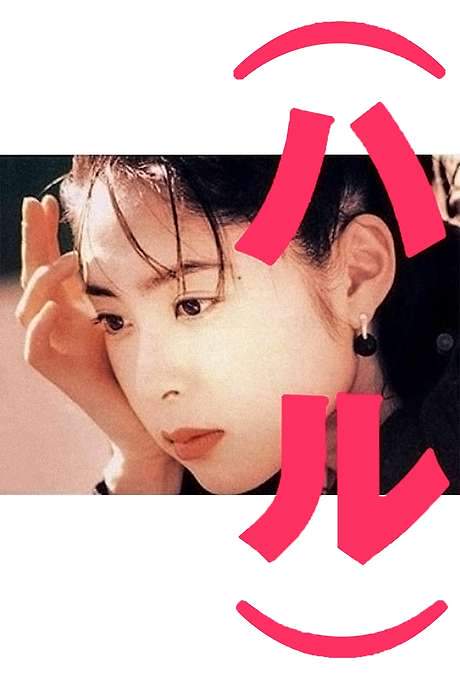
Haru (1996) movie poster

Characters & Themes

Haru (1996) Characters, Setting & Themes Explained

Release, runtime and language
1996 · 118 mins · Japanese
Loading streaming availability…
Directed by
Yoshimitsu Morita
Starring
Sei Hiraizumi, Eri Fukatsu, Naho Toda, Seiyo Uchino, Yuka Motohashi, Kazufumi Miyazawa

A young Tokyo businessman joins an online movie forum and develops a special bond with one of its members through back and forth e-mails.

On this page (8)
  1. 1 Where to watch
  2. 2 Characters explained (5)
  3. 3 Where & when it takes place
  4. 4 Themes & meaning (3)
  5. 5 Character & meaning questions
  6. 6 Movie threads
  7. 7 Movies like Haru
  8. 8 Every angle
Loading streaming availability…

5 main characters · contains spoilers

Haru Characters Explained: Who Is Who

The main characters of Haru (1996), heroes and villains: what drives them, how they change over the course of the story and what each of them reveals about the film's bigger ideas.

  • Mitsue Fujima 'Hoshi'

    played by Eri Fukatsu

    Mitsue, known as Hoshi, crafts an online persona after personal losses and job changes. She tests trust through a guarded identity while remaining hopeful for genuine connection. Her resilience drives the relationship forward as she navigates vulnerability and truth.

    • 💬 Online presence
    • 🪪 Secret identity
    • 💞 Emotional resilience
  • Noboru Hayami 'Haru'

    played by Seiyo Uchino

    A former American football player turned Tokyo office worker, Haru longs for more than surface contact. He approaches his online friendship with openness and vulnerability, gradually allowing trust to bloom.

    • 💬 Online connection
    • 🏢 Tokyo life
    • ❤️ Romance
  • Rose

    played by Naho Toda

    Hoshi's sister who appears as a forum contact, reflecting the complexity of online relationships and the overlap between family ties and virtual bonds.

    • 🌸 Family
    • 💬 Online
    • 👭 Siblings
  • Hiroyuki Yamagami

    played by Kazufumi Miyazawa

    The company president who is attracted to Hoshi and proposes marriage, illustrating tensions between professional ambition and personal longing.

    • 💼 Career
    • 💘 Romance
    • 🧭 Influence
  • Shogo Tobe

    played by Kotaro Takeshita

    A close friend of Hoshi's late lover who persistently follows her, adding tension and a sense of danger to the pursuit of connection.

    • 👁️‍🗨️
    • 🕵️ Stalking
    • 🧭 Pursuit

Last updated: October 04, 2025 at 15:32

Was this helpful?

Setting

Where and When Does Haru Take Place?

The setting of Haru (1996): the year and time period, the places and locations, and how they shape the characters, the mood and the tension of the story.

Time period

The narrative unfolds in contemporary Japan, with online forums, video contact, and rail travel shaping how the characters form and test their connection. Modern work life and everyday commuting anchor the emotional journey in a present-day setting.

Location

Tokyo, Morioka

Tokyo serves as the bustling urban hub where Haru works and where their online lives begin. Morioka, a northern city in Iwate Prefecture, is where Hoshi resides and where a pivotal meeting along the Shinkansen line unfolds. The film traces the journey along the Tokyo–Morioka corridor, using place to bridge digital connection and a real-world encounter.

  • 🌆 Urban
  • 🚄 Rail travel
  • 🗺️ Regional contrast

Last updated: October 04, 2025 at 15:32

Was this helpful?

3 major themes

Haru Meaning: Themes & Message Explained

What is Haru (1996) really about? The emotional, social and philosophical themes the film keeps returning to, its symbolism and the message beneath the surface.

  • Identity

    Two strangers build trust through anonymous online exchanges, raising questions about how much a person’s true self matters when faces remain hidden. Hoshi adopts a male persona to protect vulnerability, testing the depth of their bond. The eventual acceptance of each other’s real identities deepens the emotional resonance of their connection.

  • Healing

    Both Haru and Hoshi carry emotional wounds from past losses, and their online bond provides a space for healing. The relationship offers solace and a sense of being understood, helping them confront pain. Through their correspondence, they discover renewed hope and personal growth.

  • Distance & Meeting

    Distance tests the bond as digital conversation meets physical proximity. The climactic moment on the platform—where Haru and Hoshi glimpse each other—captures the transition from online intimacy to real-world connection. The Shinkansen journey becomes a symbol of bridging worlds and connecting lives.

Last updated: October 04, 2025 at 15:32

Was this helpful?

Character & theme questions

Haru Characters & Meaning: Your Questions Answered

The questions people ask about Haru (1996): who the characters really are, their relationships, what the symbols mean, where it takes place and what the movie is really about. Each answer contains spoilers.

Q1

Where does the story take place?

Haru is set primarily in Tokyo and Morioka, two Japanese cities connected by the Shinkansen rail line. Tokyo serves as the bustling urban workplace where Haru lives, while Morioka in Iwate Prefecture is Hoshi's home. The film uses this geographic contrast to explore how distance shapes emotional connection in modern Japan.

Foreshadowing: The opening scenes establish Tokyo's urban density before introducing Morioka's quieter regional setting.

  • tokyo
  • morioka
  • setting
  • location
  • japan
Q2

What time period is the movie set in?

The story unfolds in contemporary Japan during the mid-1990s, when online forums and email communication were emerging technologies. This era shapes how the characters connect, relying on digital correspondence and rail travel rather than instant social media. The 1996 setting captures a transitional moment in how people formed relationships across distance.

  • 1996
  • time period
  • contemporary japan
  • online forums
Q3

Who is Haru in the movie?

Haru is Noboru Hayami, a former American football player who now works as an office employee in Tokyo. He joins an online movie forum seeking genuine connection beyond surface-level interactions. His openness and vulnerability allow him to build trust with Hoshi through their email exchanges, despite his past disappointment with his sports career.

  • haru
  • noboru hayami
  • main character
  • tokyo businessman
Q4

Who is Hoshi in the movie?

Hoshi is Mitsue Fujima, a woman living in Morioka who creates an online persona after experiencing personal losses and job changes. She presents herself under a male identity to protect her vulnerability while testing whether genuine connection is possible anonymously. Her resilience and guarded hope drive the emotional core of the relationship throughout the film.

  • hoshi
  • mitsue fujima
  • main character
  • online persona
Q5

Why does Hoshi adopt a male online identity?

Hoshi creates a male persona to shield herself from vulnerability after past emotional wounds. This deception tests whether their bond can transcend physical identity and surface appearances. The eventual revelation and acceptance of her true self deepens the emotional resonance of their connection in Haru.

Foreshadowing: Early email exchanges hint at Hoshi's guarded communication style before the identity reveal.

  • identity
  • deception
  • male persona
  • vulnerability
  • trust
Q6

What are the main themes explored in the film?

Haru explores identity, healing, and the transition from digital to physical connection. The film examines how anonymous online exchanges build trust while questioning what truly matters in human connection. Both characters carry emotional wounds from past losses, using their correspondence as a space for healing and renewed hope.

  • themes
  • identity
  • healing
  • digital connection
  • emotional wounds
Q7

What is the significance of Tokyo versus Morioka?

Tokyo represents urban modernity and work life, while Morioka embodies regional quietude and personal refuge. This contrast mirrors the characters' internal states, Haru's bustling corporate existence versus Hoshi's contemplative distance. The Tokyo–Morioka corridor becomes a physical bridge between their digital connection and real-world encounter.

  • tokyo
  • morioka
  • urban
  • regional
  • contrast
  • setting
Q8

What role does the Shinkansen play in the story?

The Shinkansen rail line symbolizes the bridge between digital intimacy and physical proximity in Haru. The climactic platform moment where Haru and Hoshi glimpse each other captures this transition from online correspondence to real-world connection. The train journey represents both literal travel and emotional movement toward openness.

Foreshadowing: References to rail travel appear throughout as the characters discuss their locations.

  • shinkansen
  • rail travel
  • meeting
  • distance
  • connection
Q9

What is the overall tone of the film?

Haru maintains a bittersweet tone throughout, blending melancholy from past scars with cautious optimism about new connection. The pacing is slow and reflective, focusing on internal emotional states rather than dramatic plot events. This creates an emotionally resonant atmosphere defined by thoughtful reflection rather than intense strain.

  • tone
  • bittersweet
  • pacing
  • emotional
  • reflective
Q10

Who is Rose in the story?

Rose is Hoshi's sister who appears as a forum contact in the online movie community. Her presence reflects the complexity of online relationships and the overlap between family ties and virtual bonds. This character adds layers to the film's exploration of how digital connections intersect with real-world relationships.

  • rose
  • sister
  • forum contact
  • online relationships
Q11

How do past losses shape the main characters?

Both Haru and Hoshi carry emotional wounds from previous experiences, Haru from his failed sports career and Hoshi from losing a lover. These past losses make them cautious about new connections while creating a shared understanding of grief. Their online bond provides a safe space for healing and confronting pain together.

  • past losses
  • grief
  • emotional wounds
  • healing
  • trauma
Q12

What makes their relationship unique?

Their relationship develops through anonymous email exchanges on a movie forum, building trust without physical presence. This digital foundation tests whether genuine connection can exist when faces remain hidden. The eventual meeting on the Shinkansen platform validates their bond as it transitions from virtual to physical reality.

  • relationship
  • online
  • email
  • trust
  • anonymous
  • unique
Q13

How complex is the narrative structure?

The film has moderate complexity due to layered identities and interweaving past traumas with present relationships. Hoshi's male persona and the misunderstanding involving Rose create narrative depth. These layers require viewers to track both digital deception and emotional authenticity throughout the story.

  • complexity
  • narrative
  • identity layers
  • deception
  • structure
Q14

What genres does the film belong to?

Haru is classified as both Romance and Drama, focusing on emotional development rather than plot-driven events. The romantic element centers on the gradual bond formed through correspondence, while the dramatic weight comes from characters confronting past grief. This combination creates a gentle but emotionally resonant viewing experience.

  • genres
  • romance
  • drama
  • classification
  • film type
Q15

How does modern communication shape the story?

Online forums, email, and video contact define how the characters form and test their connection in 1990s Japan. These technologies enable intimacy across distance while creating opportunities for identity experimentation. The film captures a transitional moment when digital communication began reshaping how people build relationships.

  • communication
  • online forums
  • email
  • technology
  • 1990s

Movie threads

More Movies Like Haru, by Mood & Story

Curated lists built around what makes Haru tick: the same mood, the same kind of story or the same emotional payoff. Each list explains why these movies belong together.

Movies about online bonding like Haru

Stories about lonely souls finding emotional refuge through anonymous online communication. If you liked the quiet, email-based relationship in Haru, you'll find similar movies here. These stories focus on characters forming deep emotional connections through digital means, exploring themes of anonymity, identity, and the longing for companionship in a modern, lonely world.

  • melancholic
  • intimate
  • lonely
  • reflective
  • hopeful
  • atmospheric
  • Tone: melancholic, bittersweet, intimate
  • Pacing: slow, contemplative
Why these movies?

The story pattern: Narratives in this thread typically follow characters who are emotionally isolated in their physical lives, finding solace and a sense of being understood through text-based, often anonymous, online interactions. The journey revolves around the gradual building of trust, the risks of deception, and the ultimate question of whether a digital connection can translate into a real-world relationship.

Why they belong together: Movies are grouped here because they share a core focus on the specific dynamic of forming relationships through computers or the internet. They possess a similar mood of reflective solitude mixed with cautious optimism and explore the unique vulnerabilities and honesty that can emerge when people communicate through a veil of anonymity.

Slow burn bittersweet romance movies like Haru

Character-driven love stories that unfold gently, marked by past scars and hopeful futures. Viewers who appreciated the gentle, bittersweet romance in Haru will enjoy these films. They feature relationships that develop gradually, with a focus on emotional realism, thoughtful pacing, and endings that balance hope with the weight of the characters' past experiences.

  • bittersweet
  • melancholic
  • intimate
  • restrained
  • hopeful
  • reflective
  • Tone: bittersweet, melancholic, hopeful
  • Pacing: slow, character-driven
Why these movies?

The story pattern: The narrative pattern involves two wounded or reserved individuals slowly lowering their guards. The conflict is often internal, dealing with grief, past trauma, or fear of vulnerability, rather than external obstacles. The relationship builds through small, meaningful moments of understanding, leading to an emotionally resonant climax that is realistically bittersweet.

Why they belong together: These films are grouped together because they share a specific emotional recipe: a slow pacing that allows feelings to feel earned, a tone that blends melancholy with hope, and a focus on the quiet, intimate moments that define a relationship. The emotional weight is significant but handled with restraint.

If you liked this

Movies Like Haru

Similar movies to Haru: the same genre, themes or kind of story. Each one comes with its own plot summary, timeline and ending explained.

Browse all movie summaries

Every angle

Haru (1996) Explained: Plot, Timeline & Characters

Everything about Haru in one place: what happens in the plot summary, the timeline in chronological order, the characters and meaning and a spoiler-free summary. What's After the Movie adds the cast, box office and post-credit scenes.

Coming soon on iOS and Android

The Plot Explained Movie Summary App

Plot summaries, endings explained and timelines on your phone. Catch up on any movie in minutes, save your favorites and never miss a twist again.

Be the first to know when we launch. Your email stays private, always.

Learn more about the app