Plot Explained Spoilers guaranteed!
Plot Explained

Browse by genre

Guilty Hands (1931) movie poster

Timeline

Guilty Hands (1931) Timeline Explained – Every Event in Order

Release, runtime and language
1931 · 69 mins · English
Loading streaming availability…
Directed by
W.S. Van Dyke
Starring
C. Aubrey Smith, Alan Mowbray, Lionel Barrymore, Forrester Harvey, Kay Francis, William Bakewell

A relentless mystery unfolds as a district attorney orchestrates the perfect murder, killing his daughter’s womanizing fiancé. He then manipulates evidence to frame the fiancé’s lover, setting off a chilling cat‑and‑mouse game that culminates in an unexpected, unforgettable finale, as the investigation closes in and his meticulously crafted scheme starts to unravel.

On this page (6)
  1. 1 Where to watch
  2. 2 Events in order (14)
  3. 3 Timeline questions answered
  4. 4 Movie threads
  5. 5 Movies like Guilty Hands
  6. 6 Every angle
Loading streaming availability…

14 events in order · contains spoilers

Guilty Hands Timeline: Events in Chronological Order

Every key event of Guilty Hands (1931) in order, scene by scene, with when and where it takes place. Use it to untangle flashbacks, time jumps and parallel storylines, to refresh your memory before the sequel or to find the exact scene you are thinking of.

  1. Grant's theory of justified murder

    On a train trip, Richard Grant argues that murder can be justified in certain circumstances. He cites his long experience prosecuting and defending murder cases to justify such acts. He suggests a clever man could commit murder and evade detection.

    Where
    Train
  2. Barbara's arrival and revelation

    Barbara greets Grant at the train station and reveals she has already been at the estate for a week. Her sudden presence signals a new, dangerous dynamic in the household. Grant tries to process the news while hiding his concern.

    Where
    Train station
  3. New will requested

    Rich asks Grant to rewrite his will, including bequests to all his former mistresses. He wants to exclude a 16-year-old girl whom Grant suspects committed suicide. The request sets up a financial motive and motive for later manipulation.

    Where
    Estate study
  4. Marriage plan revealed

    Rich explains that he intends to marry Barbara, which appalls Grant. He condemns the age gap and what he sees as Rich's indecent character. The revelation thickens the tension around the upcoming wedding.

    Where
    Main house
  5. Dinner party and wedding vow

    During a dinner party, Rich announces the wedding and says it will take place in the morning. Marjorie West is dismayed, yet Rich insists he will return to her after pursuing Barbara. The announcement sets the clock ticking toward tragedy.

    When
    Evening
    Where
    Dining room, Rich's estate
  6. Grant's staged alibi

    Two servants are posted to watch Grant's bungalow, but he creates a convincing alibi by casting a moving shadow on the curtain with a cutout mounted on a record player. He slips back into the main house unseen, maintaining the ruse. The ruse gives him confidence that his actions won't be questioned.

    When
    Night
    Where
    Grant's bungalow / estate
  7. Rich's assault on Barbara

    Rich goes to Barbara's room and attempts to force himself on her. She recoils in disgust and he leaves, revealing his predatory nature. The attack solidifies Barbara's resistance to him and the danger in their world.

    Where
    Barbara's room
  8. The letter to the police

    Rich writes a letter to the police accusing Grant in case he is found dead. He intends to ensure Grant's guilt is a possibility even if Rich is killed. This letter becomes the key piece of the later alibi and evidence battles.

    Where
    Rich's study
  9. Murder and staged suicide

    During a clap of thunder, Grant shoots Rich and places the gun in Rich's hand to stage suicide. He takes the incriminating letter and returns to his room just in time to be seen by the servants. The staged death seems airtight to the household and the onlookers.

    Where
    Rich's study / main house
  10. Barbara refrains from marriage

    Barbara informs Grant that she has changed her mind about the wedding, making the murder unnecessary in her eyes. Grant must adapt to the new reality where his crime is exposed yet unresolved. The mood shifts from celebration to confrontation.

    Where
    Estate
  11. Marjorie grows suspicious

    Marjorie West becomes convinced that Rich was murdered. She begins to piece together Grant's false alibi and the motive for murder. The case becomes a personal contest of wits between them.

    Where
    Main house
  12. Confrontation over the evidence

    Grant returns and wrestles the incriminating clues from Marjorie. He warns her that accusing him could give him a stronger murder case against her. He offers silence in exchange for staying out of the affair.

    Where
    Parlor / study
  13. Police verdict and a tense hold

    The police arrive, and the chief—an old friend of Grant—accepts the conclusion that Rich's death was suicide. The household breathes a temporary sigh of relief as the danger seems resolved. The easy verdict, however, hides a deeper truth waiting to surface.

    Where
    Estate
  14. Marjorie's attempt to reveal the truth and the twist

    Just as Marjorie is about to speak out, a rigor mortis contraction in Rich's trigger finger fires the gun, fatally wounding Grant. The act destroys the supposed suicide and leaves the truth untold. Tommy is asked to take good care of Barbara, and Marjorie remains silent.

    Where
    Estate

Last updated: October 09, 2025 at 11:06

Was this helpful?

Timeline questions answered

Guilty Hands Timeline Explained: Your Questions Answered

When does it happen, and why in that order? The questions people ask about the chronology of Guilty Hands (1931): time jumps, flashbacks, cause and effect between scenes and the correct order of events, each answered with spoilers.

Q1

Why does Richard Grant kill Gordon Rich?

Richard Grant kills Gordon Rich to prevent him from marrying his daughter Barbara. Grant views Rich as a predatory, indecent man who has forced himself on Barbara. Although Barbara later changes her mind about the wedding, Grant commits the murder before learning of her decision, believing he is protecting her from Rich's advances and the scandal of their age difference.

Foreshadowing: On the train journey, Grant had argued that murder can be justified in certain circumstances and that a clever man could commit the perfect crime.

  • richard grant murder
  • gordon rich
  • justified murder
  • daughter protection
  • moral compromise
Q2

How does Grant stage Rich's suicide?

Grant uses a cutout mounted on a record player to cast a moving shadow on his bungalow curtains, making it appear he is pacing inside. He then slips out unseen, enters Rich's study, shoots him during a clap of thunder to mask the sound, places the gun in Rich's hand, and returns to his bungalow just as the servants are watching. The staged scene suggests Rich committed suicide.

Foreshadowing: Grant's theatrical alibi setup mirrors the opening scene where he discusses the art of getting away with murder.

  • staged suicide
  • murder alibi
  • thunder掩盖枪声
  • record player trick
  • perfect crime
Q3

What was the letter Gordon Rich wrote before his death?

Rich wrote a letter to the police accusing Richard Grant in case he was found dead. He intended this as insurance against Grant, knowing their relationship involved financial leverage through the will rewrite. Grant steals this letter from Rich's study during the murder, removing the evidence that could have implicated him.

Foreshadowing: Rich's decision to write this accusatory letter reveals he suspected Grant might harm him.

  • incriminating letter
  • police accusation
  • evidence
  • richard grant guilt
Q4

Why does Barbara change her mind about marrying Gordon Rich?

Barbara refuses to marry Gordon Rich after he attempts to force himself on her in her bedroom. The assault repulses her and reveals his predatory nature, causing her to abandon the engagement. However, she tells her father about this only after the murder has already occurred, making the crime unnecessary in hindsight.

Foreshadowing: Rich's dinner party announcement that he will 'return to' Marjorie after pursuing Barbara hints at his transactional view of relationships.

  • barbara grant
  • gordon rich assault
  • refuses marriage
  • changed mind
  • wedding canceled
Q5

How does Marjorie West discover the truth about Rich's death?

Marjorie West figures out that Rich was murdered rather than a suicide by studying his desk and finding the imprint of the incriminating letter on the blotter. This proves Grant removed the letter after killing Rich. She also realizes the murder was more plausible than suicide given Grant's motives and the timing of Barbara's rejection of Rich.

Foreshadowing: Marjorie had watched Grant's bungalow and noticed the servants posted there, becoming suspicious of his movements.

  • marjorie west discovers truth
  • desk blotter evidence
  • incriminating letter imprint
  • murder investigation
Q6

What causes the gun to fire at the end of the movie?

When Richard Grant confronts Marjorie and prepares to leave with the evidence, a rigor mortis contraction in Gordon Rich's dead body causes his trigger finger to move, firing the gun. The bullet strikes Grant, who dies from the wound. This ironic twist prevents Grant from confessing and preserves the false suicide narrative.

Foreshadowing: The staged suicide becomes literal irony, the gun Grant placed in Rich's hand ultimately kills him.

  • rigor mortis
  • accidental gunshot
  • ironic death
  • twist ending
  • trapped by own plan
Q7

Why does Marjorie West remain silent about the murder?

Marjorie stays silent for two reasons: first, Grant threatens to frame her for the murder since she stood to inherit as Rich's beneficiary and was heard screaming during the killing. Second, she realizes that speaking out would only hurt Barbara, whom she has no real grudge against. She chooses the inheritance and silence over pursuing justice.

Foreshadowing: Marjorie's earlier determination to expose Grant shifts when she sees the personal cost to Barbara.

  • marjorie west silence
  • threatened by grant
  • inheritance
  • moral compromise
  • stays silent
Q8

What does Richard Grant threaten Marjorie with?

Grant threatens to frame Marjorie for Rich's murder if she accuses him. He reminds her that she was heard screaming when Rich was killed, she stands to gain as Rich's beneficiary, and he can easily construct a murder case against her. This threat convinces her that staying silent is the safer option.

Foreshadowing: Grant's legal experience as a district attorney makes this threat credible and dangerous.

  • grant threatens marjorie
  • frame for murder
  • blackmail
  • legal manipulation
  • beneficiary threat
Q9

Why does Barbara's decision make the murder pointless?

Barbara had already told her father she would not marry Rich before the murder occurred, making Grant's crime entirely unnecessary. He had killed to protect her from a man he believed dangerous, not knowing she had already rejected Rich. This adds tragic irony to the story, Grant's act was premeditated based on outdated information.

Foreshadowing: Grant's urgency to act before the morning wedding suggests he didn't wait to confirm Barbara's true feelings.

  • unnecessary murder
  • tragic irony
  • barbara changed mind
  • pointless crime
  • father protection

Movie threads

More Movies Like Guilty Hands, by Mood & Story

Curated lists built around what makes Guilty Hands tick: the same mood, the same kind of story or the same emotional payoff. Each list explains why these movies belong together.

Movies about meticulous schemes that unravel like in Guilty Hands

Stories about brilliant, flawed plans that collapse under their own moral weight. If you appreciated the tense cat-and-mouse game and the downfall of a perfect plan in Guilty Hands, you'll find similar thrills here. This collection features suspenseful crime stories and psychological thrillers where characters' meticulously crafted schemes inevitably collapse, leading to dramatic and often tragic conclusions.

  • methodical
  • suspenseful
  • grim
  • anxious
  • fatalistic
  • tense
  • Tone: tense, grim, fatalistic
  • Pacing: steady, methodical
Why these movies?

The story pattern: Narratives in this thread typically follow a protagonist who executes a complex plan, often a murder or heist, with confidence. The story then pivots to focus on the plan's unanticipated failures, the mounting pressure from investigators or fate, and the psychological toll on the perpetrator, culminating in their exposure or demise.

Why they belong together: These films are grouped by their shared focus on the rise and fall of a grand design. They create a specific kind of intellectual and moral tension, engaging the audience with a clever premise while delivering satisfaction or tragedy through the scheme's inevitable failure.
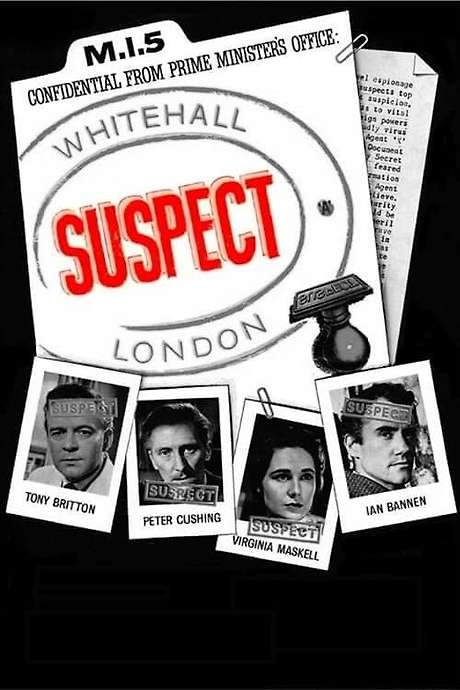
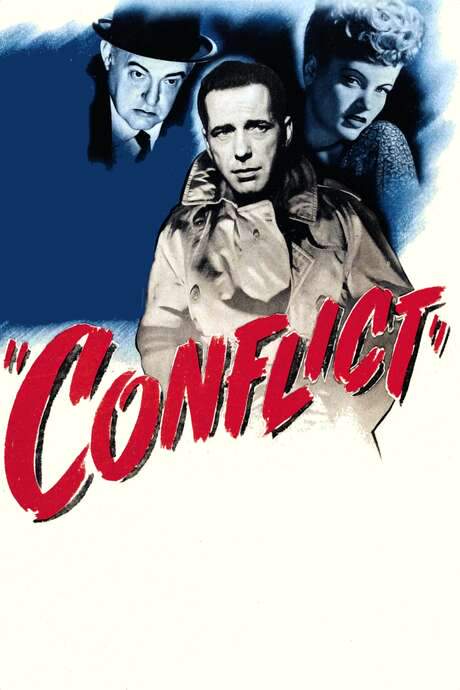
Claustrophobic thrillers about moral decay like Guilty Hands

Thrillers set in confined worlds where corruption suffocates the characters. For viewers who enjoyed the oppressive atmosphere and themes of paternal obsession and deception in Guilty Hands, this list highlights similar movies. Discover suspenseful stories set in confined worlds of wealth, power, or family, where moral compromise leads to a tense and suffocating downward spiral.

  • claustrophobic
  • sinister
  • suspenseful
  • grim
  • anxious
  • unsettling
  • Tone: sinister, tense, bleak
  • Pacing: steady, deliberate
Why these movies?

The story pattern: The narrative pattern involves characters trapped in a web of their own or others' making, often within a single location or tight-knit social circle. The plot revolves around secrets, betrayal, and the erosion of ethics, building unbearable suspense as the walls close in and the true, sinister nature of the characters is revealed.

Why they belong together: These films share a potent combination of a restrictive atmosphere and a deep dive into moral bankruptcy. The similarity comes from the palpable sense of entrapment and the focus on how corruption, rather than external forces, is the primary source of tension and doom.

If you liked this

Movies Like Guilty Hands

Similar movies to Guilty Hands: the same genre, themes or kind of story. Each one comes with its own plot summary, timeline and ending explained.

Browse all movie summaries

Every angle

Guilty Hands (1931) Explained: Plot, Timeline & Characters

Everything about Guilty Hands in one place: what happens in the plot summary, the timeline in chronological order, the characters and meaning and a spoiler-free summary. What's After the Movie adds the cast, box office and post-credit scenes.

Coming soon on iOS and Android

The Plot Explained Movie Summary App

Plot summaries, endings explained and timelines on your phone. Catch up on any movie in minutes, save your favorites and never miss a twist again.

Be the first to know when we launch. Your email stays private, always.

Learn more about the app