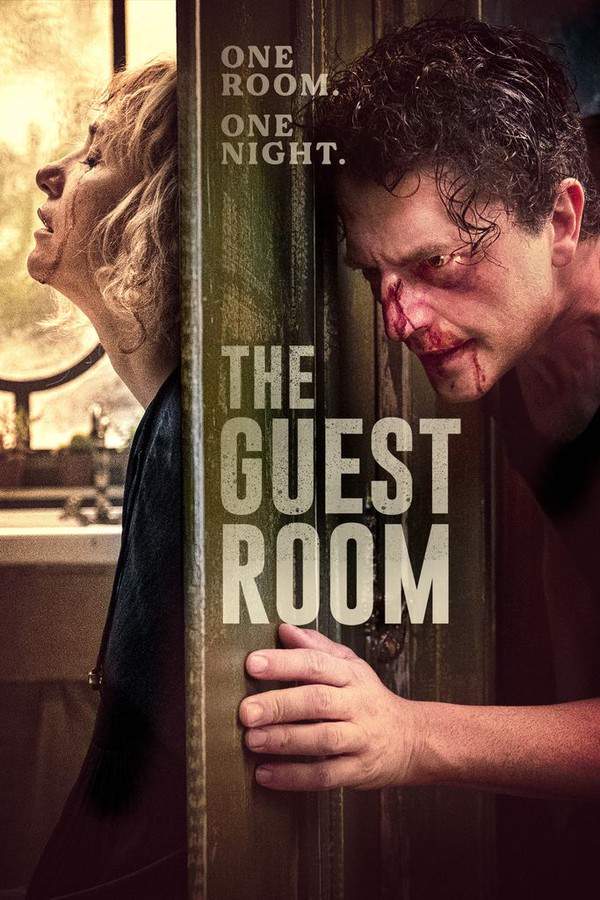
A claustrophobic, unsettling thriller unfolds as a frightened young woman named Mary wakes up in a stranger’s bedroom, disoriented and fearful. Her injuries have left her partially blind and deaf, turning the room into a hazy, muffled space where every sound feels distant and fragile. The homeowner, [The Woman], steps in with careful hands, cleaning wounds and placing a small hearing aid that brings a thin thread of sound back to Mary’s ears. The exchange between them is measured and wary: The Woman asks what happened, while Mary struggles to piece together the events that led her to this abrupt morning, her voice barely above a whisper, her body tense with lingering panic. The atmosphere is quiet but thick with unspoken questions, as if the walls themselves are listening closely to every breath.
A stark flashback then interrupts the present, throwing light on the night that preceded this morning. Mary was forced to run for her life through the countryside, pursued by a tall, slender figure described as “The Guest”—a creature with an unnerving, eyelidless gaze. The chase is relentless and unsettling, as if the night itself conspires to trap her. In desperation, Mary discovers the home of the homeowner and barges inside, seeking shelter from The Guest. The inside of the house feels almost empty, yet tension crackles in the air, as if unseen eyes are watching every move. With the instinct of someone backed into a corner, she grabs a kitchen knife and hides in the bathroom, clutching the weapon for safety. But The Guest seems to anticipate her every move, and when the door finally reveals that the danger is not just outside, the moment becomes suffocating and claustrophobic.
Driven by fear and a sense of madness seeded by The Guest’s unnerving presence, Mary performs a desperate act that seals her fate in a stark, brutal way. In a shocking turn, she pours a bottle of bleach over her eyes and drives the knife into her ears, effectively blinding and deafening herself to match the condition she woke with earlier. The scene is stark and unsettling, a visceral manifestation of survival that folds back into the morning’s reality, leaving her in a similar state of sensory deprivation as when she first awoke.
Back in the present, The Woman reacts with alarm to Mary’s explanation, and, in a swift, protective instinct, leaves the room and locks the door, effectively trapping Mary inside. The room becomes a brittle space of uncertainty, where safety and danger seem to alternate with each shallow breath. Mary then peels back her bandages to peer at the bed, and there, the Guest sits beside her with a sad, almost vulnerable expression—a quiet, haunting counterpoint to the earlier ferocity of the chase. The film ends on that ambiguous note, with nothing resolved and the night’s terrors lingering in the air, inviting interpretation about what is real, what is memory, and what price the fear exacts when it closes in from all sides.