
Greaser’s Palace
Year: 1972
Runtime: 91 mins
Language: English
Director: Robert Downey Sr.
A wild, off‑beat retelling of Christ’s life where the protagonist literally has “boogie on his fingers” and “hubba‑hubba in his soul.” Set in New Mexico, the film mixes biblical allegory with absurdist humor, even portraying the world’s end as caused by massive constipation. It’s a tongue‑in‑cheek parable far from any traditional Bible story.
Warning: spoilers below!
Haven’t seen Greaser’s Palace yet? This summary contains major spoilers. Bookmark the page, watch the movie, and come back for the full breakdown. If you're ready, scroll on and relive the story!
Greaser’s Palace (1972) – Full Plot Summary & Ending Explained
Read the complete plot breakdown of Greaser’s Palace (1972), including all key story events, major twists, and the ending explained in detail. Discover what really happened, and what it all means.
Jesse, Allan Arbus with no memory, parachutes into a frontier town run by Seaweedhead Greaser, Albert Henderson a tyrant who squeezes every penny from the locals, enforces heavy taxes, and keeps his mother and his beloved mariachi band in cages while wrestling with a chronic constipation. The unexpected arrival unsettles the town, and the rumor mill spins around this enigmatic visitor who seems oddly destined for something bigger. The town itself feels trapped under Greaser’s iron fist, yet a curious energy lingers as Jesse drifts through alleys, saloons, and dusty streets with a strange sense of purpose.
Jesse’s past is a blank slate, but his path is shaped by Morris, a talent agent who tells people that Jesse is headed for Jerusalem to become a singer, dancer, and actor. This plan of a bright future contrasts with the brutal reality of Greaser’s regime, and Jesse’s presence begins to tilt the balance of power in a town that guards its secrets as closely as its taxes. The town’s shadows deepen as Jesse encounters the strange economics of Greaser’s world—where performance can be both spectacle and salvation, and where a man’s fate is tangled with the profits and peculiarities of a saloon-driven economy.
Greaser’s grip tightens when he murders his son, Lamy Homo Greaser, Michael Sullivan, for being homosexual, and in a moment that defies the natural order, Jesse resurrects the dead man. This miracle draws crowds and fuels controversy in equal measure, casting Jesse not just as a performer but as a kind of living legend who can bend life and death to his will. As Jesse heals the sick, he also taps-dances on water, a surreal display that stuns patrons and unsettles Greaser, who begins to see the potential of Jesse’s talents to revive his sagging enterprise. The saloon’s fortunes rise and fall with the crowd, and the spectacle becomes a test of whether salvation can be sold in a town where power is measured in tips, tickets, and the width of a stage.
Meanwhile, Cholera, Luana Anders, Greaser’s daughter, struggles with waning performances that threaten the family business. In a bid to restore the limelight and cash flow, Greaser hires Jesse to sing and dance at the saloon, gambling on the idea that magic on stage can translate into real power offstage. Jesse’s act culminates in a moment of bleeding stigmata from his hands, a dramatic symbol that electrifies the crowd and divides opinion among the town’s residents and outsiders alike. The audience’s love for the spectacle sits at odds with a professional appraisal that questions whether miracles belong in a saloon.
A relationship develops with a woman, Elsie Downey, who becomes a pivotal figure in Jesse’s arc. She ultimately crucifies him in a ritual of sacrifice, a move that releases a brutal, haunting possibility: the resurrection of her own son, Robert Downey Jr.. The son, killed by Indians, materializes again through Jesse’s power, a reversal that binds love, revenge, and the supernatural in a single, fevered moment. The town and its players are left to reckon with the consequences of resurrecting the past, the price of talent, and the fragility of life in a world where a single performance can rewrite what is real.
Last updated: February 19, 2026 at 09:51
Greaser’s Palace (1972) Plot Questions Answered – Summary FAQ
Explore frequently asked questions about Greaser’s Palace (1972) with spoiler-rich answers covering the full plot summary, major story beats, character motivations, hidden details, and ending meaning. This movie summary FAQ helps explain confusing scenes, plot twists, and narrative decisions in clear, searchable detail.
Why does Greaser murder his son Lamy Homo?
Greaser kills his son Lamy Homo for being homosexual, viewing his son's sexual orientation as an unforgivable sin within his tyrannical moral code. This act demonstrates Greaser's brutal control over his family and the town, showing that he will enforce his own twisted sense of righteousness through violence.
How does Jesse bring Lamy Homo back to life?
Jesse resurrects Lamy Homo immediately after Greaser murders him, defying the natural order. This miracle occurs spontaneously, with no explicit explanation given, Jesse simply exerts some supernatural power that reverses death itself, drawing crowds and cementing his reputation as a miraculous figure.
Why does Elsie Downey crucify Jesse?
Elsie Downey crucifies Jesse as a ritual of sacrifice, believing this act will unlock some greater supernatural power. Her motivation appears connected to her desire to resurrect her own son who was killed by Indians, she views Jesse's crucifixion as the necessary catalyst to bring her son back from the dead.
What happens to Elsie's son after Jesse is crucified?
After Elsie crucifies Jesse, her son who was killed by Indians is resurrected through Jesse's power. The resurrection works, but it comes at a tremendous cost, Jesse must sacrifice himself to bring the boy back, binding love, revenge, and the supernatural together in a single fatal moment.
Why does Greaser suffer from chronic constipation?
Greaser's chronic constipation serves as absurd comic relief while symbolizing his rigid, blocked nature as a tyrant. The film presents it as a literal physical ailment that he wrestles with throughout the story, contributing to the movie's surreal blending of biblical allegory with absurdist humor.
What do the bleeding stigmata represent during Jesse's performance?
Jesse's bleeding stigmata from his hands during his saloon performance is a direct biblical allusion to Christ's wounds. This dramatic moment electrifies the crowd and deeply divides the town, some view it as a genuine miracle while others see it as a calculated spectacle, raising questions about whether salvation can be bought and sold in a saloon.
Why does Jesse arrive with no memory of his past?
Jesse parachutes into the frontier town with complete amnesia, leaving his past a complete mystery. The film never explicitly explains this memory loss, though it serves to make him a blank slate figure who can be shaped into whatever the town needs, a performer, a miracle worker, or a sacrifice.
Why does Greaser keep his mother and mariachi band in cages?
Greaser keeps his mother and his beloved mariachi band imprisoned in cages as part of his overall domination of the town. This bizarre practice demonstrates his extreme control over both his family and the town's entertainment, using captivity to ensure their obedience and his ability to profit from their talents.
What does Morris mean when he says Jesse is headed for Jerusalem?
Morris, the talent agent, tells people that Jesse is destined for Jerusalem to become a singer, dancer, and actor. This prediction frames Jesse's journey as a purposeful religious mission, aligning with the film's Christ allegory, Jerusalem being the site of Jesus's final days and crucifixion.
What is the significance of Jesse tap-dancing on water?
Jesse's ability to tap-dance on water is a surreal miracle that dazzles the saloon audience while blurring the line between performance and the supernatural. This act establishes him as more than a mere entertainer, demonstrating powers that can defy physical laws and strengthening his role as a Christ-like figure.
How does hiring Jesse affect Greaser's saloon business?
Greaser hires Jesse to perform at his saloon specifically to revive his declining business, betting that Jesse's miraculous talents will translate into profits. The strategy works initially, Jesse's healing and spectacular performances draw crowds and increase revenue, but also increase the town's dependence on supernatural spectacle.
Is this movie a retelling of the Jesus story?
Greaser's Palace is an allegorical retelling of Christ's story transplanted to a Western frontier setting. Jesse represents Jesus, a figure with miraculous powers who performs healings, resurrects the dead, and ultimately is sacrificed through crucifixion. However, the film twists the narrative with absurdist humor, having Christ figure tap-dance and the world nearly end from constipation.

Explore Movie Threads
Discover curated groups of movies connected by mood, themes, and story style. Browse collections built around emotion, atmosphere, and narrative focus to easily find films that match what you feel like watching right now.
Irreverent Religious Allegories like Greaser’s Palace
Biblical tales reinterpreted through a modern, satirical, and often humorous lens.Explore movies like Greaser’s Palace that offer a satirical take on biblical tales. These films blend spiritual themes with absurdist humor and anachronistic settings, perfect for viewers who enjoy unconventional and thought-provoking religious allegories.
Greaser’s Palace
1972
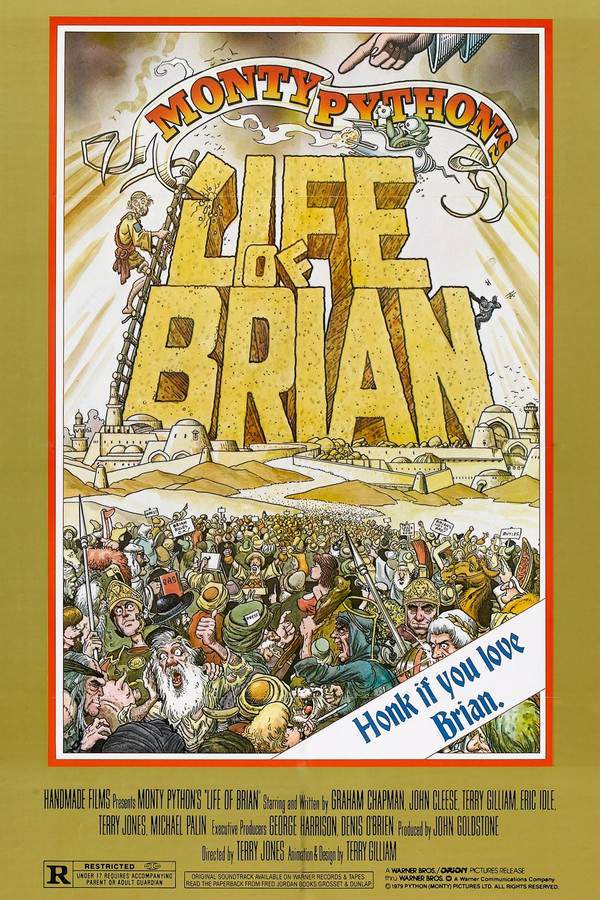
Monty Python's Life of Brian
1979
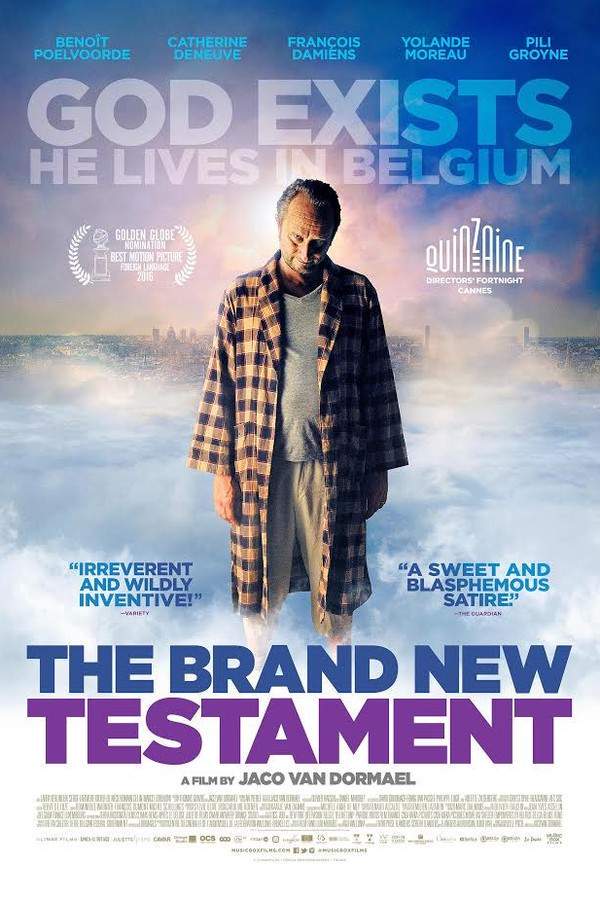
The Brand New Testament
2016

The Devil and the Ten Commandments
1962

Holy Flying Circus
2011
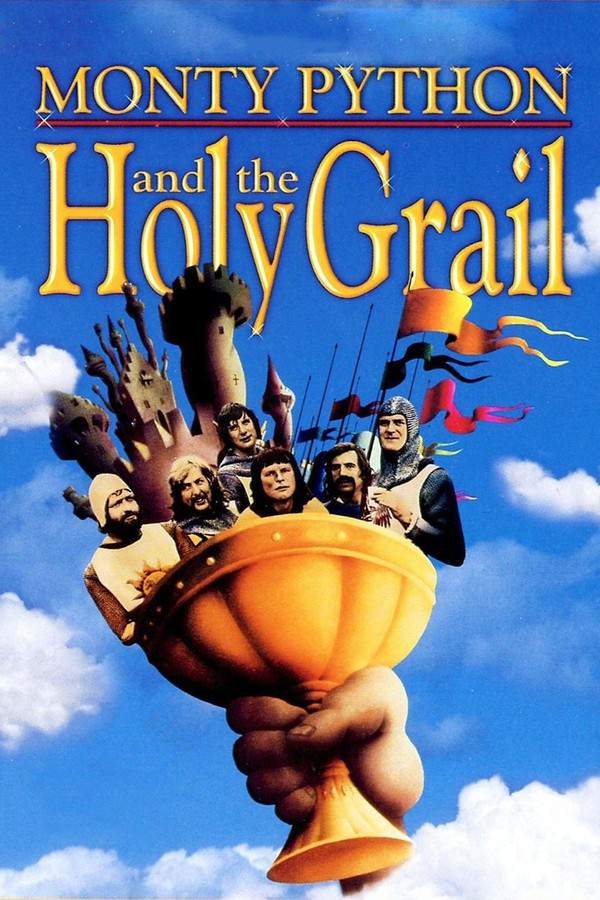
Monty Python and the Holy Grail
1975

Rustlers’ Rhapsody
1985

The Ridiculous
2024

Bedlam in Paradise
1955
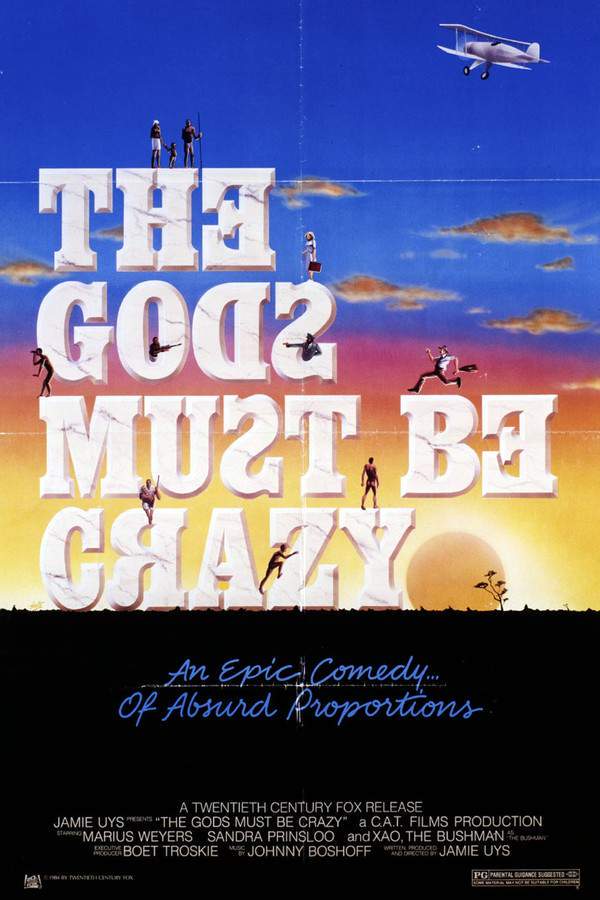
The Gods Must Be Crazy
1984

Weird: The Al Yankovic Story
2010

The Magic Christian
1969

Monty Python’s The Meaning of Life
1983

The Rebel
1961

Zachariah
1971
Narrative Summary
Narratives in this thread follow a protagonist on a spiritual or mythic journey, but the path is littered with absurd obstacles, modern sensibilities, and satirical commentary. The journey often mirrors a classic parable, but the tone subverts expectations, leading to a conclusion that is both meaningful and mischievously irreverent.
Why These Movies?
These films are grouped by their shared approach to deconstructing religious narratives. They mix the sacred with the profane, using humor and anachronism to explore themes of faith, sacrifice, and tyranny in a way that is both thought-provoking and entertaining.
Surreal Genre Deconstructions like Greaser’s Palace
Familiar movie genres twisted into dreamlike, unpredictable, and bizarre experiences.Find movies similar to Greaser’s Palace that deconstruct traditional genres like the Western with surreal and absurdist elements. If you enjoyed the bizarre, dreamlike take on the Old West, you'll find more films that twist familiar settings into unpredictable and darkly humorous stories.
![The Discreet Charm of the Bourgeoisie [re-release]](https://whats-after-the-movie-ti152.sevalla.storage/movies/the-discreet-charm-of-the-bourgeoisie.jpg)
The Discreet Charm of the Bourgeoisie [re-release]
2000

The Man from Nowhere
1961

Dreams That Money Can Buy
1947

City of Women
1980
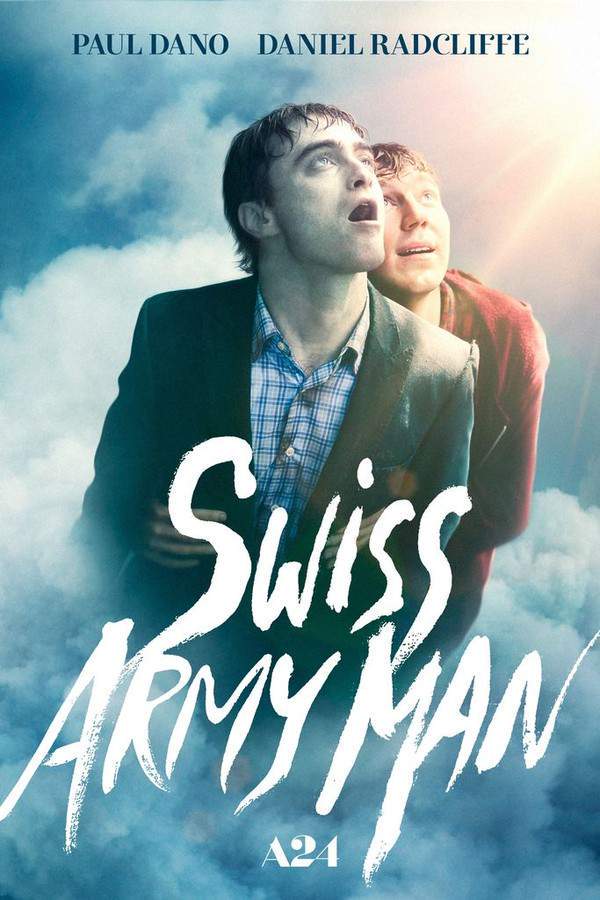
Swiss Army Man
2016

The Hilarious Posters
1906

Arizona Dream
1994

Quasi at the Quackadero
1976
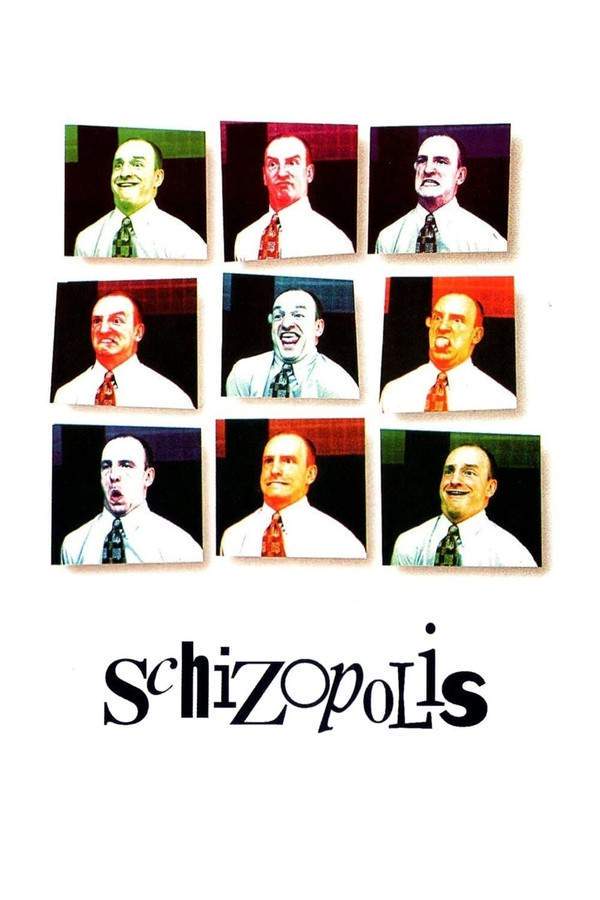
Schizopolis
1997

Céline and Julie Go Boating
1974
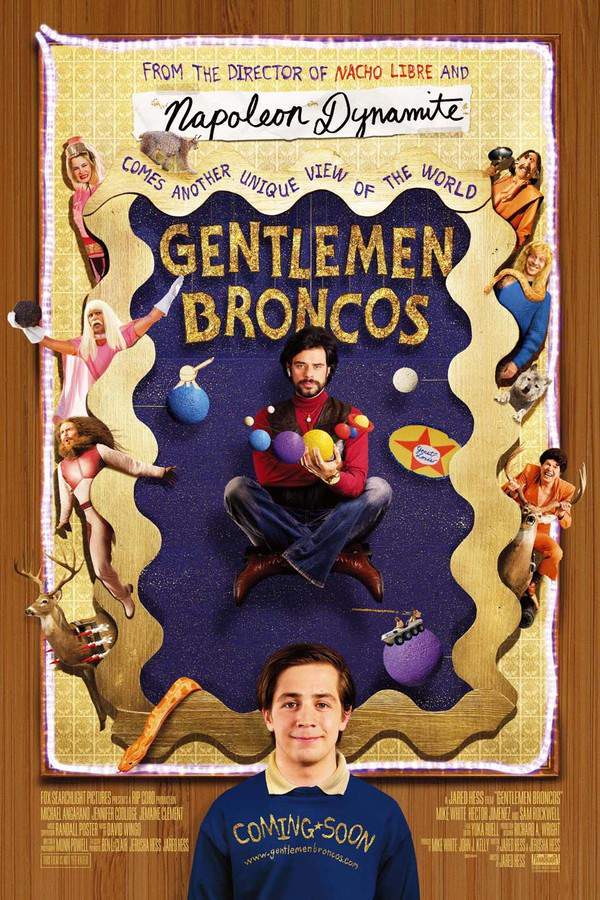
Gentlemen Broncos
2009
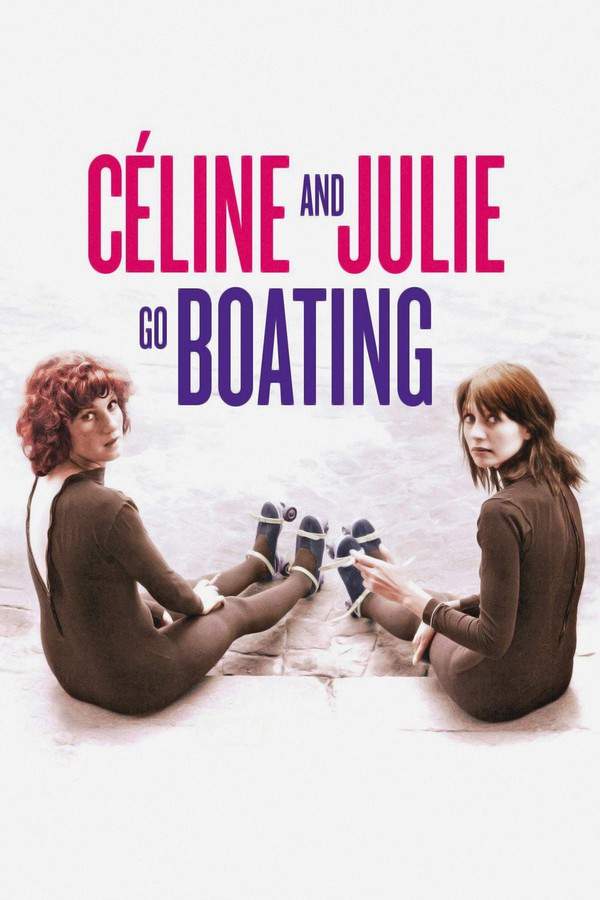
Celine and Julie Go Boating (1974)
2012
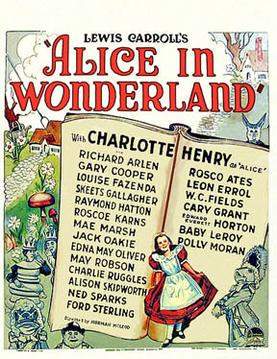
Alice in Wonderland
1933

Gigantic
2009

Bedazzled
1967
Narrative Summary
The narrative structure in these films often feels episodic and dreamlike, subverting the linear expectations of their base genre. Character archetypes are exaggerated or inverted, and the plot progresses through a series of strange, symbolic events rather than a conventional cause-and-effect chain.
Why These Movies?
These movies are linked by their shared goal of dismantling a genre's conventions. They prioritize mood, symbolic imagery, and absurdist humor over traditional plot, creating a cohesive vibe of surreal unpredictability that appeals to fans of offbeat cinema.
Unlock the Full Story of Greaser’s Palace
Don't stop at just watching - explore Greaser’s Palace in full detail. From the complete plot summary and scene-by-scene timeline to character breakdowns, thematic analysis, and a deep dive into the ending - every page helps you truly understand what Greaser’s Palace is all about. Plus, discover what's next after the movie.
Greaser’s Palace Timeline
Track the full timeline of Greaser’s Palace with every major event arranged chronologically. Perfect for decoding non-linear storytelling, flashbacks, or parallel narratives with a clear scene-by-scene breakdown.

Characters, Settings & Themes in Greaser’s Palace
Discover the characters, locations, and core themes that shape Greaser’s Palace. Get insights into symbolic elements, setting significance, and deeper narrative meaning - ideal for thematic analysis and movie breakdowns.


Similar Movies to Greaser’s Palace
Discover movies like Greaser’s Palace that share similar genres, themes, and storytelling elements. Whether you’re drawn to the atmosphere, character arcs, or plot structure, these curated recommendations will help you explore more films you’ll love.

The Jesus Rolls
2019
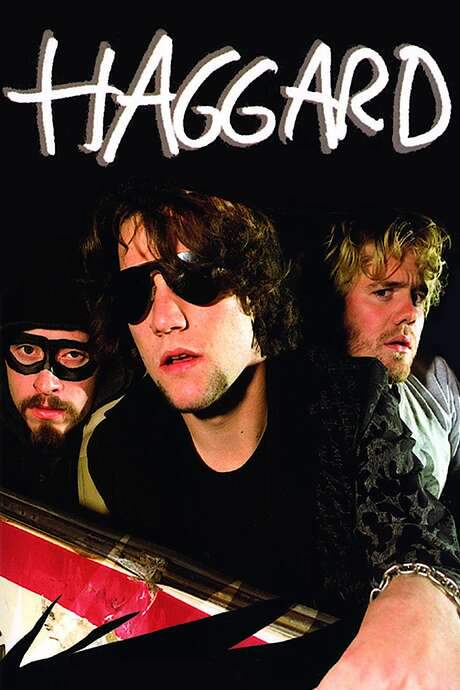
Haggard
2003

Straight to Hell
1987

Jesus Kid
2021

Go West
1940

An Eastern Westerner
1920

Palmer’s Pick-Up
1999

Rancho Deluxe
1975

Wild Gals of the Naked West
1962

Lonesome Cowboys
1968

The Crazy Westerners
1967

Loose Shoes
1978

Go with God, Gringo
1966

The Cowboy Way
1994

Out West
1947
Explore More About Movie Greaser’s Palace
Greaser’s Palace (1972) Scene-by-Scene Movie Timeline
Greaser’s Palace (1972) Movie Characters, Themes & Settings
Greaser’s Palace (1972) Spoiler-Free Summary & Key Flow
Movies Like Greaser’s Palace – Similar Titles You’ll Enjoy
The Jesus Rolls (2019) Spoiler-Packed Plot Recap
Haggard (2003) Plot Summary & Ending Explained
Straight to Hell (1987) Full Movie Breakdown
Jesus Kid (2021) Ending Explained & Film Insights
Go West (1940) Story Summary & Characters
An Eastern Westerner (1920) Movie Recap & Themes
Palmer’s Pick-Up (1999) Plot Summary & Ending Explained
Rancho Deluxe (1975) Plot Summary & Ending Explained
Wild Gals of the Naked West (1962) Plot Summary & Ending Explained
Lonesome Cowboys (1968) Movie Recap & Themes
The Crazy Westerners (1967) Complete Plot Breakdown
Loose Shoes (1978) Full Summary & Key Details
Go with God, Gringo (1966) Plot Summary & Ending Explained
The Cowboy Way (1994) Film Overview & Timeline
Out West (1947) Plot Summary & Ending Explained