Plot Explained Spoilers guaranteed!
Plot Explained

Browse by genre

Ginger and Fred (1986) movie poster

Plot Summary

Ginger and Fred (1986) Plot Summary Explained

Release, runtime and language
1986 · 125 mins · Italian
Loading streaming availability…
Directed by
Federico Fellini
Starring
Marcello Mastroianni, Giulietta Masina, Franco Fabrizi, Davide Marotta, Antonino Iuorio, Friedrich von Ledebur

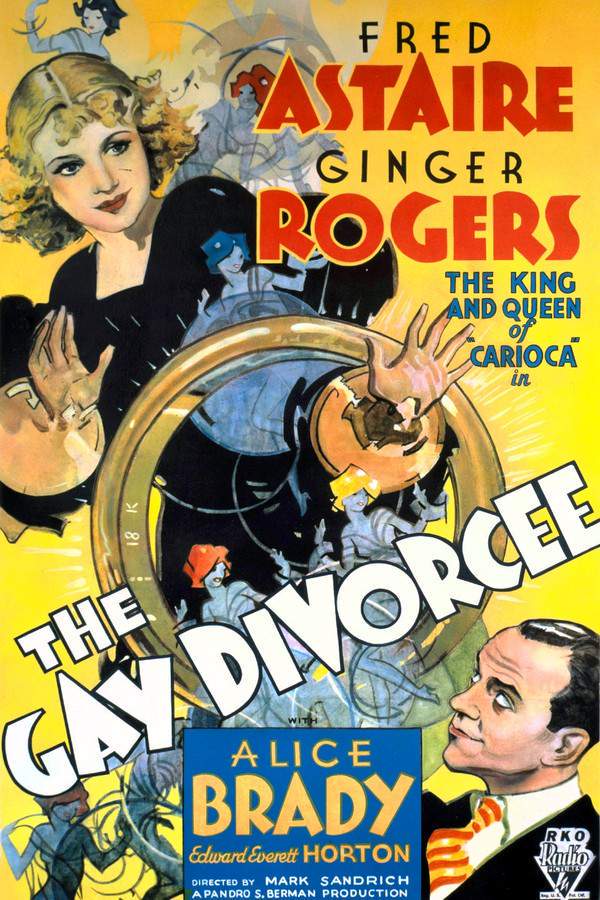
Through Fellini’s whimsical lens the film turns television into a stage, reuniting aging performers Amelia and Pippo after decades apart. They revive their classic music‑hall routine, echoing the famed partnership of Fred Astaire and Ginger Rogers, for a live TV variety broadcast that reflects on nostalgia, performance and the passage of time.

On this page (6)
  1. 1 Where to watch
  2. 2 What happens: full plot
  3. 3 Plot questions answered
  4. 4 Movie threads
  5. 5 Movies like Ginger and Fred
  6. 6 Every angle
Loading streaming availability…

Full plot summary · contains spoilers

What Happens in Ginger and Fred: Full Plot Summary

The whole story of Ginger and Fred (1986) explained, from the opening scene to the final frame: every key event, every twist and what it all adds up to. Read it as a quick recap before the sequel, to check a scene you missed, or to finally understand what really happened.

Amelia Bonetti, Giulietta Masina, known by the stage name “Ginger,” and Pippo Botticella, Marcello Mastroianni, famed as “Fred,” were a legendary dancing duo celebrated for their playful mimicry of Ginger Rogers and Fred Astaire. After nearly three decades in retirement, they are drawn back into the limelight for a Christmas reunion on a televised variety special called We Are Proud to Present. Amelia, now a widowed grandmother, agrees to step back into the spotlight for one last moment of fame, while Pippo, who is in need of money, travels to the studio with a mix of nostalgia and reluctance.

As Amelia waits for Pippo, she shares a quiet dinner with a transvestite who offers an odd divination about the fate of visiting men in prison, a moment that drifts between curiosity and unease. Back in her hotel room, she tosses and turns, only to be told by the minutes that Pippo has arrived. The next morning, they step onto a bus that carries them toward the television studio, joined by a colorful lineup of acts—among them a troupe of bolero-dancing dwarfs, a plastic surgeon, and a couple who record ghostly voices to preserve memories.

At the studio, Amelia and Pippo rehearse their number, undergoing makeup and hairstyling, and they wait in the wings as the show’s backstage world comes to life. The guests who appear on the special are as varied as the acts: the transvestite, a man leaving a monastery who proposes to his fiancée, a producer of edible underwear, and a monk reputed to perform miracles. When the music cue finally hits, Amelia and Pippo launch into their dance, but a sudden blackout disrupts the broadcast, plunging the studio into darkness and uncertainty.

In the blackout, Pippo confesses a long-buried truth: he was institutionalized after a previous breakup with Amelia. The moment casts a heavy doubt over the reunion, but the pair choose to confront it together, clinging to the memory of their partnership even as the lights threaten to disappear again. They decide to press on, hoping the show will go on, and manage to complete their number with grace despite a mishap that underscores the fragility of their bond.

When the lights return, the pair meets the world with a bittersweet resolve. The backstage drama lingers, the crowd’s applause gives them a fragile sense of closure, and, as the train carries them away, Amelia and Pippo share a kiss and bid farewell, recognizing that the past and the present have intertwined in a final, poignant moment of goodbye.

Last updated: February 18, 2026 at 23:44

Was this helpful?

Plot questions answered

Ginger and Fred Plot Explained: Your Questions Answered

The questions people ask most about Ginger and Fred (1986): what happens in the confusing scenes, why the characters do what they do, the twists, hidden details and what the ending means. Each answer contains spoilers.

Q1

Why does Pippo agree to perform again after nearly 30 years?

Pippo is primarily motivated by money. After nearly three decades in retirement, he needs the financial opportunity that the televised Christmas special provides. However, there's also an undercurrent of nostalgia and unresolved feelings about his past partnership with Amelia that makes the reunion emotionally complicated.

  • pippo
  • money
  • comeback
  • retirement
  • motivation
Q2

Why does Amelia agree to come back to the stage?

Amelia sees the Christmas TV special as another chance to shine, a final moment of fame. As a widowed grandmother, she's drawn to the opportunity to recapture the spotlight one more time, viewing the reunion as a chance to step back into the limelight despite the passage of time.

  • amelia
  • fame
  • spotlight
  • comeback
  • widow
Q3

What causes the blackout during Amelia and Pippo's performance?

The exact cause of the blackout isn't explained, it's presented as a sudden, unexpected technical failure that plunges the television studio into darkness during their dance number. The blackout serves as a dramatic turning point that forces Amelia and Pippo to confront each other and their shared past in the darkness.

  • blackout
  • performance
  • stage
  • technical failure
  • turning point
Q4

Why was Pippo institutionalized after his breakup with Amelia?

During the blackout, Pippo reveals that he suffered a mental breakdown and was institutionalized after their breakup decades earlier. The revelation adds a heavy undercurrent to their reunion, suggesting their separation had a much more profound and painful impact on Pippo than Amelia perhaps realized.

  • pippo
  • institutionalization
  • mental breakdown
  • breakup
  • confession
Q5

Why do Amelia and Pippo decide to continue performing after Pippo's confession?

Despite the emotional weight of Pippo's confession and the blackout acting as a bad omen, they choose to press on and complete their number. They decide to cling to the memory of their partnership rather than retreat from the challenge. The pair acknowledges that the show must go on, and they finish their dance with graceful, practiced chemistry despite the mishap.

  • confession
  • performance
  • perseverance
  • partnership
  • resolve
Q6

What happens between Amelia and Pippo at the train station ending?

After completing their televised performance, Amelia and Pippo share a kiss and bid their farewells at the train platform. They recognize that their past and present have intertwined in a final, poignant moment of goodbye. The ending is bittersweet, they part ways but acknowledge their shared history will live on in memory.

  • train station
  • goodbye
  • kiss
  • farewell
  • parting
Q7

What is the purpose of the transvestite dinner scene with Amelia?

During a pre-show dinner, Amelia encounters a flamboyant transvestite who offers an odd divination about the fate of visiting men in prison. This surreal encounter sets the whimsical, bizarre tone of the film and hints at the unpredictable world surrounding their comeback. The scene drifts between curiosity and unease, establishing the surreal atmosphere of the TV special's ecosystem.

  • transvestite
  • divination
  • dinner
  • surreal
  • fortune
Q8

Why does the film show the bus ride to the TV studio?

Amelia and Pippo board a bus headed for the television studio alongside a varied lineup of acts including bolero-dancing dwarfs, a plastic surgeon, and a couple who tape-record ghost voices. This sequence highlights the chaotic, surreal variety show ecosystem and serves as a whimsical prelude that establishes Fellini's signature style of blending the mundane with the bizarre.

  • bus
  • studio
  • variety show
  • dwarfs
  • surreal acts
Q9

What does the blackout represent in the film?

The blackout serves as both a literal technical interruption and a metaphorical moment of truth. It forces Amelia and Pippo into darkness where hidden truths surface, specifically Pippo's confession about his institutionalization. The darkness also represents the uncertainty of their reunion and the threatened end of their partnership, as they consider slipping away to avoid confronting the past.

  • blackout
  • symbolism
  • truth
  • darkness
  • metaphor
Q10

Do Amelia and Pippo stay together at the end?

No, Amelia and Pippo part ways at the train station. After their bittersweet performance and emotional reunion, they share a final kiss and bid farewell, each going their separate ways. The ending acknowledges that their brief reunion was a poignant final chapter rather than a permanent reconciliation.

  • ending
  • breakup
  • parting
  • together
  • separation

Movie threads

More Movies Like Ginger and Fred, by Mood & Story

Curated lists built around what makes Ginger and Fred tick: the same mood, the same kind of story or the same emotional payoff. Each list explains why these movies belong together.

Bittersweet reunion movies like Ginger and Fred

Aging characters reunite to confront nostalgia and the passage of time. Find more films like Ginger and Fred that explore nostalgic reunions, aging performers, and the bittersweet feelings of revisiting the past with older characters reuniting after decades apart.

  • nostalgic
  • melancholic
  • reflective
  • sentimental
  • bittersweet
  • aging
  • Tone: bittersweet, melancholic, nostalgic
  • Pacing: steady, deliberate
Why these movies?

The story pattern: These stories often follow characters brought together again by a specific event, leading them to revisit their shared history. The narrative explores the contrast between past glories and present realities, culminating in a poignant acknowledgment of time's passage.

Why they belong together: They share a melancholic yet gentle tone, focusing on character-driven drama with emotional weight derived from nostalgia and reflection rather than high-stakes conflict.

Surreal media satire movies like Ginger and Fred

Surreal and comedic critiques of television and celebrity culture. Discover other whimsical satires like Ginger and Fred, featuring surreal takes on television, performance, and the entertainment industry with a blend of comedy and sharp social commentary.

  • whimsical
  • satirical
  • surreal
  • dreamlike
  • bizarre
  • performance
  • Tone: whimsical, satirical, dreamlike
  • Pacing: steady
Why these movies?

The story pattern: The narrative unfolds within or around a exaggerated version of a media landscape, using bizarre characters and situations to highlight the disconnect between public performance and private reality.

Why they belong together: They are unified by a whimsical tone, a satirical eye focused on media and performance, and a steady pacing that allows for both comedy and thoughtful observation.

If you liked this

Movies Like Ginger and Fred

Similar movies to Ginger and Fred: the same genre, themes or kind of story. Each one comes with its own plot summary, timeline and ending explained.

Browse all movie summaries

Every angle

Ginger and Fred (1986) Explained: Plot, Timeline & Characters

Everything about Ginger and Fred in one place: what happens in the plot summary, the timeline in chronological order, the characters and meaning and a spoiler-free summary. What's After the Movie adds the cast, box office and post-credit scenes.

Coming soon on iOS and Android

The Plot Explained Movie Summary App

Plot summaries, endings explained and timelines on your phone. Catch up on any movie in minutes, save your favorites and never miss a twist again.

Be the first to know when we launch. Your email stays private, always.

Learn more about the app