Plot Explained Spoilers guaranteed!
Plot Explained

Browse by genre

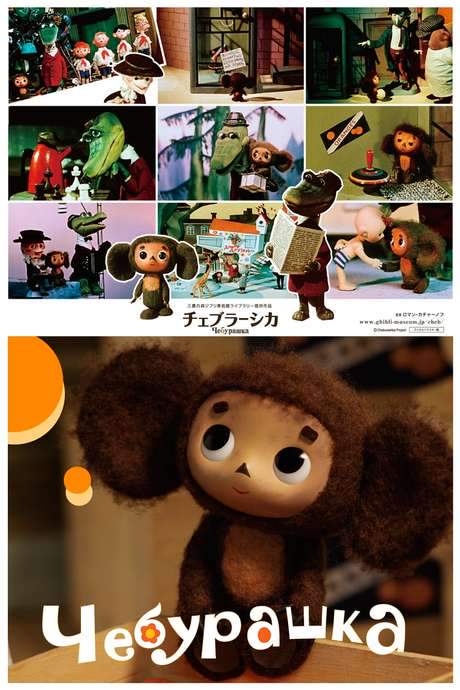
Gena the Crocodile (1969) movie poster

Plot Summary

Gena the Crocodile (1969) Plot Summary Explained

Release, runtime and language
1969 · 20 mins · Russian
Loading streaming availability…
Directed by
Roman Kachanov
Starring
Klara Rumyanova, Vasiliy Livanov, Vladimir Kenigson, Tamara Dmitrieva, Vladimir Rautbart

Gena the Crocodile, a zoo keeper in an urban zoo, returns each night to his empty apartment and grows weary of playing chess against himself. He posts advertisements around the city seeking companions. A girl named Galya arrives with a stray puppy, followed shortly by Cheburashka. Together they set out to build a home for the city’s lonely residents, while the mischievous old lady Shapoklyak constantly thwarts their efforts.

On this page (6)
  1. 1 Where to watch
  2. 2 What happens: full plot
  3. 3 Plot questions answered
  4. 4 Movie threads
  5. 5 Movies like Gena the Crocodile
  6. 6 Every angle
Loading streaming availability…

Full plot summary · contains spoilers

What Happens in Gena the Crocodile: Full Plot Summary

The whole story of Gena the Crocodile (1969) explained, from the opening scene to the final frame: every key event, every twist and what it all adds up to. Read it as a quick recap before the sequel, to check a scene you missed, or to finally understand what really happened.

Gena the Crocodile Vasiliy Livanov works as an attraction at an urban zoo, performing for visitors and returning each evening to his solitary apartment. Growing tired of playing chess by himself, Gena decides to find friends and posts advertisements around the city. His efforts soon bring responses from a variety of neighbors, and the first to answer is Galya Tamara Dmitrieva, who arrives with a homeless puppy named Tobik, offering companionship and a sense of hopeful change.

Shortly after, a mysterious and lovable creature Cheburashka Klara Rumyanova is discovered inside a box of oranges, endearing everyone with an openness that matches Gena’s own longing for connection. Not long after, a lion named Chandr enters the scene, confessing that he has no friends, and Tobik warmly extends his friendship to the newcomer, widening the circle of confidants and inviting more heart into the group. The ensemble grows to include a shared dream of friendship that transcends loneliness, and they begin to lay the groundwork for a larger project that can shelter many who feel left out.

With the idea of a common space taking root, the friends decide to build a House of Friends, a welcoming place where all the city’s loneliest residents can come together to share stories, games, and support. Their plan, however, runs into trouble from the mischief-making old lady Shapoklyak Vladimir Rautbart, whose pranks threaten to derail the project and test the group’s resolve. Despite her interference, the friends press on, transforming the construction site into a symbol of teamwork and mutual care. The experience strengthens their bonds as each member contributes in unique ways—through cheer, practical help, and steady encouragement—showing how unity can soften even the coldest corners of a busy city.

As the House of Friends takes shape, the group’s shared purpose deepens, and what began as a simple experiment in companionship grows into a community that feels like a home for many. When the building is finally completed, it is donated to a children’s daycare, where Cheburashka finds a new and meaningful role as a beloved toy that sparks joy in the youngest visitors and reminds them that they, too, can belong. In a final turning point, Shapoklyak experiences a genuine change of heart, handing Cheburashka a note that reads:

> I won’t cause trouble anymore! — Shapoklyak

This quiet reversal of the old rival adds a soft, hopeful coda to a story about friendship overcoming isolation. The tale remains a gentle, uplifting portrait of how unlikely friendships can grow into lasting, life-affirming connections, turning a city’s loneliness into a shared space of care, laughter, and possibility for everyone involved.

Last updated: February 03, 2026 at 07:41

Was this helpful?

Plot questions answered

Gena the Crocodile Plot Explained: Your Questions Answered

The questions people ask most about Gena the Crocodile (1969): what happens in the confusing scenes, why the characters do what they do, the twists, hidden details and what the ending means. Each answer contains spoilers.

Q1

Why does Gena feel lonely even though he works at a zoo?

Gena feels lonely because despite being an attraction who performs for visitors all day, he returns to an empty apartment each evening. His job involves entertaining crowds, but none of those interactions are genuine friendships. He grows tired of playing chess by himself and wants real companionship, which is why he posts advertisements seeking friends around the city.

Foreshadowing: Earlier scenes show Gena returning home to a quiet, empty apartment, establishing his isolation.

  • Gena
  • loneliness
  • zoo
  • companionship
  • friendship
Q2

How does Cheburashka end up in the box of oranges?

Cheburashka is discovered inside a box of oranges at a city market. The exact origin of how he got there is left unexplained in the story, but his mysterious arrival is presented as a serendipitous moment. He emerges shy yet charming, quickly endearing himself to Gena and the others who welcome him into their growing circle of friends.

  • Cheburashka
  • orange box
  • found
  • mystery
Q3

Why does Shapoklyak try to stop the House of Friends project?

Shapoklyak is characterized as a mischievous old lady who enjoys causing trouble. She actively tries to disrupt the construction of the House of Friends through pranks and interference. Her opposition appears to stem from her playful antagonism rather than any specific grievance against the friends or their project.

  • Shapoklyak
  • opposition
  • pranks
  • obstacle
  • construction
Q4

What happens to the House of Friends after it is built?

Once completed, the House of Friends is donated to a children's daycare. The group decides to give their creation to lonely children rather than keeping it for themselves. This act of generosity allows the house to serve a new purpose as a welcoming space for kids who need companionship and belonging.

Foreshadowing: The friends' goal was always to create a space for lonely city residents, and donating to children extends that mission.

  • House of Friends
  • donation
  • daycare
  • children
  • completed
Q5

Why does Shapoklyak change her mind at the end?

Shapoklyak experiences a change of heart after witnessing the happiness that the House of Friends brings to the children at the daycare. Seeing the positive impact of the friends' work and their unconditional acceptance softens her mischievous nature. She hands Cheburashka a note promising not to cause trouble anymore, marking her reform.

Foreshadowing: Her witnessing the joy at the daycare directly precedes her decision to change.

  • Shapoklyak
  • reform
  • change of heart
  • note
  • resolution
Q6

How do the friends handle Shapoklyak's interference?

The friends refuse to be discouraged by Shapoklyak's pranks and troublemaking. They reroute their plans when necessary and stay committed to their goal of building the House of Friends. Their teamwork and determination allow them to overcome each obstacle she creates, and their persistence ultimately wins her over.

  • teamwork
  • perseverance
  • obstacles
  • construction
  • unity
Q7

What motivates Galya to answer Gena's advertisements?

Galya is a girl who arrives in response to Gena's citywide ads seeking companionship. She brings with her a homeless puppy named Tobik who needs care. Her motivation appears to be a genuine desire for friendship and connection, as well as providing a home for her stray puppy. Together, they form the first new members of Gena's circle.

  • Galya
  • Tobik
  • advertisement
  • response
  • homeless puppy
Q8

Why does Cheburashka become a toy at the daycare?

After the House of Friends is donated, Cheburashka finds a meaningful role as a beloved toy at the daycare. His gentle and charming nature makes him perfect for bringing joy to young children. By becoming a source of comfort and happiness for the kids, Cheburashka discovers his purpose in helping others feel included and loved.

Foreshadowing: Cheburashka's welcoming personality was established when he first joined the group.

  • Cheburashka
  • daycare
  • toy
  • children
  • purpose
Q9

How does Chandr the lion join the friends?

Chandr the lion arrives in the city park confessing that he has no friends, despite his impressive appearance. Tobik, the puppy, warmly extends friendship to the newcomer without hesitation. This act of acceptance allows Chandr to join the group, expanding their circle beyond species and demonstrating that genuine friendship transcends appearances.

  • Chandr
  • lion
  • friend
  • park
  • acceptance
Q10

What makes the House of Friends significant in the story?

The House of Friends represents more than just a building, it becomes a tangible symbol of the group's unity and their mission to combat loneliness in the city. The project brings the friends closer together as they work as a team, and its completion demonstrates how unlikely friendships can create lasting, positive change in their community.

Foreshadowing: The idea for a common space was introduced early when the group formed.

  • House of Friends
  • symbol
  • unity
  • community
  • significance

Movie threads

More Movies Like Gena the Crocodile, by Mood & Story

Curated lists built around what makes Gena the Crocodile tick: the same mood, the same kind of story or the same emotional payoff. Each list explains why these movies belong together.

Cozy found family stories like Gena the Crocodile

Hopeful stories where lonely souls build a welcoming community together. Discover more movies like Gena the Crocodile where lonely characters find companionship and build a home together. These similar animated and family films share a gentle, hopeful tone, focusing on the uplifting power of community and friendship with lighthearted charm.

  • hopeful
  • comforting
  • uplifting
  • whimsical
  • playful
  • heartwarming
  • Tone: whimsical, hopeful
  • Pacing: steady, gentle
Why these movies?

The story pattern: The narrative typically begins with a protagonist (or group) experiencing isolation. Through a series of gentle, often whimsical events, they meet other outsiders and unite around a shared goal, like building a home or helping their community. Conflict is light and usually comes from a mischievous but ultimately harmless antagonist, leading to a positive resolution that solidifies the new family bonds.

Why they belong together: These movies are grouped together because they share a core theme of building family from friendship, a low-intensity and light emotional weight, and a comforting, hopeful mood. They offer a similar viewing experience focused on warmth and positive resolutions.

Whimsical quest movies similar to Gena the Crocodile

Charming tales of friends uniting for a good cause, faced with lighthearted trouble. If you liked Gena the Crocodile, you'll enjoy these similar family films about quirky friends on a lighthearted mission. These movies feature playful animation, a steady pace, and a cheerful antagonist whose mischief adds fun obstacles to a heartwarming community-building story.

  • whimsical
  • playful
  • hopeful
  • quirky
  • lighthearted
  • charming
  • Tone: playful, whimsical
  • Pacing: steady, bouncy
Why these movies?

The story pattern: The plot follows a clear, straightforward arc: a group forms around a communal goal (building a house, putting on a show, helping a neighbor). Their progress is intermittently disrupted by the antics of a playful troublemaker, whose actions are more mischievous than malicious. These interruptions provide gentle conflict and humor, leading to a final resolution where even the troublemaker is often welcomed into the fold.

Why they belong together: These films are connected by their whimsical tone, steady pacing, and the specific narrative pattern of a community project punctuated by playful antagonism. They share a light emotional core and a vibe that is more about cheerful problem-solving than deep conflict.

If you liked this

Movies Like Gena the Crocodile

Similar movies to Gena the Crocodile: the same genre, themes or kind of story. Each one comes with its own plot summary, timeline and ending explained.

Browse all movie summaries

Every angle

Gena the Crocodile (1969) Explained: Plot, Timeline & Characters

Everything about Gena the Crocodile in one place: what happens in the plot summary, the timeline in chronological order, the characters and meaning and a spoiler-free summary. What's After the Movie adds the cast, box office and post-credit scenes.

Coming soon on iOS and Android

The Plot Explained Movie Summary App

Plot summaries, endings explained and timelines on your phone. Catch up on any movie in minutes, save your favorites and never miss a twist again.

Be the first to know when we launch. Your email stays private, always.

Learn more about the app