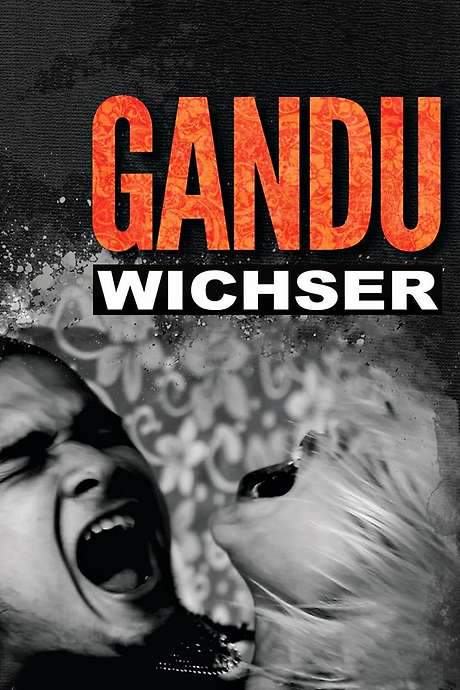
Gandu is a disquieting portrait of a frustrated teenage rapper navigating life in Kolkata. The film follows a young, unnamed protagonist known to others as Gandu, a figure who channels his restlessness into Bengali rap while wrestling with a painful sense of isolation. His mother, who seems to keep the family afloat through the affection of her lover, Gandu's mother, shares a fraught, openly intimate dynamic with the same man, Dasbabu, played by Dasbabu. We see Gandu’s world through a raw, uncompromising lens: his mother and Dasbabu’s relationship unfolds in graphic scenes that pull Gandu into a complex web of longing, resentment, and survival. Gandu himself becomes a thief of sorts, slipping into their room to steal money from Dasbabu’s wallet, money he uses to buy drugs and to fuel late-night gaming at Dasbabu’s Internet Café. He tries to hide the wavering emotions tied to these acts from his mother, even as the theft gnaws at him.
His life is punctuated by a harsh social reception. With a nearly shaved head and a penchant for drugs and rhymes, Gandu becomes a target for ridicule among his peers, who mock him as “Egghead Gandu.” Loneliness laces his days, but that void begins to shift when he literally collides with Ricksha, a cycle rickshaw driver who delivers a shocking slap and a bizarre, kung-fu display that leaves Gandu rattled. That confrontation lingers in Gandu’s imagination, and he dreams of Ricksha in a close, almost-naked embrace—a dream that reveals a craving for connection beyond the blistering street-life rhythm he raps.
A pivotal moment comes when Gandu’s mother catches him in the act of stealing and, instead of punishing him harshly, hides him from Dasbabu and laughs in complicity. The moment fractures Gandu’s already fragile nerves, and he lashes out with a curse as his mother knocks on the door, leaving him to face the consequences of his double life. Desperate to escape, Gandu pleads with Ricksha to take him away, and the two of them embark on a drug-fueled odyssey after consuming Dhatura seeds. The ensuing trip is hallucinogenic and intense, leaving them broke when they finally come to; in a striking, meta-fictional turn, the director director Q drives into the scene, and Ricksha explains to Gandu that he is a character within a movie being shot by Q. The moment blurs the line between reality and cinema and forces Gandu to confront his own existence as a figure in a film.
Back in Kolkata, Gandu experiences a surprising windfall: he wins the Bhutan State lottery, a prize of fifty thousand rupees. He shares a portion with his mother, then spirals into a crack binge with Ricksha. The pair’s dynamic exposes a deeper ache: Ricksha challenges Gandu about never having slept with a woman despite rapping about sex, the tension between fantasy and reality pressing harder than ever. The plot crescendos in a stark, explicit encounter with Kaali — the hooker who meows through the act and, at the end, whispers “demo” to him. This moment marks a turning point as Gandu returns to Ricksha, intent on recording a proper rap demo to showcase to the Asian Dub Foundation.
The film closes on an ambiguous yet hopeful note: Gandu begins to imagine a future where his music might reach a wider audience, and he contemplates the deeper meaning of life and what to do with it. The story remains focused on Gandu’s perseverance amid chaos, the fragile ties to his mother and her world, and the pull between a life of survival and the dream of artistic achievement. In the end, Gandu stands at the threshold of becoming “successful,” but the questions surrounding his purpose and the price of fame linger, leaving viewers with a stark, lingering impression of a teenager who refuses to be defined by the constraints around him.
> demo