Fear and Loathing in Las Vegas

Fear and Loathing in Las Vegas

JustWatch#4,24034

Year: 1998

Runtime: 118 min

Language: English

Budget: $19M

DramaFantasy

A journalist and his attorney embark on a drug-fueled journey to Las Vegas to cover a motorcycle race. What begins as a professional assignment rapidly spirals into a bizarre and chaotic adventure as they consume a vast array of substances. They encounter a series of increasingly surreal situations and memorable characters, blurring the lines between reality and hallucination, and challenging their perception of the American Dream.

Where to Watch Fear and Loathing in Las Vegas?

Find where to stream, rent, or buy Fear and Loathing in Las Vegas (1998) in the US with current JustWatch availability, up-to-date pricing, and platform listings for subscription, rental, and digital purchase options.

Warning: spoilers below!

Haven’t seen Fear and Loathing in Las Vegas yet? This summary contains major spoilers. Bookmark the page, watch the movie, and come back for the full breakdown. If you're ready, scroll on and relive the story!

Fear and Loathing in Las Vegas (1998) – Full Plot Summary & Ending Explained

Read the complete plot breakdown of Fear and Loathing in Las Vegas (1998), including all key story events, major twists, and the ending explained in detail. Discover what really happened, and what it all means.

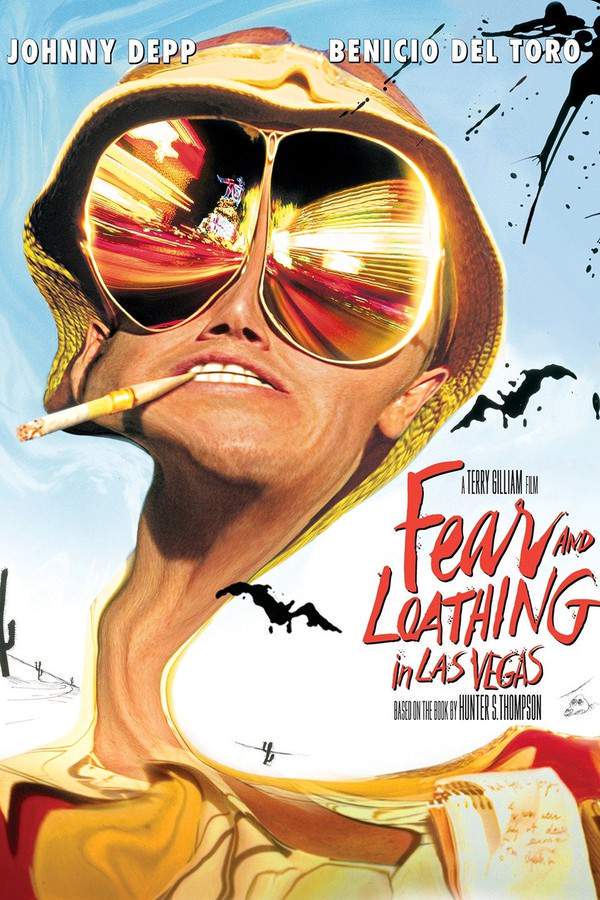
In a blazing fire-apple red convertible, Raoul Duke (Johnny Depp) and Dr. Gonzo (Benicio Del Toro) set off on a wild road trip to Las Vegas, armed with a suitcase full of various drugs. As they cruise through the desert, their sanity begins to unravel, especially when Duke becomes convinced he sees black bats flying above their car. In a moment of panic, he exclaims, “>Holy Jesus, what are these goddamn animals?” After a chaotic driver switch, they delve deeper into their drug-filled adventure.

As they pull over, Duke inspects the trunk and discovers an extensive collection of substances, including marijuana, mescaline, cocaine, and LSD, among others. With an impulsive streak, he indulges in a variety of drugs as they drive off, leaving a dead bat in their wake. Their journey is further complicated when they hear a radio report concerning drug-related deaths among American soldiers, quickly followed by a more upbeat tune that contrasts their dire situation.

The pair picks up a hitchhiker, who is bewildered by their animated, psychedelic antics. Duke attempts to clarify their intentions, describing their mission to cover the Mint 400 race and uncover “the American Dream.” Flashbacks reveal their initial assignment at a luxurious hotel, where they learn of their event coverage and the need to meet their photographer, Lacerda.

As the madness unfolds, Duke and Gonzo engage in philosophical debates about culture while indulging in their frantic lifestyle. They navigate through surreal experiences, like a pedestrian being hit by a Stingray and Duke’s hallucinations turning hotel carpets into living creatures. Each moment is derailed by bizarre encounters, such as their discussion veering into paranoia as they joke about violent scenarios involving drug dealers. When the hitchhiker becomes distressed and jumps out of the car, their lunacy further escalates.

As they arrive in Las Vegas, Duke’s psychedelic trip intensifies. At the Mint 400 press conference, the atmosphere morphs into a nightmarish setting, where the walls swirl and even the hotel’s lobby transform before his eyes. Amid chaotic scenes with lounge lizards and an utterly dysfunctional nightlife, Duke’s grip on reality frays, leading to explosive confrontations.

Throughout the night, Duke and Gonzo grapple with their drug-fueled spirals while confronting the law, strange characters, and their own liabilities. Their antics culminate in they narrowly evading disastrous outcomes, from confrontations with police to hallucinations of Nixon and the looming threat of exposure.

Ultimately, Duke reflects on the downfall of the 60s counterculture, distilling the lust for life and freedom that once defined a generation. As their adventure unfolds, Duke’s drive across the desolate landscape becomes more of an escape from a long-lost ideal—a frenetic chase into obscurity and safety, culminating in the realization that he and Gonzo were “too weird to live, and too rare to die.”

Last updated: November 08, 2024 at 00:50

Was this helpful?

Fear and Loathing in Las Vegas (1998) Plot Questions Answered – Summary FAQ

Explore frequently asked questions about Fear and Loathing in Las Vegas (1998) with spoiler-rich answers covering the full plot summary, major story beats, character motivations, hidden details, and ending meaning. This movie summary FAQ helps explain confusing scenes, plot twists, and narrative decisions in clear, searchable detail.

Q1

Why does Raoul Duke see black bats flying above the car in the desert?

A.

Duke's perception of black bats is his first major hallucination triggered by drug use. As they drive through the desert consuming substances, Duke's mind begins to unravel and he becomes convinced he sees bats swooping above the convertible. This moment marks the beginning of his complete disconnect from reality, establishing the film's central premise of blurring lines between drug-induced hallucinations and actual events.

hallucinationbatsdrugsdesertpsychosis
Q2

Why does the hitchhiker jump out of the car?

A.

The hitchhiker becomes terrified by Duke and Gonzo's erratic, psychedelic behavior. As the drugs take hold, their actions become increasingly bizarre and unpredictable, joking about violent scenarios involving drug dealers and engaging in frantic philosophical debates. Unable to comprehend or tolerate their madness, the hitchhiker flees the moving vehicle in fear.

Earlier, Duke describes their mission as an attempt to uncover 'the American Dream,' hinting at the ideological chaos that disturbs the hitchhiker.

hitchhikerescapefearbehavior
Q3

What is the Mint 400 race that Duke and Gonzo are covering?

A.

The Mint 400 is a major off-road motorcycle race in Las Vegas that serves as the professional assignment driving the duo's journey. They were sent by a magazine to cover this event and meet their photographer Lacerda. However, their drug-fueled adventure quickly derails their journalistic mission, and they become too consumed by their chaotic odyssey to fulfill their professional duties.

The opening scene establishes their intent to cover the race, which becomes increasingly irrelevant as their drug consumption spirals.

mint 400motorcycle raceassignmentjournalism
Q4

What does the ending mean when Duke says they were 'too weird to live, and too rare to die'?

A.

This final realization encapsulates Duke's reflection on the collapse of the 1960s counterculture movement. The phrase suggests they existed outside conventional society, too unconventional and self-destructive to function normally, yet somehow surviving their dangerous lifestyle. It represents both a critique of the counterculture's dissolution and a melancholic acknowledgment of their own outsider status in American society.

Throughout the journey, Duke reflects on the downfall of the 60s counterculture, connecting their chaotic escapade to the broader loss of idealism and freedom.

countercultureendingquoteexistential
Q5

What happened to the photographer Lacerda?

A.

Lacerda is mentioned as the photographer Duke and Gonzo are supposed to meet in Las Vegas for their assignment covering the Mint 400. However, as their drug-fueled adventure spirals out of control, they never actually connect with him. The character represents their failed journalistic endeavor and serves as a reminder of the professional obligations they completely abandon amid their chaotic journey.

The initial assignment at the luxury hotel establishes the need to meet Lacerda, which becomes another goal that gets lost in their madness.

lacerdaphotographerassignmentmissed
Q6

Why do Duke and Gonzo keep taking more drugs despite the escalating chaos?

A.

Their compulsive drug use stems from both addiction and a desperate attempt to maintain their altered state of consciousness. The substances have become intertwined with their identity and their search for meaning. As the film progresses, they cannot stop without confronting the void beneath their escapism, the collapse of the counterculture dream they once believed in.

The extensive collection in the trunk (marijuana, mescaline, cocaine, LSD) establishes their commitment to relentless consumption from the start.

addictiondrugscompulsionescape
Q7

How much of the movie is real versus hallucination?

A.

The film deliberately blurs reality with drug-induced perception, making it impossible to distinguish objective events from subjective hallucinations. Some elements like the bat sighting, hotel carpet creatures, and Nixon hallucination are clearly Duke's psychedelic visions. Others like the Mint 400 press conference, police encounters, and surreal Vegas nightlife exist in a ambiguous middle ground. This ambiguity is intentional, reflecting the characters' fractured consciousness.

The opening establishes Duke's unreliable narration from the first moment he sees bats that may not exist.

hallucinationrealityperceptionsurreal
Q8

What is the film's message about the American Dream?

A.

The film presents a scathing critique of the American Dream through Duke and Gonzo's futile journey. Their quest to uncover the American Dream in Las Vegas, an icon of American excess, becomes a descent into chaos and disillusionment. The contrast between the hopeful counterculture ideals of the 1960s and the hollow, drug-addled reality of the characters' journey represents the death of those ideals.

Duke explicitly states their mission is to cover the Mint 400 and uncover 'the American Dream,' setting up the thematic conflict.

american dreamcounterculturecritiquevegas
Q9

Why does Duke hallucinate seeing Nixon during the Las Vegas sequences?

A.

Nixon appears as a hallucination representing the corrupt political establishment Duke associates with the failure of American ideals. As a symbol of the political betrayal of the 1960s counterculture movement, Nixon's presence in the psychedelic nightmare sequences underscores the film's themes of political disillusionment and the dark underbelly of American power.

The earlier radio reports about drug-related deaths among American soldiers establish the political context that feeds into this hallucination.

nixonhallucinationpoliticsconspiracy
Q10

What is the scene where hotel carpets become living creatures about?

A.

Duke's hallucination of hotel carpets transforming into living creatures represents one of many drug-induced distortions of ordinary objects. This scene exemplifies the film's central technique of making the mundane surreal, reflecting how substances alter perception. The hotel setting itself, typically ordinary, becomes a nightmarish landscape, mirroring Duke's complete disconnection from any stable reality.

The escalation of hallucinations begins with the bat sighting in the desert, gradually intensifying as they consume more substances.

hallucinationhotelcarpetsurreal
Q11

What is the significance of the pedestrian being hit by a Stingray?

A.

This bizarre roadside encounter represents another moment where reality becomes indistinguishable from hallucination. Whether actually witnessed or part of Duke's drug-addled perception, the Stingray incident further demonstrates how the characters' journey is marked by chaotic, unexpected violence that blurs the line between accident and surreal fantasy.

The hitchhiker's earlier distress and departure foreshadows the escalating violence and bizarre encounters to come.

stingrayaccidentroadviolence
Q12

What motivates Dr. Gonzo's behavior throughout the movie?

A.

Dr. Gonzo serves as Duke's enabler and mirror, matching and sometimes amplifying Duke's increasingly extreme behavior. His motivations mirror Duke's: escapism through drugs, rejection of conventional society, and a desperate attempt to escape existential emptiness. Gonzo represents the darker aspects of the counterculture, self-destruction masked as freedom, and his presence intensifies Duke's descent.

The opening establishes their partnership as they embark together, with Gonzo equally prepared for the drug-filled journey.

gonzomotivationenablercharacter
Mobile App Preview

Coming soon on iOS and Android

The Plot Explained Mobile App

From blockbusters to hidden gems - dive into movie stories anytime, anywhere. Save your favorites, discover plots faster, and never miss a twist again.

Sign up to be the first to know when we launch. Your email stays private, always.

Explore Movie Threads

Discover curated groups of movies connected by mood, themes, and story style. Browse collections built around emotion, atmosphere, and narrative focus to easily find films that match what you feel like watching right now.

Psychedelic chaos movies like Fear and Loathing in Las Vegas

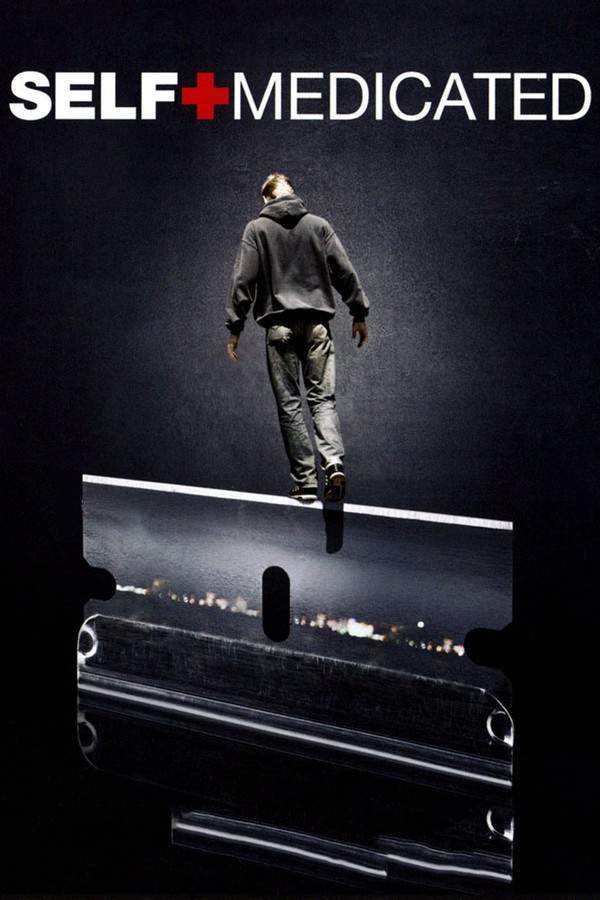
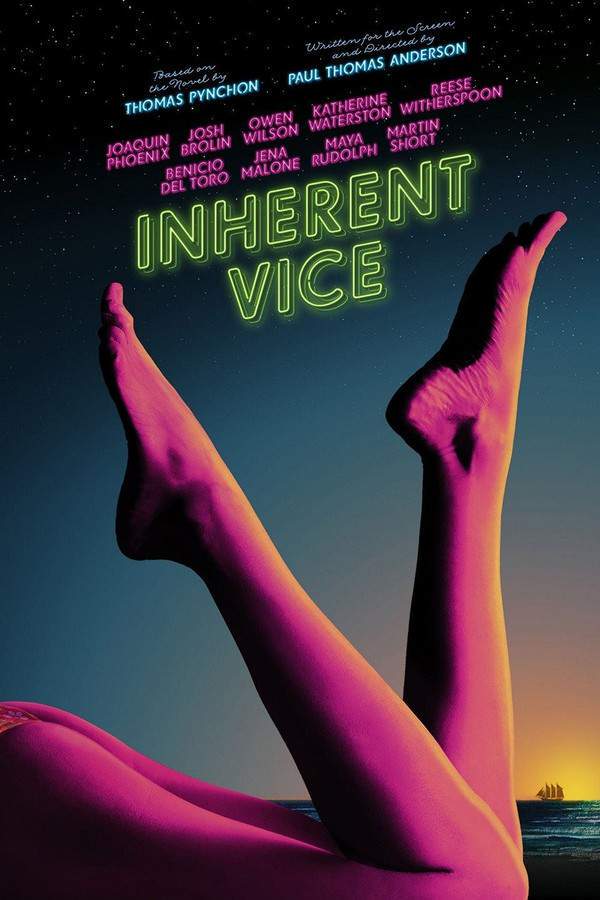
Journeys where reality dissolves through a haze of substance-fueled hallucinations.If you liked the drug-fueled, hallucinatory journey of Fear and Loathing in Las Vegas, explore more movies that dive into psychedelic chaos. These films feature characters on a disorienting trip, blurring reality and fantasy with a fast-paced, intense, and often darkly humorous tone. Discover similar stories of surreal adventures and altered states.

psychedelicfreneticdisorientingsurrealparanoidhedonisticabsurdapocalyptic

Narrative Summary

The narrative typically follows a character or duo on a bender, where a simple premise rapidly spirals into a series of increasingly bizarre and uncontrollable events. The plot structure is often non-linear, mimicking the fragmented nature of a hallucinogenic experience. The journey is less about a traditional goal and more about the surreal, often apocalyptic, descent into a personal rabbit hole.

Why These Movies?

Movies are grouped here for their shared commitment to replicating a psychedelic, disorienting vibe. They connect through a fast, chaotic pacing, high intensity, and a dark tone that uses absurd humor to explore heavy themes like addiction and the collapse of reality.

Gonzo critique stories similar to Fear and Loathing in Las Vegas

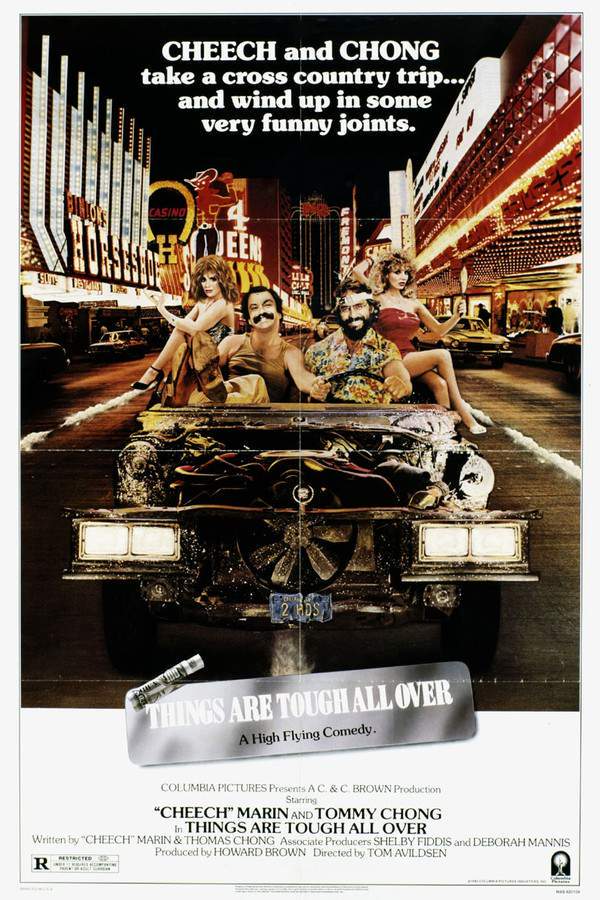
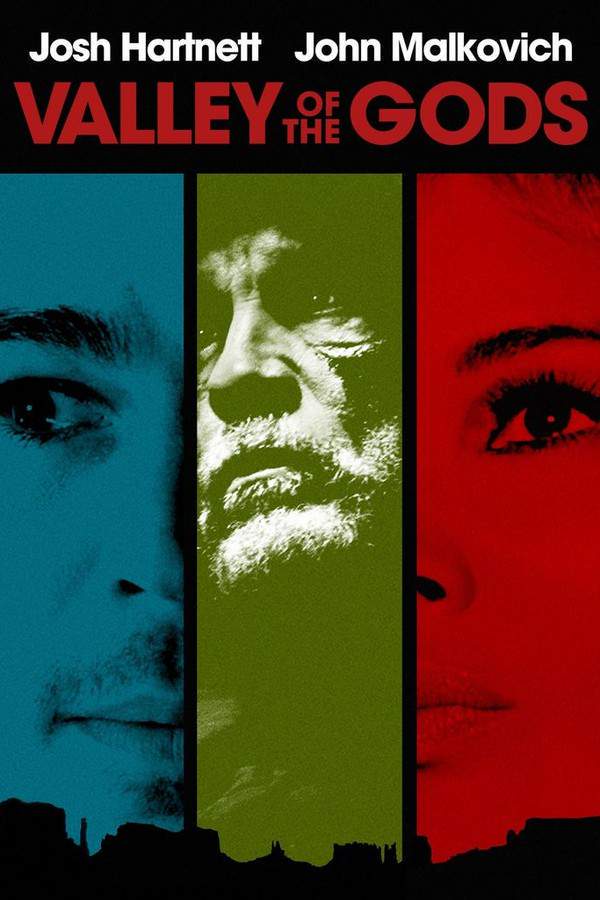
Unconventional stories that use chaotic adventures to dissect society's failures.For viewers who enjoyed the countercultural satire and gonzo journalism style of Fear and Loathing in Las Vegas, this list features movies with similar narrative approaches. These films use chaotic, character-driven journeys to provide a darkly humorous and reflective critique of society. Find more movies that blend adventure with heavy social commentary.

reflectivehedonisticsatiricalabsurdapocalypticcriticalfreneticbittersweet

Narrative Summary

The plot follows a journalist, writer, or anti-hero on an assignment or personal quest that becomes an excuse for a wild, rule-breaking exploration. The real story is not the nominal goal but the acidic observations and symbolic encounters along the way. The arc often ends on a note of melancholic reflection, a bittersweet acknowledgment that the rebellion was thrilling but ultimately futile against larger societal forces.

Why These Movies?

These films are connected by their shared narrative voice—a gonzo, first-person perspective—and their thematic focus on using personal excess and chaos to critique mainstream culture. They blend fast pacing and dark humor with a heavy emotional weight and a complex, reflective structure.

Unlock the Full Story of Fear and Loathing in Las Vegas

Don't stop at just watching - explore Fear and Loathing in Las Vegas in full detail. From the complete plot summary and scene-by-scene timeline to character breakdowns, thematic analysis, and a deep dive into the ending - every page helps you truly understand what Fear and Loathing in Las Vegas is all about. Plus, discover what's next after the movie.

Fear and Loathing in Las Vegas Timeline

Track the full timeline of Fear and Loathing in Las Vegas with every major event arranged chronologically. Perfect for decoding non-linear storytelling, flashbacks, or parallel narratives with a clear scene-by-scene breakdown.

Fear and Loathing in Las Vegas Timeline

Characters, Settings & Themes in Fear and Loathing in Las Vegas

Discover the characters, locations, and core themes that shape Fear and Loathing in Las Vegas. Get insights into symbolic elements, setting significance, and deeper narrative meaning - ideal for thematic analysis and movie breakdowns.

Characters, Settings & Themes in Fear and Loathing in Las Vegas

Fear and Loathing in Las Vegas Spoiler-Free Summary

Get a quick, spoiler-free overview of Fear and Loathing in Las Vegas that covers the main plot points and key details without revealing any major twists or spoilers. Perfect for those who want to know what to expect before diving in.

Fear and Loathing in Las Vegas Spoiler-Free Summary

More About Fear and Loathing in Las Vegas

Visit What's After the Movie to explore more about Fear and Loathing in Las Vegas: box office results, cast and crew info, production details, post-credit scenes, and external links - all in one place for movie fans and researchers.

More About Fear and Loathing in Las Vegas

Similar Movies to Fear and Loathing in Las Vegas

Discover movies like Fear and Loathing in Las Vegas that share similar genres, themes, and storytelling elements. Whether you’re drawn to the atmosphere, character arcs, or plot structure, these curated recommendations will help you explore more films you’ll love.