





Plot Explained Spoilers guaranteed!
Plot Explained

Browse by genre

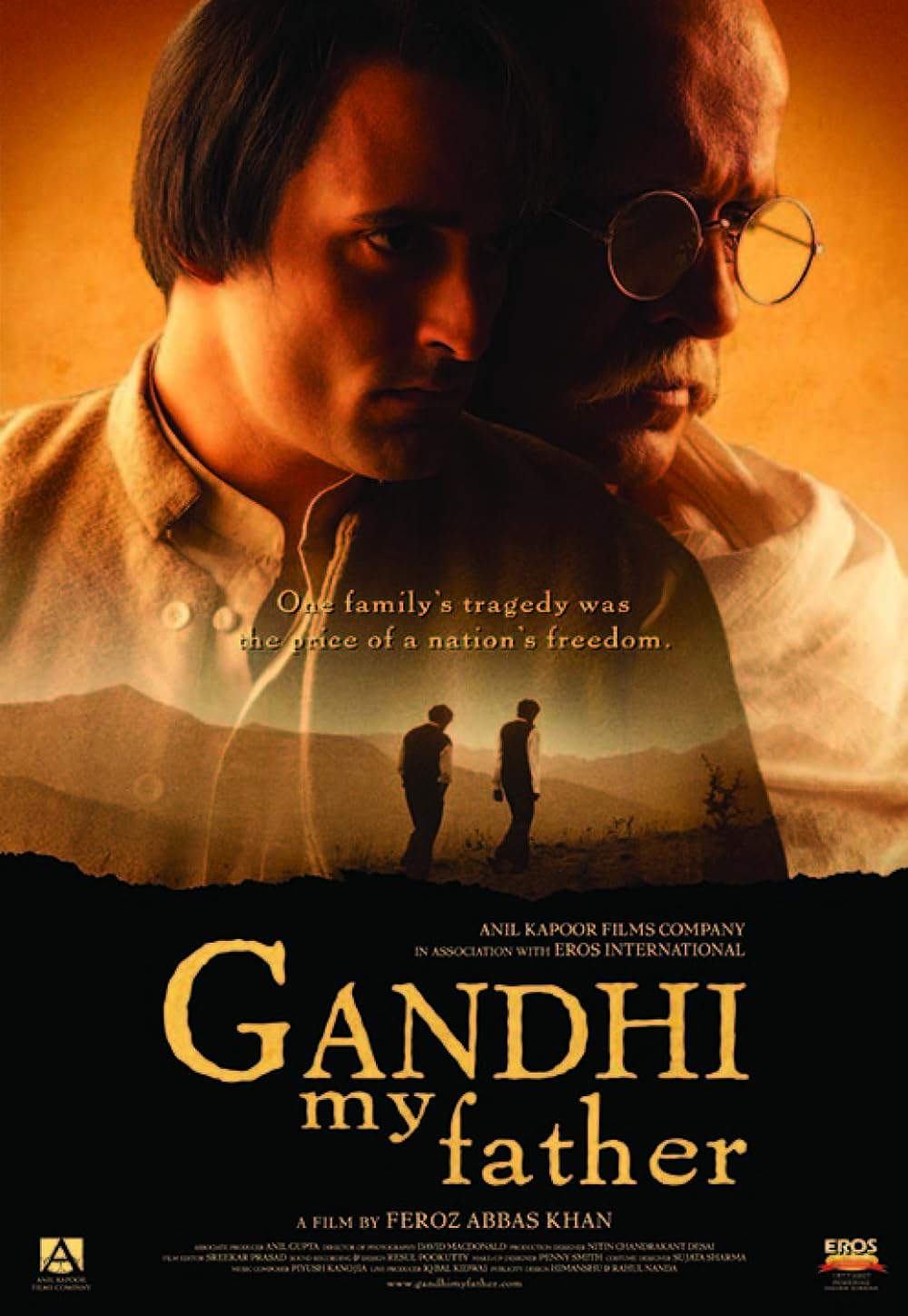
Gandhi, My Father (2007) movie poster

Spoiler-Free Summary

Gandhi, My Father (2007) Spoiler-Free Summary – What It's About

Release, runtime and language
2007 · 136 min · Hindi
Directed by
Feroz Abbas Khan

Harilal Gandhi, son of Mahatma Gandhi, lived a turbulent life marked by rebellion and a desperate search for identity. Rejecting his father's path, he converted to Islam before seeking solace in Hinduism. Battling addiction and struggling to escape the shadow of his father's immense legacy, his journey became a tragic exploration of belonging and the difficulties of forging one's own path. The film portrays the complexities of this relationship and the profound impact of a father's fame.

On this page (7)
  1. 1 Where to watch
  2. 2 What it is about
  3. 3 Is it worth watching?
  4. 4 After you watch
  5. 5 Movie threads
  6. 6 Movies like Gandhi, My Father
  7. 7 Every angle

Where to watch

Where to Watch Gandhi, My Father (2007)

Where can you watch Gandhi, My Father? Stream, rent or buy it in the US, including on Brew, Amazon Video and Google Play Movies: current JustWatch availability with up-to-date prices.

Streaming availability powered by JustWatch

Spoiler-free summary · safe to read

What Is Gandhi, My Father About? (No Spoilers)

The plot of Gandhi, My Father (2007) without spoilers: what it is about, who it follows and where it takes place, told without the twists or the ending. Enough to decide whether it is your next watch, not enough to ruin it.

In the early twentieth‑century crucible of India’s fight for freedom, a quiet, personal battle unfolds behind the grand sweep of history. The film follows Mahatma Gandhi, the iconic leader whose public quest for non‑violent resistance is matched by an intimate, often painful desire to see his own family share his vision. At the heart of this tension is his son, Harilal Gandhi, a young man whose longing for education and a different destiny pulls him inexorably away from his father’s path.

Harilal grows up under the towering shadow of a man revered worldwide, yet his inner world is marked by restless ambition and a yearning for self‑definition. He wrestles with expectations, cultural identity, and the yearning to carve his own place—whether through scholarly pursuits, love, or spiritual searching. The relationship is further colored by Gulab, his steadfast partner, whose presence offers both comfort and a point of contention as the family navigates differing aspirations.

The tone of the story is a measured, lyrical drama that blends the sweeping backdrop of the independence movement with intimate, domestic moments. A muted color palette and deliberate pacing give the film a reflective, almost reverent atmosphere, inviting the audience to feel the weight of legacy as much as the personal grief that accompanies it. The world feels both expansive—filled with protests, colonial oppression, and the stirrings of a nation—and narrowly focused on the quiet rooms where familial expectations clash with individual dreams.

Through its careful character study, the narrative asks how one reconciles the love for a parent who is also a public symbol with the urgent need to discover one’s own voice. The film promises a contemplative look at duty, rebellion, and the fragile ties that bind a family together even as history pulls them apart.

Last updated: August 10, 2025 at 09:35

Was this helpful?

What to expect

Is Gandhi, My Father Worth Watching? What It Feels Like

Is it dark, sad, slow, intense or confusing? The mood of Gandhi, My Father (2007) in a few tags, without a word about how it ends. Each tag opens a list of movies that feel the same.

After you watch

Seen Gandhi, My Father? Now Read the Spoilers

Once you have watched Gandhi, My Father (2007), come back for the full story: the plot summary with spoilers, the timeline in chronological order, the characters and meaning.

Movie threads

More Movies Like Gandhi, My Father, by Mood & Story

Curated lists built around what makes Gandhi, My Father tick: the same mood, the same kind of story or the same emotional payoff. Each list explains why these movies belong together.

Tormented by a Famous Shadow: Dramas like Gandhi, My Father

Stories of children struggling to escape the immense shadow of a legendary parent. If you were moved by the tragic story of Harilal Gandhi in 'Gandhi, My Father', explore more movies about children crushed by the weight of a famous parent's legacy. These films delve into the personal cost of public greatness, featuring characters in desperate searches for identity outside of their family name.

  • tragic
  • oppressive
  • strained
  • melancholic
  • somber
  • despairing
  • Tone: melancholic, tragic
  • Pacing: steady, character-driven
Why these movies?

The story pattern: These narratives typically follow a protagonist whose life is defined by their famous parent's achievements or notoriety. The central conflict is an internal and external struggle for individuality, often manifesting as rebellion, self-destruction, or a desperate attempt to prove themselves, culminating in a poignant examination of filial relationships under extreme pressure.

Why they belong together: Movies are grouped here for their shared focus on the 'curse' of famous parentage. They share a heavy, melancholic tone, a steady pacing that allows for deep character study, and a powerful exploration of themes like legacy, rejection, and the often-impossible task of forging one's own path.

Spirals of Personal Tragedy: Heavy Dramas like Gandhi, My Father

Intimate portraits of a life unraveling due to addiction, grief, and failure. For viewers affected by the devastating personal decline in 'Gandhi, My Father', this section collects similar movies about lives falling apart. These intense, character-driven stories focus on addiction, grief, and repeated failures, creating a somber and immersive viewing experience for those seeking profound emotional dramas.

  • despairing
  • turbulent
  • somber
  • tragic
  • oppressive
  • addiction
  • Tone: melancholic, despairing
  • Pacing: steady, inevitable decline
Why these movies?

The story pattern: The narrative pattern is a linear or chronological descent into tragedy. The story meticulously details a series of misfortunes, poor choices, and compounding losses that the protagonist cannot overcome. The pacing is deliberate, making the viewer a witness to an inevitable collapse, emphasizing the crushing weight of accumulated despair.

Why they belong together: These films are united by their unflinching focus on a character's tragic downfall. They share a high emotional intensity, a heavy weight, a steady pacing that builds a sense of grim inevitability, and a conclusion that is overwhelmingly sad, leaving a lasting impression of human vulnerability.

If you liked this

Movies Like Gandhi, My Father

Similar movies to Gandhi, My Father: the same genre, themes or kind of story. Each one comes with its own plot summary, timeline and ending explained.

Browse all movie summaries

Every angle

Gandhi, My Father (2007) Explained: Plot, Timeline & Characters

Everything about Gandhi, My Father in one place: what happens in the plot summary, the timeline in chronological order, the characters and meaning and a spoiler-free summary. What's After the Movie adds the cast, box office and post-credit scenes.

Coming soon on iOS and Android

The Plot Explained Movie Summary App

Plot summaries, endings explained and timelines on your phone. Catch up on any movie in minutes, save your favorites and never miss a twist again.

Be the first to know when we launch. Your email stays private, always.

Learn more about the app