





Plot Explained Spoilers guaranteed!
Plot Explained

Browse by genre

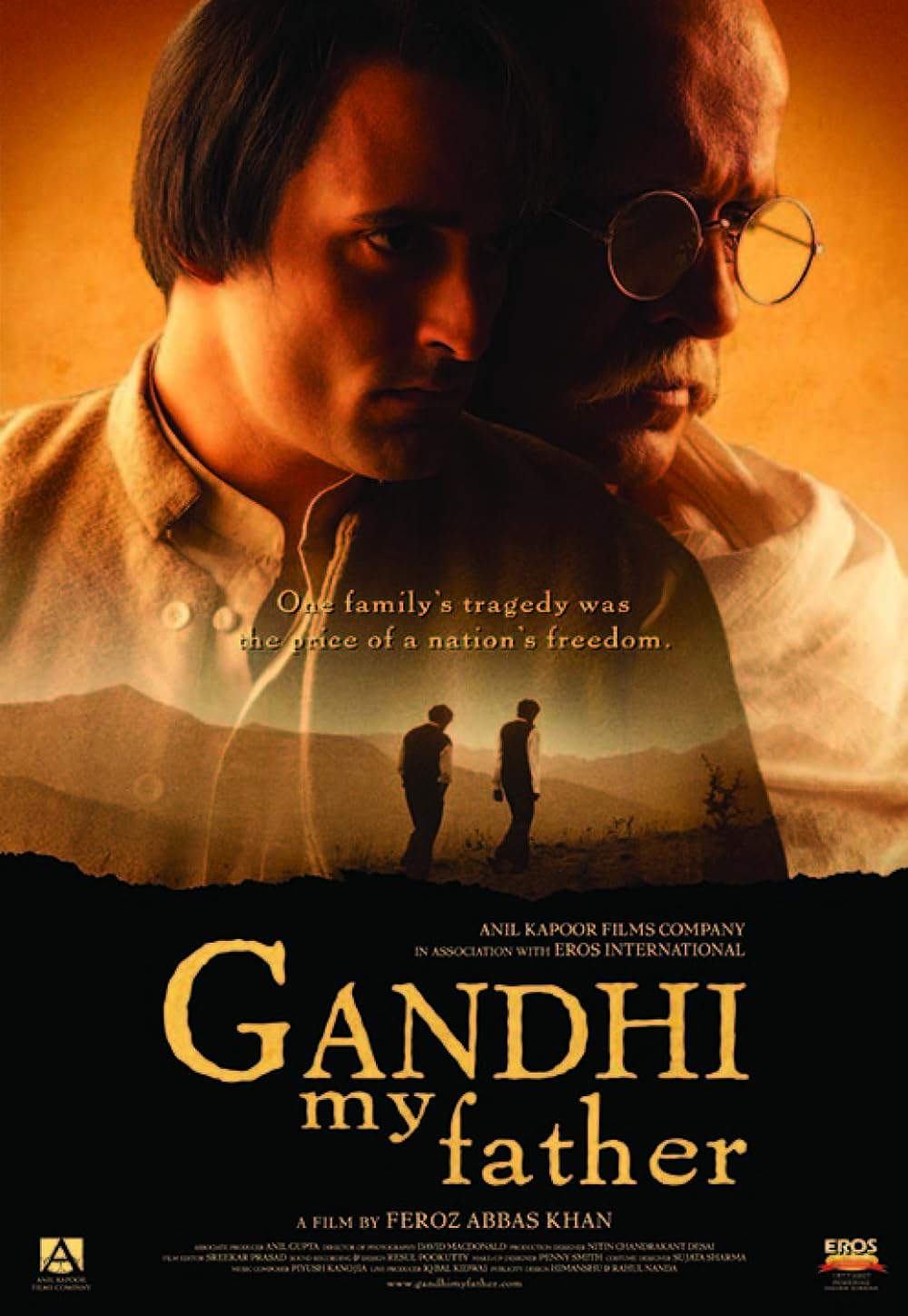
Gandhi, My Father (2007) movie poster

Timeline

Gandhi, My Father (2007) Timeline Explained – Every Event in Order

Release, runtime and language
2007 · 136 min · Hindi
Directed by
Feroz Abbas Khan

Harilal Gandhi, son of Mahatma Gandhi, lived a turbulent life marked by rebellion and a desperate search for identity. Rejecting his father's path, he converted to Islam before seeking solace in Hinduism. Battling addiction and struggling to escape the shadow of his father's immense legacy, his journey became a tragic exploration of belonging and the difficulties of forging one's own path. The film portrays the complexities of this relationship and the profound impact of a father's fame.

On this page (6)
  1. 1 Where to watch
  2. 2 Events in order (15)
  3. 3 Timeline questions answered
  4. 4 Movie threads
  5. 5 Movies like Gandhi, My Father
  6. 6 Every angle

Where to watch

Where to Watch Gandhi, My Father (2007)

Where can you watch Gandhi, My Father? Stream, rent or buy it in the US, including on Brew, Amazon Video and Google Play Movies: current JustWatch availability with up-to-date prices.

Streaming availability powered by JustWatch

15 events in order · contains spoilers

Gandhi, My Father Timeline: Events in Chronological Order

Every key event of Gandhi, My Father (2007) in order, scene by scene, with when and where it takes place. Use it to untangle flashbacks, time jumps and parallel storylines, to refresh your memory before the sequel or to find the exact scene you are thinking of.

  1. Diverging Aspirations

    The story begins with a clear divide between Mahatma Gandhi's ambitions for his son Harilal and Harilal's personal dreams. While Harilal aims to study abroad and become a barrister, Gandhi hopes for him to join the struggle for justice in South Africa.

    When
    Before 1906
  2. Rebellion in Rajkot

    In 1906, Harilal lives in Rajkot and aspires to marry his love, Gulab. When he announces his intention to marry, Gandhi disapproves and rejects him as his son, deepening the rift between them.

    When
    1906
    Where
    Rajkot
  3. Journey to South Africa

    Seeking reconciliation with his father, Harilal travels to South Africa, leaving Gulab behind. Gandhi hopes that Gulab's influence may steer Harilal back towards the values he holds dear.

    Where
    South Africa
  4. Joining the Struggle

    Upon arriving in South Africa, Harilal initially supports his father's fight against apartheid. He stands by Gandhi during his arrest, showcasing a brief moment of unity in their relationship.

    Where
    South Africa
  5. Tension over Education

    As Harilal expresses a desire for formal education, Gandhi dismisses his aspirations, insisting that he remain focused on the anti-apartheid struggle. This decision intensifies the conflict between father and son.

    Where
    South Africa
  6. Sending Family Back

    In a critical decision, Gandhi sends Gulab and Harilal's daughter back to India, further infuriating Harilal. He feels alienated and misunderstood, leading him to reconsider his path away from his father's vision.

  7. Sidelined Aspirations

    When a scholarship opportunity arises, Harilal is overlooked in favor of another candidate, further deepening his feelings of betrayal. This rejection marks a significant emotional turning point for Harilal.

  8. Return to India

    Disillusioned, Harilal abandons his father's ideals and returns to India to reunite with Gulab and their children. However, he struggles to find success in his own right, facing repeated failures in his educational pursuits.

    Where
    India
  9. Financial Despair

    In India, Harilal attempts to gain his diploma but fails repeatedly, leading him into financial trouble and despair. His struggles compound when he cannot get assistance from his father during a critical time.

    When
    1915
    Where
    India
  10. Descent into Crime

    In an attempt to salvage his situation, Harilal takes a job in a Calcutta factory, trading against his father's principles. As desperation grows, he resorts to dishonest means to fund his business, leading to legal troubles.

    Where
    Calcutta
  11. Family Tragedy

    As Harilal's reputation declines, his family suffers greatly. Gulab leaves him with the children, and tragedy strikes when one of their sons dies, exacerbating Harilal's feelings of loss and regret.

  12. Despair and Illness

    In a moment of utter despair following his family's departure, Harilal's health deteriorates. Even as he contemplates reconnecting with his father, he faces the harsh reality of a life overshadowed by his past mistakes.

  13. Attempts at Reconciliation

    Despite initial resistance, Harilal finally considers the possibility of reconnecting with Gandhi. He starts a new job, but his past continues to haunt him, complicating any potential mending of their relationship.

  14. Legacy of Conflict

    As Gandhi becomes embroiled in the Quit India Movement, Harilal grapples with his own legacy and the shadows of his father's fame. Their lives continue to diverge amidst the broader socio-political turmoil of the time.

  15. Tragic Endings

    In January 1948, Gandhi meets a violent end, marking a pivotal moment in history. Harilal, attending the funeral incognito, ultimately dies unnoticed in June 1948, reflecting the personal conflicts that echoed the historical struggles of their era.

    When
    January 1948 and June 18, 1948

Last updated: October 25, 2024 at 10:18

Was this helpful?

Timeline questions answered

Gandhi, My Father Timeline Explained: Your Questions Answered

When does it happen, and why in that order? The questions people ask about the chronology of Gandhi, My Father (2007): time jumps, flashbacks, cause and effect between scenes and the correct order of events, each answered with spoilers.

Q1

Why did Gandhi oppose Harilal's marriage to Gulab?

Gandhi disapproved of the marriage because he had bigger plans for Harilal. He wanted his son to join him in South Africa to fight against apartheid and pursue the cause of justice rather than pursue a personal life. When Harilal announced his intention to marry Gulab, Gandhi responded by saying he would no longer recognize Harilal as his son, prioritizing his vision of Harilal joining the struggle over his son's personal happiness.

  • gandhi
  • gulab
  • marriage
  • rejection
  • harilal
Q2

Why did Gandhi refuse to support Harilal's desire for formal education?

Gandhi believed that formal education would distract Harilal from the more important fight against apartheid in South Africa. When a friend created a scholarship opportunity for Harilal, Gandhi dismissed it and insisted his son remain committed to the cause. This reflected Gandhi's broader belief that political activism should take precedence over personal advancement, even when it meant denying his own son's aspirations.

  • education
  • scholarship
  • gandhi
  • harilal
  • rejection
Q3

Why did Gandhi send Gulab and Harilal's daughter back to India?

Gandhi sent Gulab and their daughter back to India as a strategic move hoping that Gulab's presence would inspire Harilal to change his priorities and commit fully to the anti-apartheid struggle. Gandhi believed that family ties were detracting from Harilal's dedication to the cause. However, this decision only deepened Harilal's resentment, as he saw it as another instance of his father controlling his life and alienating him from his family.

  • gulab
  • india
  • family
  • separation
  • gandhi
Q4

Why was Harilal passed over for the scholarship?

When a scholarship opportunity arose that could have enabled Harilal to pursue his dream of formal education, Gandhi chose to support another candidate instead of his own son. Gandhi prioritized other students for the scholarship, further sidelining Harilal's ambitions. This rejection marked a significant emotional turning point for Harilal, who already felt betrayed and disillusioned by his father's repeated dismissal of his personal goals.

  • scholarship
  • rejection
  • education
  • harilal
  • gandhi
Q5

Why did Harilal resort to dishonest business practices?

After returning to India, Harilal failed repeatedly in his attempts to complete his education and achieve financial stability. When his father refused to help him during a time of desperate need in 1915, Harilal took a job in a Calcutta factory trading foreign goods, the very goods Gandhi protested against. As his financial desperation grew, he resorted to dishonest means to fund his business, which led to a criminal case initiated by one of Gandhi's friends, further tarnishing both his and his father's reputation.

  • crime
  • dishonesty
  • calcutta
  • business
  • harilal
Q6

Why did Gandhi refuse to help Harilal when he asked for assistance in 1915?

When Harilal sought his father's help in 1915 after failing to gain his diploma and falling into financial despair, Gandhi refused to intervene. This refusal reflected Gandhi's principle of not using his influence to benefit family members, but it devastated Harilal. The rejection symbolized for Harilal that his father's political principles mattered more than his own son's survival, deepening his sense of abandonment and driving him further away from Gandhi's values.

  • rejection
  • 1915
  • financial-help
  • gandhi
  • harilal
Q7

Why did Harilal convert to Christianity?

After being arrested for deception using the Gandhi name and falling deeper into debt and despair, Harilal sought solace in Christianity. This conversion represented his final attempt to find belonging and meaning after being rejected by his father's Hindu traditions, failing in his own pursuits, and being exploited by those who targeted him because of his famous surname. His shift in faith was another act of rebellion against everything Gandhi represented.

  • conversion
  • christianity
  • religion
  • harilal
  • despair
Q8

Why did Harilal attend Gandhi's funeral in secret?

When Gandhi was assassinated in January 1948, Harilal attended the funeral incognito, trying to escape his entangled legacy. He remained hidden because his life had become a shameful contrast to his father's illustrious reputation, Harilal had been arrested, had converted to Christianity, and had lived in obscurity. He could not publicly claim his place as Gandhi's son given how far he had fallen from his father's ideals.

  • funeral
  • incognito
  • assassination
  • 1948
  • harilal
Q9

Why did Gulab leave Harilal?

Gulab left Harilal because his reputation had deteriorated severely due to his dishonest business practices and the criminal case against him. As Harilal's situation worsened and his name became tarnished by association with his father's enemies, Gulab could no longer sustain the family. The departure marked another devastating loss in Harilal's life, following the death of one of their sons.

  • gulab
  • leaving
  • family
  • children
  • harilal
Q10

Why did Harilal work in a factory trading foreign goods?

Desperate for employment after failing to complete his education and being rejected by his father, Harilal took a job in a Calcutta factory. Significantly, he traded the very foreign goods that Gandhi campaigned against, foreign textiles and products. This was both a practical necessity and an act of subconscious rebellion against his father's principles, choosing economic survival over ideological consistency.

  • calcutta
  • factory
  • foreign-goods
  • trade
  • harilal
Q11

What triggered the final break between Gandhi and Harilal?

The final break resulted from a cumulative pattern of rejections: Gandhi disapproved of Harilal's marriage, dismissed his education aspirations, sent his wife and daughter away, overlooked him for a scholarship, and refused to help him in 1915 when he was in desperate need. Each rejection reinforced Harilal's belief that his father's political mission mattered more than his own son, ultimately driving Harilal to abandon Gandhi's vision entirely and forge his own doomed path.

  • rift
  • break
  • conflict
  • father-son
  • rejection
Q12

What happened to Harilal's son?

One of Harilal and Gulab's sons died, adding to the tragedies in Harilal's life. This loss occurred during the period when Harilal's reputation was declining due to his dishonest business practices and legal troubles. The death of their child, combined with Gulab eventually leaving and later dying before Harilal could say goodbye, represents the personal devastation that plagued Harilal throughout his struggles.

  • son
  • death
  • children
  • gulab
  • harilal

Movie threads

More Movies Like Gandhi, My Father, by Mood & Story

Curated lists built around what makes Gandhi, My Father tick: the same mood, the same kind of story or the same emotional payoff. Each list explains why these movies belong together.

Tormented by a Famous Shadow: Dramas like Gandhi, My Father

Stories of children struggling to escape the immense shadow of a legendary parent. If you were moved by the tragic story of Harilal Gandhi in 'Gandhi, My Father', explore more movies about children crushed by the weight of a famous parent's legacy. These films delve into the personal cost of public greatness, featuring characters in desperate searches for identity outside of their family name.

  • tragic
  • oppressive
  • strained
  • melancholic
  • somber
  • despairing
  • Tone: melancholic, tragic
  • Pacing: steady, character-driven
Why these movies?

The story pattern: These narratives typically follow a protagonist whose life is defined by their famous parent's achievements or notoriety. The central conflict is an internal and external struggle for individuality, often manifesting as rebellion, self-destruction, or a desperate attempt to prove themselves, culminating in a poignant examination of filial relationships under extreme pressure.

Why they belong together: Movies are grouped here for their shared focus on the 'curse' of famous parentage. They share a heavy, melancholic tone, a steady pacing that allows for deep character study, and a powerful exploration of themes like legacy, rejection, and the often-impossible task of forging one's own path.

Spirals of Personal Tragedy: Heavy Dramas like Gandhi, My Father

Intimate portraits of a life unraveling due to addiction, grief, and failure. For viewers affected by the devastating personal decline in 'Gandhi, My Father', this section collects similar movies about lives falling apart. These intense, character-driven stories focus on addiction, grief, and repeated failures, creating a somber and immersive viewing experience for those seeking profound emotional dramas.

  • despairing
  • turbulent
  • somber
  • tragic
  • oppressive
  • addiction
  • Tone: melancholic, despairing
  • Pacing: steady, inevitable decline
Why these movies?

The story pattern: The narrative pattern is a linear or chronological descent into tragedy. The story meticulously details a series of misfortunes, poor choices, and compounding losses that the protagonist cannot overcome. The pacing is deliberate, making the viewer a witness to an inevitable collapse, emphasizing the crushing weight of accumulated despair.

Why they belong together: These films are united by their unflinching focus on a character's tragic downfall. They share a high emotional intensity, a heavy weight, a steady pacing that builds a sense of grim inevitability, and a conclusion that is overwhelmingly sad, leaving a lasting impression of human vulnerability.

If you liked this

Movies Like Gandhi, My Father

Similar movies to Gandhi, My Father: the same genre, themes or kind of story. Each one comes with its own plot summary, timeline and ending explained.

Browse all movie summaries

Every angle

Gandhi, My Father (2007) Explained: Plot, Timeline & Characters

Everything about Gandhi, My Father in one place: what happens in the plot summary, the timeline in chronological order, the characters and meaning and a spoiler-free summary. What's After the Movie adds the cast, box office and post-credit scenes.

Coming soon on iOS and Android

The Plot Explained Movie Summary App

Plot summaries, endings explained and timelines on your phone. Catch up on any movie in minutes, save your favorites and never miss a twist again.

Be the first to know when we launch. Your email stays private, always.

Learn more about the app