Plot Explained Spoilers guaranteed!
Plot Explained

Browse by genre

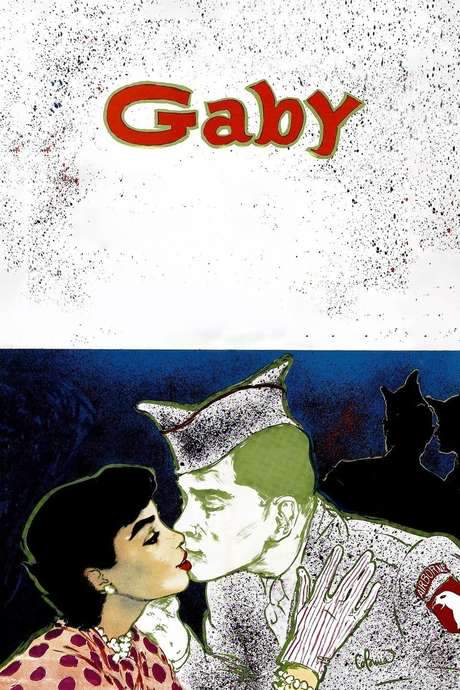
Gaby (1956) movie poster

Plot Summary

Gaby (1956) Plot Summary Explained

Release, runtime and language
1956 · 96 mins · English
Loading streaming availability…
Directed by
Curtis Bernhardt
Starring
Cedric Hardwicke, Ian Wolfe, Leslie Caron, Margalo Gillmore, John Kerr, Taina Elg

Set in London near the end of World War II, a French ballerina meets an American paratrooper on a brief two‑day leave. Their fleeting encounter blossoms into an intense love story that captures the depth and urgency of romance amid the uncertainty of war.

On this page (6)
  1. 1 Where to watch
  2. 2 What happens: full plot
  3. 3 Plot questions answered
  4. 4 Movie threads
  5. 5 Movies like Gaby
  6. 6 Every angle
Loading streaming availability…

Full plot summary · contains spoilers

What Happens in Gaby: Full Plot Summary

The whole story of Gaby (1956) explained, from the opening scene to the final frame: every key event, every twist and what it all adds up to. Read it as a quick recap before the sequel, to check a scene you missed, or to finally understand what really happened.

In war-torn 1944 London, Gaby, a gifted ballet dancer, crosses paths with the dashing corporal Gregory Y. Wendell as she hurries to catch a bus. He is instantly drawn to her art and presence, and he attends the ballet to see her perform, even as she keeps him at arm’s length. Greg’s relentless charm and persistence slowly break down her defenses, and by the end of that day, she agrees to marry him, daring to imagine a life beyond the war’s shadow.

Before the knot can be tied, a mountain of red tape and military duty pull them apart. Greg is shipped out for the D-Day invasion, with a promise to marry Gaby upon his return. When a telegram arrives claiming his death, Gaby makes an extreme, painful choice to survive, turning to prostitution—an echo of the plot device used in the 1940 film. Yet the truth of his survival eventually becomes clear, and Greg returns alive, leaving Gaby to contend with the consequences of her actions and the weight of fear and stigma.

On his return, she tells him repeatedly that she cannot marry him, though he cannot grasp the reason behind her refusal. The moment she reveals the truth, his reaction is a long, stunned silence, and she flees into a bombing raid, trying to escape the emotional wreckage of war and guilt.

The chase resumes through the city’s wreckage. Greg pursues first in his father’s car, a gesture linked to Mr. Edgar Carrington, and then on foot through the chaos of blackouts and sirens. In a desperate, climactic moment, he calls out with raw honesty:

> have a heart – I am crippled.

As a V-1 rocket’s engine falters and threatens catastrophe, he drags Gaby into a doorway and saves her life at the last possible moment. His confession follows, spoken with quiet aching resolves:

> If you had died just now, I would never have been able to love anyone else.

Gaby’s lingering questions about how he could love her after the war’s harsh choices meet a steadfast, hopeful answer. He presses on with a simple, piercing line that refuses to pretend away the past:

> Let's forget the terrible things this war made us do.

Last updated: February 24, 2026 at 13:38

Was this helpful?

Plot questions answered

Gaby Plot Explained: Your Questions Answered

The questions people ask most about Gaby (1956): what happens in the confusing scenes, why the characters do what they do, the twists, hidden details and what the ending means. Each answer contains spoilers.

Q1

Why did Gaby agree to marry Greg after just one day?

Gaby was moved by Greg's genuine devotion and persistence. Despite initially keeping him at arm's length, his attendance at her ballet performance and sincere pursuit broke through her defenses. In the uncertain climate of wartime London, where life could change in an instant, she made a bold choice to embrace love and hope for a future beyond the war's shadow.

Foreshadowing: Their quick engagement hints at the urgency wartime lends to romantic decisions, setting up the tragic separation that follows.

  • gaby
  • greg
  • marriage
  • wartime romance
  • ballet dancer
Q2

Why did Gaby turn to prostitution after Greg's death?

When Gaby received the telegram claiming Greg was killed in action, she was devastated and desperate to survive in war-torn London. With limited options for a French woman without family or financial support, she made an extreme choice to survive, mirroring the same plot device used in the 1940 film this was based on. The decision was born from desperation rather than desire, and it became a burden she carried silently.

Foreshadowing: The choice-plant echoes the film's title card about wartime survival, suggesting the depths to which circumstances can push people.

  • prostitution
  • survival
  • telegram
  • death
  • wartime london
Q3

Why did Gaby refuse to marry Greg even after he returned alive?

Gaby could not bring herself to marry Greg because she was ashamed of what she had done to survive during his absence. She had become a prostitute while believing him dead, and she felt unworthy of his love. Despite his return, the stigma and guilt from her past actions made her believe she had ruined any chance of a normal life with him.

Foreshadowing: This refusal directly stems from her earlier desperate choice, showing how one decision creates a chain of emotional consequences.

  • gaby
  • greg
  • shame
  • guilt
  • marriage refusal
Q4

What did Greg mean when he said he was "crippled"?

Greg's confession that he was "crippled" refers to emotional rather than physical disability. He meant that losing Gaby would permanently damage his ability to love anyone else, that her loss would leave him emotionally broken. In that desperate moment during the V-1 rocket attack, he revealed how deeply their relationship had affected him and that he could not imagine loving again if she died.

Foreshadowing: This confession comes as a turning point, showing Greg's vulnerability after months of uncertainty and pursuit.

  • greg
  • crippled
  • emotional confession
  • love
  • vulnerability
Q5

What happened during the V-1 rocket scene?

During a V-1 flying bomb attack on London, the engine of one rocket sputtered and failed mid-flight, threatening to crash nearby. Greg pulled Gaby into a doorway just in time, saving her life. This life-or-death moment forced both characters to confront their fears and feelings, leading to Greg's emotional confession about what losing her would mean.

Foreshadowing: The bomb attack mirrors earlier wartime dangers, but this time the threat brings the couple closer rather than driving them apart.

  • v-1 rocket
  • bombing
  • doorway rescue
  • london
  • attack
Q6

Why did Gaby run into the bombing raid after telling Greg the truth?

When Gaby finally revealed that she had become a prostitute during his absence, Greg's long, stunned silence devastated her. Overwhelmed by shame and unable to face his reaction, she fled into the active bombing raid, seeking to escape the emotional pain through physical danger, or perhaps hoping the bombs might end her suffering entirely.

Foreshadowing: Her flight into danger contrasts with Greg's earlier pursuit, showing how the truth shattered her ability to face any outcome.

  • gaby
  • bombing raid
  • flight
  • shame
  • confession
Q7

What was the significance of Greg driving his father's car?

Greg drove his father's car, which belonged to Mr. Edgar Carrington, during the chase to find Gaby after she fled. This detail shows Greg was willing to use family resources and put aside pride to pursue her. The car represents his privileged background contrasting with Gaby's vulnerable situation, and his willingness to involve his father suggests how serious his intentions were.

Foreshadowing: The car chase sets up the desperate pursuit through war-torn London streets that follows.

  • greg
  • father
  • car
  • edgar carrington
  • pursuit
  • chase
Q8

What does the line "Let's forget the terrible things this war made us do" mean?

Greg's line acknowledges that both he and Gaby were forced by wartime circumstances into choices they would not have made in peacetime, his deployment and presumed death drove her to prostitution, while their reunion forced painful truths into the open. By suggesting they forget rather than deny these things, he offers forgiveness and a chance to build a future together despite the past. It represents acceptance rather than erasure of their trauma.

Foreshadowing: This final dialogue encapsulates the film's theme of wartime compromise and the possibility of redemption through love.

  • war
  • trauma
  • forgiveness
  • forget
  • choices
  • redemption
Q9

Did Gaby and Greg end up together at the end of the movie?

The film ends with Greg and Gaby reconciled, choosing to face an uncertain future together. After all the pain, confession, and near-death experience during the V-1 attack, Greg's willingness to accept Gaby's past and move forward offers a hopeful, though fragile, resolution. The ending acknowledges their scars while leaving their fate somewhat open, mirroring the uncertain hope of post-war London.

Foreshadowing: This reconciliation echoes the earlier promise to marry, but now tempered by the reality of what they both endured.

  • ending
  • reconciliation
  • together
  • hope
  • future
  • 1945
Q10

Why was the telegram about Greg's death wrong?

The telegram reporting Greg's death was simply a false report, a common occurrence during the chaos of the D-Day invasion and subsequent fighting. Military communication errors meant families sometimes received incorrect news of casualties. This false report set in motion Gaby's desperate decision and the central tragedy of the film, creating the misunderstanding that drives the story's emotional conflict.

Foreshadowing: The false report mirrors the film's themes of uncertainty and miscommunication that pervade wartime.

  • telegram
  • death
  • false report
  • d-day
  • military
  • error

Movie threads

More Movies Like Gaby, by Mood & Story

Curated lists built around what makes Gaby tick: the same mood, the same kind of story or the same emotional payoff. Each list explains why these movies belong together.

Bittersweet wartime romances like Gaby

Love stories forged in the crucible of war, marked by sacrifice and fleeting joy. If you enjoyed the poignant blend of romance and tragedy in Gaby, you'll find more movies like it here. This collection features love stories set against the backdrop of war, where passion is intensified by urgency and shadowed by loss.

  • romantic
  • tragic
  • hopeful
  • melancholic
  • urgent
  • desperate
  • Tone: bittersweet, melancholic, hopeful
  • Pacing: steady, character-driven
Why these movies?

The story pattern: These narratives typically follow lovers thrust together by the circumstances of war. Their connection is accelerated by the knowledge of imminent separation or danger, facing external conflicts that test their bond through themes of sacrifice, trauma, and the struggle for redemption.

Why they belong together: Movies in this thread share a core emotional tone of bittersweet romance, often with a steady pacing that allows the gravity of the situation to sink in. They blend heavy emotional weight with a poignant, sometimes hopeful, resolution.
Movies with emotional redemption arcs like Gaby

Characters burdened by trauma find a fragile path to healing and reconciliation. Fans of Gaby's story of overcoming trauma and societal stigma will appreciate these films. Discover more movies where characters grapple with grief and loss, ultimately finding a path to redemption and a hopeful new beginning.

  • redemption
  • grief
  • resilient
  • trauma
  • sacrifice
  • hopeful
  • Tone: heavy, tragic, resilient
  • Pacing: steady, deliberate
Why these movies?

The story pattern: The narrative pattern involves a character who has endured a significant loss or made a difficult sacrifice, leading to a period of grief or alienation. The central conflict is internal and emotional, culminating in a resolution where they must choose to accept the past and embrace a chance for a reconciled future.

Why they belong together: These films are grouped by their shared focus on heavy emotional themes like grief, loss, and social stigma, balanced by a core of resilience. They feature straightforward to moderate complexity in plotting, with a steady pace that allows for deep character exploration and a ultimately hopeful, if bittersweet, conclusion.

If you liked this

Movies Like Gaby

Similar movies to Gaby: the same genre, themes or kind of story. Each one comes with its own plot summary, timeline and ending explained.

Browse all movie summaries

Every angle

Gaby (1956) Explained: Plot, Timeline & Characters

Everything about Gaby in one place: what happens in the plot summary, the timeline in chronological order, the characters and meaning and a spoiler-free summary. What's After the Movie adds the cast, box office and post-credit scenes.

Coming soon on iOS and Android

The Plot Explained Movie Summary App

Plot summaries, endings explained and timelines on your phone. Catch up on any movie in minutes, save your favorites and never miss a twist again.

Be the first to know when we launch. Your email stays private, always.

Learn more about the app