Year: 1992
Runtime: 157 min
Language: English
Director: Martin Brest
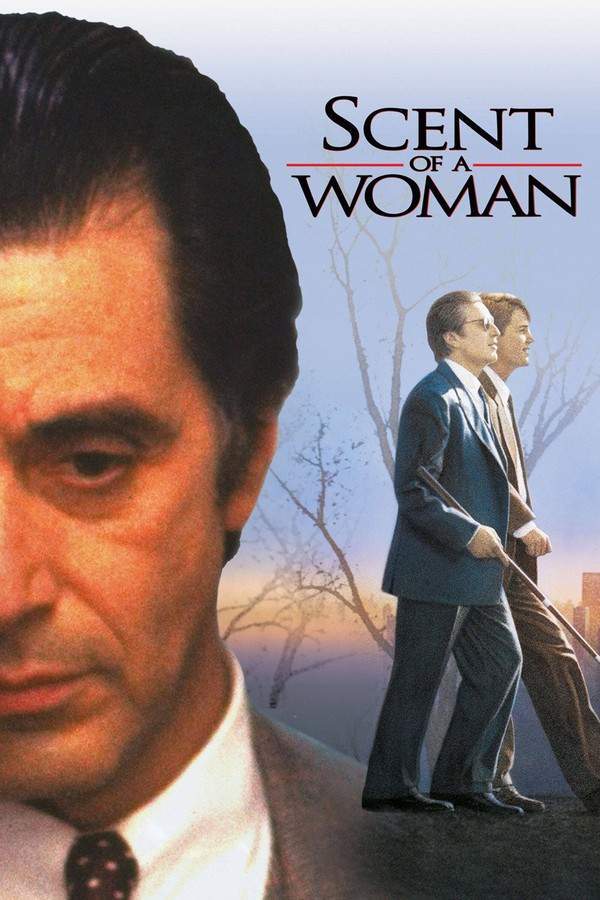
A blind, retired Army officer, known for his sharp temper, hires a young man to be his caretaker over Thanksgiving. The student hopes to earn money for college, but finds himself unexpectedly challenged by his demanding employer. As they experience New York City together, their initial conflict gives way to a complex relationship filled with humor, poignant observations about life, and a shared journey towards understanding and acceptance.
Find where to stream, rent, or buy Scent of a Woman (1992) in the US with current JustWatch availability, up-to-date pricing, and platform listings for subscription, rental, and digital purchase options.
Warning: spoilers below!
Haven’t seen Scent of a Woman yet? This summary contains major spoilers. Bookmark the page, watch the movie, and come back for the full breakdown. If you're ready, scroll on and relive the story!
Read the complete plot breakdown of Scent of a Woman (1992), including all key story events, major twists, and the ending explained in detail. Discover what really happened, and what it all means.
Charlie Simms, portrayed by Chris O'Donnell, finds himself navigating the elite corridors of Baird, an exclusive New England prep school that caters to the affluent. In stark contrast to his classmates, who bask in the privileges of wealth, Charlie hails from a modest background in Oregon where his stepfather and mother jointly manage a grocery store. Winning a Young America merit scholarship is the only reason Charlie is able to attend such a prestigious institution.
As the Thanksgiving holiday approaches, Charlie is faced with a pressing need to fund a flight home for Christmas. In a twist of fate, he takes on a temporary role as a caretaker for the formidable Lieutenant Colonel Frank Slade, played by the legendary Al Pacino. Slade is a decorated Vietnam War veteran who, despite his accolades, now grapples with blindness and alcoholism, living with his niece Karen Rossi and her husband, who require someone to oversee him while they escape for the holiday. Initially, Slade expresses his disdain for Charlie's mere presence, turning the weekend into a test of patience for both.
Frank's existence is steeped in turmoil; he was released from an old-age home not by choice but due to an inability to adapt to the environment, prompting his niece to bring him into her home. As tensions simmer, Charlie finds himself entangled in a web of school politics, particularly after witnessing a devious prank orchestrated by a few classmates against headmaster Trask, which culminates in an ultimatum to Charlie and his friend George Willis Jr., a student struggling with loyalty and peer pressure.
> “The wheels of injustice turn slowly, but they grind exceedingly fine,” reflects the underlying tension throughout the narrative.
As the duo embarks on an unanticipated trip to New York City, Frank’s spontaneous nature shines through. He makes extravagant reservations at upscale establishments, revealing his motives to indulge one last time in life’s pleasures, culminating in a shocking revelation of his intent to end his own life. This revelation catches Charlie off guard; he grapples with the weight of Frank's confession and the implications it carries.
In the City that Never Sleeps, they witness the vibrancy of life juxtaposed against Frank’s internal struggles. A memorable scene unfolds as Slade leads a beautiful woman, Donna, in a tango despite his visual impairment, showcasing his charisma and spirit. However, the evening takes a somber turn when Charlie discovers Frank attempting to don his military dress, preparing for a final goodbye. It is through heartfelt persuasion that Charlie convinces Slade of the value of life, steering him away from the brink of despair.
Upon returning to Baird, the fallout from the holiday prank looms large. Charlie and Willis face a disciplinary committee where secrets will either bind or bind them. Here, in a climactic moment, Slade returns heroically, advocating for Charlie's integrity against the harsh backdrop of peer betrayal. His impassioned plea rattles the room, illuminating themes of loyalty, truth, and personal sacrifice.
Ultimately, the committee delivers a surprising verdict: rather than expulsion, Charlie emerges from the ordeal with his principles intact, leading his peers to erupt in applause. As the school year resumes, Charlie’s newfound bond with Slade transcends the superficial, paving the way for potential new beginnings. Their journey towards understanding and courage, fueled by the most unexpected of friendships, serves as a poignant reminder of what it means to truly live for another day. As they part ways, Charlie witnesses Frank rediscovering joy in the simplest of things, greeting his niece's children with a warmth that was seemingly lost.
Last updated: January 14, 2025 at 19:25
Explore frequently asked questions about Scent of a Woman (1992) with spoiler-rich answers covering the full plot summary, major story beats, character motivations, hidden details, and ending meaning. This movie summary FAQ helps explain confusing scenes, plot twists, and narrative decisions in clear, searchable detail.
Frank Slade is a decorated Vietnam War veteran who lost his sight and has been struggling with alcoholism. He was forced out of an old-age home where he couldn't adapt, forcing his niece Karen to take him in. Living with his niece and her husband as a burden, stripped of his military dignity and independence, Frank sees no purpose in continuing. His trip to New York City is designed as a final indulgence before he commits suicide, believing he has nothing left to live for.
Early in the film, Frank makes elaborate reservations and talks about wanting to experience life's pleasures one last time, hinting at his suicidal intentions.
Charlie witnesses classmates sabotage Headmaster Trask's new Jaguar with a paint bag but refuses to identify them. His refusal stems from a code of loyalty among students, he doesn't want to be seen as a snitch who betts his peers for personal gain. Additionally, Charlie is from a modest background and has worked hard to belong at Baird Prep; betraying his classmates would go against his character and values. This decision threatens his Harvard recommendation and could result in expulsion.
The prank occurs the night before Thanksgiving, creating the central conflict that Charlie must resolve while away with Frank.
Frank returns to Baird Prep to defend Charlie during his disciplinary hearing because Charlie saved his life in New York City. During their weekend together, Charlie talked Frank out of suicide, showing him that his life still had meaning and that he could make a difference. By defending Charlie's integrity and moral character, Frank finds purpose again, he can use his voice and experience to fight for something righteous, which reawakens his will to live while repaying Charlie's compassion.
Charlie convincing Frank that life is worth living directly leads to Frank's desire to reciprocate by saving Charlie's future.
The tango scene demonstrates that despite Frank's blindness, depression, and anger, he still possesses remarkable charisma, skill, and zest for life. When he leads Donna in a passionate tango at the restaurant, it shows his capability to connect with others and experience joy. This moment serves as a contrast to his suicidal despair, it proves he can still find meaning and pleasure in life, making his later suicide attempt even more tragic and highlighting what Charlie saves by talking him out of ending his life.
Frank's ability to dance flawlessly despite his blindness foreshadows his deeper capabilities and spirit that lie beneath his bitter exterior.
Frank was previously living in an old-age home but was released because he couldn't adapt to the institutional environment. As a proud military man accustomed to command and independence, Frank struggled with the loss of autonomy in a structured care setting. His niece Karen brought him to live with her and her husband Donny, though this arrangement is strained by Frank's difficult personality and their inability to properly care for him, which is why they need a caretaker for Thanksgiving.
Frank's inability to function in the old-age home establishes his desperate situation and loss of dignity before Charlie meets him.
The committee decides not to expel Charlie primarily because of Frank Slade's impassioned speech defending Charlie's character. Frank argues that true leadership means standing by one's principles even under pressure, and that Charlie's refusal to snitch demonstrates integrity, not defiance. The committee is moved by Frank's argument that expelling Charlie would punish honesty and reward corruption. The students also erupt in applause, showing their support for Charlie's moral stance.
Frank's speech mirrors his own struggle to choose integrity over an easier path, directly connecting his redemption to Charlie's fate.
Charlie convinces Frank not to commit suicide by appealing to his sense of worth and purpose. When Charlie discovers Frank preparing to end his life in his military dress uniform, he pleads with Frank, arguing that his life still has meaning and that he matters to others. Charlie tells Frank that defending Charlie's integrity at the school would give his life purpose. This appeal to Frank's remaining pride and potential to do good shifts Frank's thinking, leading him to abandon his suicide plan.
Frank's earlier confession about his intention to 'go out in style' catches Charlie off guard, creating the setup for this intervention.
Both Charlie and Frank face decisions about integrity versus self-interest during the same weekend. Charlie must choose between betraying his classmates to secure his Harvard future or maintaining his moral principles. Frank must choose between ending his life or finding purpose. Charlie's decision to prioritize loyalty over personal gain inspires Frank to find meaning by defending Charlie. Simultaneously, Frank's earlier crisis forces Charlie to confront what's truly important, life and integrity over convenience. They save each other through their parallel struggles.
The film's themes of loyalty, truth, and personal sacrifice connect these two storylines throughout the narrative.
Frank decides to visit his brother's home for Thanksgiving dinner as part of his final weekend 'hoorah', a last attempt to reconnect with family before ending his life. The visit is fueled by alcohol and a desire for closure. However, the reunion goes poorly; Frank's bitter demeanor and unresolved issues with his brother lead to conflict, with the evening ending in acrimony. This failed family attempt reinforces Frank's belief that he has no meaningful connections left, pushing him further toward suicide.
The failed Thanksgiving dinner sets up Frank's lowest emotional point, making his suicide attempt in the hotel room feel inevitable.
Frank walks into oncoming traffic on Park Avenue as a desperate attempt to end his life or escape his pain. The previous day has been emotionally taxing, the confrontation with his family at Thanksgiving dinner went badly, and he is consumed by despair. This reckless act symbolizes his internal desperation and desire to escape his circumstances. Charlie quickly pulls him back, reinforcing how close Frank is to suicide and how urgently he needs intervention.
This incident occurs the day after the failed family dinner, showing Frank's escalating suicidal behavior.
The ending shows Frank's transformation from a bitter, suicidal man to someone who has rediscovered joy and hope. When he warmly greets his niece Karen's children with affection and enthusiasm, it demonstrates that he has found a reason to live. This simple act of connection with the children represents his renewal, he is no longer the angry, despondent man who wanted to die. His bond with Charlie gave him purpose, and now he embraces life again, showing the transformative power of their friendship.
Frank's initial coldness toward his niece and her household contrasts sharply with his warm farewell, showing his complete arc.
Headmaster Trask threatens Charlie because he wants to identify the students responsible for destroying his new Jaguar with a paint bag. When Charlie refuses to name the pranksters, Trask uses his power over Charlie's future as leverage, specifically threatening to withdraw his recommendation for Harvard admission. This creates a devastating dilemma for Charlie, who has worked hard to escape his modest background and needs the prestigious recommendation to secure his college future.
The threat occurs immediately after the prank, establishing the central moral conflict Charlie faces throughout the film.
Discover curated groups of movies connected by mood, themes, and story style. Browse collections built around emotion, atmosphere, and narrative focus to easily find films that match what you feel like watching right now.
An unlikely bond forms between a cynical elder and an idealistic youth.If you enjoyed the dynamic between Frank and Charlie in Scent of a Woman, you'll appreciate these movies about cantankerous mentors and their earnest proteges. Discover similar stories of unlikely friendship, tough love, and life-changing wisdom passed between generations.
These narratives typically begin with a clash of personalities, where a stubborn, experienced character is reluctantly paired with a naive newcomer. Through a series of shared experiences, the initial hostility softens into respect, culminating in a pivotal moment where the mentor's guidance helps the protege navigate a major life challenge, often while the protege gives the mentor a new reason to live.
They are grouped by the powerful, character-driven arc of a transformative mentorship. The focus is on the emotional journey from conflict to deep connection, emphasizing themes of redemption, the passing of wisdom, and the unexpected ways people save each other.
Characters weighed down by despair find a path to salvation and hope.Fans of the powerful redemption arc in Scent of a Woman will find similar catharsis in these films. Explore movies about deeply flawed characters finding light in the darkness, where a weekend or a single relationship can change the entire course of a life.
The narrative follows a character in a state of deep crisis, often isolated and self-destructive. An external force, frequently an unexpected companion or a moral dilemma involving a third party, forces them to engage with life again. The climax involves a choice where saving another becomes synonymous with saving themselves, leading to a hard-won but genuine redemption.
These films share a core emotional pattern: a journey from a place of heavy melancholy and potential tragedy toward a hopeful, earned redemption. They balance intense, difficult themes with a payoff that feels emotionally satisfying and cathartic for the viewer.
Don't stop at just watching - explore Scent of a Woman in full detail. From the complete plot summary and scene-by-scene timeline to character breakdowns, thematic analysis, and a deep dive into the ending - every page helps you truly understand what Scent of a Woman is all about. Plus, discover what's next after the movie.
Track the full timeline of Scent of a Woman with every major event arranged chronologically. Perfect for decoding non-linear storytelling, flashbacks, or parallel narratives with a clear scene-by-scene breakdown.
Discover the characters, locations, and core themes that shape Scent of a Woman. Get insights into symbolic elements, setting significance, and deeper narrative meaning - ideal for thematic analysis and movie breakdowns.
Discover movies like Scent of a Woman that share similar genres, themes, and storytelling elements. Whether you’re drawn to the atmosphere, character arcs, or plot structure, these curated recommendations will help you explore more films you’ll love.
Scent of a Woman (1992) Scene-by-Scene Movie Timeline
Scent of a Woman (1992) Movie Characters, Themes & Settings
Scent of a Woman (1992) Spoiler-Free Summary & Key Flow
Movies Like Scent of a Woman – Similar Titles You’ll Enjoy
Woman of Straw (1964) Full Summary & Key Details
Blind Date (1987) Spoiler-Packed Plot Recap
At First Sight (1999) Complete Plot Breakdown
Blind Dating (2006) Full Movie Breakdown
The Scent of Blood (2004) Ending Explained & Film Insights
The Sensation of Sight (2006) Detailed Story Recap
Blind Husbands (1919) Movie Recap & Themes
Scented with Love (2022) Ending Explained & Film Insights
The Blind Woman of Sorrento (1934) Movie Recap & Themes
Woman to Woman (1929) Detailed Story Recap
A Man and a Woman (1966) Full Summary & Key Details
Scent of a Woman (1974) Story Summary & Characters
That Certain Woman (1937) Film Overview & Timeline
The Window (2009) Movie Recap & Themes
Smell (2009) Detailed Story Recap