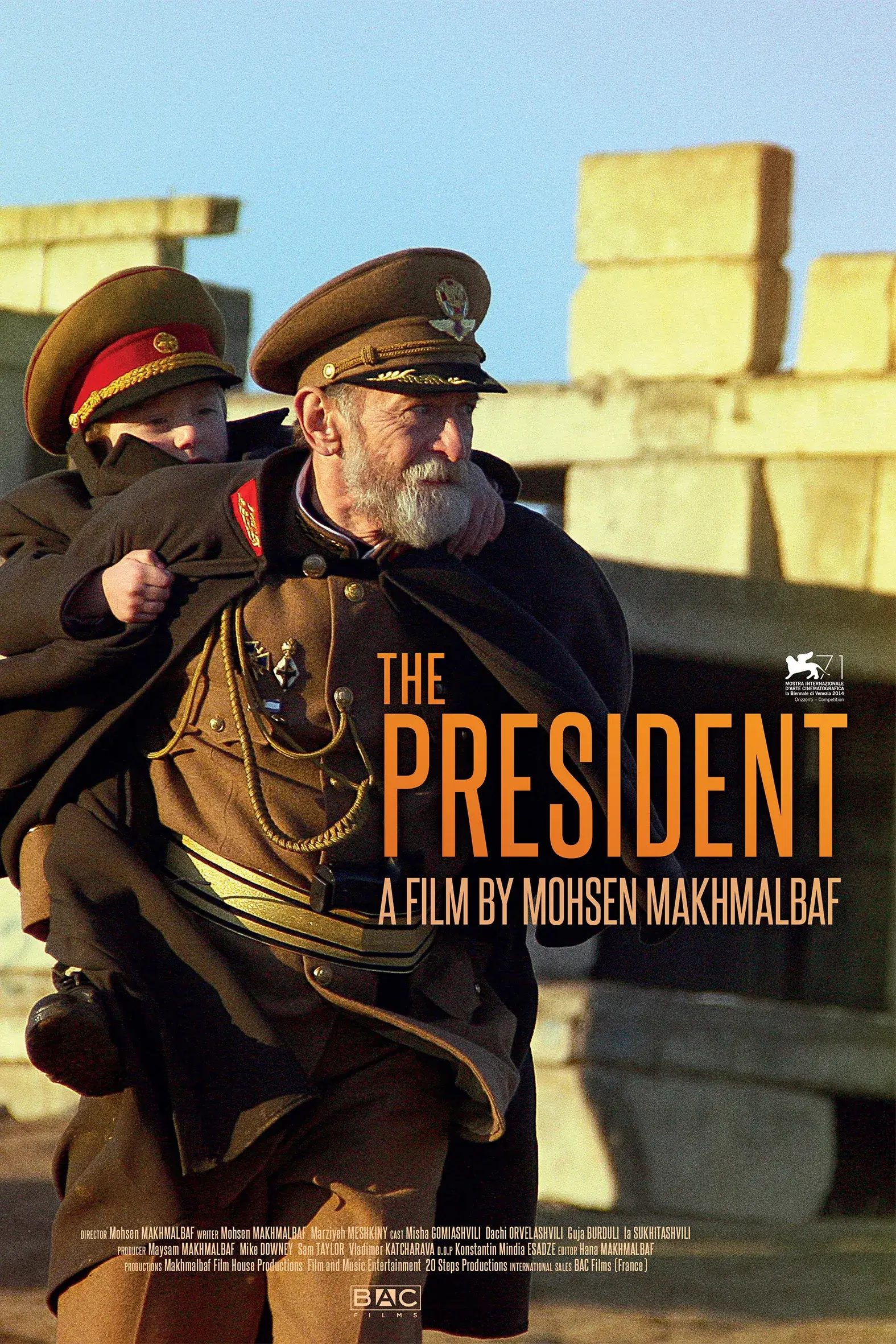
Gabriel Over the White House

Gabriel Over the White House

Year: 1933

Runtime: 86 mins

Language: English

Director: Gregory La Cava

RomanceDramaFantasy

During the height of the Great Depression, a cynical political operative unexpectedly ascends to the presidency. After surviving a near‑fatal accident, he experiences a profound transformation, emerging as a principled, incorruptible leader who inspires the nation.

Where to Watch Gabriel Over the White House?

Find where to stream, rent, or buy Gabriel Over the White House (1933) in the US with current JustWatch availability, up-to-date pricing, and platform listings for subscription, rental, and digital purchase options.

Warning: spoilers below!

Haven’t seen Gabriel Over the White House yet? This summary contains major spoilers. Bookmark the page, watch the movie, and come back for the full breakdown. If you're ready, scroll on and relive the story!

Timeline & Setting – Gabriel Over the White House (1933)

Explore the full timeline and setting of Gabriel Over the White House (1933). Follow every major event in chronological order and see how the environment shapes the story, characters, and dramatic tension.

Time period

1930s

Set during the Great Depression, the film portrays widespread unemployment and social strain. The narrative follows urgent calls for reform, debt relief, and anti-racketeering measures as the nation teeters between despair and determination. The era provides a backdrop for dramatic political transformation and public agitation.

Location

White House, Washington, D.C., Baltimore, Puerto Rico

The primary setting is the White House in Washington, D.C., where the President shapes national policy. Scenes also unfold in Baltimore during a public rally and touch on events in Puerto Rico related to a sewer project. These locations anchor the story in a contemporary United States landscape of political power and social unrest.

🏛️ Federal seat 🌆 Baltimore 🗺️ Washington D.C. 🇵🇷 Puerto Rico

Last updated: October 04, 2025 at 17:41

Was this helpful?

Main Characters – Gabriel Over the White House (1933)

Meet the key characters of Gabriel Over the White House (1933), with detailed profiles, motivations, and roles in the plot. Understand their emotional journeys and what they reveal about the film’s deeper themes.

President Judd Hammond (Walter Huston)

A once-amiable president who becomes a hard-edged reformer, convinced that extraordinary measures are necessary for the 'greatest good.' His transformation blurs the line between democracy and dictatorship as he dissolves the Cabinet and presses sweeping reforms. His charisma masks a ruthless pragmatism that reshapes policy and politics.

💼 President 🧭 Leader ⚖️ Power

Harley 'Beek' Beekman (Franchot Tone)

The President's secretary and loyal assistant who navigates the crisis with pragmatism. He emerges as the backstage power broker, balancing duty with personal loyalty. Beek ultimately becomes head of the new Federal Police, enforcing Hammond's order.

💼 Advisor 🧭 Loyal ⚖️ Reformist

Pendola 'Pendie' Molloy (Karen Morley)

The President's mistress and confidante who questions the direction of the administration while remaining emotionally invested. She embodies the personal costs of political upheaval and debates a possible divine intervention. Her presence highlights the human stakes behind sweeping policy changes.

💞 Relationship 🧭 Moral 🎭 Complexity

John Bronson (David Landau)

A charismatic leader of the million-strong march to Washington, representing working-class demands for work and dignity. His eloquence sparks momentum but also violence when the march is met with political resistance. His death in a drive-by underscores the peril of protest in a volatile era.

🗳️ Activist 💬 Orator 🕊️ Martyr

Dr. H.L. Eastman (Samuel S. Hinds)

A physician who scrutinizes Hammond's condition, bridging medical objectivity and political spectacle. He summarizes the president's altered state and later confides the transformation to Beek and Pendie. Eastman represents rational observation amid a storm of propaganda.

🩺 Doctor 🧭 Observer

Last updated: October 04, 2025 at 17:41

Was this helpful?

Major Themes – Gabriel Over the White House (1933)

Explore the central themes of Gabriel Over the White House (1933), from psychological, social, and emotional dimensions to philosophical messages. Understand what the film is really saying beneath the surface.

🗳️ Power Struggle

The plot centers on how political power tests democracy. Hammond’s shift from affable leader to assertive reformer exposes the fragility of institutions under pressure. Public support, media portrayal, and elite loyalty clash as lines between governance and domination blur.

💡 Reform Promise

Hammond channels popular discontent into sweeping reforms intended to relieve unemployment and debt. The plan includes foreclosures relief, a national banking law, and aid for agricultural workers, signaling a move from order to social welfare. The success of these reforms hinges on maintaining checks and balances amid upheaval.

⚖️ Moral Dilemma

Characters wrestle with the ethical costs of rapid change, as Hammond defends a 'greatest good' philosophy. Pendie and Beek confront personal loyalties versus public duty, and the notion of divine intervention hints at fate guiding power. The story questions whether speed and certainty justify human sacrifice.

Last updated: October 04, 2025 at 17:41

Was this helpful?

Gabriel Over the White House (1933) Character & Theme Questions Answered – Info FAQ

Browse frequently asked questions about Gabriel Over the White House (1933) focused on characters, relationships, themes, symbols, setting, and story context. This movie info FAQ gives spoiler-aware explanations for character arcs, world details, and thematic interpretation so readers can better understand what the film is really about.

Q1

Where is the film primarily set?

A.

The movie is primarily set in the White House in Washington, D.C., where the President shapes national policy. Key scenes also take place in Baltimore during a public rally and touch on events in Puerto Rico related to a sewer project. These locations anchor the story in a contemporary United States landscape of political power and social unrest.

white house settingwashington d.c.baltimorepuerto ricopolitical film locations
Q2

What time period is the movie set in?

A.

The film is set during the Great Depression in the 1930s. It portrays widespread unemployment and social strain, with the narrative following urgent calls for reform, debt relief, and anti-racketeering measures as the nation struggles between despair and determination. The era provides a backdrop for dramatic political transformation and public agitation.

great depression1930shistorical settingera
Q3

What are the main themes of the movie?

A.

The film explores three interconnected themes: Power Struggle, which examines how political power tests democracy as Hammond's transformation blurs the line between governance and domination; Reform Promise, showing how he channels popular discontent into sweeping reforms including foreclosure relief and a national banking law; and Moral Dilemma, where characters confront the ethical costs of rapid change and question whether certainty justifies human sacrifice.

power strugglereformmoral dilemmathemesdemocracypolitical corruption
Q4

Who is President Judd Hammond?

A.

President Judd Hammond is the central character, portrayed by Walter Huston. He begins as an affable leader but undergoes a profound transformation after a near-fatal accident, emerging as a hard-edged reformer convinced that extraordinary measures are necessary for the 'greatest good.' His charisma masks a ruthless pragmatism that reshapes policy, as he dissolves the Cabinet and pushes sweeping reforms that blur the line between democracy and dictatorship.

judd hammondpresidenttransformationreformerdictator
Q5

Who is John Bronson?

A.

John Bronson, played by David Landau, is a charismatic leader who organizes a million-strong march to Washington, representing working-class demands for work and dignity. His eloquent speeches spark massive momentum but also lead to violence when the march is met with political resistance. His death in a drive-by shooting underscores the peril of protest in a volatile era, highlighting the human cost of political unrest.

john bronsonlabor leadermarch on washingtonprotestworking class
Q6

What role does Pendie Molloy play?

A.

Pendola 'Pendie' Molloy, played by Karen Morley, is the President's mistress and confidante. She questions the direction of the administration while remaining emotionally invested in Hammond. Pendie embodies the personal costs of political upheaval and debates whether divine intervention guides the President's transformation. Her presence highlights the human stakes behind sweeping policy changes and represents those who grapple with the moral implications of radical leadership.

pendie molloymistressconfidantepersonal stakesemotional cost
Q7

Who is Beek Beekman?

A.

Harley 'Beek' Beekman, played by Franchot Tone, is the President's secretary and loyal assistant who navigates the crisis with pragmatism. He emerges as the backstage power broker, balancing duty with personal loyalty to Hammond. Beek ultimately becomes head of the new Federal Police, enforcing the President's order. He serves as a bridge between Hammond's vision and its implementation, representing the machinery of political transformation.

beek beekmansecretaryloyal assistantfederal policepower broker
Q8

What does the film say about political power?

A.

The film examines how political power tests democracy. Hammond's shift from affable leader to assertive reformer exposes the fragility of institutions under pressure. As public support, media portrayal, and elite loyalty clash, the lines between governance and domination blur. The story questions whether extraordinary circumstances justify extraordinary measures and explores how easily democratic ideals can be compromised under the guise of necessary reform.

political powerdemocracydictatorshipgovernanceinstitutional fragility
Q9

Is this a political drama?

A.

Yes, Gabriel Over the White House is fundamentally a political drama that uses the Great Depression as a backdrop to explore themes of leadership, reform, and the ethics of power. The film portrays a President who transforms from a conventional political operative into a radical reformer willing to dissolve his Cabinet and impose sweeping changes. It addresses real-world issues of unemployment, debt relief, and agricultural aid while questioning whether the ends justify the means in times of national crisis.

political dramagreat depressionreformleadershipcrisis
Q10

How does Hammond's leadership style change?

A.

President Hammond undergoes a dramatic transformation from an affable, conventional political leader into a hard-edged reformer who believes extraordinary measures are necessary for the greater good. He becomes willing to dissolve his Cabinet, create a new Federal Police force, and impose sweeping reforms including foreclosure relief and banking laws. His leadership style shifts from persuasion to coercion, blurring the line between democracy and dictatorship as he pursues his vision of national salvation.

leadership transformationauthoritarianismreformercabinetfederal police
Mobile App Preview

Coming soon on iOS and Android

The Plot Explained Mobile App

From blockbusters to hidden gems - dive into movie stories anytime, anywhere. Save your favorites, discover plots faster, and never miss a twist again.

Sign up to be the first to know when we launch. Your email stays private, always.

Explore Movie Threads

Discover curated groups of movies connected by mood, themes, and story style. Browse collections built around emotion, atmosphere, and narrative focus to easily find films that match what you feel like watching right now.

Urgent political prophecies like in Gabriel Over the White House

Stories where nations in crisis face radical, morally complex leadership.Explore movies like 'Gabriel Over the White House' that depict nations in turmoil and the morally ambiguous leaders who rise to power. These films share a tense, high-intensity atmosphere, exploring themes of social collapse, authoritarianism, and national renewal for viewers seeking similar politically charged stories.

urgentprophetictenseidealisticoppressivepolitically chargedmorally ambiguous

Narrative Summary

These narratives typically center on a pivotal political figure or movement that emerges during a time of profound national crisis. The story follows the implementation of radical, often controversial, policies that challenge the status quo, forcing characters and the audience to grapple with the moral cost of stability and progress.

Why These Movies?

Movies are grouped here for their shared focus on high-stakes political transformation, an atmosphere of national urgency, and the exploration of morally ambiguous leadership. They deliver a tense, thought-provoking experience centered on the weighty decisions that shape nations.
Bittersweet transformational arcs like in Gabriel Over the White House

Character journeys of profound change that end with ambiguous, costly victories.Find movies similar to 'Gabriel Over the White House' that feature a powerful character arc of moral rebirth and sacrifice. If you liked the story of a president's profound change leading to an ambiguous legacy, you'll discover other heavy dramas with bittersweet endings and themes of personal sacrifice.

melancholicidealisticsombertransformativeheavybittersweetsacrificial

Narrative Summary

The narrative follows a central character, often initially cynical or corrupt, who experiences a catalytic event that forces a complete moral reevaluation. Their subsequent journey to enact positive change is paved with personal sacrifice and difficult choices, culminating in a victory that is meaningful yet shadowed by loss or ethical compromise.

Why These Movies?

These films are united by a powerful central character arc of redemption or transformation, a heavy emotional weight, and an ending that blends hope with melancholy. They explore the complex interplay between personal sacrifice and societal impact.

Unlock the Full Story of Gabriel Over the White House

Don't stop at just watching - explore Gabriel Over the White House in full detail. From the complete plot summary and scene-by-scene timeline to character breakdowns, thematic analysis, and a deep dive into the ending - every page helps you truly understand what Gabriel Over the White House is all about. Plus, discover what's next after the movie.

Gabriel Over the White House Summary

Read a complete plot summary of Gabriel Over the White House, including all key story points, character arcs, and turning points. This in-depth recap is ideal for understanding the narrative structure or reviewing what happened in the movie.

Gabriel Over the White House Summary

Gabriel Over the White House Timeline

Track the full timeline of Gabriel Over the White House with every major event arranged chronologically. Perfect for decoding non-linear storytelling, flashbacks, or parallel narratives with a clear scene-by-scene breakdown.

Gabriel Over the White House Timeline

Gabriel Over the White House Spoiler-Free Summary

Get a quick, spoiler-free overview of Gabriel Over the White House that covers the main plot points and key details without revealing any major twists or spoilers. Perfect for those who want to know what to expect before diving in.

Gabriel Over the White House Spoiler-Free Summary

More About Gabriel Over the White House

Visit What's After the Movie to explore more about Gabriel Over the White House: box office results, cast and crew info, production details, post-credit scenes, and external links - all in one place for movie fans and researchers.

More About Gabriel Over the White House

Similar Movies to Gabriel Over the White House

Discover movies like Gabriel Over the White House that share similar genres, themes, and storytelling elements. Whether you’re drawn to the atmosphere, character arcs, or plot structure, these curated recommendations will help you explore more films you’ll love.