Plot Explained Spoilers guaranteed!
Plot Explained

Browse by genre

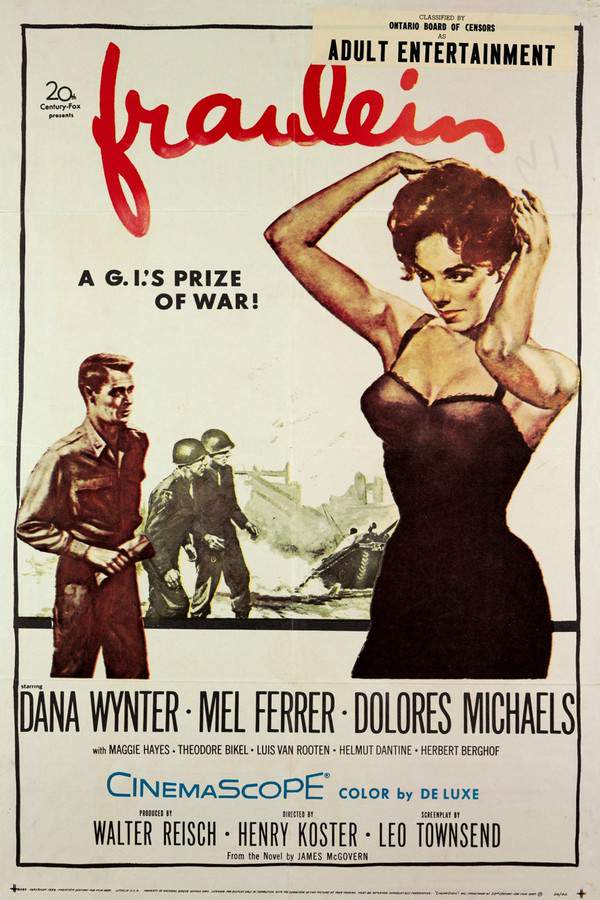
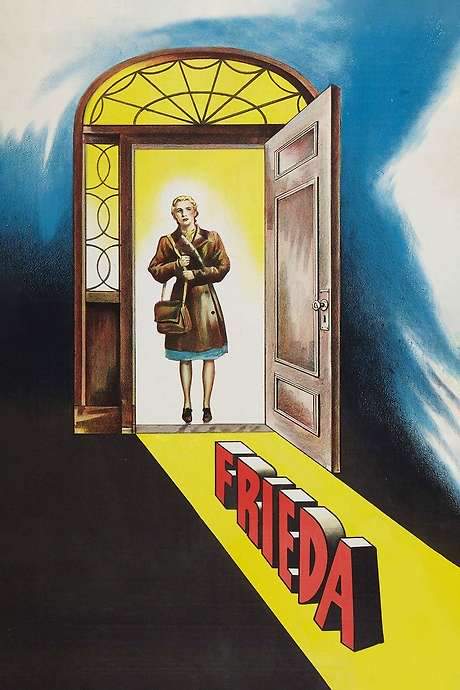
Frieda (1947) movie poster

Timeline

Frieda (1947) Timeline Explained – Every Event in Order

Release, runtime and language
1947 · 98 mins · English
Loading streaming availability…
Directed by
Basil Dearden
Starring
David Farrar, Flora Robson, Mai Zetterling, John Ruddock, Barry Jones, Glynis Johns

An RAF pilot shot down over Germany during World II manages to escape with the aid of a local German woman. Years later he returns to his English village and brings her back as his bride, forcing the community to confront the uneasy question of whether they can accept the woman who once helped a enemy pilot survive.

On this page (6)
  1. 1 Where to watch
  2. 2 Events in order (12)
  3. 3 Timeline questions answered
  4. 4 Movie threads
  5. 5 Movies like Frieda
  6. 6 Every angle
Loading streaming availability…

12 events in order · contains spoilers

Frieda Timeline: Events in Chronological Order

Every key event of Frieda (1947) in order, scene by scene, with when and where it takes place. Use it to untangle flashbacks, time jumps and parallel storylines, to refresh your memory before the sequel or to find the exact scene you are thinking of.

  1. Frieda helps Robert escape from the POW camp

    Frieda, a German woman, helps English airman Robert escape from a German prisoner-of-war camp as the war nears its end. The escape is dangerous and fraught with risk, but Frieda's courage allows them to slip away. Robert remains grateful, setting the stage for a complicated bond that grows beyond mere gratitude.

    When
    late WWII
    Where
    German prisoner-of-war camp
  2. The marriage in a church to secure a British passport

    In a church skirting the front lines between Russia and Germany, Frieda and Robert marry so she can obtain a British passport. The ceremony is practical, binding them together beyond the immediate danger of the war. They embark on a future as husband and wife, despite the shadows of recent events.

    When
    late WWII
    Where
    Church between the Russian-German lines
  3. Arrival in Oxfordshire and meeting the family

    The couple arrives at Robert's Oxfordshire home and is introduced to his family, including his mother, his small stepbrother Tony, Judy, and Aunt Eleanor. The locals greet Frieda with hostility as memories of war linger. Robert begins adjusting his life to a quieter, domestic rhythm.

    When
    early postwar
    Where
    Robert's Oxfordshire home
  4. Hostility from the townspeople and Robert's job loss

    Initially, the townspeople treat Frieda with bitter suspicion and Robert is forced to give up his job as a schoolteacher. The couple faces discrimination from neighbors who still judge people by their wartime origins. Over time, patient effort and small acts of openness begin to change minds.

    When
    early postwar
    Where
    Oxfordshire town
  5. Judy's friendship and hidden love

    Judy befriends Frieda, unknowingly complicating matters because she is secretly in love with Robert. Frieda values the friendship while navigating a growing emotional tension around Robert. The love triangle adds tension but also depth to their new life.

    When
    early postwar
    Where
    Robert's Oxfordshire home
  6. Life on the farm and growing closeness

    As Robert settles into farm work with Frieda, the heaviness of his POW years begins to lift. He begins to see Frieda in a new, fuller light and their partnership deepens beyond dependency. The couple builds a routine that slowly steadies them against lingering prejudices.

    When
    early postwar
    Where
    Farm near Oxfordshire
  7. Bergen-Belsen film and tested loyalty

    They watch a film dealing with the horror of Bergen-Belsen, and Frieda fears the revelation could ruin their marriage. Robert struggles to reconcile the film's truths with his feelings for Frieda. The experience tests their trust, but they cling to what they have built.

    When
    late postwar
    Where
    cinema
  8. Richard returns and reveals loyalty to Nazism

    Frieda's brother Richard, long presumed dead, reappears as an ex-German soldier who has joined the Polish Army. He gives Frieda a swastika on a chain as a wedding present, signaling that his loyalty to Nazism remains unbroken. In a local town pub, he is denounced as a concentration camp guard.

    When
    late war / immediate postwar
    Where
    local town pub
  9. Private confrontation and hardened beliefs

    In private, Richard admits the truth of his actions and claims Frieda had known and approved. Robert's moral revolt against everything German grows; he begins to distance himself from Frieda's world. The couple's trust is strained as accusations fly.

    When
    after Richard's confession
    Where
    private setting
  10. Frieda's suicide attempt and Robert's rescue

    Frieda, fearing she has lost Robert, attempts suicide. Robert arrives just in time, and the shock restores his faith in her. The crisis forces both to confront what they truly mean to each other.

    When
    immediate aftermath of confrontation
    Where
    home
  11. Robert's renewed commitment

    Robert's near-tragedy leads him to reaffirm his faith in Frieda and their relationship. He chooses to stand by her despite the prejudice that nearly overwhelmed them. The couple renews their commitment and moves forward with new understanding.

    When
    after the rescue
    Where
    Oxfordshire home
  12. Aunt Eleanor's transformation

    Aunt Eleanor, once vehemently anti-German, acknowledges that you cannot treat people as less than human without becoming less than human yourself. Her transformation signals a broader shift in the community's attitudes.

    When
    after acceptance
    Where
    Eleanor's home

Last updated: October 09, 2025 at 14:12

Was this helpful?

Timeline questions answered

Frieda Timeline Explained: Your Questions Answered

When does it happen, and why in that order? The questions people ask about the chronology of Frieda (1947): time jumps, flashbacks, cause and effect between scenes and the correct order of events, each answered with spoilers.

Q1

Why did Robert marry Frieda in the church?

Robert married Frieda so she could obtain a British passport. The wedding took place in a church on the front lines between Russian and German territories as the war was ending. It was a practical decision born from necessity rather than pure romance, designed to give Frieda a way out of war-torn Europe and into a future with Robert.

Foreshadowing: The marriage is initially presented as a fragile bond formed in dangerous circumstances, hinting that their relationship will face further tests.

  • marriage
  • british passport
  • escape
  • church wedding
  • practical reasons
Q2

Why were the townspeople hostile toward Frieda?

The townspeople of Oxfordshire were hostile toward Frieda because she was German, and the war had only recently ended. Memories of German atrocities were still fresh, and the community struggled to accept a German woman into their midst. Their suspicion manifested in everyday discrimination, including forcing Robert to give up his teaching job.

Foreshadowing: The initial cold welcome sets the stage for the ongoing tension between the community's wartime grievances and Frieda's presence.

  • hostility
  • prejudice
  • german
  • townspeople
  • community discrimination
Q3

Why did Robert lose his teaching job?

Robert lost his teaching position because the community could not accept his marriage to a German woman. The townspeople's hostility extended to him by association, and the pressure became too great for him to continue at the school. This forced him to abandon his career and find work on a farm instead.

Foreshadowing: Robert's job loss marks the beginning of his complete shift from civilian teacher to farmer, changing his entire life trajectory.

  • teaching job
  • school
  • loss
  • community pressure
  • discrimination
Q4

What was the significance of the Bergen-Belsen film?

The screening of a film about Bergen-Belsen concentration camp horrors deeply unsettled Frieda because it forced her to confront the atrocities committed by her homeland. She feared the revelation would destroy her marriage to Robert. The experience tested their trust and required Robert to reconcile the film's truths with his feelings for Frieda.

Foreshadowing: This scene foreshadows the later revelation about Richard and forces the characters to face the reality of Nazi crimes directly.

  • bergen-belsen
  • concentration camp
  • film
  • horror
  • nazi crimes
Q5

Who is Richard, Frieda's brother?

Richard is Frieda's brother who reappears after being presumed dead during the war. He had served as a German soldier and later joined the Polish Army. His return initially seems like a sign of family healing, but he remains loyal to Nazism, as revealed by the swastika chain he gives Frieda as a wedding gift.

Foreshadowing: Richard's appearance signals the return of the war's unresolved darkness and sets up the film's central crisis.

  • richard
  • brother
  • nazi
  • swastika
  • family return
Q6

Why is the swastika gift so significant?

Richard giving Frieda a swastika on a chain as a wedding present is significant because it reveals his continued allegiance to Nazism despite Germany's defeat. In the local pub, the crowd denounces him as one of the guards at a concentration camp. This forces the community and Robert to confront the reality that Frieda's family was complicit in wartime atrocities.

Foreshadowing: The gift serves as the catalyst for the film's most devastating confrontation and threatens to destroy everything Robert and Frieda have built.

  • swastika
  • gift
  • nazi
  • wedding present
  • concentration camp guard
Q7

What did Richard accuse Frieda of knowing?

In a private confrontation, Richard admitted to being a concentration camp guard and claimed that Frieda had known about and approved of his actions. This accusation wounded both Frieda and Robert, putting their entire marriage in jeopardy. Robert's trust in Frieda was severely shaken by this revelation.

Foreshadowing: This accusation directly leads to Frieda's emotional crisis and suicide attempt, becoming the film's darkest moment.

  • accusation
  • known
  • approved
  • concentration camp
  • truth
Q8

Why did Frieda attempt suicide?

Frieda attempted suicide because she feared she had lost Robert forever after Richard's revelation about his past and his claim that she had known about it. The emotional weight of the community's hostility, combined with the accusation that she was complicit in Nazi atrocities, became unbearable. She saw no other way out of her despair.

Foreshadowing: Her suicide attempt is the crisis point that forces Robert to choose between his prejudice and his love for Frieda.

  • suicide attempt
  • despair
  • fear
  • lost robert
  • emotional crisis
Q9

How did Frieda's suicide attempt change Robert?

When Robert arrived just in time and saw how close he came to losing Frieda, he experienced a profound awakening. The near-tragedy made him realize that his faith in her was justified despite the suspicion and prejudice she faced. He chose to stand by her, rejecting the intolerance that had haunted their relationship.

Foreshadowing: This moment represents the turning point where Robert fully commits to Frieda, transcending the prejudice that had divided them.

  • rescue
  • commitment
  • faith
  • choice
  • near-tragedy
Q10

Why did Aunt Eleanor change her views about Frieda?

After witnessing the crisis and near-tragedy involving Frieda and Robert, Aunt Eleanor's long-held anti-German prejudices began to loosen. She came to recognize that treating people as less than human erodes one's own humanity. Her transformation symbolizes the broader shift possible in the community's attitudes.

Foreshadowing: Eleanor's change marks the beginning of genuine reconciliation and the film's hopeful conclusion.

  • aunt eleanor
  • transformation
  • prejudice
  • humanity
  • acceptance
Q11

Why was Judy's friendship with Frieda complicated?

Judy befriended Frieda even though she was secretly in love with Robert, who was also her late husband's brother. This created emotional tension in their household. Despite her own hidden feelings, Judy offered Frieda a genuine friendship, which became an important support during the difficult period of community hostility.

Foreshadowing: Judy's unrequited love adds another layer of complexity to the emotional dynamics of the household.

  • judy
  • love
  • robert
  • friend
  • secret feelings
Q12

Why did Robert start viewing Frieda differently over time?

As Robert worked alongside Frieda on the farm, he began to see her not through the lens of her German nationality but through their shared daily experiences, food, work, care, and companionship. This shift helped him shed the heaviness of his wartime memories and see her as a person rather than a symbol of the enemy.

Foreshadowing: This gradual change in perspective prepares Robert for the ultimate test of his commitment after Richard's revelation.

  • perspective
  • change
  • german nationality
  • human connection
  • farm work

Movie threads

More Movies Like Frieda, by Mood & Story

Curated lists built around what makes Frieda tick: the same mood, the same kind of story or the same emotional payoff. Each list explains why these movies belong together.

Movies about pressured marriages like Frieda

Relationships strained by external pressures and societal judgment. If you liked the central marital conflict in Frieda, explore more movies like it. This list features dramas where relationships face intense external pressures, from small-town bias to the shadows of war, focusing on the strength and vulnerability of love under fire.

  • tense
  • intimate
  • heavy
  • melancholic
  • hopeful
  • reflective
  • Tone: tense, heavy, intimate
  • Pacing: steady, character-driven
Why these movies?

The story pattern: Stories in this thread typically follow a couple whose union is challenged not just by personal differences, but by a hostile or skeptical environment. The narrative builds tension as the relationship becomes a battleground for larger societal issues, often leading to a crisis that forces both the couple and the community to confront their prejudices.

Why they belong together: These films are grouped together because they share a core focus on the immense pressure placed on a romantic relationship by external circumstances. They create a specific, intimate form of tension and drama, making the personal relationship a lens for exploring larger social themes.


Post-war community drama movies like Frieda

Stories of communities grappling with the aftermath of conflict. For viewers who appreciated Frieda's exploration of post-WWII tensions, this collection features similar movies about the aftermath of war. Discover dramas where communities and individuals face the challenges of reconciliation, prejudice, and rebuilding lives shattered by conflict.

  • melancholic
  • reflective
  • heavy
  • hopeful
  • tense
  • historical
  • Tone: melancholic, reflective, tense
  • Pacing: steady, deliberate
Why these movies?

The story pattern: The narrative pattern involves a character or event that forces a community still reeling from war to confront its wounds and prejudices. The story often explores themes of forgiveness, xenophobia, and the moral complexity of labeling 'enemies,' moving from initial resistance toward a hesitant, hard-won acceptance or understanding.

Why they belong together: These films share a specific historical and emotional setting—the immediate aftermath of war—and a thematic focus on the psychological and social toll of conflict. They are united by a heavy, reflective mood and a central conflict between the desire for normalcy and the lingering shadows of the past.

If you liked this

Movies Like Frieda

Similar movies to Frieda: the same genre, themes or kind of story. Each one comes with its own plot summary, timeline and ending explained.

Browse all movie summaries

Every angle

Frieda (1947) Explained: Plot, Timeline & Characters

Everything about Frieda in one place: what happens in the plot summary, the timeline in chronological order, the characters and meaning and a spoiler-free summary. What's After the Movie adds the cast, box office and post-credit scenes.

Coming soon on iOS and Android

The Plot Explained Movie Summary App

Plot summaries, endings explained and timelines on your phone. Catch up on any movie in minutes, save your favorites and never miss a twist again.

Be the first to know when we launch. Your email stays private, always.

Learn more about the app