Year: 1992
Runtime: 112 min
Language: English
Director: Lars von Trier
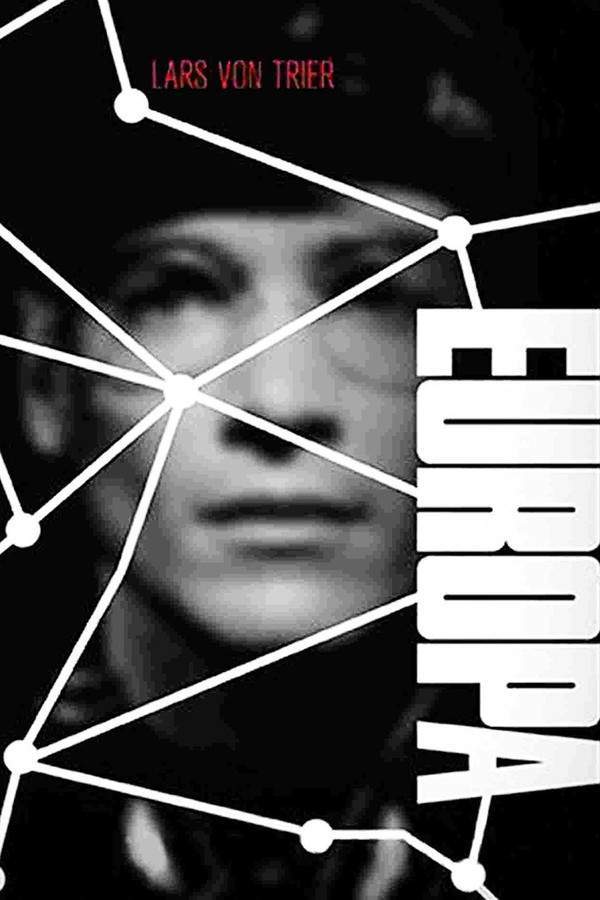
During the final days of World War II in 1945 Germany, a passionate and forbidden romance ignites between an American soldier and a local woman. Their affair unexpectedly draws them into a dangerous situation involving a plot to sabotage a train, leading to a web of deception and putting their lives at risk amidst the chaos and uncertainty of wartime.
Warning: spoilers below!
Haven’t seen Europa yet? This summary contains major spoilers. Bookmark the page, watch the movie, and come back for the full breakdown. If you're ready, scroll on and relive the story!
Read the complete plot breakdown of Europa (1992), including all key story events, major twists, and the ending explained in detail. Discover what really happened—and what it all means.
Just after the end of World War II, a young American of German descent, Leopold Kessler, arrives in the U.S.-occupied zone of Germany and takes a job as a sleeping car conductor for the railway company Zentropa, working with his uncle. He arrives with idealistic ambitions, hoping that his small act can help make the world a better place, but he quickly discovers that adapting to postwar life and new German customs is harder than he expected. Early encounters pull him into a tense world where loyalty, guilt, and survival collide.
In a tense social circle around Zentropa, he meets Katharina, the daughter of the company’s founder, Max Hartmann. She introduces him to the grim reality outside the train windows: bodies hanging from trees, the lingering menace of Werwolf, a Nazi guerrilla group still active in the countryside and capable of sabotage. Katharina welcomes Leopold to her half-destroyed family mansion for dinner, where he meets her older brother, Lawrence Hartmann, and her father, and where a U.S. Army colonel named Harris outlines a political minefield: if Hartmann’s dealings with the old Reich are ever proven, Zentropa could be confiscated. Harris enlists Leopold to keep a lookout for Werwolf activity on the trains, and Leopold, though uneasy, accepts the assignment, torn between his sympathy for the Occupation and a growing fear of what he’s asked to become.
Leopold’s suspicions about Werwolf deepen quickly. A man who claims to be a Hartmann ally entrusts him with watching two children on his next run, and it becomes chillingly clear that Werwolf has recruited one of the boys for a suicide mission. The day of the survey arrives, and Harris manipulates testimony—claiming Hartmann rescued a Jewish American—to polish Hartmann’s image, while the truth about Hartmann’s past deeds remains buried. Hartmann himself withdraws from life, and, overwhelmed by shame, takes his own life. Leopold and Katharina grow closer in the shadow of these secrets, and Katharina reveals a painful truth: she once belonged to Werwolf but left the group; the organization then began threatening her father with blackmail.
When Leopold halts a train for Hartmann’s funeral—a gesture the U.S. authorities would rather suppress—he finds himself entangled in a new test of loyalty. After the service, Werwolf agents lure him aside and press him to join their side. He remains oath-bound to protect the living, even as danger looms closer. The romance between Leopold and Katharina deepens, and they marry, seeking a fragile happiness as they settle into married life, unaware of how dark Katharina’s past still shadows them. On their honeymoon, Katharina confesses that Zentropa’s trains carried people to peril during the war, a revelation that helps explain her father’s despair.
Soon afterward Katharina is taken—and Lawrence Hartmann is killed—by Werwolf, who demand that Leopold use explosives to blow up a train during a bridge crossing. The stress and fear push Leopold toward failure on an important professional exam, which worsens his uncle’s anger. He plants the charges and flees, but a sudden surge of pity for potential victims compels him to climb back aboard and try to disable the bomb. The investigation by Harris and the U.S. forces closes in, and Leopold finally finds Katharina—handcuffed and revealed to have been Werwolf all along, the architect of the earlier kidnappings and the extortion letters.
Her harsh reproach cuts to the bone: Leopold’s failure to choose a side is interpreted as cowardice, and she insists that there are no innocents left in Germany’s ruined landscape. Paralyzed by doubt and despair, Leopold makes a fateful decision: he detonates the explosives in a desperate bid to stop the carnage he helped to unleash. The train plunges into the river, and lives are lost in the wreck—the uncle who believed in him, Katharina herself, and several others, even as Leopold sinks beneath the surface and finally drowns, leaving him to drift away into the open sea.
Last Updated: October 09, 2025 at 15:43
Discover curated groups of movies connected by mood, themes, and story style. Browse collections built around emotion, atmosphere, and narrative focus to easily find films that match what you feel like watching right now.
Characters navigate the treacherous landscape of morality in the shadow of conflict.If you liked the complex ethical challenges and deceptive atmosphere of Europa, explore these movies set in the aftermath of war. This thread features films where characters face profound moral compromises, shifting allegiances, and the heavy weight of survival in a broken world, similar to the narrative of Europa.
Stories in this thread typically follow an idealistic or naive individual entering a volatile post-conflict zone. They are quickly manipulated by opposing factions, becoming pawns in a larger game of power and ideology. The narrative unfolds as a series of betrayals and revelations, leading the protagonist to a point of profound moral compromise or tragic failure, often highlighting the inescapable nature of complicity.
Movies are grouped here based on their shared setting in a postwar environment and their central focus on complex moral and ethical dilemmas. They share a tone of grim realism, a steady pacing that builds tension through deception, and a heavy emotional weight stemming from themes of guilt, survival, and the collapse of idealism.
Protagonists are ensnared in a web of deception, leading to an inevitable tragic outcome.For viewers who appreciated the web of deception and tragic inevitability in Europa, this collection features tense thrillers about characters being used as pawns. These movies share a high-stakes, paranoid atmosphere where manipulation leads to a bleak and fatalistic ending, capturing a similar vibe to Europa.
The narrative pattern involves a relatively ordinary person being recruited or drawn into a situation that seems straightforward but is actually a elaborate ruse. They are fed false information and manipulated by characters with hidden agendas, turning them into an unwitting instrument for a larger goal. The story arc is a downward spiral into disaster, culminating in a finale that reveals the full extent of the manipulation and the protagonist's tragic role in it.
These films are united by their core plot mechanism of manipulation and their consistently dark, fatalistic tone. They share a high intensity driven by life-or-death stakes, a steady pacing that methodically builds towards doom, and a heavy emotional weight resulting from the protagonist's catastrophic failure and loss.
Don't stop at just watching — explore Europa in full detail. From the complete plot summary and scene-by-scene timeline to character breakdowns, thematic analysis, and a deep dive into the ending — every page helps you truly understand what Europa is all about. Plus, discover what's next after the movie.
Track the full timeline of Europa with every major event arranged chronologically. Perfect for decoding non-linear storytelling, flashbacks, or parallel narratives with a clear scene-by-scene breakdown.
Discover the characters, locations, and core themes that shape Europa. Get insights into symbolic elements, setting significance, and deeper narrative meaning — ideal for thematic analysis and movie breakdowns.
Get a quick, spoiler-free overview of Europa that covers the main plot points and key details without revealing any major twists or spoilers. Perfect for those who want to know what to expect before diving in.
Visit What's After the Movie to explore more about Europa: box office results, cast and crew info, production details, post-credit scenes, and external links — all in one place for movie fans and researchers.
Discover movies like Europa that share similar genres, themes, and storytelling elements. Whether you’re drawn to the atmosphere, character arcs, or plot structure, these curated recommendations will help you explore more films you’ll love.
Europa (1992) Scene-by-Scene Movie Timeline
Europa (1992) Movie Characters, Themes & Settings
Europa (1992) Spoiler-Free Summary & Key Flow
Movies Like Europa – Similar Titles You’ll Enjoy
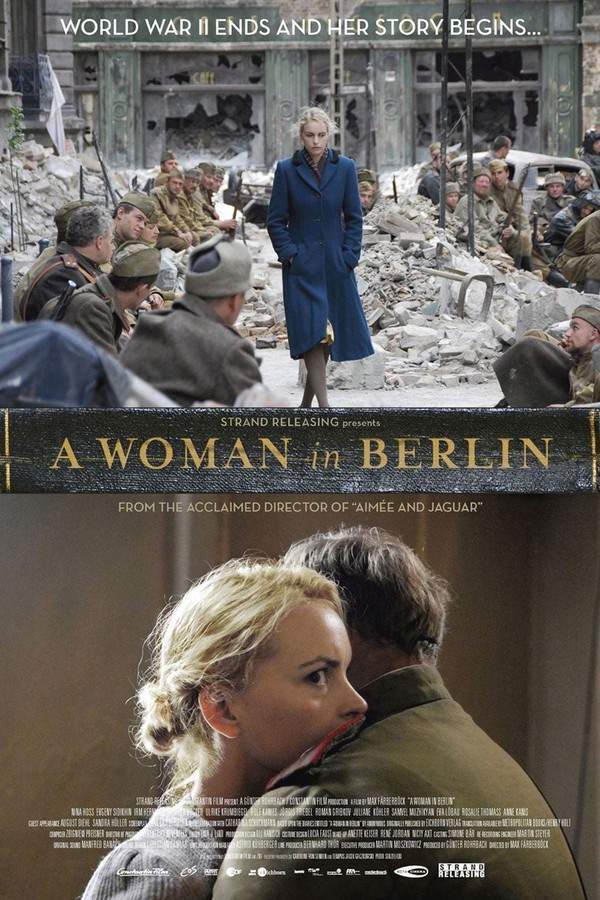
A Woman in Berlin (2009) Full Summary & Key Details
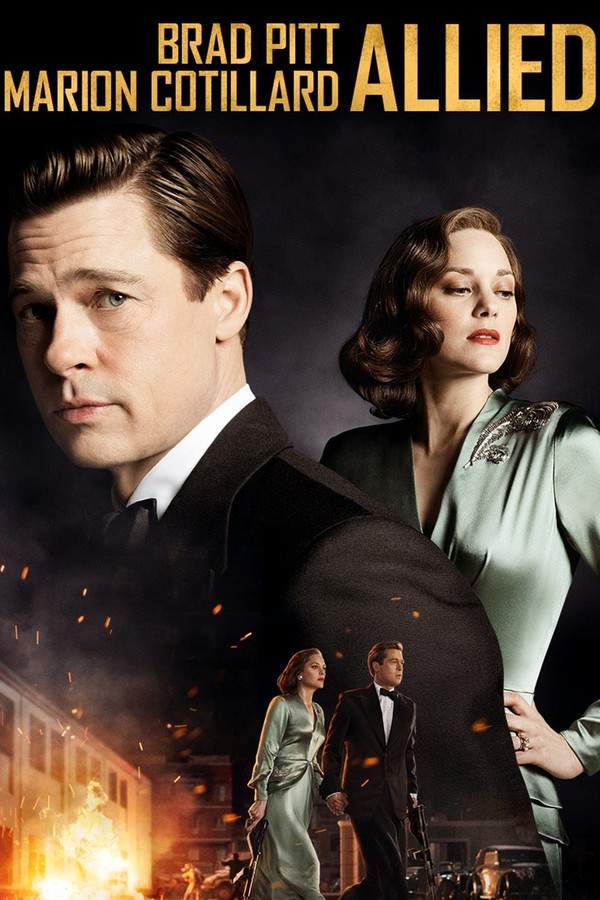
Allied (2016) Movie Recap & Themes
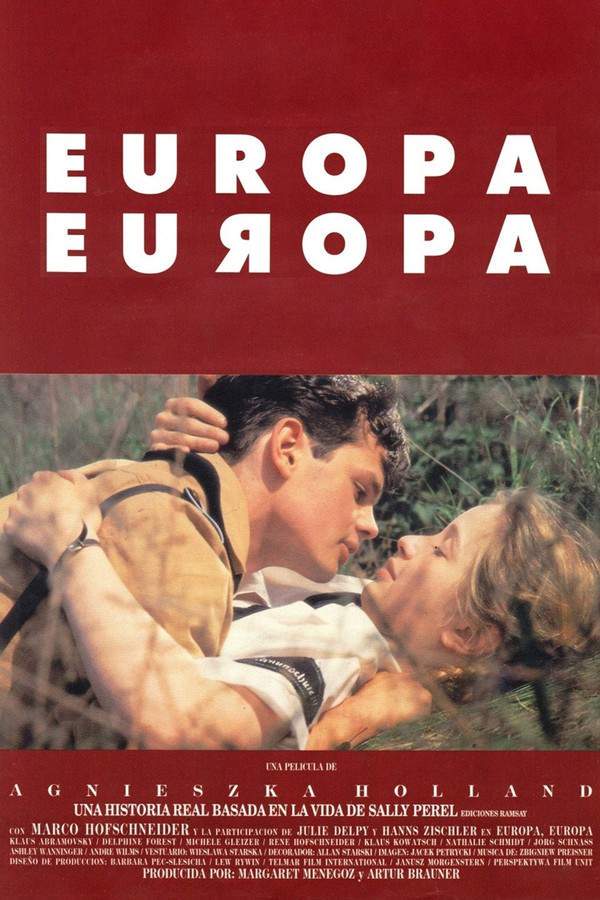
Europa Europa (1991) Ending Explained & Film Insights
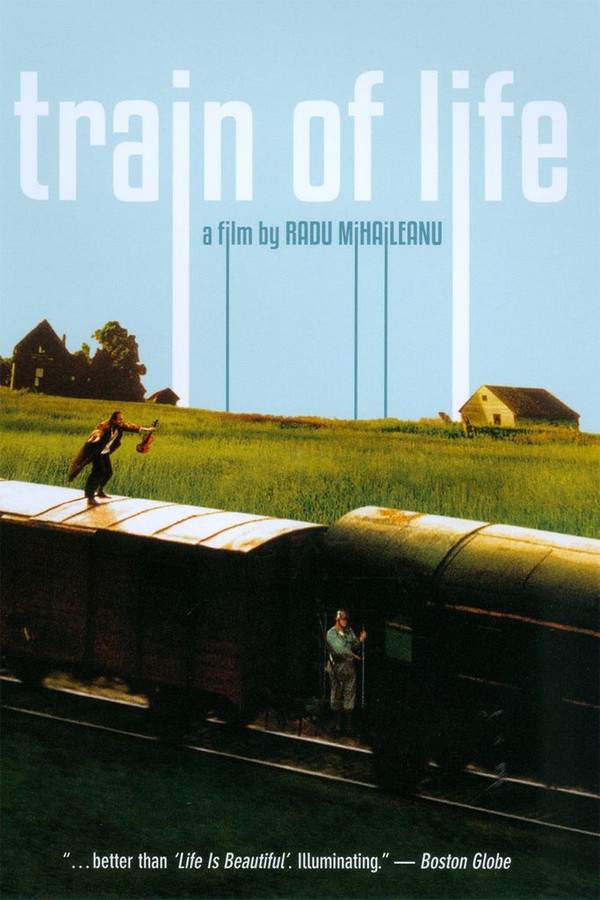
Train of Life (1999) Story Summary & Characters
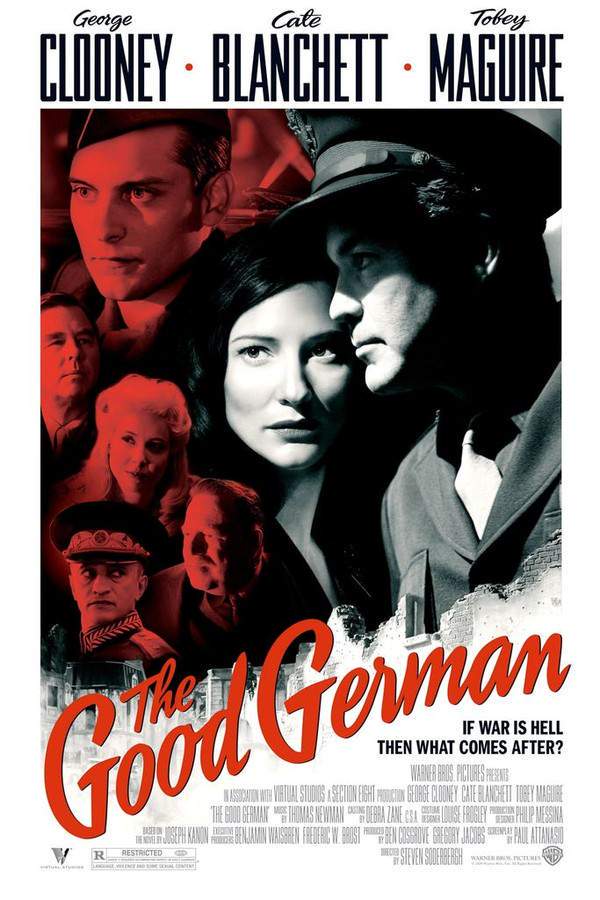
The Good German (2006) Movie Recap & Themes
Hanover Street (1979) Full Summary & Key Details
Death in Love (2009) Detailed Story Recap
Hotel Europa (1000) Movie Recap & Themes
Trans-Europ-Express (1966) Ending Explained & Film Insights
Berlin Express (1948) Full Movie Breakdown
It Happened in Europe (1947) Complete Plot Breakdown
Verboten! (1959) Full Movie Breakdown
Appointment in Berlin (1943) Full Movie Breakdown
A Time to Love and a Time to Die (1958) Ending Explained & Film Insights
Night Train to Munich (1940) Full Movie Breakdown