Plot Explained Spoilers guaranteed!
Plot Explained

Browse by genre

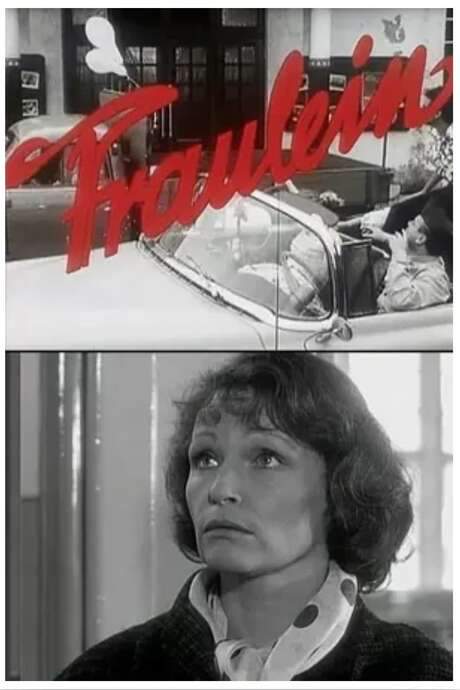
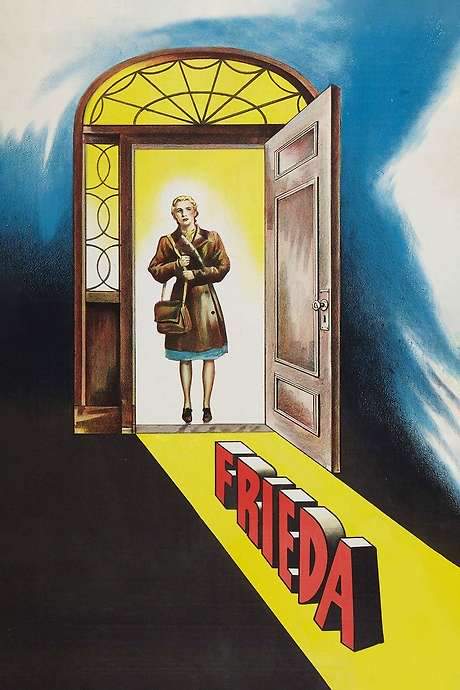
Frieda (1947) movie poster

Characters & Themes

Frieda (1947) Characters, Setting & Themes Explained

Release, runtime and language
1947 · 98 mins · English
Loading streaming availability…
Directed by
Basil Dearden
Starring
David Farrar, Flora Robson, Mai Zetterling, John Ruddock, Barry Jones, Glynis Johns

An RAF pilot shot down over Germany during World II manages to escape with the aid of a local German woman. Years later he returns to his English village and brings her back as his bride, forcing the community to confront the uneasy question of whether they can accept the woman who once helped a enemy pilot survive.

On this page (8)
  1. 1 Where to watch
  2. 2 Characters explained (7)
  3. 3 Where & when it takes place
  4. 4 Themes & meaning (4)
  5. 5 Character & meaning questions
  6. 6 Movie threads
  7. 7 Movies like Frieda
  8. 8 Every angle
Loading streaming availability…

7 main characters · contains spoilers

Frieda Characters Explained: Who Is Who

The main characters of Frieda (1947), heroes and villains: what drives them, how they change over the course of the story and what each of them reveals about the film's bigger ideas.

  • Robert Dawson (David Farrar)

    An English airman who helps Frieda escape from a German POW camp and later marries her to secure a British passport. He carries wartime hardness but gradually warms to Frieda and civilian life in Oxfordshire, learning to see her as a person rather than an enemy. His journey is a struggle between duty and compassion, culminating in a renewed sense of hope.

    • ❤️ Romance
    • 🧭 Trust
    • 🗝️ Family
  • Frieda (Mai Zetterling)

    A German woman who risks everything to aid Robert and build a life in England. She faces hostility from the community yet gradually earns acceptance as she grapples with her past and the horrors she and her countrymen have endured. Her love for Robert drives the narrative and tests the limits of loyalty and memory.

    • ❤️ Romance
    • 🛡️ Identity
    • 🧭 Courage
  • Nell Dawson (Flora Robson)

    Robert’s mother, who initially faces Frieda with suspicion but grows to support her integration into the family. Her warmth and resilience help soften the town’s hostility and provide a stabilizing voice in the household. She represents a generational bridge toward acceptance.

    • 👵 Family
    • 🕊️ Acceptance
  • Judy Dawson (Glynis Johns)

    The widow of Robert’s brother, Judy befriends Frieda and secretly develops feelings for Robert. Her presence adds complexity to the household dynamics and highlights competing loyalties within a close-knit family. She becomes a conduit for Frieda’s acceptance into the local circle.

    • 💖 Romance
    • 👭 Friendship
  • Richard (Albert Lieven)

    Frieda’s brother, a Nazi at heart who attempts to assert his loyalty through a swastika as a wedding gift. His admission of Nazi actions triggers a crisis of trust and a confrontation that tests Frieda’s sense of self and Robert’s commitment to her. His presence intensifies the film’s meditation on guilt and atonement.

    • 🩸 War crimes
    • 🗡️ Betrayal
  • Tony Dawson (Ray Jackson)

    Robert’s small stepbrother, a child whose innocence represents the future hopes of the family and community. His presence underscores the stakes of reconciliation and a peaceful postwar life for which Frieda and the others yearn. He serves as a symbol of renewal amid the scars of war.

    • 🌟 Hope
    • 👶 Family
  • Mrs Dawson (Barbara Everest)

    Robert’s mother, a figure of family protection who navigates the tension between preserving tradition and embracing change. Her stance helps frame Frieda’s acceptance within the domestic sphere and reflects broader generational attitudes toward the war’s conclusion. She embodies a pragmatic, protective love for her son and his future.

    • 🛡️ Protection
    • 👪 Family

Last updated: October 04, 2025 at 14:17

Was this helpful?

Setting

Where and When Does Frieda Take Place?

The setting of Frieda (1947): the year and time period, the places and locations, and how they shape the characters, the mood and the tension of the story.

Time period

Late World War II (1944-1945)

The story unfolds in the final stages of World War II, when danger, loyalties, and survival dominate daily life. Personal lives are molded by occupation, escape, and the search for a safer future beyond the front lines. The narrative culminates in the immediate postwar period, as a small town confronts its biases and memories.

Location

German prisoner-of-war camp, church between the Russian-German front lines, Oxfordshire, England

The action moves from a German POW camp at the war’s end to a church set on the tense front between Russian and German lines, then to a quiet English town in Oxfordshire. These locations anchor Frieda’s peril, her clandestine marriage, and her gradual integration into a wary rural community. The English countryside becomes a backdrop for healing and the slow acceptance of a German woman by locals.

  • ⚔️ War front
  • 🏞️ English countryside
  • 🕊️ Postwar transition

Last updated: October 04, 2025 at 14:17

Was this helpful?

4 major themes

Frieda Meaning: Themes & Message Explained

What is Frieda (1947) really about? The emotional, social and philosophical themes the film keeps returning to, its symbolism and the message beneath the surface.

  • Forbidden Love

    Two people from enemy backgrounds pursue affection despite wartime hostility. Their bond challenges inherited prejudices and forces them to confront how love can transcend national enmities. The relationship is tested by suspicion, fear, and the shadow of war crimes. Ultimately, it offers a message of hope that humanity can survive even in divided times.

  • Prejudice

    The town’s initial hostility toward Frieda exposes how collective bias can poison communities. As Frieda and Robert build a life together, small acts of acceptance reveal the possibility of change. Aunt Eleanor’s attitudes illustrate lingering anti-German sentiment, while the story argues that empathy is crucial for reconciliation. Prejudice is shown both as a toxin and something that can be overcome.

  • War Brutality

    The film directly confronts the cruelty of Nazi actions and the moral scars of combat. Frieda’s brother Richard embodies fanatic loyalty, and his revelations trigger a confrontation that tests Frieda’s identity and Robert’s loyalties. The Bergen-Belsen imagery in the film within the film starkly exposes wartime horrors. Characters react differently, revealing the spectrum of responses to brutality.

  • Forgiveness

    The story centers on choosing trust across cultural divides and the possibility of healing after trauma. Robert’s renewed faith in Frieda, despite accusations from her brother, signals a deeper human connection. Grandma-like wisdom from Eleanor underscores that empathy can triumph over prejudice. The arc culminates in a shared commitment to a future built on understanding rather than fear.

Last updated: October 04, 2025 at 14:17

Was this helpful?

Character & theme questions

Frieda Characters & Meaning: Your Questions Answered

The questions people ask about Frieda (1947): who the characters really are, their relationships, what the symbols mean, where it takes place and what the movie is really about. Each answer contains spoilers.

Q1

Where is Frieda set?

Frieda is set across multiple locations, beginning in a German prisoner-of-war camp at the end of World War II, moving to a church situated between Russian and German front lines, and ultimately settling in a quiet English village in Oxfordshire. The English countryside becomes the primary backdrop for Frieda's gradual integration into a wary rural community.

  • oxfordshire
  • england
  • german pow camp
  • church
  • setting locations
Q2

What time period does Frieda depict?

Frieda takes place during the final stages of World War II, specifically from 1944 to 1945. The story begins at the war's end when danger and survival dominate daily life, then extends into the immediate postwar period as a small English town confronts its memories and biases.

  • world war 2
  • 1944
  • 1945
  • postwar
  • time period era
Q3

What are the main themes in Frieda?

Frieda explores several interconnected themes including forbidden love across enemy lines, prejudice and community hostility toward a German woman, the lasting cruelty and moral scars of war, and the possibility of forgiveness and reconciliation. The film argues that empathy can triumph over prejudice while acknowledging the genuine difficulties of healing after trauma.

  • forbidden love
  • prejudice
  • war brutality
  • forgiveness
  • themes meaning
Q4

How does Frieda address prejudice?

The town initially hostility toward Frieda exposes how collective bias can poison communities. Through small acts of acceptance and character arcs like Aunt Eleanor's changing attitudes, the film shows prejudice as both a toxin and something that can be overcome. The story illustrates that lingering anti-German sentiment exists but can be addressed through empathy and understanding.

  • prejudice
  • community
  • acceptance
  • discrimination
  • german wife
Q5

What does Frieda say about forgiveness?

Frieda centers on choosing trust across cultural divides and the possibility of healing after trauma. Robert's renewed faith in Frieda, despite serious accusations from her brother, signals a deeper human connection. The narrative argues that empathy can triumph over fear, culminating in a shared commitment to a future built on understanding rather than vengeance.

  • forgiveness
  • reconciliation
  • trust
  • healing
  • empathy
Q6

Who is Frieda in the story?

Frieda is a German woman who risks everything to help an escaped RAF pilot named Robert Dawson. After helping him flee a POW camp, she later returns to England as his bride, facing hostility from the community while gradually earning acceptance. Her love for Robert drives the narrative and tests the limits of loyalty and memory in postwar society.

  • frieda
  • german woman
  • robert dawson
  • main character
  • mai zetterling
Q7

Who is Robert Dawson in Frieda?

Robert Dawson is an RAF pilot who is shot down over Germany and taken prisoner. With Frieda's help, he escapes from the POW camp and after the war returns to his English village in Oxfordshire, bringing Frieda back as his wife to secure her a British passport. His journey represents a struggle between wartime hardness and growing compassion.

  • robert dawson
  • raf pilot
  • escape pow camp
  • david farrar
Q8

Who is Judy Dawson in Frieda?

Judy Dawson is the widow of Robert's brother and a member of the household. She befriends Frieda while secretly developing romantic feelings for Robert. Her presence adds complexity to the family dynamics and highlights competing loyalties within the close-knit family, serving as a conduit for Frieda's acceptance into the local community.

  • judy dawson
  • glynis johns
  • robert brother widow
  • family dynamics
Q9

How does Frieda handle war brutality themes?

Frieda directly confronts the cruelty of Nazi actions and the moral scars of combat. The film includes a sequence depicting imagery from Bergen-Belsen concentration camp, starkly exposing wartime horrors. Frieda's brother Richard embodies fanatic loyalty, and his revelations trigger a confrontation that tests Frieda's identity and forces characters to confront the spectrum of responses to wartime brutality.

  • war brutality
  • nazi
  • bergen-belsen
  • concentration camp
  • atrocities
Q10

Why was Frieda considered controversial for its time?

Frieda was notable for its frank depiction of a German woman as sympathetic and worthy of acceptance, challenging prevailing postwar attitudes. By showing a German war bride integrating into an English community, the film tackled anti-German sentiment directly and suggested that empathy could bridge divides forged by war, a progressive stance for 1947.

  • controversial
  • british film
  • 1947
  • postwar attitudes
  • german wife
Q11

What does the English countryside represent in Frieda?

The Oxfordshire village serves as more than a backdrop, it represents a community in transition from wartime hatred to postwar reconciliation. The peaceful English countryside contrasts with the violence of war and becomes a space for healing, where Frieda slowly earns acceptance and the townspeople confront their own prejudices.

  • oxfordshire
  • countryside
  • community
  • acceptance
  • reconciliation setting

Movie threads

More Movies Like Frieda, by Mood & Story

Curated lists built around what makes Frieda tick: the same mood, the same kind of story or the same emotional payoff. Each list explains why these movies belong together.

Movies about pressured marriages like Frieda

Relationships strained by external pressures and societal judgment. If you liked the central marital conflict in Frieda, explore more movies like it. This list features dramas where relationships face intense external pressures, from small-town bias to the shadows of war, focusing on the strength and vulnerability of love under fire.

  • tense
  • intimate
  • heavy
  • melancholic
  • hopeful
  • reflective
  • Tone: tense, heavy, intimate
  • Pacing: steady, character-driven
Why these movies?

The story pattern: Stories in this thread typically follow a couple whose union is challenged not just by personal differences, but by a hostile or skeptical environment. The narrative builds tension as the relationship becomes a battleground for larger societal issues, often leading to a crisis that forces both the couple and the community to confront their prejudices.

Why they belong together: These films are grouped together because they share a core focus on the immense pressure placed on a romantic relationship by external circumstances. They create a specific, intimate form of tension and drama, making the personal relationship a lens for exploring larger social themes.


Post-war community drama movies like Frieda

Stories of communities grappling with the aftermath of conflict. For viewers who appreciated Frieda's exploration of post-WWII tensions, this collection features similar movies about the aftermath of war. Discover dramas where communities and individuals face the challenges of reconciliation, prejudice, and rebuilding lives shattered by conflict.

  • melancholic
  • reflective
  • heavy
  • hopeful
  • tense
  • historical
  • Tone: melancholic, reflective, tense
  • Pacing: steady, deliberate
Why these movies?

The story pattern: The narrative pattern involves a character or event that forces a community still reeling from war to confront its wounds and prejudices. The story often explores themes of forgiveness, xenophobia, and the moral complexity of labeling 'enemies,' moving from initial resistance toward a hesitant, hard-won acceptance or understanding.

Why they belong together: These films share a specific historical and emotional setting—the immediate aftermath of war—and a thematic focus on the psychological and social toll of conflict. They are united by a heavy, reflective mood and a central conflict between the desire for normalcy and the lingering shadows of the past.

If you liked this

Movies Like Frieda

Similar movies to Frieda: the same genre, themes or kind of story. Each one comes with its own plot summary, timeline and ending explained.

Browse all movie summaries

Every angle

Frieda (1947) Explained: Plot, Timeline & Characters

Everything about Frieda in one place: what happens in the plot summary, the timeline in chronological order, the characters and meaning and a spoiler-free summary. What's After the Movie adds the cast, box office and post-credit scenes.

Coming soon on iOS and Android

The Plot Explained Movie Summary App

Plot summaries, endings explained and timelines on your phone. Catch up on any movie in minutes, save your favorites and never miss a twist again.

Be the first to know when we launch. Your email stays private, always.

Learn more about the app