Plot Explained Spoilers guaranteed!
Plot Explained

Browse by genre

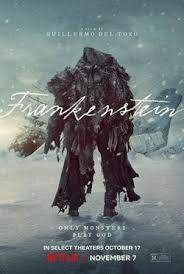
Frankenstein (2025) movie poster

Characters & Themes

Frankenstein (2025) Characters, Setting & Themes Explained

Release, runtime and language
2025 · 2 h 29 m
Echo score 90
Loading streaming availability…
Directed by
Guillermo del Toro
Starring
Oscar Isaac, Ralph Ineson, Charles Dance, Mia Goth, Christian Convery, Felix Kammerer
Budget
$120M

Victor Frankenstein, a brilliant yet selfish scientist, succeeds in animating a stitched‑together being through a grotesque experiment. The creature, desperate for acceptance, becomes a source of terror, and the obsessive quest for control drives both creator and his tragic creation toward inevitable ruin.

On this page (10)
  1. 1 Where to watch
  2. 2 Characters explained (6)
  3. 3 Character relationship map
  4. 4 Where & when it takes place
  5. 5 Themes & meaning (3)
  6. 6 Character & meaning questions
  7. 7 The book behind the movie
  8. 8 Movie threads
  9. 9 Movies like Frankenstein
  10. 10 Every angle
Loading streaming availability…

6 main characters · contains spoilers

Frankenstein Characters Explained: Who Is Who

The main characters of Frankenstein (2025), heroes and villains: what drives them, how they change over the course of the story and what each of them reveals about the film's bigger ideas.

  • Victor Frankenstein (Oscar Isaac)

    A brilliant but arrogant surgeon who is haunted by his mother’s death and driven to 'cure' death through unchecked science. His obsession with creation and control leads him to manipulate life, with tragic consequences for those around him. He alternates between charismatic leadership and cruel discipline, echoing his father's abuses.

    • 🧠 Brilliant
    • 🧨 Obsessive
    • 🦴 Controlling
  • The Creature (Jacob Elordi)

    A being of immense physical power who learns language and humanity by observing others. Cast into isolation, he seeks purpose and companionship while grappling with rage, fear, and longing. His perspective reveals the pain of being feared as a monster simply for existing.

    • 🪨 Powerful
    • 🗣️ Finding voice
    • 🐾 Misunderstood
  • Elizabeth (Mia Goth)

    William’s fiancée who offers a bridge of humanity to the Creature by teaching him to speak and showing kindness. She embodies compassion and resilience, becoming a catalyst that exposes Victor’s moral failure. Her presence deepens the tragedy with a humane counterpoint to the scientist’s arrogance.

    • 💞 Compassion
    • 👗 Grace
    • 🗝️ Catalyst
  • William Frankenstein (Felix Kammerer)

    Victor’s younger brother, favored by their father and caught in the crossfire of Victor’s ambition. His engagement with the Creature’s fate unveils the personal costs of scientific pride. His death marks a turning point that intensifies the moral stakes.

    • 👶 Innocence
    • 🕯️ Hope
    • ⚖️ Innocence lost
  • Captain Anderson (Lars Mikkelsen)

    The pragmatic, duty-bound captain who pursues the Creature across ice and sea. He embodies leadership under extreme pressure and serves as a foil to Victor’s reckless experimentation. His decisions drive the pursuit to its Arctic conclusion.

    • ⚓ Duty
    • 🧭 Pursuit
    • 🧊 Cold resolve
  • Harlander (Christoph Waltz)

    A wealthy patron who funds the experiments, driven by a mix of ambition and a terminal disease. His crude demands push Victor toward a dangerous path, revealing the corrupting influence of power and money on science.

    • 💰 Power
    • 🧪 Corruption
    • ⚖️ Influence

Last updated: October 20, 2026 at 22:44

Was this helpful?

6 characters · 10 connections · contains spoilers

Frankenstein Character Relationship Map

Who is connected to whom in Frankenstein: family, love, friendships, rivalries and hidden ties, colour-coded. Pick a character to see their side of the story, or a connection to see what brings two characters together.

How much of the story to show
VFVictorFrankensteinOscar IsaacTCThe CreatureJacob ElordiEElizabethMia GothWFWilliamFrankensteinFelix KammererCACaptainAndersonLars MikkelsenHHarlanderChristoph Waltz

Last updated: October 20, 2026 at 22:44

Was this helpful?

Setting

Where and When Does Frankenstein Take Place?

The setting of Frankenstein (2025): the year and time period, the places and locations, and how they shape the characters, the mood and the tension of the story.

Time period

1855–1857

Set in the mid-19th century, the narrative sits in a period of rapid scientific curiosity and imperial conflicts. The events reference the era of the Crimean War and a culture that prizes intellectual ambition, often at the expense of ethics. Victorian-era institutions and reforms frame Victor's expulsion and the moral stakes surrounding reanimation experiments.

Location

Horisont ship, Arctic ice, Victor's isolated laboratory tower, a rural farm, ruins of the laboratory, a cave

The story unfolds across a ship trapped in polar ice and the bleak, wind-swept landscapes of a remote Arctic. Key locations include a secluded laboratory tower where dangerous experiments unfold, a nearby farm where an unseen guardian helps a blind family, and the open ice that becomes the pursuit ground and eventual revelation. The settings emphasize isolation, harsh weather, and the tension between scientific ambition and human connection.

  • ❄️ Icebound
  • 🚢 Naval
  • 🧭 Isolation
  • 🏔️ Remote

Last updated: October 20, 2026 at 22:44

Was this helpful?

3 major themes

Frankenstein Meaning: Themes & Message Explained

What is Frankenstein (2025) really about? The emotional, social and philosophical themes the film keeps returning to, its symbolism and the message beneath the surface.

  • Hubris

    The film centers on scientific ambition unchecked by moral responsibility. Victor’s relentless drive to conquer death leads him to make dangerous choices, funding and guiding experiments that threaten those around him. The consequences ripple through the story, blurring the line between genius and monstrosity.

  • Loneliness

    Isolation drives both Victor and the Creature, each seeking belonging in a world that rejects them. The Creature learns language and empathy by observing others, only to confront a society that fears him. Companionship becomes the most coveted, and its denial shapes motive and action.

  • Redemption

    The ending reframes the story as a search for forgiveness rather than revenge. Victor admits fault, and the Creature shows mercy, suggesting possible peace after a cycle of abuse and violence. The final gaze toward sunlight signals a fragile, ambiguous hope rather than triumphant closure.

Last updated: October 20, 2026 at 22:44

Was this helpful?

Character & theme questions

Frankenstein Characters & Meaning: Your Questions Answered

The questions people ask about Frankenstein (2025): who the characters really are, their relationships, what the symbols mean, where it takes place and what the movie is really about. Each answer contains spoilers.

Q1

Where is the movie set?

The story takes place in the Arctic, primarily on a ship trapped in polar ice and surrounding bleak, wind-swept landscapes. Key locations include Victor's isolated laboratory tower, a rural farm where the Creature encounters a blind family, and the open ice that becomes the setting for the final pursuit. These remote, harsh environments emphasize isolation and the tension between scientific ambition and human connection.

  • arctic setting
  • polar ice
  • laboratory
  • remote location
  • isolation
Q2

What time period does the story take place in?

The movie is set between 1855–1857 during the mid-19th century, a period of rapid scientific curiosity and imperial conflicts. The era of the Crimean War and Victorian-era institutions frame the moral stakes surrounding Victor's reanimation experiments. This historical context highlights the tension between intellectual ambition and the ethical constraints of society.

  • 1855
  • 1857
  • Victorian era
  • 19th century
  • Crimean War
  • historical setting
Q3

What are the main themes of the movie?

The film explores three central themes: Hubris, which examines scientific ambition unchecked by moral responsibility; Loneliness, which drives both Victor and the Creature as they each seek belonging in a world that rejects them; and Redemption, which reframes the ending as a search for forgiveness rather than revenge. These themes interconnect to explore the consequences of creation without compassion.

  • themes
  • hubris
  • loneliness
  • redemption
  • scientific ambition
  • morality
Q4

Who is Victor Frankenstein?

Victor Frankenstein is a brilliant but arrogant surgeon portrayed by Oscar Isaac, haunted by his mother's death and driven to 'cure' death through unchecked science. His obsession with creation and control leads him to manipulate life, resulting in tragic consequences for those around him. He alternates between charismatic leadership and cruel discipline, echoing his father's abusive patterns.

  • Victor Frankenstein
  • scientist
  • creator
  • Oscar Isaac
  • ambition
Q5

Who is the Creature in the story?

The Creature, played by Jacob Elordi, is a being of immense physical power who learns language and humanity by observing others. Cast into isolation, he seeks purpose and companionship while grappling with rage, fear, and longing. His perspective reveals the profound pain of being feared as a monster simply for existing.

  • the Creature
  • monster
  • Jacob Elordi
  • creation
  • isolation
Q6

Who is Elizabeth in the movie?

Elizabeth, portrayed by Mia Goth, is William's fiancée who serves as a bridge of humanity to the Creature by teaching him to speak and showing him kindness. She embodies compassion and resilience, becoming a catalyst that exposes Victor's moral failure. Her presence deepens the tragedy with a humane counterpoint to the scientist's arrogance.

  • Elizabeth
  • Mia Goth
  • compassion
  • kindness
  • William
Q7

Who is Captain Anderson?

Captain Anderson, played by Lars Mikkelsen, is the pragmatic, duty-bound captain who pursues the Creature across ice and sea. He embodies leadership under extreme pressure and serves as a foil to Victor's reckless experimentation. His decisions drive the pursuit to its Arctic conclusion.

  • Captain Anderson
  • Lars Mikkelsen
  • captain
  • pursuit
  • leader
Q8

Who is Harlander and what is his role?

Harlander, portrayed by Christoph Waltz, is a wealthy patron who funds Victor's experiments, driven by a mix of ambition and a terminal disease. His crude demands push Victor toward a dangerous path, revealing the corrupting influence of power and money on science.

  • Harlander
  • Christoph Waltz
  • patron
  • funding
  • science
Q9

What is the significance of the Arctic setting?

The Arctic setting symbolizes extreme isolation and the harsh consequences of unchecked ambition. The frozen landscape reflects the emotional coldness between Victor and his creation, while the remote locations emphasize the moral distance between scientific pursuit and human responsibility. The ice becomes both a prison and a place of potential reckoning.

  • arctic
  • ice
  • isolation
  • symbolism
  • environment
Q10

What does the Hubris theme mean in the movie?

The Hubris theme examines how Victor's relentless drive to conquer death leads him to make dangerous choices that threaten those around him. His scientific ambition, unchecked by moral responsibility, blurs the line between genius and monstrosity. The consequences ripple throughout the story, showing how pride in creation can lead to destruction.

  • hubris
  • scientific ambition
  • pride
  • creation
  • consequences
Q11

How does the Loneliness theme affect the story?

The Loneliness theme drives both Victor and the Creature as each seeks belonging in a world that rejects them. The Creature learns language and empathy by observing others, only to confront a society that fears him. This denial of companionship becomes the primary motive shaping both characters' actions and ultimate fates.

  • loneliness
  • isolation
  • belonging
  • companionship
  • rejection
Q12

How does the movie handle the Redemption theme?

The ending reframes the story as a search for forgiveness rather than revenge. Victor admits fault before his death, and the Creature shows mercy, suggesting possible peace after a cycle of abuse and violence. The final gaze toward sunlight signals a fragile, ambiguous hope rather than triumphant closure, leaving redemption as an attainable but uncertain goal.

  • redemption
  • forgiveness
  • ending
  • hope
  • reconciliation

Movie threads

More Movies Like Frankenstein, by Mood & Story

Curated lists built around what makes Frankenstein tick: the same mood, the same kind of story or the same emotional payoff. Each list explains why these movies belong together.

Gothic hubris stories like Frankenstein

Stories about brilliant minds whose ambitions produce monstrous, tragic outcomes. If you enjoyed the dark, tragic themes of Frankenstein, explore more movies like it. This thread gathers gothic tales and sci-fi dramas where brilliant creators are destroyed by their own monstrous ambitions, focusing on heavy emotional weight, ethical dilemmas, and bittersweet or bleak endings.

  • gothic
  • tragic
  • somber
  • melancholic
  • oppressive
  • philosophical
  • Tone: dark, tragic, somber
  • Pacing: variable, with meditative and intense stretches
Why these movies?

The story pattern: Stories in this thread often follow a brilliant but flawed protagonist whose obsessive pursuit of knowledge or power leads them to create something they cannot control. The narrative arc is typically one of tragic downfall, where the creation turns against the creator, exploring themes of responsibility, abandonment, and the irreversible consequences of playing god.

Why they belong together: Movies are grouped here for their shared exploration of hubris and the tragic relationship between creator and creation. They possess a dark, melancholic tone, high emotional intensity, and a focus on the moral and psychological collapse that follows an act of unnatural genesis.
Tragic monster dramas like Frankenstein

Tales of misunderstood beings yearning for connection in a hostile world. For viewers who appreciated the Creature's poignant journey in Frankenstein, this thread finds similar movies about lonely, monstrous outcasts. Discover other tragic stories that explore themes of isolation, the desire for acceptance, and the heavy sadness of being an outsider, often with a melancholic and meditative pace.

  • melancholic
  • tragic
  • lonely
  • somber
  • meditative
  • poignant
  • Tone: melancholic, tragic, somber
  • Pacing: slow to steady, meditative
Why these movies?

The story pattern: The narrative pattern centers on a non-human or monstrous protagonist's emotional journey. It begins with a naive desire for connection, leads to rejection and violence from society, and culminates in a heartbreaking realization of their own irrevocable isolation. The story is often a somber meditation on otherness and the pain of being unwanted.

Why they belong together: These films are connected by their empathetic focus on the monster's point of view. They share a melancholic and somber mood, a heavy sadness score, and a core thematic focus on loneliness, isolation, and the tragic costs of societal rejection.

If you liked this

Movies Like Frankenstein

Similar movies to Frankenstein: the same genre, themes or kind of story. Each one comes with its own plot summary, timeline and ending explained.

Browse all movie summaries

Every angle

Frankenstein (2025) Explained: Plot, Ending, Timeline & Characters

Everything about Frankenstein in one place: what happens in the plot summary, the timeline in chronological order, the characters and meaning, the ending explained and a spoiler-free summary. What's After the Movie adds the cast, box office and post-credit scenes.

Coming soon on iOS and Android

The Plot Explained Movie Summary App

Plot summaries, endings explained and timelines on your phone. Catch up on any movie in minutes, save your favorites and never miss a twist again.

Be the first to know when we launch. Your email stays private, always.

Learn more about the app