Plot Explained Spoilers guaranteed!
Plot Explained

Browse by genre

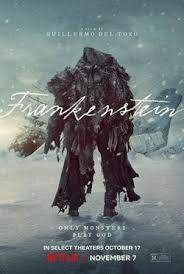
Frankenstein (2025) movie poster

Ending Explained

Frankenstein (2025) Ending Explained – Final Scene & Meaning

Release, runtime and language
2025 · 2 h 29 m
Echo score 90
Loading streaming availability…
Directed by
Guillermo del Toro
Starring
Oscar Isaac, Ralph Ineson, Charles Dance, Mia Goth, Christian Convery, Felix Kammerer
Budget
$120M

Victor Frankenstein, a brilliant yet selfish scientist, succeeds in animating a stitched‑together being through a grotesque experiment. The creature, desperate for acceptance, becomes a source of terror, and the obsessive quest for control drives both creator and his tragic creation toward inevitable ruin.

On this page (8)
  1. 1 Where to watch
  2. 2 What happens at the end
  3. 3 Final events in order
  4. 4 Ending questions answered
  5. 5 The book behind the movie
  6. 6 Movie threads
  7. 7 Movies like Frankenstein
  8. 8 Every angle
Loading streaming availability…

Ending explained · contains spoilers

What Happens at the End of Frankenstein?

How Frankenstein (2025) ends, what the final scene means, which earlier moments set it up and how to read the ending if the film leaves it open. The full ending explained, with every spoiler.

In the film’s closing moments Victor Frankenstein, gravely wounded and surrounded by ice, recounts his tale to the Arctic captain. As his life wanes, he finally drops the mask of arrogance that has defined him throughout the story, admitting his culpability for the deaths of his brother, his fiancée, and countless others. He kneels before the creature—not as a master, but as a man seeking redemption—and asks for forgiveness. The monster, whose own immortality has become a curse, grants it, allowing Victor to die with a measure of peace.

After Victor’s breath fades, the creature stands alone on the frozen shore, watching the ship depart. The camera lingers on his solemn silhouette, suggesting that, freed from the weight of his creator’s condemnation, he must now confront an endless existence on his own terms. The film leaves his fate deliberately open‑ended: he is immortal, yet now carries the possibility of choosing how to live, rather than being driven solely by vengeance.

The tragedy that fuels this resolution is rooted in the brief, tender bond between the creature and Elizabeth, Victor’s intended bride. Their unexpected connection offers the monster a glimpse of humanity, but it also provokes Victor’s jealous rage. When Victor discovers them together on her wedding night, he fires a shot that mortally wounds Elizabeth, and she dies cradled in the creature’s arms, whispering that she never belonged in this world. Her death cements the creature’s turn from seeking acceptance to exacting retribution, while also cementing Victor’s ultimate realization that his own hubris made him the true monster.

Throughout these final scenes, the recurring vision of the flaming angel—once a symbol of Victor’s yearning for divine guidance—transforms into a skeletal visage, mirroring his descent from lofty ambition to bitter remorse. In the end, Frankenstein trades the novel’s bleak conclusion for a bittersweet note: the creator dies absolved, the creature gains a sliver of hope, and the lingering, icy landscape stands as a quiet testament to the monstrous consequences of unchecked ego.

Last updated: December 28, 2025 at 10:50

Was this helpful?

The last 4 events

How Frankenstein Ends: The Final Events in Order

The last events of Frankenstein (2025) in chronological order, the run-up to the ending explained above. The complete timeline has all 15 events, scene by scene.

Open the full timeline
  1. The Spirit of the Forest and the farm family

    The Creature wanders into the woods and finds shelter among a farm family, where a blind grandfather teaches his granddaughter to read. The Creature becomes their unseen helper, earning the villagers' gratitude as the 'Spirit of the Forest' while quietly learning to speak.

    Where
    Countryside farm and woods
  2. Journey to the truth and return to the lab

    Determined to uncover his origins, the Creature travels to the ruined laboratory and studies Victor's records to learn the truth and locate Victor's estate. He later returns to the farm, only to witness wolves attacking the blind man and be forced to flee again.

    Where
    Ruins of laboratory; Victor's estate
  3. Wedding night confrontation and tragedy

    On William and Elizabeth's wedding night, the Creature confronts Victor and demands a companion. Victor refuses, expressing disgust and regret for his creation. Elizabeth tries to defend the Creature and is shot; William dies calling Victor the true monster.

    Where
    Wedding hall
  4. The hunt, siege, and Arctic fate

    The Creature carries Elizabeth to a cave and comforts her as she dies, while Victor pursues the Creature across the Arctic. A dynamite attack fails, and Victor succumbs to his injuries, dying in the cold. The Creature drags the ship into open water and, finally free, reaches toward the sunlight as Anderson turns homeward.

    Where
    Arctic, near the lab ruins

Ending questions answered

Frankenstein Ending: Your Questions Answered

The questions people ask most about the ending of Frankenstein (2025): what the final scene means, how the twist works, what happens to each character and how to read the ending. Each answer contains spoilers.

Q1

Why does Victor Frankenstein ask the creature for forgiveness at the end?

Victor asks for forgiveness because he finally recognizes his own culpability in the tragedy. Throughout the story, he maintained arrogance and blamed the creature for the chaos, but as he dies surrounded by ice, he admits responsibility for his brother's death, Elizabeth's death, and the countless others harmed by his creation. This moment represents his moral reckoning and attempt at redemption before death.

Foreshadowing: Victor's earlier refusal to take responsibility for his creation has been a defining trait throughout the film, making this final admission a stark reversal.

  • victor frankenstein
  • forgiveness
  • redemption
  • death scene
  • confession
Q2

Does the creature forgive Victor in the ending?

Yes, the creature grants Victor forgiveness in the final moments. Despite being abandoned, hunted, and denied acceptance throughout his existence, the creature chooses to forgive his creator as Victor lies dying. This act of mercy fulfills the creature's emotional arc and allows Victor to die with a measure of peace.

Foreshadowing: The creature's brief connection with Elizabeth showed his capacity for tenderness and humanity, foreshadowing his ability to forgive.

  • creature
  • forgiveness
  • mercy
  • resolution
  • emotional arc
Q3

What happens to the creature after Victor dies?

After Victor dies, the creature stands alone on the frozen Arctic shore, watching the ship depart. The film leaves his fate deliberately open-ended. As an immortal being, he is now freed from his creator's condemnation and the cycle of vengeance. The lingering camera on his silhouette suggests he must now decide how to live on his own terms, rather than being driven solely by revenge.

Foreshadowing: The creature's immortality has been established throughout the story, making this eternal existence the logical consequence of Victor's death.

  • creature fate
  • immortality
  • alone
  • arctic
  • new beginning
Q4

Why does Elizabeth die in the creature's arms?

Elizabeth dies in the creature's arms because Victor discovers them together on their wedding night and, consumed by jealous rage, fires a shot that mortally wounds her. Despite being a monster to the world, the creature had formed a genuine connection with Elizabeth, one of the few people who showed him compassion. She dies cradled by him, whispering that she never belonged in this world, cementing his turn from seeking acceptance to seeking vengeance.

Foreshadowing: Their unexpected bond was established earlier in the film, making this tragic outcome a devastating payoff.

  • elizabeth death
  • wedding night
  • tragedy
  • jealousy
  • vengeance
Q5

What does the creature's final scene on the frozen shore represent?

The creature's final scene on the frozen shore represents his newfound freedom and isolation. With Victor dead and forgiveness granted, he is no longer bound by the pursuit of vengeance. However, as an immortal being, he now faces eternal solitude. The lingering camera on his solemn silhouette suggests he must now choose how to live, possibly finding purpose beyond his creator's rejection, while bearing the weight of endless existence.

Foreshadowing: The creature has been defined entirely by his relationship to Victor; his death leaves that purpose suddenly undefined.

  • frozen shore
  • solitude
  • freedom
  • immortality
  • isolation
Q6

Why does Victor finally admit his guilt at the end?

Victor admits his guilt as he faces death, finally dropping the mask of arrogance that defined him throughout the story. The proximity of death strips away his denial and hubris. He acknowledges responsibility for his brother's death, Elizabeth's death, and the numerous other tragedies caused by his creation. This confession to the Arctic captain represents his final moral reckoning.

Foreshadowing: Victor's arrogance and refusal to accept responsibility have been consistent traits, making his reversal in the dying moments all the more significant.

  • victor guilt
  • admission
  • death confession
  • hubris
  • responsibility
Q7

What does the skeletal vision at the end represent?

The skeletal vision represents Victor's transformation from lofty ambition to bitter remorse. Earlier in the film, the flaming angel was a symbol of his yearning for divine recognition and scientific glory. As he descends into tragedy and moral failure, this vision transforms into a skeletal visage, mirroring his spiritual and psychological decay. It visually encapsulates his fall from ambitious scientist to broken, regretful man.

Foreshadowing: The recurring flaming angel appeared throughout Victor's journey, marking his changing psychological state.

  • flaming angel
  • skeletal vision
  • symbolism
  • remorse
  • transformation
Q8

Is the creature free at the end of Frankenstein?

Yes, the creature gains a form of freedom at the end. With Victor dead and having received forgiveness, he is no longer driven by the need for revenge or defined solely by his creator's rejection. However, his freedom is bittersweet, he is immortal and now utterly alone, facing eternity on the frozen Arctic shore. The film suggests he may now choose how to live, but that choice comes with profound isolation.

Foreshadowing: The creature's entire existence has been defined by Victor; his death necessarily changes everything.

  • creature freedom
  • immortality
  • choice
  • isolation
  • bittersweet
Q9

What is the meaning of Frankenstein's ending?

The ending offers a bittersweet resolution: Victor dies absolved through the creature's forgiveness, finding peace in his final moments. The creature gains something like hope, he is freed from vengeance and may now choose his own path. However, this hope is overshadowed by eternal solitude and the monstrous consequences of Victor's hubris. The icy landscape serves as a quiet testament to the tragedy of unchecked ambition, leaving viewers with melancholy rather than resolution.

Foreshadowing: The film's themes of hubris, abandonment, and creation have been building toward this thematic conclusion.

  • ending meaning
  • bittersweet
  • hubris
  • consequences
  • resolution
Q10

Why does Victor shoot Elizabeth on their wedding night?

Victor shoots Elizabeth because he discovers her with the creature and is consumed by jealous rage. Despite having created the creature and then abandoned him, Victor cannot tolerate the one being he created finding acceptance and connection with the woman he intended to marry. This act of jealousy proves that Victor has become the true monster, more concerned with ownership than with love or compassion.

Foreshadowing: Victor's possessive nature and inability to accept the creature as a separate being has been evident throughout the film.

  • victor shoots elizabeth
  • wedding night
  • jealousy
  • possession
  • monster

Movie threads

More Movies Like Frankenstein, by Mood & Story

Curated lists built around what makes Frankenstein tick: the same mood, the same kind of story or the same emotional payoff. Each list explains why these movies belong together.

Gothic hubris stories like Frankenstein

Stories about brilliant minds whose ambitions produce monstrous, tragic outcomes. If you enjoyed the dark, tragic themes of Frankenstein, explore more movies like it. This thread gathers gothic tales and sci-fi dramas where brilliant creators are destroyed by their own monstrous ambitions, focusing on heavy emotional weight, ethical dilemmas, and bittersweet or bleak endings.

  • gothic
  • tragic
  • somber
  • melancholic
  • oppressive
  • philosophical
  • Tone: dark, tragic, somber
  • Pacing: variable, with meditative and intense stretches
Why these movies?

The story pattern: Stories in this thread often follow a brilliant but flawed protagonist whose obsessive pursuit of knowledge or power leads them to create something they cannot control. The narrative arc is typically one of tragic downfall, where the creation turns against the creator, exploring themes of responsibility, abandonment, and the irreversible consequences of playing god.

Why they belong together: Movies are grouped here for their shared exploration of hubris and the tragic relationship between creator and creation. They possess a dark, melancholic tone, high emotional intensity, and a focus on the moral and psychological collapse that follows an act of unnatural genesis.
Tragic monster dramas like Frankenstein

Tales of misunderstood beings yearning for connection in a hostile world. For viewers who appreciated the Creature's poignant journey in Frankenstein, this thread finds similar movies about lonely, monstrous outcasts. Discover other tragic stories that explore themes of isolation, the desire for acceptance, and the heavy sadness of being an outsider, often with a melancholic and meditative pace.

  • melancholic
  • tragic
  • lonely
  • somber
  • meditative
  • poignant
  • Tone: melancholic, tragic, somber
  • Pacing: slow to steady, meditative
Why these movies?

The story pattern: The narrative pattern centers on a non-human or monstrous protagonist's emotional journey. It begins with a naive desire for connection, leads to rejection and violence from society, and culminates in a heartbreaking realization of their own irrevocable isolation. The story is often a somber meditation on otherness and the pain of being unwanted.

Why they belong together: These films are connected by their empathetic focus on the monster's point of view. They share a melancholic and somber mood, a heavy sadness score, and a core thematic focus on loneliness, isolation, and the tragic costs of societal rejection.

If you liked this

Movies Like Frankenstein

Similar movies to Frankenstein: the same genre, themes or kind of story. Each one comes with its own plot summary, timeline and ending explained.

Browse all movie summaries

Every angle

Frankenstein (2025) Explained: Plot, Ending, Timeline & Characters

Everything about Frankenstein in one place: what happens in the plot summary, the timeline in chronological order, the characters and meaning, the ending explained and a spoiler-free summary. What's After the Movie adds the cast, box office and post-credit scenes.

Coming soon on iOS and Android

The Plot Explained Movie Summary App

Plot summaries, endings explained and timelines on your phone. Catch up on any movie in minutes, save your favorites and never miss a twist again.

Be the first to know when we launch. Your email stays private, always.

Learn more about the app