Michael and Dafna are overwhelmed by the tragic loss of their son, Jonathan, and struggle to cope with their grief. As they navigate the bureaucratic processes surrounding his death, they are confronted with unexpected and unsettling circumstances. Michael’s despair intensifies, leading him on a surreal and disorienting journey that reflects the confusing and traumatic experiences his son faced during his military service. The film explores themes of loss, grief, and the absurdity of institutional responses to personal tragedy.
Find where to stream, rent, or buy Foxtrot (2017) in the US with current JustWatch availability, up-to-date pricing, and platform listings for subscription, rental, and digital purchase options.
Warning: spoilers below!
Haven’t seen Foxtrot yet? This summary contains major spoilers. Bookmark the page, watch the movie, and come back for the full breakdown. If you're ready, scroll on and relive the story!
Trace every key event in Foxtrot (2017) with our detailed, chronological timeline. Perfect for unpacking nonlinear stories, spotting hidden connections, and understanding how each scene builds toward the film’s climax. Whether you're revisiting or decoding for the first time, this timeline gives you the full picture.
Last updated: October 09, 2025 at 16:21
Find frequently asked questions about the Foxtrot (2017) timeline, including chronological order, nonlinear jumps, cause-and-effect links, and scene sequence clarifications. This timeline FAQ helps explain when key events happen, how moments connect, and why the story unfolds in that specific order.
Jonathan was serving his mandatory military service in the Israel Defense Forces and was assigned to guard a desolate checkpoint in the desert. He and three other soldiers lived in a dilapidated cargo container, spending long, monotonous hours with nothing to do but wait and pass the time. This remote assignment placed him in the position where the fatal incident would later occur.
Earlier in the film, Jonathan tells his fellow soldiers a story about his father's past to pass the time, establishing the isolated and boring nature of their posting.
One night, a car carrying four Palestinians approached the checkpoint. When a beer can rolled out from the vehicle, one of the soldiers mistook it for a grenade. In the ensuing panic and confusion, Jonathan opened fire, killing all four Palestinians. The soldiers had been on edge and interpreted the unknown object as a threat.
The timeline establishes that the soldiers had been living in isolation with long, quiet hours, creating tension that would explode when they perceived a threat.
After the shooting, senior IDF officers arrived and made the decision to bury the car with the deceased still inside. This was done to cover up the incident and avoid international scrutiny. The officers warned the soldiers not to disclose what happened, treating it as an internal matter rather than a documented military operation.
The officers' swift arrival suggests pre-existing protocols for managing embarrassing incidents, hinting at a culture of concealment.
Jonathan did not die in the checkpoint shooting. He was killed later, during the journey back home. While being driven toward Tel Aviv in a military vehicle, the driver swerved to avoid a camel on the narrow desert road, and the vehicle rolled down an embankment. Jonathan died in this accident, arriving home not as a soldier but as a casualty.
The earlier scene where Michael receives a call saying Jonathan will return home with him creates hope that is later shattered by this tragic outcome.
When the IDF first notified Michael and Daphna that their son had died, they delivered the news with clinical detachment, withholding details about where and how he died. Hours later, the Feldmans learned there had been a terrible error, it was another Jonathan Feldman who was killed, not their son. This bureaucratic mix-up briefly gave the parents hope before the devastating truth emerged.
The cold, bureaucratic handling of the initial notification establishes the film's theme of institutional failure to address human tragedy.
Jonathan's final drawing shows a bulldozer carrying a car, which becomes a focal point for his parents' guilt and blame during his twentieth birthday commemoration. Michael and Daphna each interpret the drawing differently, with each one seeing themselves as the vulnerable car and the other as the powerful, destructive bulldozer. The drawing symbolizes their fractured relationship and the shifting power dynamics of guilt between them.
The drawing appears after Jonathan's death, making it a posthumous message that each parent moldsto fit their own narrative of responsibility.
After learning of the mix-up, Michael became desperate to bring his son home as quickly as possible. He pulled strings and leveraged connections to speed up the process, insisting on an immediate homecoming rather than waiting for the official channels. His urgency was driven by a need to regain control over his family's fate after the traumatic notification, though this urgency would prove tragically ironic given how Jonathan ultimately died.
Michael's need for control reflects his earlier confession about feeling complicit in his own wartime losses, suggesting a pattern of trying to manage the uncontrollable.
Michael revealed that during his own army service, he witnessed the deaths of several members of his unit and blamed himself for their deaths. He described Jonathan's birth as a kind of absolution for those past losses, the birth of his son had felt like redemption for the guilt he carried from his military past. This confession added another layer of grief, as he now faced losing the son who had represented his only salvation from previous trauma.
This confession connects Michael's intense reaction to Jonathan's death with his own unresolved guilt from decades earlier, deepening the film's exploration of inherited trauma.
The grief of losing Jonathan drove a wedge between Michael and Daphna. Six months after his death, they had already separated, each blaming the other's choices and temperament for the tragedy. Their marriage became a battlefield of memory and guilt, with the unresolved grief and mutual blame making it impossible for them to stay together.
The tension between them is visible from the initial notification, where their different coping mechanisms begin to create friction.
Discover curated groups of movies connected by mood, themes, and story style. Browse collections built around emotion, atmosphere, and narrative focus to easily find films that match what you feel like watching right now.
Stories where intense loss distorts reality into a disorienting dreamscape.For viewers seeking movies like Foxtrot that explore grief through a surreal and disorienting lens. These films use dreamlike atmospheres and non-linear storytelling to convey the psychological impact of loss, creating a powerful and immersive emotional experience.
The narrative pattern follows characters navigating a significant personal tragedy, often the death of a loved one. As their grief intensifies, their perception of reality becomes fractured. The story structure may become non-linear or incorporate symbolic, surreal sequences that reflect their internal state rather than objective events.
Movies are grouped here based on their shared use of surrealism and psychological distortion as a primary method for exploring heavy themes of grief and loss. They share a melancholic tone, slow pacing to sit with the emotion, and a high emotional intensity that pulls the viewer into the character's subjective pain.

When personal catastrophe collides with the cold, illogical machinery of institutions.If you liked the theme of bureaucratic absurdity in Foxtrot, this list features similar movies where characters face cold, illogical systems after a personal disaster. These stories explore the tension and dark irony that arises when grief meets institutional indifference.
The narrative revolves around a central tragic event that brings the protagonist into contact with a large, impersonal organization—be it military, governmental, corporate, or medical. The conflict is driven by the frustrating and often surreal obstacles created by rules, paperwork, and unfeeling officials, compounding the character's emotional distress.
These films are connected by their focus on the thematic conflict between human emotion and systemic indifference. They share a tone that blends melancholy with a specific kind of tense, ironic frustration. The pacing is often deliberate, allowing the absurdities to build, and the emotional weight is significant due to the underlying tragedy.
Don't stop at just watching - explore Foxtrot in full detail. From the complete plot summary and scene-by-scene timeline to character breakdowns, thematic analysis, and a deep dive into the ending - every page helps you truly understand what Foxtrot is all about. Plus, discover what's next after the movie.
Read a complete plot summary of Foxtrot, including all key story points, character arcs, and turning points. This in-depth recap is ideal for understanding the narrative structure or reviewing what happened in the movie.
Discover the characters, locations, and core themes that shape Foxtrot. Get insights into symbolic elements, setting significance, and deeper narrative meaning - ideal for thematic analysis and movie breakdowns.
Discover movies like Foxtrot that share similar genres, themes, and storytelling elements. Whether you’re drawn to the atmosphere, character arcs, or plot structure, these curated recommendations will help you explore more films you’ll love.
Foxtrot (2017) Plot Summary & Movie Recap
Foxtrot (2017) Scene-by-Scene Movie Timeline
Foxtrot (2017) Spoiler-Free Summary & Key Flow
Movies Like Foxtrot – Similar Titles You’ll Enjoy
A Son (2021) Story Summary & Characters
Footnote (2012) Full Summary & Key Details
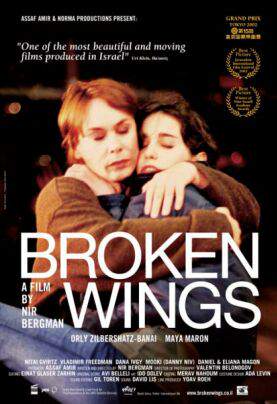
Knafayim Shvurot (2004) Complete Plot Breakdown
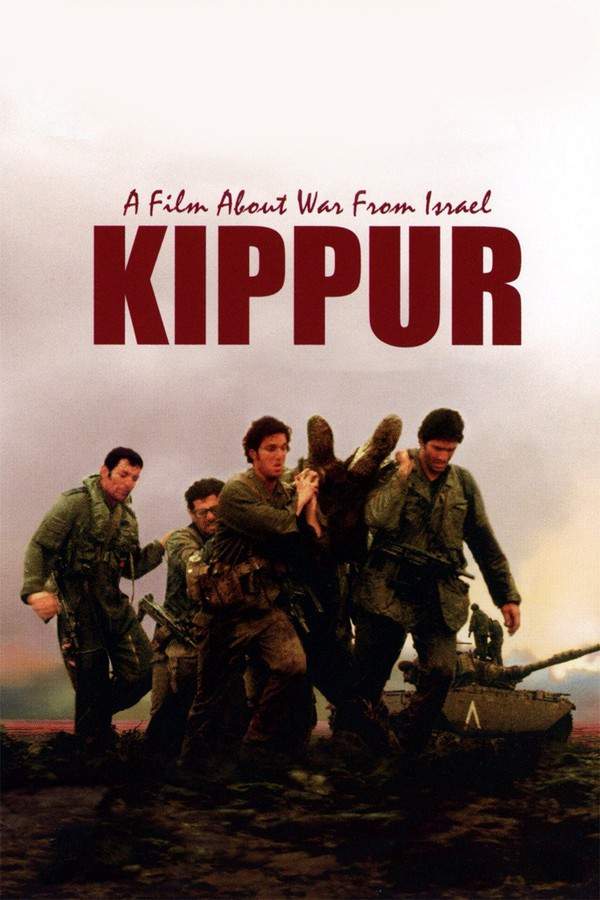
Kippur (2000) Complete Plot Breakdown
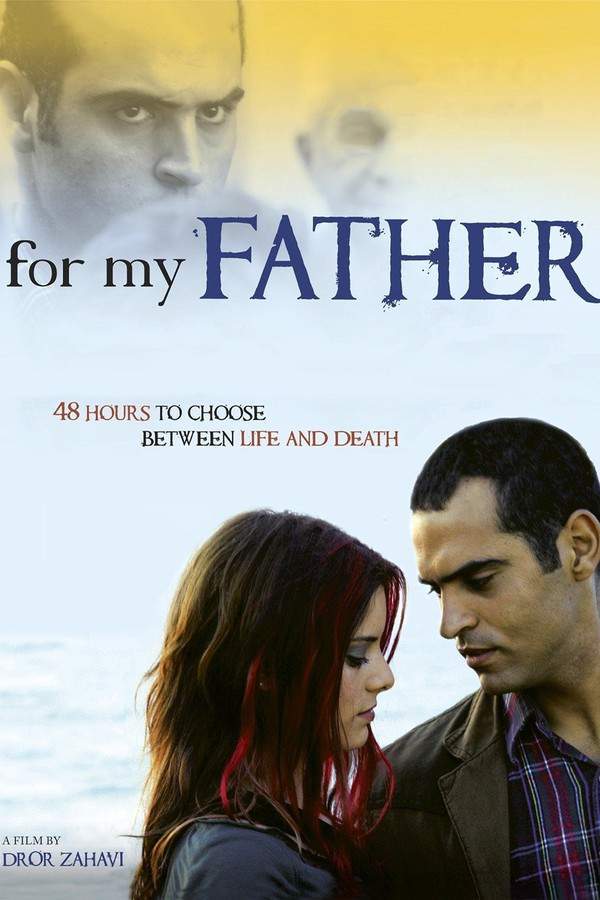
For My Father (2010) Complete Plot Breakdown
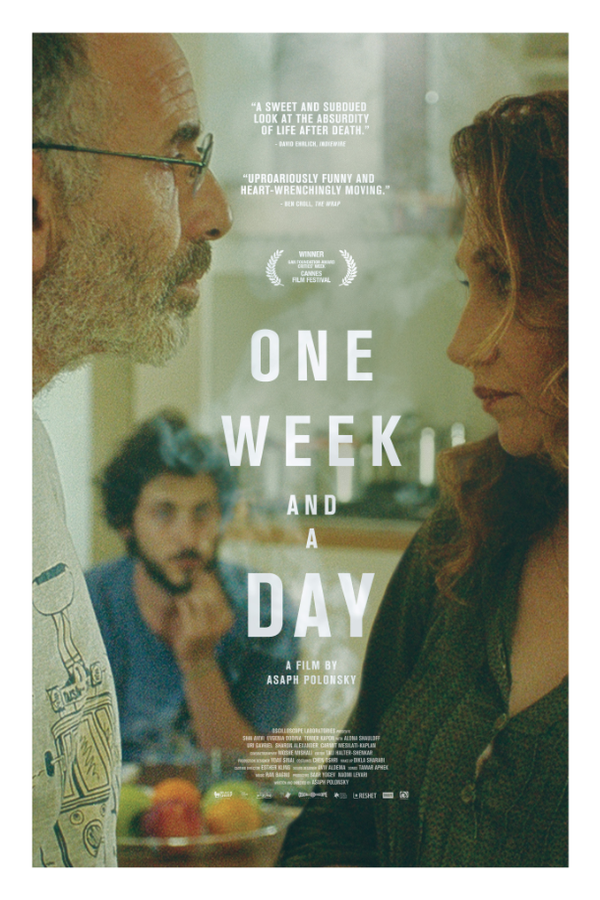
One Week and a Day (2017) Story Summary & Characters
Tel Aviv on Fire (2019) Plot Summary & Ending Explained
A Tale of Love and Darkness (2016) Movie Recap & Themes
Forgiveness (2008) Detailed Story Recap
Late Summer Blues (1987) Detailed Story Recap
I Don’t Give a Damn (1987) Movie Recap & Themes
I Don’t Give a Damn (1987) Full Movie Breakdown
Things (1995) Full Movie Breakdown
For My Father (2008) Story Summary & Characters
My Michael (1974) Full Movie Breakdown