Plot Explained Spoilers guaranteed!
Plot Explained

Browse by genre

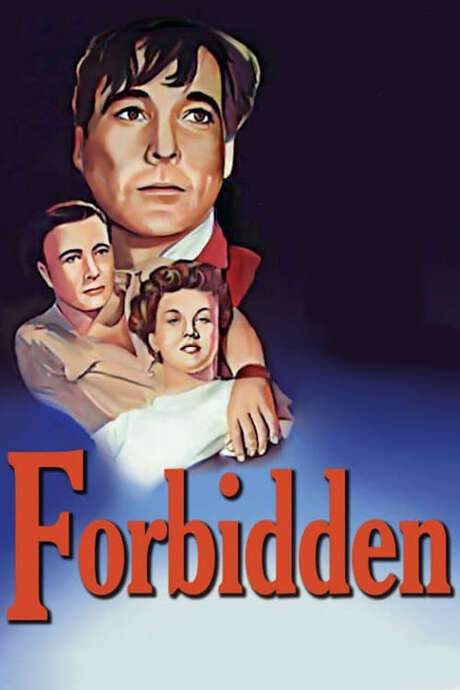
Forbidden Games (1995) movie poster

Timeline

Forbidden Games (1995) Timeline Explained – Every Event in Order

Release, runtime and language
1995 · 89 mins · English
Loading streaming availability…
Starring
Lesli Kay, Gail Harris, Amy Weber, Griffin Drew, Edward Holzman, Teresa Langley

Michael, a private investigator with psychic powers that let him subconsciously spot clues, is hired to investigate the death of wealthy Charles, whose fortune is set for his wife and daughter. As Michael untangles evidence, he must decide if the death was accidental or murder, while suspects—including a mistress, a nude‑modeling agency, and others who could benefit—loom.

On this page (6)
  1. 1 Where to watch
  2. 2 Events in order (12)
  3. 3 Timeline questions answered
  4. 4 Movie threads
  5. 5 Movies like Forbidden Games
  6. 6 Every angle
Loading streaming availability…

12 events in order · contains spoilers

Forbidden Games Timeline: Events in Chronological Order

Every key event of Forbidden Games (1995) in order, scene by scene, with when and where it takes place. Use it to untangle flashbacks, time jumps and parallel storylines, to refresh your memory before the sequel or to find the exact scene you are thinking of.

  1. Air attack and loss

    In June 1940, a German air attack hits a column of refugees fleeing Paris during the Battle of France, killing Paulette's parents and her pet dog. The tragedy leaves the five-year-old traumatized and alone. This moment sets the darker tone for the story that follows.

    When
    June 1940
    Where
    Near Paris, France
  2. Paulette is taken in by Michel's family

    Paulette meets ten-year-old Michel Dollé and is taken in by his peasant family. She quickly forms an attachment to Michel and begins to feel safer despite the surrounding devastation. The adults attempt to shield her from the worst of the war.

    When
    June 1940
    Where
    Dollé household, French countryside
  3. A shared coping ritual: building a cemetery

    To cope with the loss and chaos, the children secretly build a small cemetery among the ruins of an abandoned watermill. They bury Paulette's dog and begin to bury other animals there. They mark the graves with crosses taken from a local graveyard, creating a shrine of sorts in the ruins.

    When
    June–July 1940
    Where
    Ruins of an abandoned watermill
  4. Crosses stolen from the graveyard

    The grave crosses are taken from a nearby graveyard, including one that belonged to Michel's brother. The theft links their private grief to the wider war and intensifies the secret burden they carry. The makeshift cemetery becomes both sanctuary and secret duty.

    When
    Summer 1940
    Where
    Abandoned watermill cemetery
  5. Father suspects a neighbor

    Michel's father initially suspects the neighbor stole the crosses from the graveyard. The suspicion fuels tension within the family as they navigate survival and the risk of exposure. The war's chaos makes every small act feel perilous.

    When
    June 1940
    Where
    Dollé household
  6. The truth about the stolen cross is revealed

    Eventually the father discovers that Michel was the thief who took the cross. The revelation strains trust within the Dollé family and threatens Paulette's safety if the truth comes out. The incident underscores how far Michel has gone to protect Paulette amid fear of separation.

    When
    June 1940
    Where
    Dollé household
  7. Gendarmes come for Paulette

    French gendarmes come to the Dollé household to take Paulette away. Michel pleads with his father to spare her from separation and offers to reveal where the crosses are hidden in exchange. The looming threat of removal heightens the emotional stakes for both children.

    When
    June 1940
    Where
    Dollé household
  8. The broken promise and destruction of crosses

    When the father does not keep his promise, Michel destroys the crosses by throwing them into the stream near the watermill. The act ends the private shrine they built and marks a moral compromise in a child’s attempt to shield Paulette. The destruction also leaves them with little to hold onto as the war presses in.

    When
    June 1940
    Where
    Stream near watermill
  9. Paulette goes to Red Cross camp

    Paulette is sent to a Red Cross camp, separating her from the life she shared with Michel. The move foreshadows a more uncertain future amidst wartime displacement. The camp becomes the new setting for her continued longing and vulnerability.

    When
    Mid-1940
    Where
    Red Cross camp
  10. Paulette's longing for Michel and mother

    In the final scenes, Paulette runs toward a crowd at the camp, crying for Michel and then for her mother. The moment emphasizes the powerful bond formed through their shared trauma. It leaves the resolution open, with the war continuing to shape her future.

    When
    End of the film
    Where
    Red Cross camp
  11. Memorial ritual amid war

    Throughout the story, the makeshift cemetery becomes a space for memory and mourning as the children try to give meaning to their losses. Each grave marks a small, personal story against the vastness of the war. The ritual sustains their connection to each other in difficult times.

    When
    Summer 1940
    Where
    Ruins of watermill cemetery
  12. Final image and unresolved fate

    The closing image suggests that Paulette's sense of home has been permanently altered by the war. The crowded camp scene embodies both protection and fragility for refugees. The film ends on a note of enduring longing rather than a tidy resolution.

    When
    End of the film
    Where
    Red Cross camp

Last updated: February 17, 2026 at 19:58

Was this helpful?

Timeline questions answered

Forbidden Games Timeline Explained: Your Questions Answered

When does it happen, and why in that order? The questions people ask about the chronology of Forbidden Games (1995): time jumps, flashbacks, cause and effect between scenes and the correct order of events, each answered with spoilers.

Q1

Why do Paulette and Michel build a secret cemetery in the ruins?

The children build the cemetery as a way to cope with their traumatic losses. After Paulette witnesses her parents and dog die in the air raid, she and Michel create this private ritual to give meaning to death amid the chaos of war. The cemetery becomes a sacred space where they can remember their losses and exercise some control over the randomness of violence surrounding them. This act of creating graves and marking them with crosses gives them a sense of purpose and connection to each other.

  • cemetery
  • children
  • trauma
  • coping
  • war
Q2

Why do Michel and Paulette steal crosses from the local graveyard?

The children steal crosses from the graveyard to mark the graves in their makeshift cemetery. They use whatever they can find to create proper-looking graves, believing the crosses give dignity and meaning to the burials. The crosses transform simple animal burials into something that resembles a real cemetery, making their ritual feel more legitimate and respectful. This act of theft also connects their private grief to the wider community of loss surrounding them during wartime.

  • crosses
  • graveyard
  • theft
  • burial ritual
Q3

Why does Michel destroy the crosses at the end?

Michel destroys the crosses because his father promised to help Paulette stay if Michel revealed where the stolen crosses were hidden, but the father failed to keep his word when the authorities came. Feeling betrayed and desperate to erase the evidence of their secret, Michel throws all the crosses into the stream near the watermill. This act represents his final, desperate attempt to protect Paulette by eliminating the proof of their theft, even though it also destroys the sacred space they built together. It is a childs flawed solution to an impossible situation.

  • crosses
  • destruction
  • stream
  • betrayal
Q4

Why do the French authorities come to take Paulette away?

The French gendarmies come to remove Paulette from the Dollé family as part of wartime protocol for unaccompanied children. After losing her parents in the air raid, Paulette is considered a war orphan who must be placed under official care. The authorities represent the bureaucratic reality of wartime displacement, where children separated from their families are relocated to organized camps for their protection and documentation. This separation threat looms over the children throughout the film.

  • gendarmes
  • authorities
  • separation
  • orphan
Q5

Why does Michel's father not keep his promise to help Paulette stay?

Michel's father is caught between his love for Paulette and the practical realities of wartime survival. While he initially agrees to help keep Paulette in exchange for Michel revealing the hidden crosses, he likely realizes that the authorities will not be swayed by this information. The stolen crosses, especially the one belonging to his deceased son, represent a serious matter that could bring shame and consequences to the family. When the authorities arrive, he is unable to prevent Paulette's removal, either because the system does not allow exceptions or because he lacks the power to oppose official orders.

  • father
  • promise
  • authority
  • survival
Q6

What happened to Michel's brother and why does his cross matter?

Michel had a brother who died before the events of the film, and his cross from the graveyard belonged to that brother. This makes the theft particularly significant - Michel is literally taking his dead brother's memorial to create a cemetery for Paulette's dog and other animals. The cross represents Michel's own grief and loss, which he channels into helping Paulette cope with her trauma. When the truth is revealed that Michel stole even his own brother's cross, it shows how far he is willing to go for Paulette and how deeply their shared trauma has connected them.

  • brother
  • death
  • cross
  • family loss
Q7

What is Paulette crying for at the end of the movie?

At the end of the film, Paulette runs away from the Red Cross camp crowd crying out for both Michel and her mother. She is calling for the two people who represented safety and love in her life - Michel, who became her protector and companion in the Dollé household, and her mother who died in the air raid. The moment captures her profound sense of loss and abandonment. She is torn between the memory of her biological family and the new family she formed with Michel, unable to fully process so many losses at once.

  • crying
  • ending
  • separation
  • loss
Q8

Why do Paulette and Michel bury other animals besides her dog?

Beyond burying Paulette's dead dog, the children begin burying any dead animals they find in the war-torn landscape around them. This expands their cemetery into a broader act of mourning for all the death they witness daily. Each burial becomes an opportunity to perform their meaningful ritual, giving them a sense of purpose amid the randomness of war. The act of properly burying creatures gives them a feeling of control and compassion in a world where they are powerless to stop the violence destroying their lives.

  • animals
  • burial
  • death
  • ritual
Q9

What do the crosses represent to the children?

The crosses represent dignity, memory, and sacred remembrance in the midst of destruction. By placing crosses on the graves, the children transform simple animal burials into something that resembles a proper cemetery, giving their losses the respect they saw in the real graveyard. The crosses connect their private grief to the larger community of mourning around them. For Michel especially, taking his own brother's cross shows he values the memory of his brother but is willing to sacrifice even family memorials to help Paulette cope with her trauma.

  • crosses
  • memory
  • sacred
  • remembrance
Q10

Why does Michel take the cross that belonged to his brother?

Michel takes his brother's cross because he wants to give Paulette's dog burial the most meaningful marker available. His brother's cross represents the most sacred and personal cross he could find. Michel rationalizes that his brother, who already understood death, would want to help comfort Paulette. This act shows how deeply Michel has bonded with Paulette - he is willing to use even his family's most precious memorial to help her heal. It also reveals how the trauma has blurred the boundaries of acceptable behavior for both children.

  • brother cross
  • sacrifice
  • stealing

Movie threads

More Movies Like Forbidden Games, by Mood & Story

Curated lists built around what makes Forbidden Games tick: the same mood, the same kind of story or the same emotional payoff. Each list explains why these movies belong together.

Movies about lost innocence like Forbidden Games

Stories where a child's world is shattered by traumatic events. If the portrayal of a child facing devastating loss in Forbidden Games moved you, this collection features similar stories. These films explore childhood trauma, grief, and the painful transition into a harder world, capturing a uniquely poignant and somber mood.

  • childhood trauma
  • grief
  • loss of innocence
  • somber
  • poignant
  • melancholic
  • Tone: melancholic, somber, tragic
  • Pacing: slow, contemplative
Why these movies?

The story pattern: The narrative follows a child's perspective as their peaceful world is irrevocably broken by an external event—often death, war, or violence. The story focuses on their emotional journey, their attempts to cope using limited understanding, and the ultimate loss of their innocence.

Why they belong together: These movies are grouped together because they share a central focus on a child protagonist grappling with trauma. They create a specific, heavy emotional tone built on melancholic reflection, a slow, observant pace, and a profound sense of sadness stemming from the collision of innocence with harsh reality.

Somber and melancholic movies like Forbidden Games

Films defined by a pervasive mood of gentle, deep sadness. For viewers who appreciated the profound melancholic tone of Forbidden Games, this list highlights films with a similar mood. Find other slow-paced, emotionally heavy dramas that explore grief and trauma with a somber, introspective, and deeply moving approach.

  • melancholic
  • somber
  • grief
  • traumatic
  • desperate
  • contemplative
  • Tone: melancholic, somber, desperate
  • Pacing: slow, deliberate
Why these movies?

The story pattern: Narratives in this thread unfold slowly, allowing emotions to simmer. The plot often serves as a framework to explore internal states of grief, regret, or longing. Conflicts are psychological and internal, resulting in endings that are typically sad or bittersweet, emphasizing emotional resonance over tidy resolutions.

Why they belong together: This thread connects films through their shared dominant mood of melancholy. The similarity is not just thematic but tonal; these films feel similar because of their slow pacing, heavy emotional weight, and a consistent, somber atmosphere that prioritizes emotional truth over narrative excitement.

If you liked this

Movies Like Forbidden Games

Similar movies to Forbidden Games: the same genre, themes or kind of story. Each one comes with its own plot summary, timeline and ending explained.

Browse all movie summaries

Every angle

Forbidden Games (1995) Explained: Plot, Timeline & Characters

Everything about Forbidden Games in one place: what happens in the plot summary, the timeline in chronological order, the characters and meaning and a spoiler-free summary. What's After the Movie adds the cast, box office and post-credit scenes.

Coming soon on iOS and Android

The Plot Explained Movie Summary App

Plot summaries, endings explained and timelines on your phone. Catch up on any movie in minutes, save your favorites and never miss a twist again.

Be the first to know when we launch. Your email stays private, always.

Learn more about the app