
Fill the Void
Year: 2013
Runtime: 90 min
Language: Hebrew
Director: Rama Burshtein
Following the tragic and sudden death of a young woman, her family is left reeling from grief and facing difficult decisions rooted in tradition. To maintain family honor and stability, the deceased’s younger sister, just eighteen years old, unexpectedly finds herself engaged to her deceased sister's husband, forcing her to confront complex emotions and responsibilities. The film explores themes of loss, duty, and the weight of cultural expectations within a close-knit community.
Where to Watch Fill the Void?
Find where to stream, rent, or buy Fill the Void (2013) in the US with current JustWatch availability, up-to-date pricing, and platform listings for subscription, rental, and digital purchase options.






Warning: spoilers below!
Haven’t seen Fill the Void yet? This summary contains major spoilers. Bookmark the page, watch the movie, and come back for the full breakdown. If you're ready, scroll on and relive the story!
Timeline – Fill the Void (2013)
Trace every key event in Fill the Void (2013) with our detailed, chronological timeline. Perfect for unpacking nonlinear stories, spotting hidden connections, and understanding how each scene builds toward the film’s climax. Whether you're revisiting or decoding for the first time, this timeline gives you the full picture.
Last updated: November 16, 2024 at 15:34
Fill the Void (2013) Timeline Questions Answered – Chronology FAQ
Find frequently asked questions about the Fill the Void (2013) timeline, including chronological order, nonlinear jumps, cause-and-effect links, and scene sequence clarifications. This timeline FAQ helps explain when key events happen, how moments connect, and why the story unfolds in that specific order.
Why did Shira's father postpone her engagement after Esther's death?
Shira's father decided to postpone the engagement because he didn't want a sense of emptiness in the household during the family's grief. He felt that proceeding with the wedding so soon after losing Esther would highlight the void left by her absence and make the mourning period more painful for everyone.
Earlier, Shira is described as filled with anticipation for her upcoming marriage, making the sudden postponement even more devastating.
Why did Shira's mother suggest she marry Yochay instead of the widow in Belgium?
Rivka suggested Shira marry Yochay because she couldn't bear the thought of Mordechai being taken away to Belgium. By having Shira marry Yochay, the baby would remain part of the Mendelman family, keeping their lineage and connection to their deceased daughter intact.
The film establishes that Shira has been caring for Mordechai during Yochay's visits, creating a natural bond.
Why did the rabbi refuse to sanction Shira and Yochay's marriage at first?
The rabbi refused because he sensed Shira's uncertainty about the marriage. She was conflicted about her feelings and wasn't genuinely convinced she wanted to spend her life with Yochay. The rabbi needed to see authentic conviction before blessing the union.
Shira's initial hesitation and her suggestion that Yochay marry Frieda demonstrated her lack of genuine commitment.
What caused Shira to change her mind about marrying Yochay?
Over weeks of reflection, Shira realized deep down that she was meant to be with Yochay and care for Mordechai. Her feelings evolved from duty and obligation to genuine love and desire to build a life with them as a family.
Shira's growing connection with Mordechai during her caregiving role gradually deepened her emotional investment.
Why did Shira suggest Yochay marry Frieda instead of her?
When Frieda revealed that Esther would have preferred Yochay marry her instead, Shira felt compelled to honor what she believed were her late sister's wishes. She thought Frieda, who had never received marriage proposals, deserved happiness and that Esther would want her husband to be taken care of by someone she trusted.
Frieda's revelation comes after Shira has already expressed hesitation about the marriage herself.
Why did Yochay decide to move to Belgium to marry the widow?
Facing unresolved feelings for Shira and increasing pressure from both families, Yochay decided to move to Belgium with Mordechai to marry the widow they had originally discussed. This was his way of seeking a practical solution for raising his son while escaping the complicated emotional situation in Tel Aviv.
The Belgium option was first introduced when Yochay's mother approached Rivka about remarriage.
Why was it so important for Mordechai to stay with the Mendelman family?
Mordechai represented the legacy of Shira's deceased sister Esther. Keeping him in the family ensured that Esther's lineage continued and that her memory remained alive within the household. It also prevented the painful scenario of losing both mother and child to another country.
The story opens with the birth of Mordechai and Esther's death during childbirth.
Why was Shira originally hesitant about marrying Yochay?
Shira had dreamed of marrying a younger man and experiencing the newlywed journey together, sharing that excitement and fresh start with someone her own age. The prospect of immediately becoming a stepmother to an infant and marrying a widower felt like sacrificing the traditional experience she had always envisioned.
The film establishes early that Shira was eagerly anticipating her arranged marriage to a young man she had feelings for.
Why was Frieda's revelation about Esther significant?
Frieda had never received any marriage proposals, making her situation socially precarious in their community. When she told Shira that Esther would have preferred Yochay marry her, it added moral pressure on Shira to consider stepping aside, as it would seemingly fulfill her sister's supposed wishes while also helping a friend in need.
Frieda's lack of marriage prospects is mentioned before her revelation, highlighting her desperation.

Explore Movie Threads
Discover curated groups of movies connected by mood, themes, and story style. Browse collections built around emotion, atmosphere, and narrative focus to easily find films that match what you feel like watching right now.
Intimate Community Dramas like Fill the Void
Character-driven stories where tradition and personal desire collide within small worlds.Discover movies like Fill the Void that delve into the complex social fabric of tight-knit groups. These similar dramas explore how tradition, duty, and personal desire intertwine, offering a quiet, reflective look at the pressures and comforts of living within a defined community.
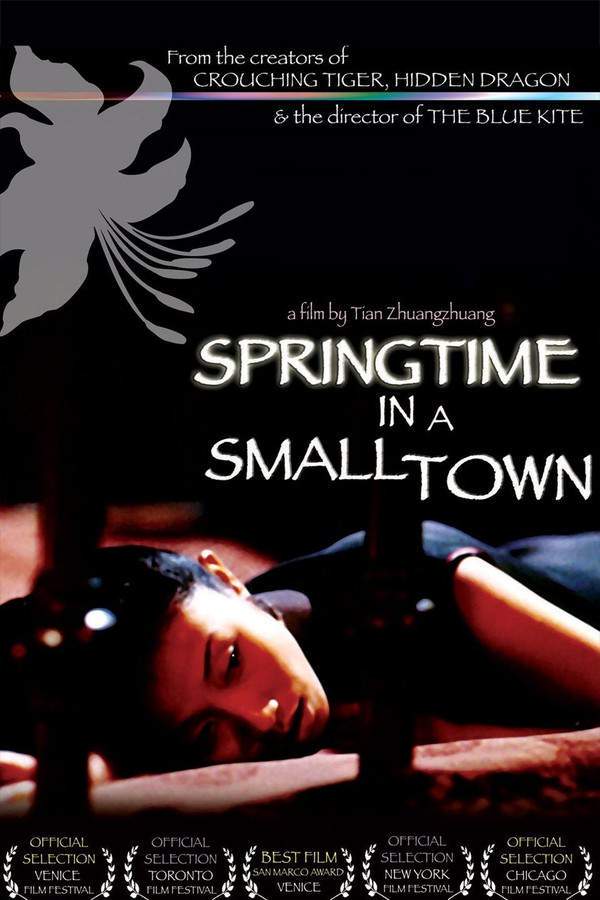
Springtime in a Small Town
2004

Higher Ground
2011
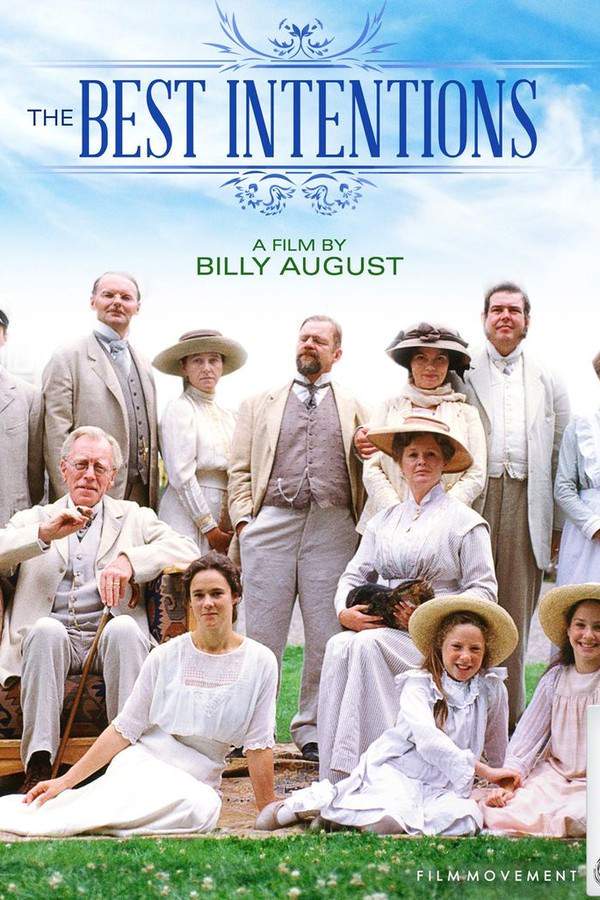
The Best Intentions
1992

Distant
2004

The Ignorant Fairies
2002

Get Low
2010

Intimacy
2001

Winter Solstice
2005

My Happy Family
2017

Sentimental Destinies
2000

No Looking Back
1998

28 Hotel Rooms
2012

Family Romance, LLC
2020

In Another Country
2012

The Rest Is Personal…
2013
Narrative Summary
Stories in this thread often center on a protagonist navigating the strictures of their community. The central conflict arises from the tension between individual aspirations and the demands of tradition, leading to a journey of introspection, negotiation, and often, a difficult choice that defines their place within the group.
Why These Movies?
These films are grouped together because they share a specific setting-driven tension. They create a claustrophobic yet intimate atmosphere where every decision is magnified by the watchful eyes of the community, resulting in a powerful, character-focused emotional experience.
Duty and Self-Discovery Movies like Fill the Void
Stories where young protagonists navigate the heavy weight of obligation to find themselves.If you liked Fill the Void's exploration of obligation and personal growth, you'll find similar themes here. These films follow young characters on quiet, introspective journeys where fulfilling duty becomes a complex path to discovering their own identity and strength.












Narrative Summary
The narrative pattern follows a protagonist, often on the cusp of adulthood, who is presented with a life-altering duty—be it an arranged marriage, a family business, or a caretaking role. The plot unfolds through their internal emotional journey as they grapple with this obligation, moving from resistance or fear toward a nuanced understanding and often a deliberate, mature choice.
Why These Movies?
These movies are connected by their focus on a specific emotional arc: the quiet, somber, yet ultimately hopeful process of sublimating personal desire for a larger duty, and finding a form of fulfillment within that constrained choice.
Unlock the Full Story of Fill the Void
Don't stop at just watching - explore Fill the Void in full detail. From the complete plot summary and scene-by-scene timeline to character breakdowns, thematic analysis, and a deep dive into the ending - every page helps you truly understand what Fill the Void is all about. Plus, discover what's next after the movie.
Fill the Void Summary
Read a complete plot summary of Fill the Void, including all key story points, character arcs, and turning points. This in-depth recap is ideal for understanding the narrative structure or reviewing what happened in the movie.

Characters, Settings & Themes in Fill the Void
Discover the characters, locations, and core themes that shape Fill the Void. Get insights into symbolic elements, setting significance, and deeper narrative meaning - ideal for thematic analysis and movie breakdowns.


