
Fill the Void
Year: 2013
Runtime: 90 min
Language: Hebrew
Director: Rama Burshtein
Following the tragic and sudden death of a young woman, her family is left reeling from grief and facing difficult decisions rooted in tradition. To maintain family honor and stability, the deceased’s younger sister, just eighteen years old, unexpectedly finds herself engaged to her deceased sister's husband, forcing her to confront complex emotions and responsibilities. The film explores themes of loss, duty, and the weight of cultural expectations within a close-knit community.
Where to Watch Fill the Void?
Find where to stream, rent, or buy Fill the Void (2013) in the US with current JustWatch availability, up-to-date pricing, and platform listings for subscription, rental, and digital purchase options.

Warning: spoilers below!
Haven’t seen Fill the Void yet? This summary contains major spoilers. Bookmark the page, watch the movie, and come back for the full breakdown. If you're ready, scroll on and relive the story!
Timeline & Setting – Fill the Void (2013)
Explore the full timeline and setting of Fill the Void (2013). Follow every major event in chronological order and see how the environment shapes the story, characters, and dramatic tension.
Last updated: October 22, 2024 at 21:31
Main Characters – Fill the Void (2013)
Meet the key characters of Fill the Void (2013), with detailed profiles, motivations, and roles in the plot. Understand their emotional journeys and what they reveal about the film’s deeper themes.
Last updated: October 22, 2024 at 21:31
Major Themes – Fill the Void (2013)
Explore the central themes of Fill the Void (2013), from psychological, social, and emotional dimensions to philosophical messages. Understand what the film is really saying beneath the surface.
Last updated: October 22, 2024 at 21:31
Fill the Void (2013) Character & Theme Questions Answered – Info FAQ
Browse frequently asked questions about Fill the Void (2013) focused on characters, relationships, themes, symbols, setting, and story context. This movie info FAQ gives spoiler-aware explanations for character arcs, world details, and thematic interpretation so readers can better understand what the film is really about.
Where is the movie set?
The film is set primarily in Tel Aviv, Israel. The city serves as a modern contrast to the traditional Hasidic community at the story's heart. Belgium is also mentioned as a potential destination for Yochay and Mordechai, representing a life that would take Shira far from everything she knows.
Why is Purim important to the story?
The story unfolds during Purim, a Jewish festival known for joy and celebration. The tragic death that occurs during this festive period creates a stark contrast, highlighting how grief can interrupt even the most joyful times. This timing underscores the fragile nature of life and happiness within the community.
What are the main themes explored?
The film centers on two interconnected themes: loss and love versus duty. Loss drives the entire narrative as Shira copes with her sister Esther's death and its ripple effects on family dynamics. Love and duty explores Shira's conflict between her personal feelings and her responsibilities to her family and late sister's memory.
Who is Shira Mendelman?
Shira is an 18-year-old Hasidic girl who becomes the film's central character after her sister Esther dies unexpectedly. She faces the difficult choice of whether to marry her deceased sister's husband, Yochay, to keep the family together and honor tradition. Her story embodies the tension between personal desires and cultural expectations.
Who is Yochay and what is his role?
Yochay is the widower of Esther and father to her young son Mordechai. He is torn between honoring his late wife's memory and pursuing a new relationship with Shira. His desire to move to Belgium with Mordechai creates additional pressure on Shira to make a decision that will affect the entire family.
Why does Esther's death matter so much to the story?
Although Esther is not present in the film, her sudden death triggers all the main events. Her death leaves a void in the family, creates the circumstances for Shira's difficult decision, and influences every character's choices. The family must navigate their grief while making practical decisions about marriage and the future.
How does the film portray love and duty?
The film shows how love and duty often conflict within traditional communities. Shira genuinely cares for Yochay, yet she also feels obligated to her family and to her late sister's memory. The story illustrates how love can evolve under societal expectations, and how duty to family sometimes overrides personal happiness.
Who is Frieda in the story?
Frieda is a friend of the deceased Esther who adds to Shira's internal conflict. She suggests that Esther would have wanted Yochay to find a new wife, implying Shira would be the ideal choice. Frieda represents the voice of societal expectations within their community, reinforcing the pressure on Shira to accept the marriage.
How does the setting reflect the story's themes?
Tel Aviv represents a modern, secular world contrasting with the traditional Hasidic community where the characters live. This contrast mirrors Shira's internal conflict between maintaining her cultural roots and potentially adapting to a different way of life. The city's vibrancy also highlights the enclosed, introspective nature of the family's emotional journey.
What is the emotional tone of the film?
The film has a melancholy tone, centered on grief and the weight of difficult decisions within a close-knit community. The pacing is slow, allowing viewers to absorb the characters' internal struggles and subtle emotional shifts. While the ending offers resolution through marriage, the journey remains tinged with sadness and sacrifice.

Explore Movie Threads
Discover curated groups of movies connected by mood, themes, and story style. Browse collections built around emotion, atmosphere, and narrative focus to easily find films that match what you feel like watching right now.
Intimate Community Dramas like Fill the Void
Character-driven stories where tradition and personal desire collide within small worlds.Discover movies like Fill the Void that delve into the complex social fabric of tight-knit groups. These similar dramas explore how tradition, duty, and personal desire intertwine, offering a quiet, reflective look at the pressures and comforts of living within a defined community.
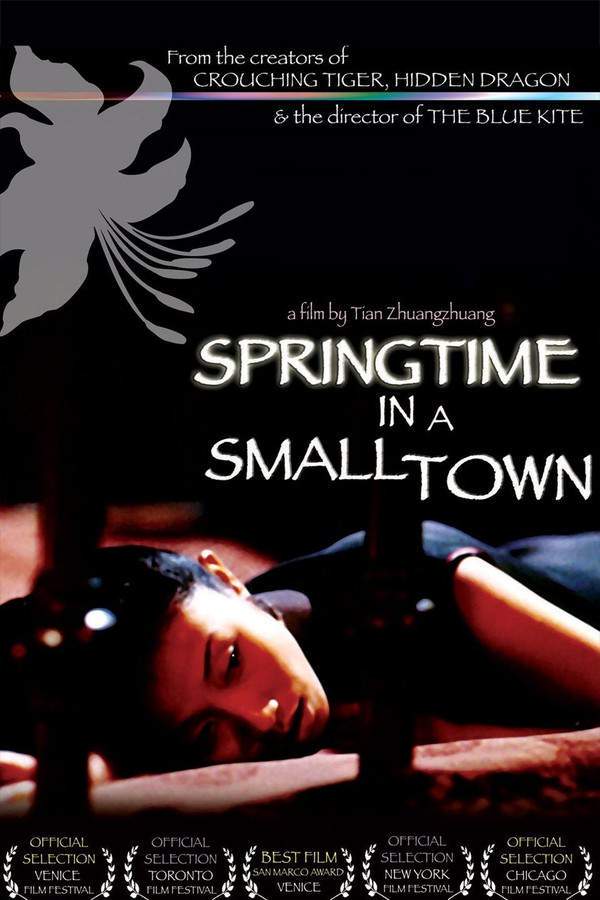
Springtime in a Small Town
2004

Higher Ground
2011
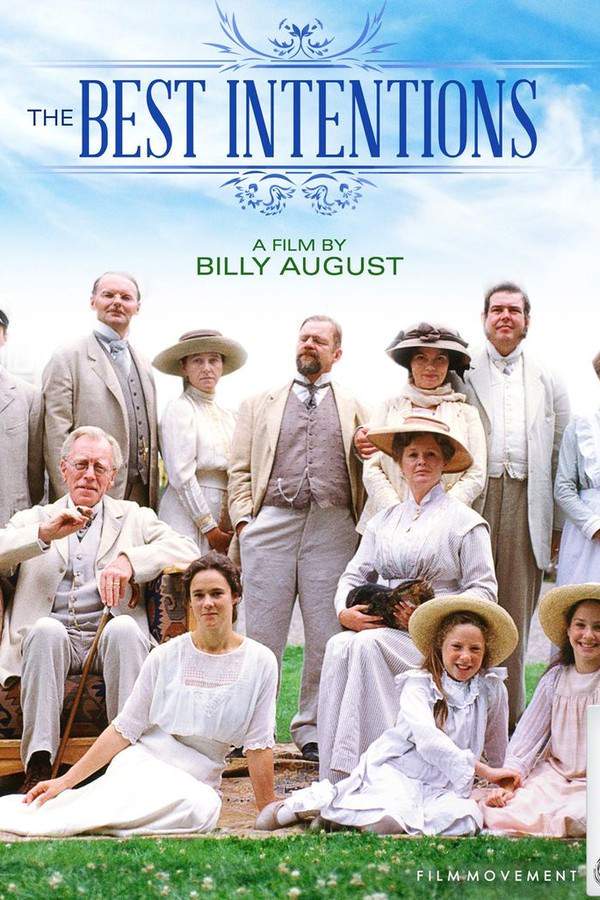
The Best Intentions
1992

Distant
2004

The Ignorant Fairies
2002

Get Low
2010

Intimacy
2001

Winter Solstice
2005
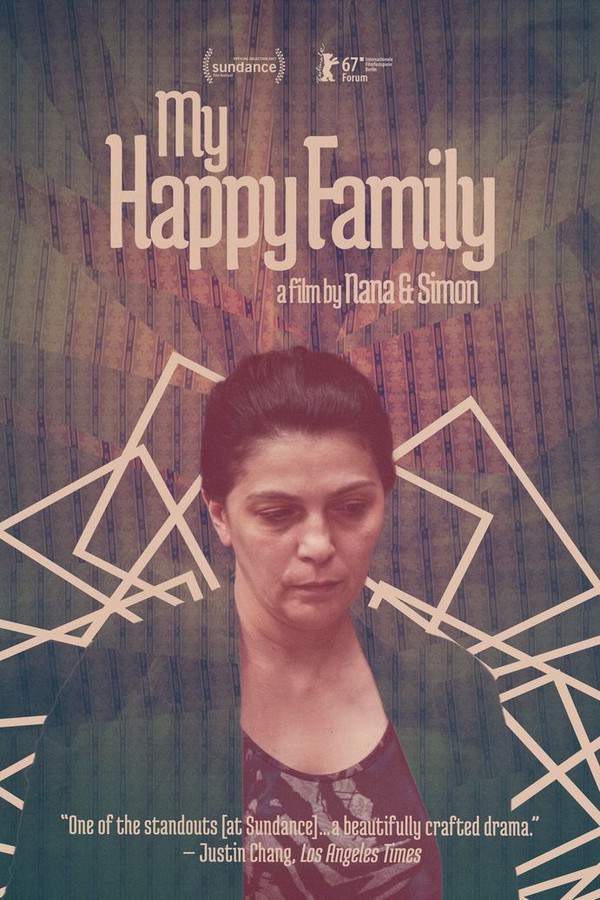
My Happy Family
2017

Sentimental Destinies
2000

No Looking Back
1998

28 Hotel Rooms
2012

Family Romance, LLC
2020

In Another Country
2012

The Rest Is Personal…
2013
Narrative Summary
Stories in this thread often center on a protagonist navigating the strictures of their community. The central conflict arises from the tension between individual aspirations and the demands of tradition, leading to a journey of introspection, negotiation, and often, a difficult choice that defines their place within the group.
Why These Movies?
These films are grouped together because they share a specific setting-driven tension. They create a claustrophobic yet intimate atmosphere where every decision is magnified by the watchful eyes of the community, resulting in a powerful, character-focused emotional experience.
Duty and Self-Discovery Movies like Fill the Void
Stories where young protagonists navigate the heavy weight of obligation to find themselves.If you liked Fill the Void's exploration of obligation and personal growth, you'll find similar themes here. These films follow young characters on quiet, introspective journeys where fulfilling duty becomes a complex path to discovering their own identity and strength.













Narrative Summary
The narrative pattern follows a protagonist, often on the cusp of adulthood, who is presented with a life-altering duty—be it an arranged marriage, a family business, or a caretaking role. The plot unfolds through their internal emotional journey as they grapple with this obligation, moving from resistance or fear toward a nuanced understanding and often a deliberate, mature choice.
Why These Movies?
These movies are connected by their focus on a specific emotional arc: the quiet, somber, yet ultimately hopeful process of sublimating personal desire for a larger duty, and finding a form of fulfillment within that constrained choice.
Unlock the Full Story of Fill the Void
Don't stop at just watching - explore Fill the Void in full detail. From the complete plot summary and scene-by-scene timeline to character breakdowns, thematic analysis, and a deep dive into the ending - every page helps you truly understand what Fill the Void is all about. Plus, discover what's next after the movie.
Fill the Void Summary
Read a complete plot summary of Fill the Void, including all key story points, character arcs, and turning points. This in-depth recap is ideal for understanding the narrative structure or reviewing what happened in the movie.

Fill the Void Timeline
Track the full timeline of Fill the Void with every major event arranged chronologically. Perfect for decoding non-linear storytelling, flashbacks, or parallel narratives with a clear scene-by-scene breakdown.


