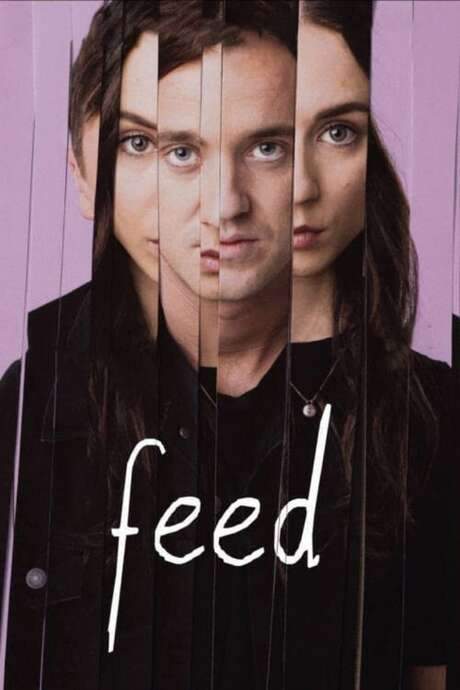
Twins Olivia Troian Bellisario and Matt Tom Felton are as close as they are different. Olivia strives for excellence, a standard her father James Remar seems to demand of her more than their seemingly easygoing twin, Matt. Yet, despite appearances, Matt is the one who watches out for Liv, and their bond, though imperfect—perhaps Matt is a touch overprotective—remains a constant source of support for her.
The siblings’ dynamics take a dark turn after a Halloween party, where Liv decides to drink and hook up with their mutual friend Julian Ben Winchell. The confrontation spirals into tragedy when Matt crashes the car, and he dies. Grief quickly becomes guilt for Olivia, who feels the weight of what happened and the sense that she has somehow failed him.
From that point on, Liv begins to see Matt—or a hostile, controlling version of him—whenever she’s at her most vulnerable. This presence seems to dictate her every move: what to do, what to say, and even what to eat. The voice is persistent, telling her to conserve food for him and to make choices that protect his memory, even as it threatens to erode her own sense of self.
Consumed by guilt and mounting pressure, Olivia reaches a breaking point and attempts suicide at a party hosted by her parents. She is then placed in an Eating Disorder Inpatient Treatment Center, a place meant to help her confront her pain and recover. But the torment doesn’t end there. Even behind the clinical doors, her brother’s presence lingers in ways that push her to lie to therapists and to continue saving food for him, flouting the center’s rules.
During a therapy session, Olivia finally speaks openly about her true feelings, a breakthrough that unsettles the haunting force. The ghost of Matt erupts in rage, accusing her of never loving him—an accusation that highlights the deep guilt and resentment fueling her struggle. This crucial moment spurs a turning point: Olivia realizes that the controlling voice isn’t truly her brother’s love or concern, but a distorted, internalized echo of her own fear and guilt.
In the wake of this realization, she works to let go of the malevolent version of Matt and begins to distinguish between the real loss of her brother and the dangerous urging to suppress her own needs. The film traces Olivia’s arduous path toward self-acceptance, showing how a family tragedy can deform a young woman’s relationship with food, herself, and those she hopes to trust again. It remains a careful, sensitive exploration of trauma, memory, and the long, difficult process of healing.